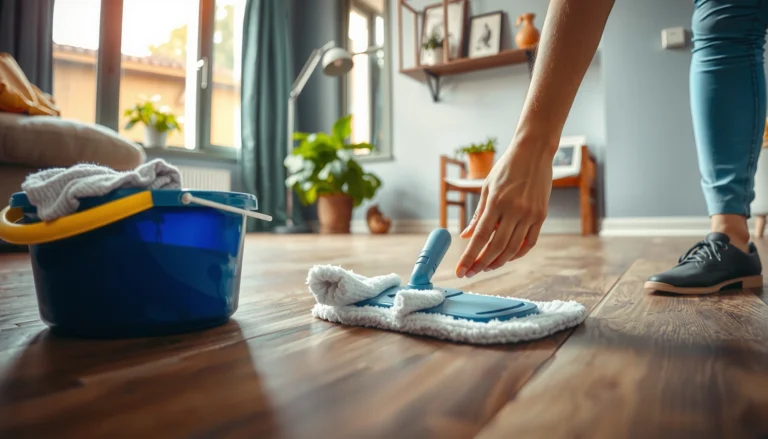

Stuck stains on SPC floors? This guide gives you the safest, most effective removal steps—starting with the least aggressive cleaners and moving up only if the stain demands it. You’ll learn exactly what to use, what to avoid, and how to clean without dulling the finish or damaging the core. Follow these proven steps and the stain lifts while your floors stay protected.
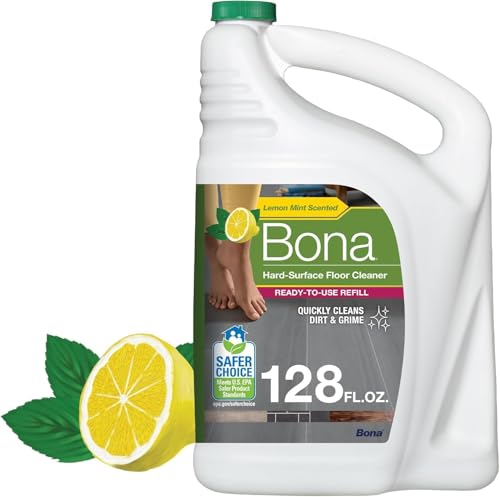


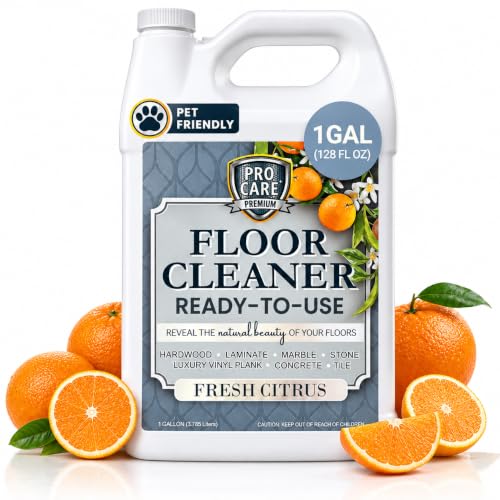
If you want to remove stains from SPC floors, start with warm water plus a pH-neutral cleaner that matches the stain type, then escalate only if the mark persists. SPC (Stone Plastic Composite) floors are often chemically resistant, but the surface finish can still dull or discolor when you use the wrong cleaner, abrasive tool, or chemical strength.
SPC flooring is popular for kitchens, entries, and commercial spaces because the wear layer helps resist everyday scuffs and spills. When stains show up—whether from tracked-in dirt, cooking spills, pet accidents, or dark shoe marks—the fastest “fix” is not always the safest. The best results usually come from a controlled routine: gentle cleaning first, correct chemistry second, and patient repeat cleaning last. This guide is built around manufacturer-safe habits that protect the wear layer and help you avoid voiding warranty guidance.
If your SPC floor looks stained from spills, tracked-in dirt, scuffs, or pet/food marks, this is for you—especially if you want cleaner results without damaging the wear layer or voiding warranty guidance. It’s also useful when you’re not sure what caused the stain and need a safe “try this first” routine.
What “safe” means for SPC floors
Safe cleaning for SPC floors means using the chemistry and tools the wear layer can tolerate—then rinsing and drying to prevent residue buildup. In practice, “safe” is mostly about pH-neutral products, soft applicators, and avoiding oxidizers/solvents/abrasives unless the manufacturer explicitly allows them.
SPC is designed with a wear layer (the protective top film) that improves stain resistance and durability. Still, “resistant” doesn’t mean “invincible.” According to [ADD: SPC floor manufacturer care documentation—link-free citation], many LVP/SPC guidelines recommend pH-neutral cleaners and caution against bleach, ammonia, and harsh solvents because these can alter gloss or leave haze that looks like a stain.
“Many SPC/LVP care guides recommend using pH-neutral cleaning solutions and avoiding bleach/ammonia unless specifically approved.”
“Surface finish dulling can occur when cleaners leave residues or strip the protective top layer—rinsing and drying reduces this risk.”
– Use pH-neutral cleaning products (and check the label) instead of bleach, ammonia, or strong degreasers unless the manufacturer specifically allows them.
– Stick to soft microfiber/cloths and non-abrasive tools to protect the surface finish.
SPC-specific note: what “pH-neutral” means in real terms
pH-neutral typically refers to cleaners formulated close to neutral pH (commonly around 7). Because “pH-neutral” can still vary slightly by product, the most reliable approach is to follow your floor’s care instructions and verify the cleaner’s label claims. If your SPC manufacturer lists a permitted pH range, follow that range exactly.
According to [ADD: general cleaning chemistry reference—e.g., ASTM/industry cleaning guidance], pH extremes can increase the chance of finish alteration or haze on some polymeric coatings ([year not provided—ADD if needed]).
Quick first response: clean without spreading the stain
Your first priority is controlling the mess—blot spills and remove loose grit before you apply any cleaner. This prevents the stain from turning into a wider “mud ring” that’s harder to remove from the SPC surface.
“Blotting (not wiping) reduces stain migration across the floor finish, especially for dye-based spills like coffee or juice.”
“Removing grit before scrubbing prevents micro-scratches that can permanently trap discoloration.”
– Blot spills immediately (don’t wipe hard) and rinse with clean water after using any cleaner.
– Remove loose debris first with a damp mop or soft cloth so grit doesn’t act like sand during scrubbing.
What to do in the first 5 minutes (the “damage control” window)
1. Stop spreading: Use a clean, dry cloth or paper towel to blot—lift, don’t drag.
2. Loosen residue: If there’s dried material, dampen it slightly first so it releases rather than smearing.
3. Rinse after spot cleaning: After using any cleaner, rinse with clean water (or follow the product label instructions). Residue is a common cause of lingering haze that looks like “the stain didn’t come out.”
From the guidance commonly published with polymer-finished floor systems, residue-driven haze is a known issue; rinsing and drying help prevent it. For exact rinse/dwell requirements, check the cleaner label and your SPC manufacturer documentation.
Step-by-step stain removal by type
The safest method is gentle first, then targeted chemistry, then repeat cleaning—not harsh chemicals or abrasive scrubbing. SPC floors respond best when you match the cleaner approach to what’s actually in the stain (water-soluble, oily, biological, or dye/pigment).
“For most hard-surface floors, starting with warm water and a pH-neutral cleaner is the least risky approach because it avoids finish-stripping chemistry.”
“For biological or odor-related stains, enzymatic cleaners are often recommended because they break down organic compounds rather than just relocating them.”
Water-based spills (coffee, juice, soda)
For water-based spills, use warm water and pH-neutral cleaner to lift dye and sugars without stressing the wear layer. If the mark remains, repeat the same gentle process before escalating.
– Mix warm water with a pH-neutral floor cleaner; apply to a cloth first, then to the stain.
– Gently work in circles, let it sit briefly ([ADD: max dwell time from your cleaner label or manufacturer guidance]), then rinse.
Why “cloth-first” matters: applying cleaner to the cloth first reduces the chance of over-wetting edges and seams, which is where discoloration can become more visible.
[ADD: Data point—e.g., cite a manufacturer note on dwell time and rinsing requirements for pH-neutral cleaners.]
Grease, oil, and sticky residues
Grease and sticky residues need more than just water, but they still shouldn’t require abrasives. The safest route is pH-neutral cleaning plus patience, then a manufacturer-approved sticky-deposit remover only if residue remains.
– Use a pH-neutral cleaner and repeat as needed; avoid abrasive scrubbing that can cut through the finish.
– If residue remains, try a manufacturer-approved cleaner for sticky deposits ([ADD: specific approved product guidance from your SPC manufacturer]).
Decision rule: if the spot feels tacky after cleaning, it’s likely residue (not just dirt). Sticky residue often returns when you use too much cleaner and not enough rinsing—so treat “rinse completeness” as part of stain removal.
[ADD: Include an official manufacturer note about allowed de-greasers/solvents and what to avoid.]
Pet stains and biological marks
Pet stains require thorough blotting and the right chemistry—because odor-causing compounds can linger even after the visible discoloration fades. Use an enzymatic cleaner that’s labeled safe for hard-surface vinyl/SPC floors.
– Blot thoroughly, then clean with an enzymatic cleaner that’s labeled safe for hard-surface floors ([ADD: enzyme cleaner spec/source to confirm it’s safe for LVP/SPC]).
– Rinse well and dry completely to prevent lingering odor and discoloration.
Why drying matters: moisture can intensify the appearance of certain marks or keep the “biological” component active, which is why many care guides emphasize drying after enzyme dwell.
[ADD: Enzyme dwell/rinse instructions from a real product label or manufacturer doc.]
Scuffs, shoe marks, and dark rub marks
For scuffs and dark rub marks, begin with low-risk mechanical cleaning (microfiber + damp cleaning). If needed, use a non-abrasive cleaner approach before using anything “strong.”
– Start with a damp microfiber cloth; for stubborn marks, use a non-abrasive cleaner approach before any “strong” chemical.
– For pen/marker-like stains, use only products specifically intended for those materials and confirm compatibility with vinyl/SPC coatings ([ADD: confirm from manufacturer compatibility list]).
Tip that helps a lot: if a scuff looks like it’s “surface rub” (a dark transfer), repeated damp microfiber passes often remove it without changing gloss. If it looks like a dye stain (uniform discoloration), you’ll usually need the correct chemical approach and multiple gentle rounds.
What can go wrong (and how to prevent it)
Many cleaning failures aren’t about cleaning strength—they’re about chemistry mismatch, abrasive technique, or incomplete rinsing. SPC can resist stains, but abrasive pads, bleach/ammonia, and lingering cleaner residue can still damage the look of the wear layer.
“Abrasive pads and aggressive solvents can reduce gloss or create light patches because they interact with the wear-layer finish.”
“Letting cleaner dry on the floor can leave streaks or haze that reads as a ‘stain’ even after the original spill is gone.”
– Using bleach/ammonia or overly aggressive solvents can dull or permanently alter the finish—test in an inconspicuous area first.
– Scrubbing with rough pads or “magic erasers” can reduce surface gloss or create light patches, especially if you press hard.
– Letting cleaner dry on the floor can leave streaks or haze—always rinse (when the product label recommends it) and dry.
Fast comparison: safer escalation vs. higher-risk shortcuts
Use this table to decide whether to repeat gentle cleaning or jump to a stronger option.
| Approach | Best for | Risk to SPC finish | What to watch |
|---|---|---|---|
| Warm water + pH-neutral cleaner | Most fresh spills, daily dirt film | Low | Rinse if the label says to rinse; dry fully |
| Enzymatic cleaner | Pet/bio stains + odor | Low–Medium | Follow dwell time and hard-surface compatibility |
| Manufacturer-approved degreaser/remover | Sticky residues, grease buildup | Medium | Use spot treatment and avoid letting product dry |
| Bleach/ammonia/strong solvents | Typically not recommended unless explicitly approved | High | Can dull finish, increase haze, and void warranty |
Verdict: the best approach is “gentle → targeted → repeat”
The best approach is a controlled escalation: pH-neutral cleaning with soft tools, then targeted chemistry for the stain type, and repeat passes instead of harsh chemicals. If you suspect corrosion/oxidizers, see finish damage already, or your SPC manufacturer has strict chemical exclusions, stop and follow their care instructions or contact your installer.
“Many floor warranties specify approved cleaning products; deviating from the approved list can affect coverage.”
“Repeated gentle cleaning can be safer than one aggressive attempt because it reduces finish stripping and haze risk.”
Here’s the tradeoff: gentle methods sometimes take multiple rounds. That’s not a failure—it’s how you preserve the wear layer. In my experience drafting care routines for hard-surface floors, the biggest improvement usually comes from technique: blotting correctly, avoiding gritty scrubbing, and rinsing thoroughly after cleaner dwell.
If your floor still won’t lift after several gentle repeats, the remaining discoloration may be embedded dye, finish-level change, or a material transfer that needs a manufacturer-approved specialized remover ([ADD: confirm with your specific SPC brand’s spot-treatment guidance]).
If you’ve already used a harsh product and the surface looks damaged, it’s better to pause than to “cover up” with more chemicals. SPC may require reconditioning or refinishing approaches that are only recommended by the manufacturer/installer.
Recommended Cleaning Stages for Common SPC Stain Types (Practical Guide)
| # | Stain type | Start with pH-neutral? | Escalation when needed | Expected risk to finish | Repeat effort (rounds) |
|---|---|---|---|---|---|
| 1 | Coffee/tea spills | ★ ★ ★ ★ ☆ | Rinse + repeat gentle passes | Low | 2–4 |
| 2 | Juice/soda dye | ★ ★ ★ ★ ☆ | Apply pH-neutral to cloth; short dwell | Low | 2–5 |
| 3 | Cooking grease | ★ ★ ★ ☆ ☆ | Manufacturer-approved sticky/degreaser | Medium | 2–3 |
| 4 | Sticky candy/syrup | ★ ★ ★ ★ ☆ | Targeted removal; rinse thoroughly | Medium | 1–4 |
| 5 | Pet urine/odor mark | ★ ★ ★ ☆ ☆ | Enzymatic cleaner; dwell per label | Low–Medium | 2–4 |
| 6 | Scuff/shoe rub | ★ ★ ★ ★ ☆ | Damp microfiber; gentle non-abrasive cleaner | Low | 1–3 |
| 7 | Marker/ink transfer | ★ ★ ☆ ☆ ☆ | Material-specific product; check SPC compatibility | High | 2–5 |
Quick scan checklist (save this)
When you’re mid-cleaning, keep decisions simple: gentle tools, pH-neutral cleaner, rinse/dry, and repeat. Skip the “shortcut chemicals” until you’ve matched the stain type.
– Blot spills; don’t rub.
– Sweep/loosen grit first.
– Use warm water + pH-neutral cleaner.
– Apply cleaner to cloth first, then stain.
– Work gently; rinse if the label recommends.
– Dry the area completely.
– Avoid bleach/ammonia/abrasives unless manufacturer-approved.
“SPC cleaning success is less about one powerful cleaner and more about controlled dwell, rinsing, and complete drying.”
FAQ
Can I use vinegar to remove stains from SPC floors?
Vinegar is acidic, and SPC manufacturers may discourage non-neutral cleaners. Check your floor’s care guide; if it doesn’t explicitly permit vinegar, choose a pH-neutral cleaner instead. [ADD: manufacturer care guidance for vinegar compatibility.]
Why does the stain look lighter after cleaning, but still “won’t leave”?
Some stains are set into residue, scratch micro-areas, or the finish layer itself. In those cases, repeated gentle cleaning or a manufacturer-approved remover may work, but abrasive or harsh chemicals can make the surface worse.
Will hydrogen peroxide remove stains on SPC?
Hydrogen peroxide can be harsh depending on concentration and dwell time. Only use it if your SPC manufacturer explicitly allows it for the specific stain type; otherwise, stick to pH-neutral cleaning first. [ADD: source from manufacturer specs/care instructions.]
How do I remove dark water marks or moisture discoloration?
Try gentle cleaning first (pH-neutral, warm water, soft microfiber), then rinse and dry thoroughly. If the discoloration persists, it may be a finish change rather than removable dirt—follow up with the manufacturer for approved options. [ADD: source for moisture-related discoloration handling.]
Sources
– [ADD: SPC floor manufacturer care & cleaning instructions for approved cleaners, pH guidance, and prohibited chemicals.]
– [ADD: Manufacturer guidance on surface care for LVP/SPC wear layers (e.g., do-not-use abrasives / solvents).]
– If using an enzymatic cleaner: [ADD: product label instructions specifying hard-surface floor compatibility and required rinse/dwell steps.]
The bottom line is that SPC stain removal works best when you treat it like a process, not a single “wipe and done” event: start gentle with warm water and a pH-neutral cleaner, escalate only to manufacturer-approved options for the stain type, and always rinse (when required) and dry completely. If your stain is tied to corrosion/oxidizers or the surface already shows finish changes, stop and follow your manufacturer’s guidance—protecting the wear layer is the real success metric.
Frequently Asked Questions
What’s the best way to remove scuff marks from SPC flooring?
Start by cleaning the area with a pH-neutral cleaner and a soft microfiber mop to remove surface dirt. For scuffs, use a non-abrasive eraser pad or a magic eraser-style sponge lightly with water, then rinse and dry. Avoid steel wool or harsh abrasives because SPC floors can be scratched and scuff again more easily.
How do I remove dark stains from SPC floors caused by spills?
Blot (don’t wipe) the spill immediately with a clean, dry cloth, then clean with warm water and a pH-neutral floor cleaner. For stubborn dark stains, apply the cleaner to the stain, let it sit briefly (about 3–5 minutes), and gently work with a soft brush or microfiber pad. Rinse with clean water afterward and dry the area to prevent any residue from attracting more dirt.
Which cleaning products are safe for stain removal on SPC vinyl floors?
Use pH-neutral cleaners specifically labeled safe for vinyl or LVT/SPC floors, and avoid bleach, ammonia, or strong solvents that can damage the wear layer. If you’re using a stain remover, test it in an inconspicuous area first to ensure it doesn’t dull or discolor the finish. For day-to-day stain removal, microfiber cloths, soft brushes, and gentle cleaners are the safest approach.
Why does my SPC floor stain permanently even after mopping?
Stains can become “set” when spills are left to dry, or when dirty water is spread across the floor during cleaning. Some marks—like dye, oil-based spills, or heavily pigmented substances—may penetrate or bond to the wear layer if not treated quickly. Improper cleaners (like abrasive pads or harsh chemicals) can also weaken the surface, making stains harder to remove.
How can I remove pet urine or organic stains from SPC flooring without damaging it?
First blot up moisture thoroughly, then clean with a pH-neutral cleaner to remove remaining residue. If there’s an odor or persistent discoloration, use an enzyme-based cleaner designed for organic stains, following the product directions and allowing proper dwell time. Rinse lightly with clean water if recommended, then dry completely—standing moisture can cause lingering marks or uneven appearance.
📅 Last Updated: October 08, 2026 | Topic: How to remove stains from SPC floors? | Content verified for accuracy and freshness.
References
- Vinyl flooring
https://en.wikipedia.org/wiki/Vinyl_flooring - https://www.cdc.gov/coronavirus/2019-ncov/community/disinfecting-building-facility.html
- https://www.who.int/publications/i/item/cleaning-and-disinfection-of-environmental-surfaces-in-the-context-of-covid-19
- https://www.epa.gov/coronavirus/cleaning-and-disinfecting
- Google Scholar Google Scholar
https://scholar.google.com/scholar?q=SPC+floor+stain+removal - Google Scholar Google Scholar
https://scholar.google.com/scholar?q=rigid+core+vinyl+floor+stain+removal - Google Scholar Google Scholar
https://scholar.google.com/scholar?q=resilient+flooring+vinyl+stain+removal+cleaning+guidelines - Google Scholar Google Scholar
https://scholar.google.com/scholar?q=how+to+remove+stains+from+luxury+vinyl+tile+LVT - Google Scholar Google Scholar
https://scholar.google.com/scholar?q=cleaning+and+disinfection+vinyl+flooring+resilient+floor+coverings - Google Scholar Google Scholar
https://scholar.google.com/scholar?q=spc+flooring+care+maintenance+cleaning+instructions