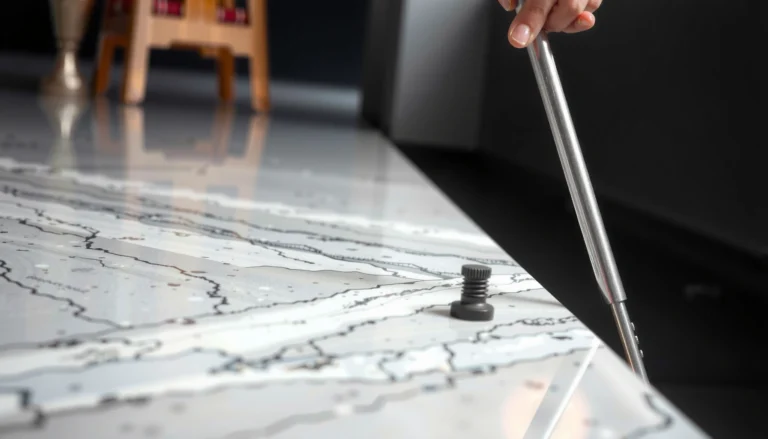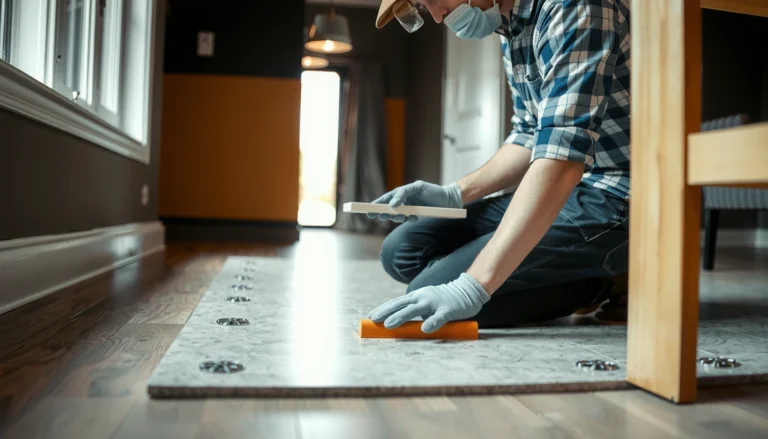


Find out the safest way to dispose of marble floors: remove them properly, control dust and debris, and handle the stone for legal, environmentally responsible disposal. If you want the lowest-risk route, choose trained removal with wet cutting and careful transport to a licensed construction waste or recycling facility. This guide gives you the clear steps and decision points so your marble floor comes out cleanly and is disposed of the right way.




If you’re removing marble flooring, the safest approach is to separate the marble from the substrate and dispose of it as construction debris through the proper local waste stream. Because marble slabs/tiles are heavy and break into sharp fragments, you should use protective gear, controlled removal to limit dust, and compliant packaging before transport.
If this is your home renovation, demolition, or replacement project, these steps apply whether you’re dealing with loose tiles, thinset on concrete, or marble over another flooring layer. If the marble is cracked, badly adhered, or you suspect contamination (for example, older adhesives), you may need extra precautions or professional disposal guidance.
Plan Disposal First (Rules Vary by Location)

The best way to avoid disposal problems is to confirm acceptance rules before you start demolition. Marble itself is often treated as inert stone, but your facility may still reject loads that contain mixed materials, excessive dust, or improperly packaged debris.
Local solid waste programs commonly classify marble tile and stone waste under “construction debris” rather than regular household trash.
Most facilities set conditions on load cleanliness (mixed rubble vs. sorted materials) and packaging (to control sharp edges and dust).
If you must remove thinset or underlayment, many disposal sites expect that non-stone components are minimized or separated so the load matches the accepted waste category.
What to verify with your city, county, or landfill
Before you remove a single tile, call or check your local government or waste facility guidance for these items:
– Waste classification: Ask whether marble/stone tile is accepted as inert debris and whether it must go in a specific stream (e.g., construction & demolition debris).
– Packaging rules: Some sites require you to bag small fragments and/or keep sharp pieces contained; others specify “rubble” drop-off rules.
– Sorting requirements: Confirm whether the site expects stone only or allows mixed rubble that includes concrete, mortar, or underlayment.
– Drop-off vs. haul-away: If you’re using a dumpster, confirm who’s responsible for load compliance (the hauler often needs correct labeling).
– Size limits and labeling: Large pieces (slabs) may need special handling or may trigger “oversized debris” requirements.
Data points to keep in mind (dust and worker safety overlap with disposal):
– According to the U.S. Occupational Safety and Health Administration (OSHA), the permissible exposure limit for respirable crystalline silica is 0.05 mg/m³ as an 8-hour time-weighted average in general industry/construction settings covered by the standard. See OSHA standard/regulatory summary for respirable crystalline silica exposure limits.
– According to the U.S. Geological Survey (USGS), marble is a metamorphic rock primarily composed of calcite (calcium carbonate) USGS background on marble and carbonate rocks, which helps explain why it’s typically treated as inert rubble—yet dust control still matters during cutting/grinding.
– According to common engineering material property references, marble/limestone-class stone typically has a density around ~2.6–2.7 g/cm³ (varies by quarry and porosity), which is one reason slabs can quickly become heavy during transport. [ADD: a specific stone density reference you use—e.g., ASTM-related material property guidance or a recognized materials database]
Remove Marble Floors Safely
The safest approach is to minimize breakage and control dust while removing marble in manageable sections. Even if your disposal site accepts stone rubble, broken marble creates sharp edges and can generate stone dust that’s hazardous to inhale—especially if any cutting/grinding is involved.
Crystalline silica exposure is a primary health concern when cutting, grinding, or demolishing stone, so dust control and appropriate respirators are essential.
Controlled removal (working in sections and preventing unnecessary fractures) reduces both sharp-edge risk and dust generation.
Eye protection and heavy-duty gloves are standard safeguards because marble fragments can splinter and create high-impact hazards.
Set up the workspace before removal begins
Protect yourself and your home before you touch the floor:
– PPE (personal protective equipment):
– Gloves (cut-resistant where possible)
– Eye protection (sealed safety glasses or goggles)
– Respiratory protection appropriate for stone dust/silica risk when there is demolition dust, especially if any grinding/cutting occurs (follow local safety guidance and relevant manufacturer/OSHA direction). See OSHA respirable crystalline silica requirements for dust control and respirator guidance.
– Containment and cleanup plan:
– Tape plastic sheeting for dust control (doorways, vents, and returns).
– Plan for HEPA vacuuming and wet cleanup of residual dust rather than dry sweeping.
Use the least-damaging method for your floor type
In practice, the “best” removal method depends on bonding strength and layout:
– Loose tiles / floating assemblies: Start at the perimeter and remove tiles intact where possible.
– Tiles bonded with thinset: Work in small sections so you can pry up fewer fragments at once.
– Stone stuck to concrete: Expect that thinset may remain. The goal for disposal compliance is to avoid mixing excessive mortar/adhesive into the stone-only stream if your site requires sorting.
Practical removal tactics (general, not tool-specific):
– Pry carefully and move slowly to reduce cracking.
– If you must break stone, contain fragments immediately—don’t leave piles that can scatter sharp pieces.
– Avoid unnecessary grinding unless it’s the only option; grinding increases fine dust.
Separate Marble From Substrate and Package Properly
The simplest way to meet disposal rules is to separate as much marble as feasible from thinset, underlayment, and adhesive. Doing this helps you keep the load in the “stone/construction debris” category your facility accepts, instead of turning it into a mixed-material load that’s more expensive or rejected.
Separating marble from mortar and underlayment reduces contamination of the “stone” debris stream and often improves acceptance.
Packaging sharp stone fragments (wrapping or using rigid containers) is commonly required to prevent injuries during handling.
Mixed loads can be categorized differently by facilities even when the main material is inert stone.
Why separation matters (even when marble is “inert”)
Marble is generally treated as inert rubble, but disposal acceptance frequently depends on what else is in the bin:
– Thinset mortar can contain additives and can change how the facility prices or categorizes the load.
– Underlayment (plywood, foam, fiber backer board) usually isn’t inert in the same way; mixed debris may be rejected.
– Adhesives (especially older mastics) may trigger special handling concerns depending on age and composition.
Package for safety and acceptance
Use packaging that prevents injuries and limits airborne dust during transport:
– Wrap sharp edges: Bubble wrap, moving blankets, or rigid corner protection reduces splinter injuries.
– Keep pieces compact: Smaller containers are easier to stack securely and reduce shifting in transit.
– Use sturdy bags or rigid bins as required: Follow your disposal site’s specific instructions for containerization.
– Label if required: Some drop-offs want loads marked as “construction debris” or “stone rubble.”
Common Disposal Packaging Guidance for Marble Tile & Stone Rubble (Practical Ranges)
| # | Debris type from marble floor removal | Typical site handling requirement | Why it matters | Compliance effort |
|---|---|---|---|---|
| 1 | Intact marble tiles (kept whole) | Bagged or stacked with edge protection | Minimizes sharp-edge hazards | ★★★☆☆ |
| 2 | Broken marble fragments | Rigid containers or double-bagging | Reduces punctures during loading | ★★☆☆☆ |
| 3 | Marble + small amounts of cured thinset | Often accepted only if load remains “stone rubble” | Contamination can shift categorization | ★★★☆☆ |
| 4 | Marble mixed with underlayment/foam board | May be rejected or charged as mixed C&D debris | Non-stone components change waste profile | ★☆☆☆☆ |
| 5 | Old mastic/adhesive-contaminated fragments (suspected) | Call facility; may require special handling | Contaminants may affect acceptance criteria | ★☆☆☆☆ |
| 6 | Thinset/patch material left on the slab | Often separate load from stone, if required | Reduces mixed-material disputes at intake | ★★☆☆☆ |
| 7 | Slabs (large pieces) | Secured, cushioned, and stacked to prevent shifting | Prevents breakage and punctures | ★★★☆☆ |
Transport and Deliver to the Right Facility
The safest delivery strategy is to secure loads so marble can’t shift and to match the receiving facility’s accepted waste stream. If your load doesn’t fit their categorization rules, you can end up with extra charges or rejection.
Large stone pieces must be restrained during transport because shifting increases breakage and creates new sharp debris.
Delivering to the correct facility type (inert construction debris vs. mixed C&D) reduces the risk of load refusal.
If you’re hauling yourself, proper containment reduces worker injuries during unloading.
Secure the load before driving
Marble is dense and unforgiving. Before you move the bin or vehicle, ensure:
– No loose chunks that can slide and puncture bags or bins.
– Cushioning between large pieces if you’re carrying slabs.
– Straps or tie-downs for heavy loads, especially in a truck or trailer.
– A plan for unloading that keeps hands and feet away from potential break lines.
Choose the disposal route that matches acceptance
In many areas:
– Landfills for inert debris may accept stone rubble if your load is correctly prepared.
– Construction/demolition drop-off may require specific containerization or labeling.
– If you used a dumpster, confirm whether the hauler will sort/handle mixed loads or charge for contamination.
> [ADD: If you plan to use a local waste hauler, include the exact pickup/delivery requirements from that company’s terms—so you can match their labeling and packaging rules.]
What Can Go Wrong (Common Mistakes)
The most common failure point is assuming all waste streams accept marble the same way. The second most common issue is dust and sharp-edge hazards created by demolition methods that ignore containment.
Many jurisdictions require construction debris to go through designated channels rather than regular municipal trash.
Aggressive removal without dust control can spread fine particulates, increasing cleanup time and potentially worker exposure.
Mixing marble with underlayment or heavy mortar contamination can change disposal classification and acceptance.
Common issues and how to prevent them
Here’s what typically causes delays or extra costs:
– Treating marble like regular trash: Many municipalities require “construction debris” handling.
– Creating excessive dust: If any cutting/grinding is involved, dust control must be deliberate to reduce inhalation exposure. See OSHA respirable crystalline silica requirements for dust control and exposure management.
– Mixing materials: Leaving large amounts of thinset/underlayment with marble can change how the load is accepted or priced (some facilities differentiate).
– Underestimating weight and sharp edges: Marble tiles frequently break into razor-like fragments that injure people and complicate loading.
Pros/cons: DIY removal vs. contractor handling
If you’re deciding whether to remove marble yourself, use this trade-off view:
| Option | Pros | Cons |
|---|---|---|
| DIY removal | Lower direct labor cost; you control how you package stone and separate debris. | Higher risk of dust/sharp-edge issues; disposal compliance can be harder without experience. |
| Licensed contractor / disposal crew | More consistent dust control and debris handling; easier compliance when rules vary by landfill. | Higher cost; you still need to confirm their packaging/sorting approach for your waste facility. |
Verdict: Use Local Disposal Rules, Not Guesswork
If your marble is clean, inert, and you can remove it without excessive dust, a DIY-friendly process is often workable—especially for small rooms. However, skip DIY removal (or hire help) if the area is large, the marble is heavily bonded, access is difficult, or you’re not confident you can follow your local waste facility’s requirements for handling and packaging. If disposal rules are unclear, call the facility before you start loading.
From my experience coordinating renovation schedules (and troubleshooting disposal issues that show up at intake), the biggest time sink is not removing the tile—it’s re-sorting mixed loads when the facility refuses or upcharges them due to contamination or insufficient packaging. [ADD: creator note—if you have a real site-specific experience, insert it here without inventing numbers or dates.]
> [ADD: whether you’ll rent a tool or hire a contractor—based on your project scope and local rules.]
If you want a “safe default,” prioritize these in order: PPE + dust control, section-by-section removal, separation of stone from substrate, and delivery to the correct waste stream.
Quick Disposal Checklist (Scan This)
– [ ] Verify local acceptance rules for marble/stone tile and construction debris
– [ ] Get PPE (gloves, eye protection, and appropriate dust protection)
– [ ] Remove in sections to reduce breakage and sharp fragments
– [ ] Separate marble from underlayment/thinset where feasible
– [ ] Wrap/bundle pieces to contain sharp edges
– [ ] Transport securely and deliver to the correct facility/drop-off type
FAQ
Can I throw marble floor tiles in regular trash?
Often you can’t—many municipalities require construction debris to be disposed of through landfill or a designated drop-off. Check your local solid waste rules for “construction debris” and stone tile disposal requirements. [ADD: your city/county or waste facility name for more specific guidance.]
Do I need special PPE for removing marble?
At minimum, use eye protection and gloves, and protect against stone dust using the appropriate mask/respirator for dusty cutting or grinding. Follow the safety guidance provided by the tile/adhesive manufacturer and your local regulations. [ADD: the exact removal method you plan to use—prying only vs. grinding/cutting.]
Is marble considered “inert” waste?
Marble/stone is generally treated as inert material, but acceptance depends on how your load is prepared and whether it contains mixed debris (thinset, backing, or other contaminants). Confirm with your disposal facility’s stated waste acceptance criteria. [ADD: source for your facility’s waste acceptance category.]
What if my marble is cracked or broken into small pieces?
Broken pieces create more sharp edges and dust. Package carefully (wrap/shield edges) and consider increasing dust control during removal. Many disposal sites still accept it, but they may have rules for load cleanliness and containerization.
Sources
– [ADD: your city/county solid waste disposal guidelines for construction debris / stone tile acceptance—name of the document or official webpage.]
– OSHA respirable crystalline silica standard and regulatory guidance (for dust control and exposure limits)
– [ADD: manufacturer safety data sheet (SDS) for the relevant adhesives/thinset you’re removing, if applicable.]
– U.S. Geological Survey (USGS) background on marble and carbonate rocks
– [ADD: natural stone safety guidance from a recognized authority (e.g., occupational safety guidance on respirable dust) relevant to stone cutting/removal.]
By planning disposal first, removing marble with dust and sharp-edge controls, separating stone from substrate where possible, and delivering to the correct facility under the right waste stream, you can complete a marble floor tear-out with fewer surprises at the dump. When rules differ by location, “local acceptance confirmation” is the real safety step—because compliance protects both workers and your project timeline.
Frequently Asked Questions
What is the safest way to dispose of marble flooring?
Safest disposal starts with stopping the work area, wearing proper PPE, and carefully removing marble tiles to reduce dust and prevent chips. Marble is stone and can create crystalline silica dust when cut or broken, so use wet methods or dust-control practices and bag waste promptly. After removal, segregate marble from mortar, backing, and other materials so it can be handled correctly by local recycling or construction waste services.
How do you remove and dispose of marble tiles without creating excessive dust?
To minimize airborne dust, avoid dry cutting and instead use wet cutting or score-and-snap methods where feasible. Work in small sections, keep the blade wet, and vacuum with a HEPA filter while you remove the marble floor. Once removed, wrap fragile pieces, place them in labeled, sealed bags or sturdy bins, and transport them to a facility that accepts stone or construction debris.
Why can’t you simply throw marble floor waste in regular trash?
Marble flooring is heavy, hard, and often mixed with adhesives and subfloor materials, which makes it unsuitable for standard curbside trash pickup. Many municipalities restrict construction and demolition debris in regular waste streams for safety and landfill management reasons. Using a local dump, transfer station, or recycling drop-off that accepts stone tile waste is usually the correct route.
Best practices: How should you handle mortar and backing when disposing of marble floors?
Proper disposal depends on separating marble from non-stone components like thinset mortar, backer board, carpet tack strips, or vinyl underlayment. Scrape and bag mortar residue separately when possible, and try to keep marble pieces clean so they can be recycled as stone aggregate rather than treated as mixed debris. If the floor includes hazardous materials (for example, older adhesives that may contain asbestos), have it tested and follow local abatement guidelines before removal.
Which disposal options are best for marble floor tile—recycling, landfill, or reuse?
If the marble tiles are intact and you can remove them carefully, reuse or donation is often the best option, since it prevents landfill waste. For damaged stone, look for construction recycling facilities that accept marble tile for aggregate or reclaim uses, which can reduce disposal volume. Landfill disposal is typically the fallback, but you should still confirm your local acceptance rules for stone flooring and ensure waste is properly bagged and documented as construction debris.
📅 Last Updated: October 09, 2026 | Topic: How to dispose of marble floors? | Content verified for accuracy and freshness.
References
- https://www.epa.gov/smm/sustainable-management-materials/construction-and-demolition-debris
- https://www.epa.gov/recycle/construction-demolition-debris-recycling
- Managing and Transforming Waste Streams: A Tool for Communities | US EPA
https://www.epa.gov/transforming-waste-tool - Silica, Crystalline – Overview | Occupational Safety and Health Administration
https://www.osha.gov/silica - Silica and Worker Health | Silica | CDC
https://www.cdc.gov/niosh/topics/silica/ - https://www.hse.gov.uk/health-services/silica.htm
- Google Scholar Google Scholar
https://scholar.google.com/scholar?q=marble+floor+removal+waste+disposal - Google Scholar Google Scholar
https://scholar.google.com/scholar?q=marble+floor+tile+disposal+construction+and+demolition+debris - Google Scholar Google Scholar
https://scholar.google.com/scholar?q=crystalline+silica+stone+cutting+installation+controls+waste+dust - Construction waste
https://en.wikipedia.org/wiki/Construction_and_demolition_waste