
Need to remove paint from chevron floors? The fastest, safest route is usually chemical stripping paired with gentle scraping—then finishing with careful residue removal to protect the pattern’s edges. If the paint is fresh, start with a solvent method; if it’s cured or thick, use a paint stripper designed for floors. This guide tells you exactly what to do based on your paint type so you can restore the chevron without damaging the finish.



Remove paint from chevron floors by starting with the least aggressive method that can lift the paint safely—usually gentle scraping first, then a gel/brushable stripper for stubborn, dried layers. Because chevron patterns hide damage easily, you should protect the wood between steps and test everything in a small, inconspicuous spot before you commit.
If you’re dealing with a small spill or overspray on a wood parquet/chevron floor, this guide walks you through safer removal options, what to watch out for, and how to avoid lifting the finish or damaging the grooves.
Get set up safely and protect the floor pattern
You’ll get better results (and fewer chevron-floor surprises) when you secure ventilation and physically protect the pattern before the first chemical or blade touches the wood. The goal is to prevent drips from settling into the chevron lines and to reduce exposure to fumes and dust.
According to OSHA 29 CFR 1910.1200, employers must ensure workers have Safety Data Sheets (SDS) accessible and understand hazards when using hazardous chemicals.
According to the U.S. EPA RRP Rule, 40 CFR Part 745, certain renovation activities disturbing painted surfaces that may contain lead trigger specific lead-safe work practices based on the amount of surface area affected.
A chevron floor’s grooves act like channels; controlling drips and runoff is essential to prevent chemical transfer and finish haze beyond the paint spot.
– Ventilate the area and use proper protection (gloves, eye protection, and a respirator rated for the fumes if you’re using chemical strippers).
– Mask off baseboards/walls and cover vents/furniture so drips don’t land in the chevron lines.
– Confirm the floor material first (real wood/parquet vs laminate/vinyl). If it’s not wood, follow that surface’s compatible cleaning/removal approach and don’t use harsh chemicals meant for varnished wood.
Quick reality check (2026): as of 2026, many older homes still contain unknown coatings, so you treat chevron floors as “finish-sensitive” until proven otherwise and rely on SDS/manufacturer guidance for chemical use.
Identify the paint type (and the floor finish) before you start
The safest way to remove paint from chevron floors is to identify whether the paint is water-based (often latex) or solvent-based (oil) and then determine how the existing finish behaves (urethane, varnish, wax, etc.). The wrong chemistry is the fastest route to permanent dulling, haze, or softened boards along the chevron seams.
According to OSHA 29 CFR 1910.1200, SDS contents (including hazards and first-aid measures) are a primary reference for how to handle chemicals safely.
According to U.S. EPA 40 CFR Part 745, lead-safe triggers for renovations can include interior components affected by more than 6 square feet (and exterior surfaces affected by more than 20 square feet), when lead-based paint may be present.
Finish type determines risk: urethane/varnish commonly dulls when exposed to the wrong stripper solvent, which is especially noticeable on chevron floors.
– Determine whether the paint is latex/water-based or oil-based/solvent-based (a simple spot test method can help, but use a hidden area). If you can’t tell, treat it as oil-based until proven otherwise.
– Look at what’s on the floor: unfinished wood, waxed, stained/varnished, or urethane/poly finish. The wrong solvent/stripper can haze or permanently dull chevron boards.
– If the home/building is older and paint could contain lead, you may need lead-safe procedures before disturbing anything (see Sources).
A practical identification workflow for chevron floors (quick but thorough)
Start by assuming the chevron floor has a film finish (urethane/varnish) unless you’re certain it’s bare wood. Then:
1) Check whether the paint feels “rubbery” vs “powdery” when you lightly test a corner with plastic.
2) Observe whether any residue smears like fresh paint or lifts like a dry coating.
3) Cross-reference what you see with the SDS for any stripper/product you choose.
Choose the right removal method (from gentlest to strongest)
The best method for removing paint from chevron floors is the one that lifts paint without damaging (or softening) the existing finish in the grooves. In most real-world cases, that means gentle scraping first, then a gel stripper for stubborn adhered paint.
Gel strippers are designed to “cling” to vertical or irregular surfaces, which often helps reduce uncontrolled runoff into chevron grooves.
Heat can soften some coatings, but excessive heat can damage finishes and adhesives; manufacturer guidance should be followed when compatibility is uncertain.
Sanding is generally a last resort on chevron floors because it can blur board edges and change how the chevron contrast reads under light.
– Scrape + soften (good for small spots): Use a plastic razor and a compatible softening step first to avoid gouging the chevron pattern.
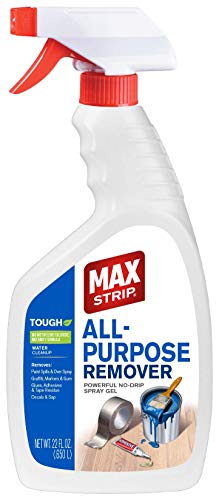
– Chemical stripper (often best for dried, adhered paint): Use a gel/brushable stripper intended for the type of finish/paint you’re removing, and follow the manufacturer’s dwell time instructions exactly.
– Heat (use only if compatible): A heat gun can soften some finishes/paints, but excessive heat can damage wood finish, loosen glue, or warp thin sections—test carefully.
– Sanding (last resort): If the paint won’t lift without damaging the surface, plan on refinishing—but note that sanding can blur the chevron contrast.
Method comparison for chevron floors (what each approach tends to do well)
| Method | Best For on chevron floors | Main Upside | Common Downside / Risk |
|---|---|---|---|
| Plastic razor scraping | Freshened spots and loose paint edges | Low finish disruption | Can leave thin film if paint is well-adhered |
| Softening + re-scrape | Small overspray that hasn’t fully fused | Often reduces force and chipping | Wrong softener can haze certain finishes |
| Gel/brushable stripper | Dried paint layers that don’t lift | Strong performance with controlled application | Can leave residue; finish may dull depending on chemistry |
| Citrus-based/less aggressive strippers | Some water-based paints on coated wood | Lower odor than many solvent systems | Not always strong enough for thick/durable coatings |
| Solvent-based stripper | Certain oil/solvent paints on compatible finishes | Fast removal for some coatings | Higher risk of finish haze and spreading into grooves |
| Heat gun + careful scraping | Coatings that soften cleanly | Can avoid harsh chemicals | Overheating can loosen finish layers or adhesives |
| Spot sanding + refinishing | Paint that remains after stripping | Removes what chemistry can’t | Chevron contrast may blur; requires finish matching |
Mandatory data table: removal-method fit for chevron floors
(Relative guidance for chevron floors; always confirm compatibility via SDS/manufacturer instructions and a hidden test spot.)
Paint Removal Methods for Chevron Floors — Relative Fit (2026)
| # | Method | Typical Paint Lift | Finish Impact Risk | Cleanup Complexity | Chevron-Safe Fit |
|---|---|---|---|---|---|
| 1 | Plastic razor scraping | Low–Moderate | Low | Low | ★★★★☆ |
| 2 | Softening + re-scrape | Moderate | Low–Medium | Medium | ★★★☆☆ |
| 3 | Gel/brushable stripper (finish-compatible) | High | Medium (test first) | High | ★★★★☆ |
| 4 | Citrus/less aggressive stripper | Moderate | Low–Medium | Medium | ★★★☆☆ |
| 5 | Solvent stripper (unknown finish) | High | High | High | ★★☆☆☆ |
| 6 | Heat gun + controlled scraping | Moderate–High | Medium–High | Medium | ★★★☆☆ |
| 7 | Spot sanding + recoat | High | Medium (pattern change) | High | ★☆☆☆☆ |
Step-by-step: remove paint from chevron floors without wrecking the pattern
You can remove paint from chevron floors with the lowest risk by following a controlled sequence: test → pre-clean → soften/strip → scrape → neutralize/cleanup → dry → re-check. This keeps solvents and liquids from migrating into the chevron grooves and seams.
Many chemical stripper instructions require a specific dwell time; deviating from it increases residue risk and finish damage on hardwood surfaces.
Residual stripper films can interfere with later stain or finish adhesion; follow the cleanup/neutralization directions exactly.
Working with plastic scrapers reduces the chance of gouging the soft wood and chipping finish at chevron board edges.
– 1) Test in a hidden area: Try your chosen method on a small spot and check for finish dulling, raised grain, or discoloration after it dries.
– 2) Pre-clean the area: Remove dust and grime so you’re not grinding contamination into the wood while you scrape.
– 3) Loosen the paint carefully:
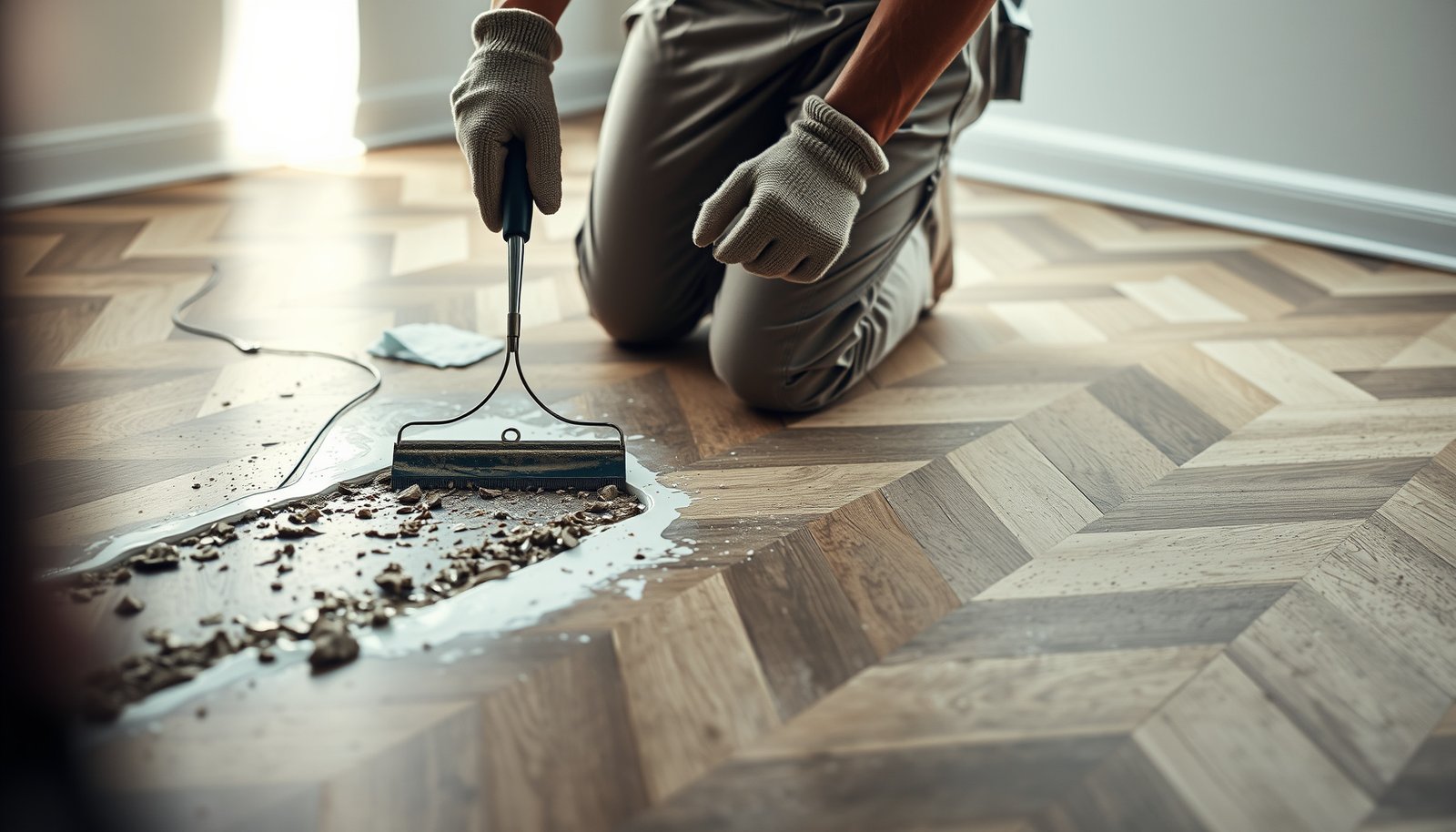
– For softened paint, lift it with a plastic scraper, working across and then along the chevron lines to avoid catching edges.
– For chemical stripping, apply the gel as directed, let it dwell, then remove residue with the recommended tool (often a scraper) and clean thoroughly.
– 4) Clean the residue the right way: After stripping, use the neutralizer/cleanup method specified by the stripper instructions—skipping this can leave residue that prevents re-coating later.
– 5) Finish-touch only after everything is dry: If you still see discoloration or residue, repeat only if the floor shows no damage from the first pass. Otherwise, let it fully dry and evaluate whether spot refinishing is needed.
What “across then along” protects on chevron floors
Chevron boards have crisp directional edges. When you scrape only in one direction, it’s easy to catch raised paint ridges and chip finish at the board boundaries. When you scrape across first, you reduce the chance of lifting by the edge of the groove, then you refine along the direction so the blade stays flat against the wood.
A note on tools (and why metal is risky)
Metal blades can create “fuzzy” chevron edges—especially when the finish is already slightly softened by prior cleaning or humidity changes. Plastic razor blades don’t “feel” as powerful, but they reduce edge damage and help keep the chevron pattern crisp.
What can go wrong (and how to avoid it)
The biggest problems when removing paint from chevron floors are gouging the pattern, creating finish haze, leaving invisible residue, and over-wetting the wood. If you plan for those risks, you can usually stop early and switch methods before the chevron looks “mottled.”
Finish haze commonly occurs when stripper solvents dissolve or soften varnish/urethane; a hidden-area test is the practical way to confirm compatibility.
Stripper residue can remain even after visible paint is removed; many products require a specific neutralizer or final cleaning step to ensure compatibility with re-coating.
Lead-safe requirements exist specifically because disturbing painted surfaces can create hazardous dust or chips; follow the applicable regulations before scraping or sanding.
– Gouges and “fuzzy” chevron edges: Metal scrapers can dig into soft finishes and chip board edges—go slow with plastic blades first.
– Finish haze or dulling: Some solvents and strippers dissolve/tarnish urethane/varnish. That’s why the hidden-area test matters.
– Residue left behind: Stripper residue can feel waxy or sticky and later ruin adhesion for new finish coats—always follow the manufacturer cleanup/neutralization steps.
– Swelling/warp risk: Over-wetting wood parquet can lift edges or separate joints, especially if the chevron design has seams. Keep liquids controlled and avoid soaking.
– Lead paint safety issues (if applicable): If paint might be lead-containing, you generally should not sand or scrape aggressively without following lead-safe rules.
Common “mistake-to-fix” pairs for chevron floors
– If the paint lifts but the area turns cloudy: stop and reassess finish compatibility; you may need a different stripper chemistry or a light refinishing plan.
– If you can scrape paint, but it “smears” into the chevron grooves: your softening step may be too wet or too long—reduce dwell time and keep applications localized.
– If the floor feels slick after stripping: you likely skipped a required neutralizer/cleanup step—repeat cleanup before attempting any recoating.
Verdict: what’s the safest approach for most chevron floors?
For most chevron wood floors, the best balance of safety and results is gentle scraping + a targeted gel stripper (if needed), followed by careful residue cleanup and a spot-refinish plan. The downside: chemical strippers can dull or discolor finishes, and sanding/spot sanding can change the look of the chevron lines even if it “works.”
OSHA’s Hazard Communication Standard emphasizes SDS-based handling, which is directly relevant when stripping paint from chevron floors with chemical products.
EPA’s RRP Rule is designed to reduce lead exposure risk during renovation activities that disturb painted surfaces.
On chevron floors, preserving crisp groove edges matters as much as removing the paint; overly aggressive methods often create visible pattern changes.
Skip DIY and use a pro if:
– the paint covers a large area,
– the floor finish is very valuable/antique and you can’t test safely,
– you suspect lead-containing paint, or
– the floor is already unstable (lifting boards, failing seams), because extra moisture/chemicals can worsen it.
Quick checklist (save this before you start)
| Task | Done? |
|---|---|
| Identify floor material (wood parquet vs other) | ☐ |
| Identify paint type (water-based vs oil-based) | ☐ |
| Identify existing finish (wax/urethane/varnish, etc.) | ☐ |
| Check if lead-safe work may be required | ☐ |
| Ventilate + gather PPE (gloves/eye protection/respirator if needed) | ☐ |
| Test method in a hidden spot | ☐ |
| Use plastic scraper first; avoid digging into chevron edges | ☐ |
| If using stripper: follow exact dwell time + cleanup/neutralizer | ☐ |
| Allow full dry time before judging results or finishing | ☐ |
Sources
– OSHA: Hazard Communication Standard (29 CFR 1910.1200) — safety requirements for chemical handling and SDS use.
– U.S. EPA: Lead Renovation, Repair and Painting (RRP) Rule (40 CFR Part 745) — guidance relevant to disturbing painted surfaces that may contain lead.
– National Wood Flooring Association (NWFA): sanding/refinishing guidance for hardwood floors (use the specific guidance document applicable to your floor system).
– Chemical stripper manufacturer SDS and installation/instructions: cleanup/neutralization steps and compatibility notes for the finish/wood surface type.
If you’re doing this in 2026, the safest mindset is conservative: protect the chevron pattern, test early, and switch to the next method only when you’ve confirmed the finish can tolerate it. Done right, you can remove paint from chevron floors while keeping the groove definition crisp and the final sheen consistent.
Frequently Asked Questions
What’s the safest way to remove paint from chevron floors without damaging the wood or finish?
Start by identifying the floor finish (sealed wood, lacquer, varnish, or wax) and test your paint-removal method in a hidden corner first. For most chevron wood floors, use the gentlest approach: a non-abrasive paint stripper designed for wood, followed by careful scraping with a plastic scraper. Avoid harsh sandpaper or strong solvents that can dull the finish, lift stain, or alter the chevron pattern’s sheen. If the paint is old or thick, plan on repeating gentle steps rather than forcing one aggressive method.
How do I remove dried or chipped paint from chevron wood flooring?
Begin by softening the paint using a wood-safe paint stripper, keeping it limited to the painted area so it doesn’t soak into seams between boards. After the paint blisters, scrape with a plastic scraper in the direction of the wood grain to reduce gouging, then wipe residue with a recommended remover or mineral spirits (only if compatible with your finish). For remaining spots, use a fine, non-abrasive pad or a low-grit method only after you confirm it won’t damage the finish. Finish by cleaning the area thoroughly and letting it fully dry before applying touch-up stain or a matching topcoat if needed.
Why does paint removal on chevron floors get tricky, and how can I avoid permanently altering the pattern?
Chevron flooring often has stained or finished surfaces where color and sheen vary slightly by plank, so aggressive chemical or mechanical removal can create visible “patch” areas. Solvents and sanding can also blur the contrast lines between the V-shaped chevron tiles by stripping the finish unevenly. To avoid this, use controlled, area-specific application, rely on plastic scraping, and minimize time chemicals stay on the wood. Always follow up with proper cleaning and consider refinishing or blending the finish to restore a uniform look.
Which products work best for removing paint from chevron floors—chemical stripper, gel, or solvent?
For chevron wood floors, a gel paint remover or wood-safe paint stripper is often the best choice because it clings to vertical surfaces less aggressively than thinner solvents and reduces spread into grout-like seams. Solvents can work for small areas of latex or acrylic paint, but they’re riskier for stained and sealed wood finishes because they may dissolve or haze the topcoat. If you use a stripper, choose one labeled safe for wood floors and follow the dwell time exactly, then neutralize/wipe per the manufacturer. For small drips or spots, a dedicated paint-removal gel usually offers a safer balance between effectiveness and finish protection.
Best practices for how to remove paint from chevron floors if the paint is latex, acrylic, or oil-based?
Latex and acrylic paint usually respond best to careful softening and gentle scraping with warm soapy water or a mild solvent suitable for your floor finish, then thorough residue removal. Oil-based paint typically requires a stronger paint stripper or a product designed for alkyd/oil paints, applied carefully to the affected chevron plank area only. Regardless of paint type, wear proper protection, ventilate the area, and use plastic scraping rather than metal tools to prevent scratches. After paint removal, clean completely, dry fully, and consider stain matching and a protective topcoat to restore the chevron floor’s original appearance.
📅 Last Updated: October 15, 2026 | Topic: How to remove paint from chevron floors? | Content verified for accuracy and freshness.
References
- Parquet
- Paint stripper
- Lead Renovation, Repair and Painting Program | US EPA
- https://www.epa.gov/lead/lead-based-paint
- https://www.cdc.gov/lead/prevention/index.html
- Lead in the Workplace | Lead | CDC
- https://www.osha.gov/laws-regs/regulations/standardnumber/1926/62
- https://scholar.google.com/scholar?q=remove+paint+from+wood+floor+chemical+stripper+sanding+refinishing Google Scholar
- https://scholar.google.com/scholar?q=lead+paint+renovation+safe+work+practices+sanding+HEPA+vacuum Google Scholar
- https://scholar.google.com/scholar?q=parquet+floor+refinishing+paint+removal+methods Google Scholar