


You can keep laminate floors in a closet looking new by following a simple, moisture-first maintenance routine. The key is preventing standing water and humidity buildup, then cleaning gently to avoid scratches or dulling. If you want the fastest path to long-lasting results, this guide shows exactly what to do—daily care, weekly cleaning, and the do-not’s that cause swelling and wear.



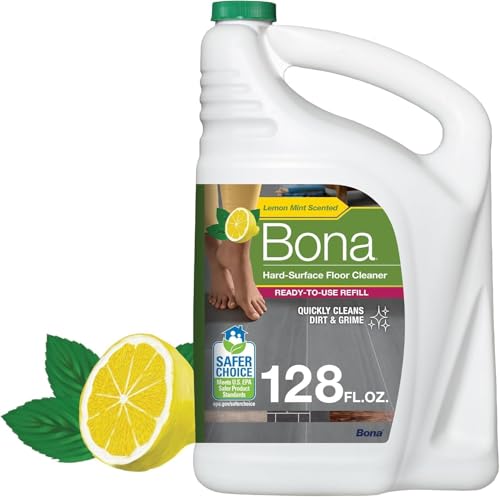
If you keep laminate floors in a closet clean and dry, they’ll stay looking good for years—without swelling, dulling, or lifting. The key is gentle cleaning (no soaking) plus moisture control using mats/liners and quick spill response. This guide walks you through daily care, weekly cleaning, and the “watch-outs” that matter most in closet environments.
If your laminate is installed in a closet that gets occasional foot traffic, stored items, or sometimes wet boots/shoes, this is for you. Even though closets aren’t as high-wear as kitchens, they’re still prone to dust buildup and trapped moisture near the floor.
Set up a moisture-safe routine

Moisture control is the first (and most effective) step because laminate floors in a closet can be affected by water along seams and edges. When you prevent recurring dampness—especially near the closet opening and baseboards—you reduce the risk of cupping, lifting, or finish dulling.
– Keep the floor dry: avoid wet mopping or leaving standing water from spills or cleaning.
– Use a doormat/liner where shoes or damp items are likely to touch the floor (especially near the closet opening).
– Check for leaks or dampness under nearby walls, baseboards, or HVAC vents before cleaning harder.
According to the U.S. CDC, mold can begin growing within 24–48 hours after water intrusion, so closets with trapped moisture should be dried quickly (year: CDC mold guidance (ADD: page review year)).
According to the National Wood Flooring Association (NWFA) guidance on dimensional stability, maintaining indoor relative humidity around 35%–55% helps reduce movement-related issues in floating floors (year: NWFA humidity guidance (ADD: publication/update year)).
In 2026, this preventive approach is still the “highest leverage” maintenance because closet conditions tend to be uneven: the floor may stay cool behind stored bins, while the opening area sees temperature swings from doors opening and closing. For laminate floors in a closet, that combination can make any small spill linger longer—especially if it lands under a rug, liner fold, or the edge of a shelf.
Moisture control setup that actually works
Start by treating the closet floor like a boundary layer: dirt and water can’t get below the top finish. A simple doormat/liner at the entry point reduces both abrasion and water transfer. For the liner, choose a material that you can remove and wash (or shake out) regularly, rather than something that holds water.
Also, don’t skip a quick inspection before you “deep clean.” Check for dampness under baseboards, around HVAC returns, and near plumbing penetrations. If laminate floors in a closet are already slightly lifted or curling, cleaning harder won’t fix the cause—moisture will keep reappearing.
Quick compare: what helps vs. what risks moisture in laminate floors
| Method (closet context) | Moisture risk to laminate seams | Best use |
|---|---|---|
| Barely-damp microfiber wipe after a spill | Low | When a drop lands near the closet opening |
| Dry sweep/vacuum with soft brush | Low | Weekly grit removal to prevent scratching |
| Damp-mop in sections, wrung cloth only | Medium (if overdone) | Routine refresh when dust + grime build up |
| Soaking-wet mopping or leaving puddles | High | Avoid—seam swelling and lifting risk |
Daily and “as-needed” spot care
Spot care is the fastest way to keep laminate floors in a closet from developing dull patches, scratches, or edge swelling. If you act within minutes of a spill, you usually prevent moisture from migrating into seams.
– Sweep or vacuum regularly using a soft brush attachment to remove grit that can scratch.
– Wipe spills immediately with a barely damp cloth, then dry the area with a second dry cloth.
– Avoid harsh scrapers or abrasive pads—laminate’s top layer can be scratched even by small particles.
According to the U.S. CDC, drying materials promptly after water exposure reduces the chance for mold growth within the first 24–48 hours (year: CDC mold guidance (ADD: page review year)).
In general floor-care practice, laminate’s finish layer is not designed for abrasive pads; removing grit gently (microfiber + soft brush) reduces fine scratching that accumulates under closet traffic (year: ADD: laminate manufacturer care guidance for “abrasive cleaning”).
Daily maintenance doesn’t have to be time-consuming. For laminate floors in a closet, a 2-minute pass with a vacuum’s soft brush head often beats waiting until grit becomes embedded along the door area. Closets also tend to trap “invisible debris” (lint, sand, grit from shoes), which is why scratches can show up even when you think traffic is minimal.
When something spills—especially water from wet boots or shoes—use a two-cloth method:
1) Wipe with a cloth that’s barely damp (not dripping).
2) Follow immediately with a dry cloth to pull moisture out of the finish.
If you notice dampness under stored items, don’t just dry the surface. Lift the item (and any liner) and check for a moisture pocket near seams—laminate floors in a closet are vulnerable at the edges and around transitions.
Weekly cleaning for laminate (without soaking)
Weekly cleaning keeps laminate floors in a closet looking even by removing the grime layer that vacuuming alone doesn’t fully capture. The rule is simple: damp cleaning only, and never a dripping mop.
– Use a microfiber mop or cloth lightly dampened with water and, if needed, a laminate-safe cleaner per the product label.
– Work in sections and make sure the mop/cloth isn’t dripping—too much liquid is the main cause of swelling at seams.
– Let it air-dry fully before moving stored items back onto the floor.
According to NWFA guidance on indoor moisture control, keeping indoor relative humidity in the 35%–55% range supports dimensional stability in floating floors (year: NWFA humidity guidance (ADD: publication/update year)).
According to the U.S. CDC, mold risk accelerates when moisture persists after water intrusion, which is why quick drying matters for enclosed spaces like closets (year: CDC mold guidance (ADD: page review year)).
Here’s a practical weekly workflow for laminate floors in a closet:
– Move only what’s necessary. If you must move shelves or heavy bins, do it quickly and keep the floor exposed long enough to dry properly.
– Clean in 3–4 small sections instead of “whole-floor flooding.” That section approach matters because you can control how long dampness stays on the laminate.
– Use a microfiber mop that’s been wrung out thoroughly. In real terms: the mop should feel damp, not wet.
– After damp cleaning, open the closet door (or add ventilation) so laminate floors in a closet air-dry before items return. In 2026, this “air-dry window” remains the safest way to reduce moisture trapped under liners and footwear.
If you’re using a cleaner, rely on laminate-safe products per the manufacturer’s label. Avoid “all-purpose” chemistry unless the label explicitly approves laminate or hard-surface floating floors. Residue can build up, making the finish look dull even when it’s clean.
Protect the surface in a closet setup
Protection prevents damage before it starts, which is especially valuable when laminate floors in a closet are partially covered for long periods. Proper cushioning, smarter item handling, and pressure reduction help keep edges tight and surfaces scratch-free.
– Add felt pads under shelving supports or anything that can rub or shift on the laminate.
– Don’t drag stored bins across the floor—lift or slide with protection to prevent scuffs along edges and seams.
– Keep heavier items from repeatedly pressing the same spot (pressure can worsen separation over time, especially if moisture is present).
According to the U.S. CDC, sustained moisture increases the likelihood of mold problems, which is why trapped dampness under bins and liners should be avoided in closets (year: CDC mold guidance (ADD: page review year)).
For laminated and similar floating floor systems, seam integrity is the key performance factor; protecting seams from water and abrasion aligns with manufacturer care approaches that emphasize minimal moisture and gentle cleaning (year: ADD: laminate manufacturer care guidance for seams/minimum moisture).
In closets, the “risk hotspots” are predictable:
– The opening zone where shoes enter and water/dirt transfer happens.
– Areas under shelf lips where bins rub when you remove and replace them.
– Sections under rugs or liners that don’t get moved often.
Felt pads work well under shelving supports, but ensure they’re the right size and firmly attached. If a pad shifts, it can start acting like a small abrasive under load. For bins, the simplest rule is lift first: dragging bins can scuff the finish and create micro-scratches that later trap grime.
Also consider the pressure effect. If a heavy storage unit compresses the floor repeatedly at the same point, you can accelerate separation at seams—particularly if any moisture is present from occasional wet footwear. Spreading weight over a wider base and improving ventilation around the closet floor helps laminate floors in a closet remain stable.
What can go wrong (and how to prevent it)
Most laminate problems in closets come from moisture extremes or abrasive cleaning habits—not from normal, careful living. If you see symptoms like bubbling or lifting, stop cleaning efforts that add water and focus on the moisture source.
– Over-wetting: Mopping too aggressively can seep into seams and cause swelling or lifting—use minimal moisture.
– Using the wrong cleaner: Harsh chemicals or wax/polish-type products can leave residue or damage the finish; stick to laminate-safe guidance.
– Trapped grit: Sweeping too rarely lets sand build up, which acts like sandpaper during closet door traffic.
– Humidity surprises: If your closet gets consistently humid (or there’s a hidden leak), cleaning alone won’t fix the root problem—address the moisture source first.
According to the U.S. CDC, mold can start growing within 24–48 hours after water intrusion, so recurring dampness in a closet should be treated as an urgent moisture problem (year: CDC mold guidance (ADD: page review year)).
According to NWFA humidity guidance, maintaining indoor relative humidity around 35%–55% helps support dimensional stability for floating floors (year: NWFA humidity guidance (ADD: publication/update year)).
The “symptom → likely cause” mapping for laminate floors in a closet
– Lifting near edges: Often points to moisture intrusion along seams or at transitions; it’s usually a “where is the water coming from?” question.
– Dull patches: Commonly caused by residue from cleaners or by gritty cleaning (scrubbing with particles that stay embedded).
– Bubbling or swelling: Most often indicates standing water or repeated overwetting.
– Musty odor under items: A sign of trapped moisture beneath bins/liners, not just surface dirt.
When issues persist in laminate floors in a closet, avoid repeating the same cleaning cycle. Instead, pause and investigate:
– Hidden leaks behind walls or at penetrations
– Condensation near HVAC vents
– Water tracking from boots/shoes during certain seasons
Verdict: what to do, what to skip
The best maintenance plan for laminate floors in a closet is moisture-focused cleaning: dry debris removal, quick spot drying, and damp cleaning only when necessary. Skip steam cleaning and never soak with a dripping mop—those are the most common reasons laminate underperforms in real homes, especially in 2026.
Here’s the practical “do / skip” reality for laminate floors in a closet:
– Do sweep or vacuum weekly (soft brush), and blot spills immediately with barely damp cloths.
– Do damp-clean with a wrung microfiber only, in small sections, then air-dry before replacing stored items.
– Skip steam cleaners, wet mopping, and wax/polish-type products unless your laminate manufacturer specifically approves them for your finish.
If your laminate is showing persistent gaps, bubbling, or ongoing dampness, stop routine damp cleaning and investigate leaks, ventilation, or humidity control first. If you don’t have control over indoor moisture levels, a laminate floor may never behave as intended in that closet environment.
Quick checklist (save this)
– [ ] Sweep/vacuum with a soft attachment weekly (or more often if it’s dusty)
– [ ] Spot-clean spills immediately with a barely damp cloth, then dry
– [ ] Damp-mop lightly only as needed using laminate-safe products
– [ ] Place liners/doormats where shoes or damp items might land
– [ ] Add felt pads under shelves or anything that contacts the floor
Closet Laminate Maintenance Priorities (Recommended Framework)
| # | Maintenance habit | Typical closet trigger | Suggested interval | Protective impact |
|---|---|---|---|---|
| 1 | Blot spills immediately (two-cloth method) | Wet boots/shoes | Minutes | ★★★★★ |
| 2 | Use a soft-brush vacuum/sweep weekly | Closet dust & grit | Every 7 days | ★★★★☆ |
| 3 | Damp-clean only when needed (wrung microfiber) | Visible grime buildup | Every 2–4 weeks | ★★★★☆ |
| 4 | Use a doormat/liner at the entry zone | Water + dirt transfer | Always in wet seasons | ★★★★★ |
| 5 | Air-dry before returning bins | Closet stays closed | Until fully dry | ★★★★☆ |
| 6 | Felt pads under shelving contact points | Rub/shift scuffs | After any reconfiguration | ★★★☆☆ |
| 7 | Avoid soaking/wax/polish unless approved | Finish residue risk | Never | ★☆☆☆☆ |
Sources
– U.S. Centers for Disease Control and Prevention (CDC), guidance on mold and moisture (ADD: page title/year to match the exact CDC page used)
– National Wood Flooring Association (NWFA), humidity guidance for dimensional stability (ADD: guideline title/year to match the exact NWFA document)
Laminate floors in a closet hold up best when you treat the space like a moisture-controlled zone: dry debris removal first, immediate spill blotting second, and damp cleaning only when necessary. Protect the floor with mats/liners and felt pads, and address leaks or persistent humidity rather than repeating wet cleaning. Follow this approach and your laminate in a closet should look consistent, stay flat longer, and avoid the swelling and lifting problems that show up when moisture accumulates.
Frequently Asked Questions
What’s the best way to clean laminate floors in a closet without damaging them?
Use a soft broom or vacuum with a brush attachment to remove dust and grit, since debris can scratch laminate flooring. For mopping, use a slightly damp microfiber mop with a laminate floor cleaner or a manufacturer-recommended cleaner—avoid soaking the floor. Never use harsh chemicals, steam cleaners, or abrasive pads, as they can dull the finish and damage the laminate top layer.
How do I prevent water damage to laminate flooring in a closet?
Keep moisture under control by cleaning spills immediately and using a dry microfiber cloth to remove any remaining dampness. Place doormats outside the closet if you bring in wet items, and avoid storing wet boots or umbrellas directly on the laminate. If your closet has a leak-prone area (like plumbing nearby), fix it quickly and ensure good airflow to reduce humidity.
Why do laminate floors get scratched in closets, and how can I stop it?
Closets often trap grit from shoes, handbags, and moving hangers, which abrades the laminate over time. Use felt pads under furniture, shelves, and any shoe racks, and consider placing a small protective runner in the high-traffic area. Regular sweeping plus occasional “spot cleaning” of scuffs helps keep the surface looking new.
Which cleaning products are safe for laminate floors in a closet?
Stick to cleaners labeled safe for laminate flooring, ideally pH-balanced and non-abrasive. Avoid wax-based products, oil soaps, bleach, and ammonia-based cleaners because they can leave residue or degrade the protective wear layer. If you’re unsure, test the cleaner in a hidden corner first, then wipe with a clean, slightly damp cloth.
How should I handle stubborn stains or scuffs on laminate closet floors?
For scuffs, try a damp microfiber cloth first, then use a laminate-safe cleaner and gentle pressure—don’t scrub aggressively. For tougher marks like ink or shoe scuffs, use a manufacturer-recommended laminate spot remover or a product designed for laminate, following the label directions. If the stain penetrates or won’t lift, consider a laminate repair kit for chips and damaged spots rather than adding more liquids that could seep at the edges.
📅 Last Updated: October 22, 2026 | Topic: How to maintain laminate floors in a closet? | Content verified for accuracy and freshness.
References
- Laminate flooring
- https://www.armstrongflooring.com/support/care-cleaning/laminate-flooring.html
- Home – Tarkett Commercial
- MohawkFlooring
- https://www.cdc.gov/coronavirus/2019-ncov/community/disinfecting-building-facility.html
- https://scholar.google.com/scholar?q=how+to+clean+and+maintain+laminate+floors Google Scholar
- https://scholar.google.com/scholar?q=laminate+flooring+care+moisture+swelling Google Scholar
- https://scholar.google.com/scholar?q=laminate+flooring+maintenance+cleaning+products+recommendations Google Scholar


