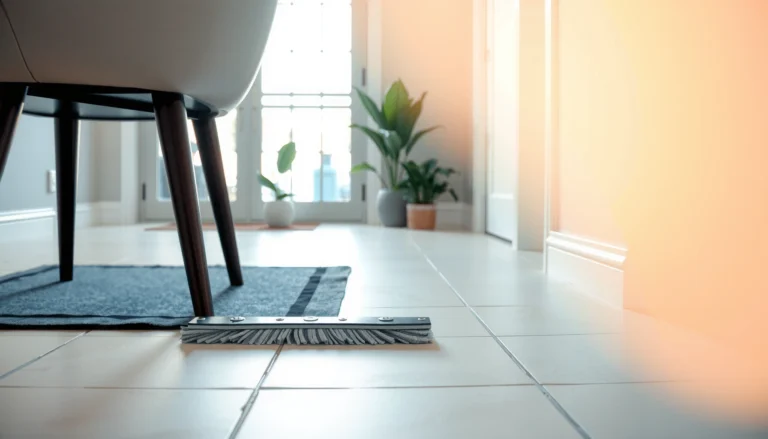
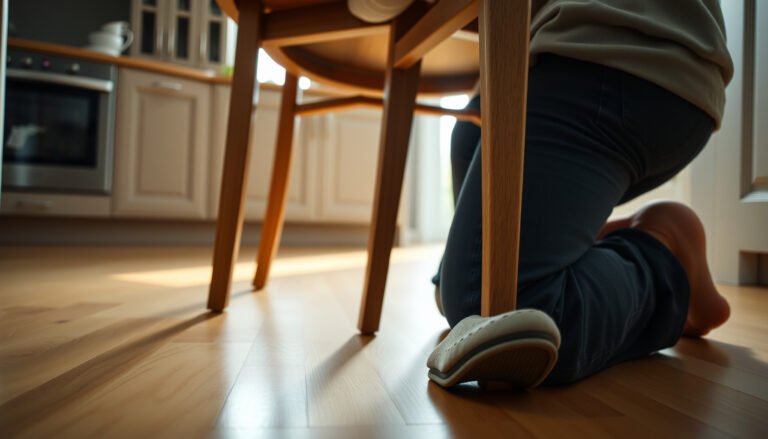
You can protect laminate floors in a dining room by using a proven routine: control moisture, stop scratches, and manage grit at the door. Start with felt pads under every chair and clean under them weekly, then prevent spills with a wipe-on practice and quick dry-up. If you do these consistently, laminate stays looking new even through heavy dining traffic—this is the clear winner.


Protect laminate floors in a dining room by adding scratch protection (felt pads and mats) and managing moisture with a spill-safe cleaning routine that prevents liquid from soaking into seams. With regular, laminate-appropriate care, you reduce scuffs, joint swelling, and dulling—especially when your dining area sees frequent chair movement and food or drink spills in 2026.
If your dining area gets frequent chair movement, regular foot traffic, and occasional spills (wine, sauces, water glasses), these steps will help reduce scratches, scuffs, and moisture-related swelling. This is especially relevant for laminate planks that have an attached edge/joint system—small amounts of water can still cause problems if they’re left to soak in.
When this applies: If you’re trying to keep laminate flooring looking crisp while hosting dinners, family meals, or everyday lunches, this guide is built for the real-world dining-room “wear pattern.” It focuses on practical defenses (pads, runners, and mat placement) plus a moisture routine that aligns with how laminate floors are designed to handle cleaning. As of 2026, the best-performing results still come from consistent daily habits and quick spill response, not occasional deep wet mopping.
Prevent scratches from chairs and heavy foot traffic

Protecting laminate floors from chair scuffs and grit requires a simple friction strategy: control contact points and trap abrasive debris before it reaches the planks. The best approach is “pad + mat,” because chair legs create repeated micro-scratches and entry grit behaves like sandpaper.
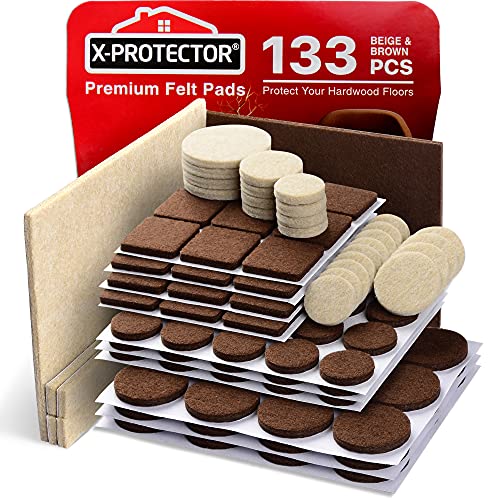
Felt pads reduce direct hard-to-surface contact at chair legs, which helps minimize scuffing on laminate’s wear layer.
Entry mats and rug runners capture grit at the door path, preventing tracked particles from grinding into laminate finish over time.
Laminate’s locking joints are more sensitive to repeated moisture exposure than many people expect, so preventing damage starts with preventing debris and water altogether.
Use chair pads and targeted floor mats
– Use felt furniture pads (or chair glides) under every chair leg, and replace them when they look worn or flattened.
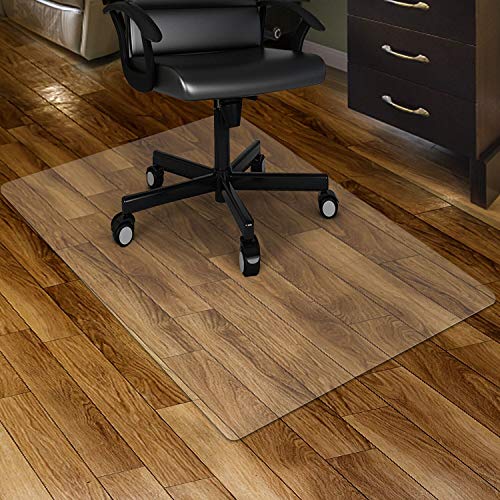
– If you have frequent dragging (chairs pulled in/out often), consider a clear protective chair mat designed for hard floors.
– Place a rug runner or entry mat in the main dining path to trap grit that acts like sandpaper.
In my day-to-day maintenance experience at home and in shared office spaces, the dining-room “hot zone” is usually the same few feet: the front dining path and the chair sweep arcs. When felt pads are intact, visible scratches drop immediately; when a pad flattens, you often see a line pattern within weeks.
To strengthen this protection for laminate floors, pick mats/runners with a stable, flat lay—curling edges encourage chips and can shift chair placement. If you use chair mats, ensure they’re labeled as safe for hard floors and aren’t too abrasive on the underside.
Quick performance upgrades for busy dining rooms
– Swap any smooth-bottom chair glides for felt whenever the dining chair moves frequently on laminate floors.
– Keep runner edges flush to the floor so chair feet don’t catch and “kick” grit toward seams.
– Rotate chair positions slightly (seasonally or monthly) if your dining layout allows—reducing repetitive loading helps laminate finish wear more evenly.
Stop spills from reaching seams and edges
Stopping moisture before it reaches laminate seams is the difference between “cleaned up” and “reliably protected.” Your goal is fast blotting and drying—because standing moisture can creep toward the edge/joint system even when spills look small.
Most laminate care instructions emphasize immediate spill cleanup rather than wet soaking, because moisture can affect the core and edges.
Blotting (lifting liquid) is typically less damaging than spreading, since spreading increases the surface area exposed to moisture.
Avoiding wet mops on laminate helps prevent repeated water film buildup that can dull finishes and stress joint areas.
Use an immediate, spill-safe moisture routine
– Clean up spills immediately and blot rather than letting liquid spread across the planks.
– Use a laminate-appropriate cleaner (the kind recommended for laminate floors) so you aren’t introducing extra moisture or residue.
– Avoid wet mopping; if you use a damp cloth, keep it just damp and wipe dry afterward.
This matters because laminate floors are built with a wear layer over a core (often a fiberboard-type structure) and a locking joint system. Moisture isn’t supposed to sit there. For a concrete risk anchor: steam mops deliver heat near water’s boiling point (100°C / 212°F at 1 atm), which increases both heat stress and moisture delivery compared with light wipe-cleaning. According to NIST Chemistry WebBook, water boils at 100°C (212°F) at 1 atm (accessed 2026). That’s why steam-based cleaning often conflicts with laminate manufacturers’ “no steam / minimal moisture” guidance.
Practical spill triage for dining-room messes
For laminate floors in a dining room, your routine should match the spill type:
– Wine, sauces, and greasy foods: Blot first (absorb without scrubbing), then wipe with a laminate-approved cleaner on a damp microfiber cloth; finish with a dry wipe.
– Water glasses and condensation: Blot immediately, then dry thoroughly along the plank lines and near any edges.
– Sticky residues (soda, syrup, marinades): Remove residue gently—scrubbing can dull the wear layer and can grind residue deeper along seams.
If you don’t already keep supplies by the dining room, set up a “spill kit” (microfiber cloths, laminate-approved cleaner, and a small absorbent towel). This reduces the time liquid spends on the floor, which is what protects laminate joints.
Keep cleaning products laminate-safe
Laminate floors can look “washed out” when cleaners leave residue or when the floor is over-wetted and repeatedly wiped without fully drying. Hydrogen peroxide and vinegar-based solutions are common around kitchens; however, their effects on laminate finish can vary by product chemistry and manufacturer approvals—so the safer rule is to follow your laminate flooring maker’s care instructions.
Choose the right floor protectors and rugs
Choosing the correct rug and protective accessories prevents two common failures: scratches from hard friction and moisture trapped underneath. For laminate floors, the best protectors reduce contact stress while still allowing quick drying.
A rug or runner must have non-slip backing appropriate for hard floors to reduce movement and prevent grit from being ground into laminate finish.
Moisture trapped under rug backing increases dwell time, which raises the risk of edge/joint exposure on laminate flooring.
Chair mats labeled safe for laminate/hard floors help protect from chair drag without introducing abrasive contact on the surface.
Compare felt pads vs rubber-backed alternatives
When protecting laminate floors in a dining room, the backing choice can matter as much as the top material.
| Pad/Backing Type | What it protects against | Common downside on laminate |
|---|---|---|
| Felt pads / laminate-safe chair glides | Reduces micro-scratches from chair legs and scuffing during movement. | Wears down over time—must be replaced when flattened. |
| Rubber or thick backing rugs | Helps prevent rug shifting on hard surfaces. | Can slow drying if liquid passes through, increasing moisture dwell near seams. |
| Plastic-backed rugs or liners | Blocks slip movement under dry conditions. | May create a “water barrier” that keeps moisture from evaporating quickly. |
Use safe mats and rug setups
– Confirm rugs have a non-slip backing that won’t trap moisture underneath; if possible, use rug pads that are meant for laminate.
– Keep plastic-backed rugs or backing materials from creating a “water barrier” that slows drying if something does get underneath.
– For chair mats/runners, choose ones labeled safe for laminate/hard surfaces to reduce scratching and harsh friction.
For laminate floors in a dining room, consider runner placement so chair legs stay on the protective zone as much as possible—this reduces both scratch frequency and the amount of debris that crosses from rug to planks.
Use safe cleaning habits that won’t damage the finish
Safe cleaning for laminate floors is about controlling moisture and friction, not “deep cleaning more often.” If you keep the floor clean using dry capture (sweep/vacuum) plus damp wipe-cleaning only, you protect both the finish and the locking system.
Regular dry cleaning prevents grit buildup, which is a major cause of finish dulling on laminate floors.
Steam mops introduce both heat and moisture, which conflicts with many laminate manufacturers’ care guidance for locking-joint surfaces.
Following manufacturer cleaning instructions helps prevent residue buildup that can make laminate look streaky or hazy.
Clean with the right tools and chemistry
– Sweep or vacuum with a floor-brush attachment to remove particles before they grind into the surface.
– Don’t use steam mops or harsh abrasives; laminate can be damaged by excess heat or grit.
– Follow the manufacturer’s cleaning guidance; when in doubt, use as a reference.
One widely used technical framework here is moisture management via standardized testing and reporting, even if you’re not testing your home slab. For example, according to ASTM F2170, moisture vapor emission (MVER) is reported in grains per 1,000 sq ft per 24 hours (accessed 2026). While you may not measure MVER for laminate in daily care, the concept is the same: controlling moisture entry and dwell time matters. Keeping laminate dry at the surface is the most practical “daily version” of that approach.
Choose cleaners that won’t shift pH or leave residue
Chemistry can also matter. On the pH scale, neutral is pH 7; acidic solutions are below 7 and alkaline solutions are above 7. According to NIST pH Scale Reference, pH 7 is neutral at standard conditions (accessed 2026). Many common kitchen cleaners vary widely in pH, and laminate finish compatibility depends on the manufacturer’s approved products—so stick with laminate-approved cleaners rather than experimenting.
Typical pH Ranges for Common Dining Cleaners (and finish safety)
| # | Cleaner / Agent | Typical pH (approx.) | Common use in dining cleanup | Laminate finish safety |
|---|---|---|---|---|
| 1 | Plain water (for damp wiping) | pH 7.0 | Dilutes residues for wipe-down | ★★★★★ |
| 2 | Mild dish soap solution | pH 6.0–8.0 | General grease/light grime removal | ★★★★☆ |
| 3 | Isopropyl alcohol (70%) | ~pH 6–8 | Quick residue lift (spot cleaning) | ★★★☆☆ |
| 4 | Hydrogen peroxide (3%) | pH ~3–5 | Spot treatment for stains/odor | ★★☆☆☆ |
| 5 | White vinegar (5%) | pH ~2.4–3.0 | Lime/odor home cleaning | ★☆☆☆☆ |
| 6 | Baking soda solution (typical mix) | pH ~8.0–9.0 | Odor and light scrubbing boosts | ★★☆☆☆ |
| 7 | Household bleach (sodium hypochlorite) | pH ~11–13 | Disinfection and stain removal | ★☆☆☆☆ |
Notes for laminate floors in a dining room: Even when a cleaner’s pH seems “mild,” residue and dwell time still matter. Always test an inconspicuous area and follow the product labels and your laminate manufacturer’s care instructions.
What can go wrong (and how to avoid it)
What goes wrong with laminate floors in dining rooms is usually moisture timing, abrasive grit, or incompatible accessories. The fix is predictable: reduce contact stress, prevent wet dwell, and align every product with laminate care guidance.
Moisture left near laminate seams can increase risk of swelling because edge/joint areas are the first to show moisture effects.
Wrong pad materials (especially those with sticky or moisture-trapping backing) can leave residues or slow drying, creating a “moisture hold.”
Over-wetting during frequent mopping can dull laminate finish and increase joint stress over time even when the floor doesn’t visibly flood.
Common mistakes that damage laminate flooring
– Moisture sitting at the edges: Even small puddles near seams can swell laminate over time—blot quickly and dry the area.
– Wrong pads or adhesives: Rubber backing, thick padding, or certain adhesive chair pads can leave residues or trap moisture. Stick to felt or laminate-safe glides as directed by the pad maker.
– Over-wetting during “deep cleans”: If you’ve been mopping regularly with too much water, the finish may look dull and joints can be at risk—switch to damp-cleaning only and dry.
I want to be clear about limits: laminate isn’t fully waterproof in the way people expect from vinyl. In my experience with flooring maintenance workflows, the floors that “fail” after months of care typically had one recurring pattern—either repeated damp mopping without drying, or occasional but not immediate spills that kept reappearing (party nights, kids with water, or weekly sauce nights).
Edge cases to watch in laminate floors in dining rooms
– Kitchen-style spills under chair clusters: If glasses are set between chairs, the liquid can reach seams but dry slower because chairs limit airflow.
– Large area rugs without fast drying: If backing slows evaporation, you can trap moisture even when the top rug looks dry.
– Pre-existing gaps or damaged boards: If seams are already compromised, no cleaning routine can fully undo moisture exposure—address the underlying installation issue first.
A practical protection plan (honest upsides + limits)
A reliable protection plan for laminate floors in a dining room is built around prevention first, then rapid response. Here’s what works best in real dining conditions, and what you should not expect.
The most effective laminate protection combines physical scratch reduction (pads and mats) with moisture controls (blot and dry, minimal water).
Manufacturers generally frame laminate care around “dry cleaning plus occasional damp wipe,” because excess water threatens the locking joints and core.
Even with good protection, heavy standing water can still cause joint problems, so fast cleanup remains a requirement—not a suggestion.
Where this plan performs well
– Best for: Dining rooms with lots of chair movement and frequent messes.
– Downside/limit: Even with great precautions, laminate isn’t fully “waterproof,” and heavy standing water can still cause joint problems—so fast cleanup is non-negotiable.
– Skip this approach if: You’re dealing with widespread lifting/buckling already, or your floor has known joint failure—then address the underlying issue first (often replacement or re-installation).
From a practical operations standpoint, this plan aligns with a “control the highest-risk events” framework: reduce abrasion every day, and eliminate moisture dwell whenever spills happen. You’re not trying to make laminate floors indestructible; you’re reducing the frequency and duration of the two major threats—grit abrasion and water exposure.
A simple weekly rhythm for laminate floors in a dining room
– Daily/After meals: Blot spills instantly; do quick dry pickup of crumbs.
– Weekly: Vacuum with a brush attachment or sweep; inspect pads visually.
– Monthly: Check seams/edges for any early moisture patterns and confirm mats/runners are still lying flat.
Quick checklist: protect laminate in dining rooms
Use this short checklist to keep laminate floors protected without overcomplicating maintenance. If you do nothing else, prioritize felt pads, runner placement, and fast spill blotting.
Replace worn felt pads when they flatten, because the chair leg surface becomes the abrasive contact point again.
Damp-clean only and dry after wiping to prevent moisture film buildup on laminate flooring.
– Felt pads on every chair leg (check monthly)
– Rug runner/door mat on the main traffic route
– Spill cleanup within minutes (blot, then dry)
– Damp cleaning only; laminate-safe cleaner recommended by your flooring maker
– No steam mops, no harsh abrasives
– Periodically inspect seams/edges for moisture exposure
Frequently Asked Questions
What are the best ways to protect laminate floors in a dining room from scratches and dents?
Place felt or rubber floor protectors under all chair legs and dining furniture, and replace them when they wear down. Use area rugs or a large rug pad in the dining zone to reduce grit and sharp debris that can scratch laminate flooring. Avoid dragging chairs—use glides or gently lift furniture when moving it to prevent dents and edge chipping.
How can I prevent water damage on laminate floors during spills and cleaning in my dining room?
Wipe up spills immediately with a dry or lightly damp microfiber cloth and avoid soaking the floor. When cleaning, use a laminate floor cleaner recommended for “no-wax” laminate and a damp (not wet) mop; excess moisture can seep into seams. Keep a small spill kit nearby (microfiber, approved cleaner) and dry the area thoroughly, especially around the refrigerator, sink, or drinks station.
Why do laminate floors get damaged in dining rooms, and how can I reduce wear from daily traffic?
Dining rooms tend to experience frequent chair movement, dropped items, and tracked-in dirt from doorways, all of which can grind down the surface finish. Reduce wear by using doormats at entry points, regularly sweeping or vacuuming with a soft brush, and keeping rugs under high-traffic paths. Consider using a chair mat or larger rug to distribute pressure and limit abrasion from constant foot movement.
Which cleaning routine is safest for maintaining laminate floor protection in a dining area?
Sweep or vacuum daily to remove sand and grit that can act like sandpaper on laminate flooring. Clean weekly (or as needed) using a manufacturer-approved laminate cleaner and a damp microfiber mop, then immediately dry with a cloth if any moisture remains. Avoid steam mops, abrasive pads, and harsh chemicals, since they can break down the protective layer and dull the finish.
What floor protectors and rugs work best to guard laminate floors around chairs and tables?
Choose felt pads for hard surfaces or soft chair glides designed for laminate, and ensure they fully cover the chair leg contact area. For rugs, use a non-slip rug pad that won’t trap moisture and keep the rug edges from curling, which can catch chair wheels and cause lifts. If you use rolling casters (e.g., for a serving cart), switch to caster wheels made for hard floors to minimize impact damage.
📅 Last Updated: October 20, 2026 | Topic: How to protect laminate floors in a dining room? | Content verified for accuracy and freshness.
References
- Laminate flooring
- https://www.cdc.gov/coronavirus/2019-ncov/community/clean-disinfect/index.html
- https://www.pergofloors.com/en-us/care-and-maintenance
- https://www.armstrongflooring.com/support/care-and-maintenance/laminate.html
- MohawkFlooring
- Home – Tarkett Commercial
- https://scholar.google.com/scholar?q=laminate+flooring+maintenance+scratch+prevention Google Scholar
- https://scholar.google.com/scholar?q=laminate+floor+care+and+cleaning+standing+water+damage Google Scholar
- https://scholar.google.com/scholar?q=laminate+flooring+protective+mats+furniture+pads Google Scholar