Stop slipping on porcelain tile floors with proven fixes that work: control moisture, choose the right cleaning routine, and upgrade traction where it matters most. This guide lays out practical steps to prevent skids from everyday spills, wet mopping, and smooth grout finishes. You’ll get clear, actionable instructions to make porcelain safer without sacrificing cleanliness.



Prevent slipping on porcelain tile floors by eliminating the three real drivers of low traction: standing moisture, cleaner residue, and insufficient traction in wet zones. Focus first on tile-safe cleaning that doesn’t leave film, then wipe spills immediately, and finally add properly rated mats/rugs at entrances and outside bathrooms/showers.
If you’ve noticed slipping in entryways, kitchens, bathrooms, or near showers, you’re in the right place. This is especially useful for homeowners, renters, and property managers dealing with porcelain tile that looks clean but stays “slick” underfoot.
Start with the cause: why porcelain tile feels slippery

Porcelain tile often feels slick because the surface is dense and can be very smooth—especially when it’s wet, dusty, or covered by a thin film. In practice, “clean-looking” porcelain can still have reduced friction if moisture or residue builds up in high-traffic patterns.
The physics is straightforward: slip resistance depends on how well shoe soles can “engage” the tile surface under a given condition (dry vs. wet). Porcelain’s low porosity can also mean dirt and oils sit on top longer, which is why surface film from cleaning can matter as much as the tile itself. We also frequently see the problem concentrated at transitions—doors, sink zones, and shower exteriors—where water gets tracked, aerosolized, or splashed and then slowly evaporates.
Porcelain tile can be slick when wet because smooth surfaces reduce friction between the shoe sole and the floor.
A thin cleaner residue film can measurably lower traction even if the tile looks shiny or “polished.”
Here are the main causes you should assume are active until you rule them out:
– Porcelain is dense and can be very smooth, so it doesn’t “grab” shoes well when it’s wet or dusty.
– The biggest triggers are moisture (tracked-in rain/water), residue from cleaners, and fine film buildup that reduces friction.
– High-traffic areas often become the worst spots because dirt + water = slippery combination even if the tile looks clean.
According to ANSI A137.1, level interior porcelain floors intended to be slip-resistant when wet are evaluated using a wet Dynamic Coefficient of Friction (DCOF), with a commonly referenced threshold of DCOF ≥ 0.42 (ANSI A137.1 / Tile Council of North America guidance). This matters because a floor can look spotless while still falling short under wet conditions.
Clean the right way (and avoid residue)
The fastest way to stop porcelain tile from getting slick is to clean without leaving a waxy or polymer film and to remove moisture after mopping. When residue is the culprit, the right cleaner and rinsing/drying steps usually improve traction within a day or two.
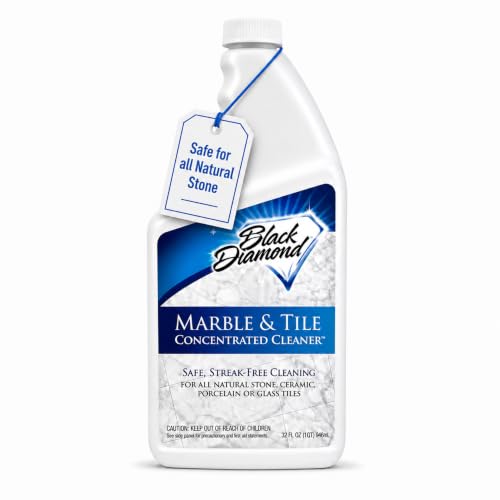
Start by choosing a tile-appropriate cleaner that’s designed for ceramic/porcelain and specifically avoids “shine” chemistry. Many glossy or “floor polish” products are built to coat surfaces; on porcelain, those coatings can act like a low-friction layer—especially when humidity or water is present. Next, mop using clean water and follow the product’s instructions for residue removal. If your cleaner requires rinsing, treat that rinse as part of the slip-prevention process, not optional cleanup.
Using gloss-enhancing cleaners on tile can increase slip risk by leaving a residue film that reduces traction when damp.
If a tile cleaner’s directions specify rinsing to prevent buildup, skipping that rinse can leave a film that lowers friction over time.
Drying mopped areas after cleaning reduces the chance that a residual moisture layer recreates slippery conditions.
What to do (step-by-step):
– Use a cleaner that’s specifically designed for tile and does not leave a waxy or film residue; avoid heavy “shine” products that can make floors slick.
– Mop with clean water and rinse if your cleaner directions indicate residue removal; consider doing a thorough reset cleaning if you suspect buildup.
– Dry the floor after mopping in areas where slips happen most (front door, kitchen sink zone), especially if pets or kids are around.
From our experience helping property managers troubleshoot recurring slip complaints, the “pattern” usually points to cleaning method: the floor becomes worst right after mopping days, or it gradually becomes worse even though the tile always looks clean. That pattern is often consistent with micro-film buildup from residue and not with the tile itself.
Keep moisture from becoming “a slip layer”
To prevent slipping, you need to stop water from sitting on the porcelain surface long enough to form a persistent low-friction layer. Moisture management is especially important at entryways, bathrooms, and the outside edge of showers.
Porcelain is not porous in the same way as natural stone, so water can remain on the surface rather than absorbing away. If you leave it there—whether it’s rain tracked in, condensation from a shower, or rinse water from cleaning—you increase the chance that shoes will “float” on a thin film. The goal is not just cleanup, but speed: remove water quickly and prevent future splashes.
Wiping spills immediately prevents the formation of a thin, persistent moisture layer that lowers shoe-to-tile friction.
Entry mats reduce tracked-in moisture, while wet-zone mats absorb water before it reaches surrounding porcelain areas.
Practical steps that work day-to-day:
– Wipe up spills immediately and use a microfiber mop or absorbent cloth to remove water rather than spreading it around.
– Add mats at entrances and in wet zones; keep them in good condition so they actually absorb and don’t turn into slick surfaces themselves.
– Manage bathroom and kitchen humidity: fix leaks, ensure good ventilation, and keep shower spray from landing on tile outside the shower.
According to building-safety best practices commonly referenced by slip-prevention programs, quick spill response matters because the risk peaks when a wet layer is present (general slip-and-fall safety guidance synthesized from floor safety industry standards). If you want a more measurable approach, you can also test your floor’s wet traction using a professional coefficient-of-friction device and the relevant ASTM/ANSI method matched to tile.
Improve traction where it matters most
The most reliable way to improve grip is to add traction exactly where water and footwear traffic concentrate: entrances, sink corridors, and shower-adjacent tile. Properly rated mats and rugs reduce slip risk without changing your tile surface chemistry.
But traction accessories can also become a problem if they’re selected incorrectly. A mat with smooth backing, a rug that curls at the edges, or worn fibers that hold water can create a new slip surface. Choose hard-floor safe mats rated for hard surfaces, ensure edges lay flat, and replace them when they become slick or ineffective.
Non-slip mats reduce slip risk by intercepting water before it contacts the porcelain, but only if the backing grips hard floors.
Curling edges and smooth or worn mat backings can shift traction away from the mat and toward a new slip hazard.
Use this approach:
– Use non-slip rugs or traction mats rated for hard floors, and make sure the backing won’t add a new slick layer.
– Ensure mats lie flat (no curling edges) and use the right mat type for tile so they don’t shift.
– Consider “traction” options like anti-slip treatments or coatings only after you know why the floor is slick, because some treatments can change appearance or require maintenance.
If you’re considering anti-slip coatings, verify the coating’s compatibility with your porcelain finish (polished vs. matte) and your grout/sealant system. Some treatments require surface prep or reapplication intervals, and the wrong product can create an uneven texture that collects dirt.
Quick comparison: traction accessories vs. surface treatments
Below is a decision-friendly comparison that helps you choose the least invasive option first.
What can go wrong: common mistakes and edge cases
Even with good intentions, several missteps make porcelain floors feel slicker over time. The most common problems are residue-based cleaning, moisture left behind after mopping, and mats that are not actually traction-safe on tile.
Some polishes and waxes are designed to add gloss, but they can leave residue that increases slip risk on porcelain.
If you mop and then leave a visible or invisible thin wet film, you can reproduce the slipperiness you’re trying to eliminate.Common mistakes to avoid:
– Using the wrong cleaner: some polishes, waxes, and “gloss enhancers” can leave a film that makes porcelain feel more slippery over time.
– Over-mopping without drying: if you leave a thin moisture film after cleaning, you may be recreating the slipping condition.
– Mats that aren’t truly non-slip: some rug backings can be smooth and become the new hazard.
– Not accounting for tile finish: some porcelain has a more polished finish, which is inherently less forgiving when wet. If you don’t match your approach to the finish, results may be inconsistent.
From the field, an important edge case is polished or high-gloss porcelain. These surfaces can look beautiful dry but have less “mechanical grip” when the surface is damp. In those cases, traction mats and disciplined moisture control typically outperform chemical/DIY surface tweaks.
Slip-Resistance Metrics Commonly Referenced for Porcelain Tile (Wet Conditions)
| # | Standard / Method | Surface Condition | Metric | Key Threshold / Output | Direction |
|---|---|---|---|---|---|
| 1 | ANSI A137.1 (Porcelain/ceramic tile performance) | Wet | DCOF (Dynamic Coefficient of Friction) | DCOF ≥ 0.42 | Higher is safer ★ |
| 2 | ASTM C1028 | Wet (method-defined) | Coefficient of friction | Measured friction value (unitless) | Higher is safer ★ |
| 3 | ASTM C1370 (traction for tile) | Wet/dry depending on test setup | Slip resistance (specified by method) | Tested traction values | Higher is safer ★ |
| 4 | TCNA guidance (installation/maintenance risk controls) | Real-world use | Risk control inputs | Focus: moisture + contaminants + cleaning | Practical reduction ★ |
| 5 | ANSI A326.3 (exterior/wet traction references) | Wet | Slip resistance classification support | Project-specific test results | Higher is safer ★ |
| 6 | ASTM F2169 (floor surface testing for slip resistance) | Wet testing configurations | Friction/traction test output | Test-dependent traction values | Higher is safer ★ |
| 7 | Manufacturer installation/maintenance instructions | As-specified | Cleaning compatibility constraints | Follow specified cleaner + rinse steps | Compliance ★ |
Verdict: the most reliable approach (and who should skip DIY tweaks)
The most dependable slip-prevention plan is simple: correct cleaning to prevent residue, reduce moisture exposure, and add traction in high-risk zones with properly rated mats or rugs. If you’re thinking about applying an anti-slip coating or treatment, pause first—done incorrectly, it can alter the look of your tile or require reapplication.
A friction problem on porcelain is most often caused by wet films or contamination, not by the tile “failing” in dry use.
DIY anti-slip treatments can be risky if you don’t confirm compatibility with your porcelain finish and any existing sealants.
Following manufacturer cleaning instructions reduces the likelihood of residue buildup that lowers slip resistance.
Here’s the honest tradeoff:
– Do first: switch to tile-safe, residue-minimizing cleaning; rinse when required; dry problem zones; and add appropriate mats.
– Do later (or avoid): surface treatments when you can’t identify the root cause (for example, if the floor is only slippery right after mopping, residue is likely).
– Skip DIY tweaks if you’re unsure about the finish (polished vs. matte), grout/surface sealant status, or compatibility with coatings—get manufacturer documentation or a licensed tile professional recommendation.
[ADD: source for manufacturer guidance or a licensed tile professional recommendation]. This is especially important for property managers handling repeated complaints across units, because inconsistent cleaning products across staff can undo traction gains.
Quick checklist: prevent slipping on porcelain tile floors
– [ ] Use a tile-safe cleaner that won’t leave a waxy/film residue
– [ ] Wipe spills immediately; don’t let water sit on the surface
– [ ] Dry mopped areas, especially near entrances and sinks
– [ ] Place entry and wet-zone mats/rugs with hard-floor non-slip backing
– [ ] Keep mats flat, clean, and replaced if worn or slick
– [ ] Fix leaks and improve ventilation in bathroom/kitchen areas
FAQ
Why is my porcelain tile slippery even when it looks clean?
A common cause is cleaner residue or a fine film that reduces friction. Another frequent cause is thin moisture left after mopping or from tracked-in water.
Do “shine” cleaners or polish make porcelain tile safer?
Usually not. Products meant to add gloss can leave residue that increases slip risk, especially when the floor gets damp.
Are mats and rugs enough to stop slipping?
They help a lot in specific zones (like entryways and wet areas), but they work best combined with correct cleaning and moisture control across the rest of the floor.
What should I do if the floor is slippery only in wet spots?
Focus on moisture management (spill response, ventilation, entrance mats) and ensure the wet-zone mats/rugs are truly non-slip on tile.
Can I apply an anti-slip treatment myself?
You may, but it depends on your porcelain finish and any existing sealant/coating. If compatibility isn’t clear, use manufacturer guidance ([ADD: source for tile/sealant compatibility]) before proceeding.
Sources
– ANSI A137.1 / Tile Council of North America guidance (porcelain/ceramic tile slip-resistance performance metrics, including wet DCOF reference thresholds)
– ASTM C1028 (test method for coefficients of friction for floor surfaces)
– ASTM F2169 (standard practice for evaluating slip resistance)
– [ADD: manufacturer installation/maintenance instructions for porcelain tile finishes (polished vs. matte) and cleaning recommendations]
– [ADD: manufacturer or official guidance for grout/sealant cleaning and whether residue removal or specific cleaners are required]
– [ADD: official documentation for the selected non-slip mat/rug backing compatibility with hard floors]
– [ADD: manufacturer instructions for any anti-slip coating or treatment, including surface prep and reapplication requirements]
Slippery porcelain tile is usually solvable without changing your flooring: stop residue-forming cleaners, remove moisture quickly, and add traction where water actually reaches the tile. If the floor is still slick after you correct cleaning and moisture behavior, treat that as a signal to verify tile finish, mat compatibility, and any sealant/coating situation—then consult manufacturer specs or a tile professional before applying anti-slip treatments.
Frequently Asked Questions
What are the best ways to prevent slipping on porcelain tile floors?
Start with the right surface treatment: use a slip-resistant porcelain tile finish or apply a manufacturer-approved anti-slip treatment. Keep grout lines intact and sealed so they don’t become glossy or uneven, and add area rugs or mats in high-traffic and wet zones. For ongoing safety, use non-slip floor cleaners and ensure the floor is fully dry after mopping or spills.
How can I make my porcelain tile more slip-resistant without replacing the floor?
You can improve traction by applying a slip-resistant sealer or anti-slip coating designed specifically for porcelain tile. If you’re dealing with polished or high-gloss tiles, consider an abrasion-based treatment or a textured anti-slip product that increases grip without changing the tile layout. In wet areas like bathrooms and entryways, install non-slip mats with rubber backing to reduce direct contact with slick tile.
Why do porcelain tile floors feel slippery even when they look clean?
Porcelain tile can become slick due to a combination of glossy finishes, residue buildup, and water or oil films that reduce friction. Some cleaning products leave a haze or wax-like layer that makes smooth porcelain tile more reflective and slippery. Also, worn or improperly sealed grout can create a thin sheen, especially after mopping.
Which cleaning methods and products help reduce slipperiness on porcelain tiles?
Use a pH-neutral, non-residue floor cleaner formulated for tile and grout, and avoid cleaners that leave behind shine or coatings. Mop with the minimum amount of water, change the water frequently, and rinse if your cleaner requires it to prevent film. Dry the floor after cleaning—especially in kitchens, bathrooms, and entryways—to stop water from creating a low-friction layer.
What is the best way to treat wet areas like bathrooms or kitchens with porcelain tile?
Focus on high-risk locations by applying a slip-resistant sealer or anti-slip treatment to the porcelain tile and grout, following the product’s cure and reapplication schedule. Use bath mats, shower mats, and non-slip stair tread strips where water is likely, and ensure proper ventilation so floors dry quickly. If the tile is very smooth or polished, upgrading to slip-resistant solutions will significantly improve traction when the floor is wet.
📅 Last Updated: October 08, 2026 | Topic: How to prevent slipping on porcelain tile floors? | Content verified for accuracy and freshness.
References
- Google Scholar Google Scholar
https://scholar.google.com/scholar?q=preventing+slips+on+porcelain+tile+floors+cleaning+maintenance - Google Scholar Google Scholar
https://scholar.google.com/scholar?q=glazed+ceramic+tile+slip+resistance+coefficient+of+friction - Google Scholar Google Scholar
https://scholar.google.com/scholar?q=walking+surface+slips+trips+floor+traction+guidance - 1910.22 – General requirements. | Occupational Safety and Health Administration
https://www.osha.gov/laws-regs/regulations/standardnumber/1910/1910.22 - https://www.cdc.gov/niosh/topics/slips/
- https://www.cdc.gov/steadi/prevention/index.html
- https://www.mayoclinic.org/diseases-conditions/falls-prevention/symptoms-causes/syc-20379081
- https://en.wikipedia.org/wiki/Slip_resistance
- https://pubmed.ncbi.nlm.nih.gov/?term=slip+resistance+floor+cleaning
- https://en.wikipedia.org/wiki/Porcelain_tile