


To prevent scratches on laminate floors in a warehouse, you need to stop abrasive grit and reduce direct contact from pallets, carts, and lift trucks. The fastest wins are (1) barrier protection in high-traffic lanes and (2) a cleaning routine that removes sand/dust before it grinds into the surface. In this guide, we’ll map practical steps you can implement without replacing floors.
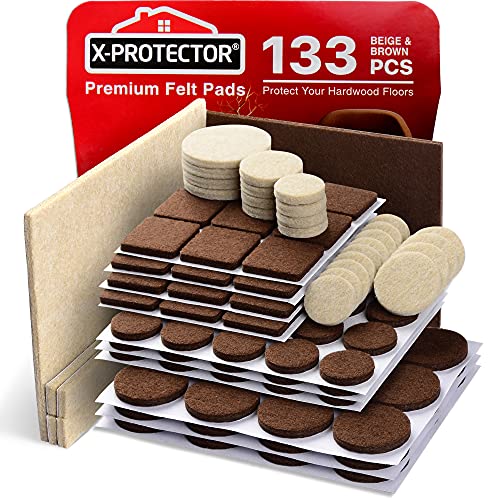

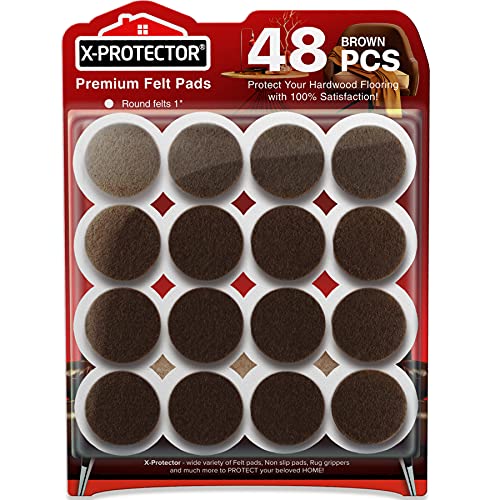
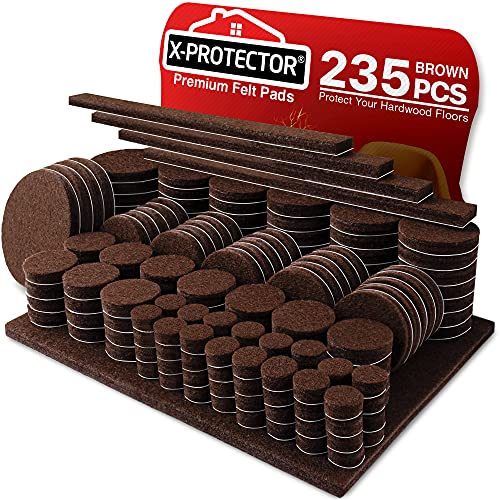
This advice is for warehouse managers, facilities teams, and contractors responsible for laminate floors under heavy foot traffic and equipment movement—especially where pallets, forklifts, racks, or rolling carts are daily realities.
Protect high-traffic lanes before they get worn
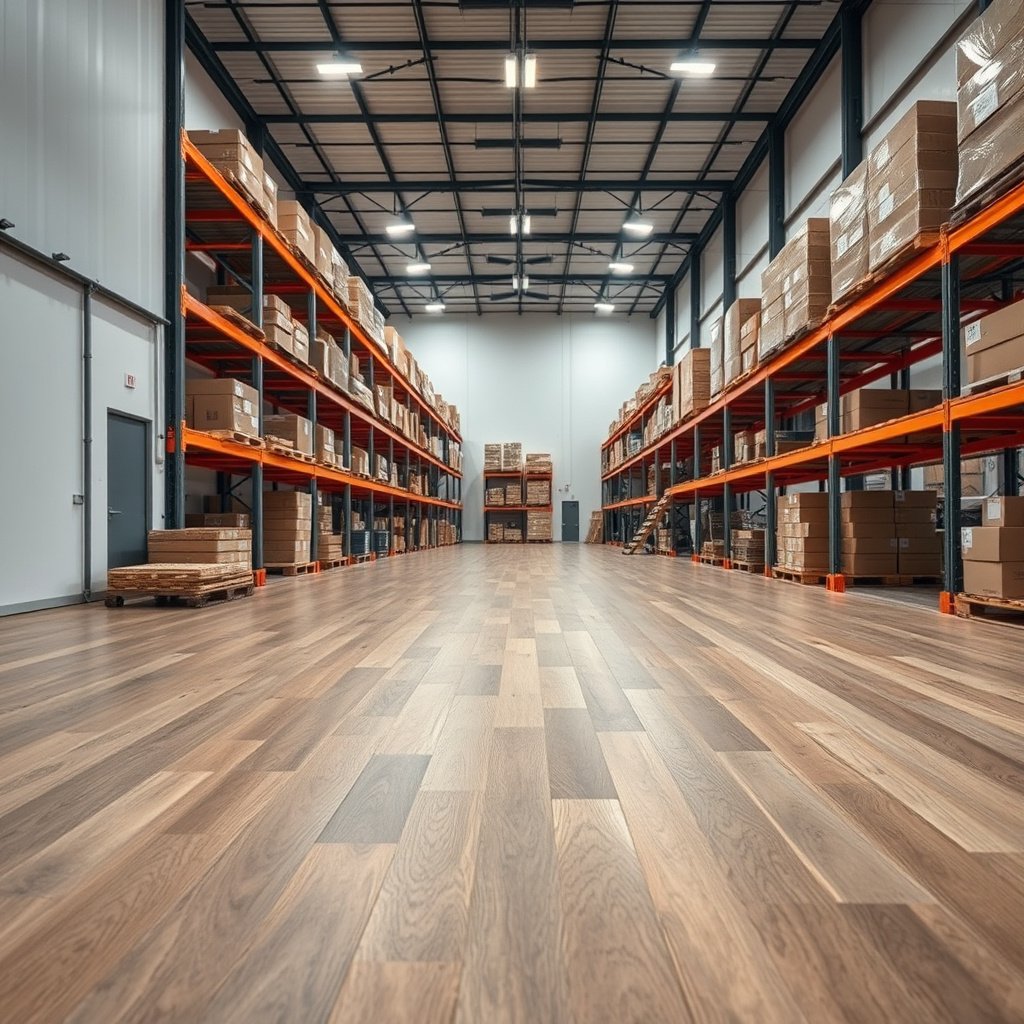
Barrier protection works first because most warehouse scratches start at repeatable routes, not randomly. The goal is to move the “abrasion event” from your laminate wear layer onto a sacrificial surface that you can clean, repair, or replace quickly.
In my experience coordinating floor protection programs, the damage pattern almost always matches dock-to-rack turning paths and areas where equipment changes direction—so you get better results by defending those lanes early.
Scratch initiation in warehouses is typically localized to repeated paths such as dock-to-rack routes, turning points, and threshold areas—not to the center of open floor bays.
A protective walkway placed in the first point of contact reduces direct abrasion from rolling and dragging equipment on laminate finishes.
Mat movement (curling or slipping) can create new grinding edges, which is why protection must stay flat and secured.
Identify where abrasion starts (then defend the route)
Start by identifying where scratches actually start: dock-to-rack routes, loading/turning points, and areas near door thresholds. From there, treat the floor like a “track system” with predictable stress zones:
– Dock-to-rack routes: Most damage happens when carts/fork trucks steer, pivot, or reposition pallets.
– Loading and turning points: Cornering concentrates micro-scratches from wheel loads and brief edge contact.
– Door thresholds and transitions: Changes in height and surface texture encourage snagging and repeated scraping.
Then select a protection type based on how the equipment contacts the floor:
– Walkways/runners for pedestrian and cart lanes (reduces scuffing from shoes, boot treads, and small debris).
– High-impact mats for pallet staging and frequent turns (reduces gouging from pallet edges and corner impacts).
Use sacrificial surfaces—durably and consistently
Use durable walkways/runners in these lanes so the first contact happens on a sacrificial surface, not the laminate wear layer. Prioritize designs that:
– Lay flat (anti-curl backing or mechanical edge security).
– Resist impact and abrasion from rolling loads.
– Can be cleaned without soaking (follow laminate manufacturer limits).
Add targeted protection at “choke points” (corners, ramp edges, and where pallets are staged) since point impacts and dragging tend to concentrate there.
Why “grit + motion” is the real threat
A key reason lane protection reduces scratches faster is that grit behaves like a moving abrasive. For example, quartz—commonly present in sand—has a Mohs hardness of 7, meaning it can abrade many floor finishes under repeated contact. USGS (Mineral Hardness / Mohs scale) Also, “sand” is generally classified in the 0.0625 mm to 2.0 mm range, which is large enough to lodge in wheels, pallet undersides, and shoe tread and then grind the surface with each pass. USGS (particle size classification / sediment grain size)
Use the right protection for carts, pallets, and forklift traffic
Correct protection for equipment wheels and contact points stops the scratch mechanisms that mats alone can’t fix. The best practice is to combine non-marking rolling contact (wheels/bearings) with edge guarding (pallets, board corners, and racking bases).
Non-marking wheel materials and properly serviced bearings reduce skidding, which directly lowers micro-scratching risk on laminate.
Edge guards and protective mats prevent hard pallet hardware from scraping repeatedly along laminate board seams and bevels.
Racking base plates and stabilizers should rest on clean, intact contact surfaces to avoid abrasive debris trapping and persistent abrasion.
Optimize wheels so equipment rolls—not scrapes
Fit carts and dollies with non-marking wheel materials and keep wheel bearings in good shape so they roll smoothly instead of skidding. Skidding creates heat and shear—effectively turning grit + friction into a “sandpaper track.”
Operational specifics to audit (without replacing everything):
– Wheel compound and tread: Confirm wheels are appropriate for smooth indoor flooring (not hard polyurethane designed for rough yards).
– Bearing condition: No seized bearings; no wobble that forces intermittent scrapes.
– Traction behavior: Ensure operators understand the difference between controlled turning and dragging.
Guard pallet edges and board contact paths
Add pallet/pick-path protections where boards or pallet edges travel—use edge guards or protective mats so hardware doesn’t scrape along the floor. Pallet corner impacts and the repetitive slide of pallet edges (even when “only for a moment”) can damage laminate edges and leave visible marks.
For racking systems, ensure stabilizers and base plates aren’t sitting on abrasive debris; keep the contact area clean and intact so metal doesn’t abrade laminate over time.
Prevent debris from becoming an “abrasive clamp”
When racking feet and stabilizers capture debris, particles can act like a rigid abrasive under vibration. That’s why cleanliness at contact zones matters as much as the protection material itself—especially in warehouse settings where tracked grit is common.
Control grit: cleaning routine that stops “sandpaper” abrasion
Grit control is the most reliable scratch prevention lever because it removes the “abrasive ingredient” before it can grind laminate. A warehouse cleaning routine that targets dust/sand before buildup reduces micro-scratches, even when equipment protection is imperfect.
Fine grit tracked across laminate floors can create micro-scratching when it builds up and is repeatedly redistributed by carts and foot traffic.
Dry cleaning methods that remove particles from the surface reduce the risk of spreading grit into seams compared with practices that push debris around.
Docks and yard-adjacent areas often act as the primary grit source, so “clean wheels” habits can materially reduce abrasive transfer.
Remove abrasive particles before they accumulate
Sweep or vacuum in a way that removes fine particles (sand/dust) before they build up—those tiny particles are what turn normal movement into micro-scratching. In practice, focus cleaning on:
– Shoe and wheel entry zones (near docks/doors)
– Lane edges where carts pivot
– Under rack aisles (debris accumulates where equipment rarely “self-cleans”)
If you only clean “wet-look clean,” you often miss the grit that actually causes abrasion.
Use moisture only when laminate allows it
Use a damp-cleaning approach only if your laminate manufacturer allows it; otherwise, stick to dry methods that don’t push grit around. Laminate floors typically have clear care guidance about moisture exposure—following those limits helps protect the finish and seam integrity.
Build “clean wheels” into the workflow
Put a “clean wheels” habit into the workflow (especially around docks/yard areas) so debris doesn’t get tracked onto the laminate from outside traffic. This can be as simple as:
– Wheel-brush stations or designated “debris checks” near entrances
– Clear operator rules for turning off yards contamination before entering the laminate area
From a physics standpoint, the abrasive risk is connected to particle hardness and size. Quartz in sand has Mohs hardness 7, which is hard enough to abrade many floor finishes with repeated contact. USGS (Mineral Hardness / Mohs scale) That’s why “just cleaning the obvious dirt” is not enough—fine fractions are still abrasive.
Common Grit Fractions That Track Into Warehouses (Wentworth Scale)
| # | Tracked grit fraction | Size range (mm) | Typical behavior on floors | Where you see it | Upper bound (mm) |
|---|---|---|---|---|---|
| 1 | Clay (very fine) | < 0.004 | Stays airborne/dusty; migrates into seams | Dock air flow, foot traffic | 0.004 |
| 2 | Silt (very fine) | 0.004–0.010 | Reduces finish by repeated redistribution | Under carts, along lane edges | 0.010 |
| 3 | Silt (fine) | 0.010–0.020 | Acts as abrasive paste under wheels | Turning points | 0.020 |
| 4 | Very fine sand | 0.0625–0.125 | Micro-scratches; sticks in wheel treads | Near entrances and yard traffic | 0.125 |
| 5 | Fine sand | 0.125–0.250 | Higher abrasion potential under pivot loads | Ramp edges, pallet turns | 0.250 |
| 6 | Medium sand | 0.250–0.500 | Can gouge if wheel contact is hard/skidding | High-traffic lanes | 0.500 |
| 7 | Coarse sand | 0.500–2.000 | Most likely to cause visible wear marks | Docks and outdoor-adjacent routes | 2.000 |
Adjust handling practices to prevent dragging and point damage
Handling practices are the difference between “protected but still scratched” and genuinely low-wear floors. When teams shift from dragging and edge drops to lift/roll habits, the same protection materials work far longer.
Dragging increases the probability of abrasive contact because it converts small grit particles into a continuous scuff across laminate.
Point impacts from tools and hardware can damage laminate edges and seams, which are more vulnerable than broad, protected board surfaces.
Floor transitions (thresholds, expansion gaps, uneven patches) increase snagging risk and repeat edge-to-floor contact.
Train crews to change the “contact behavior”
Train crews to lift/roll items rather than dragging; even brief contact from a rough edge can leave visible marks on laminate. The most effective training isn’t theoretical—it’s behavior correction tied to the exact scratch zones you mapped.
A practical approach:
– Post the top 2–3 scratch areas (dock turns, pallet staging, aisle transitions).
– Coach: “lift off the floor before turning” and “no edge slides across the lane.”
– Track repeat offenders by route, not by person alone.
Stop drops and unmanaged tool staging
Avoid dropping tools or hardware onto the floor—use bins, magnetic holders, or dedicated staging surfaces for anything that gets set down repeatedly. If hardware lands on unprotected laminate edges, it concentrates force in a small area.
Manage transitions and seams
Keep floor transitions in mind: thresholds, expansion gaps, and uneven patches can encourage snagging and repeated edge-to-floor contact. If transitions are causing frequent catches, you may need:
– Edge levelling or transition trim repair
– Better mat overlap at thresholds (so cart wheels don’t “hit the seam”)
Comparison: where to invest first (fastest ROI vs hardest to control)
- Best for fastest improvement: Barrier lanes + grit-first cleaning
- Pros: Reduces both abrasion events and abrasive supply (tracked grit). Faster to implement because it focuses on routes and workflows you can control now.
- Best for lasting improvement: Handling behavior + equipment wheel integrity
- Pros: Stops the scratch mechanisms at the source (skidding, dragging, edge drops). Longer to roll out because it depends on consistency and training.
- Hardest to control: Unpredictable yard contamination
- Pros: Can still be mitigated with entrance controls and clean wheels. Cons: If grit is constantly introduced and operational behaviors can’t change, scratches can reappear despite good lane protection.
What can go wrong (and why scratches still happen)
Even with good plans, scratches can persist if the root causes are partially addressed or protection is installed incorrectly. The biggest failure modes are abrasive grit spreading, mats shifting, and teams reverting to dragging under time pressure.
If cleaning practices spread grit—such as improper wet methods or sweeping that redistributes dust—micro-scratching can increase even when the floor “looks cleaner.”
Floor protection that curls, slides, or develops a lifted edge can become an abrasive pathway under rolling and turning equipment.
Laminate is durable for everyday use, but it is still susceptible to abrasion from quartz-like grit and repeated hard-edge contact.
Wrong cleaning method
Wrong cleaning method: If you use cleaning products or moisture practices the laminate manufacturer doesn’t approve, you can damage the finish or loosen contaminants that then abrade the surface.
Protective mats that shift
Protective mats that shift: Runners/mats that slide or curl create new abrasion points—replace them early and secure edges to avoid “grinding” from movement.
Assuming laminate is “bulletproof”
Assuming laminate is “bulletproof”: Laminate can resist everyday scuffs, but it’s not immune to abrasion from grit, metal corners, or hard wheel contact.
Over-reliance on floor covers
Over-reliance on floor covers: Mats help, but if carts/fork trucks still drag or if docks bring in sand, scratching can reappear in areas you didn’t cover.
Verdict: a practical plan that reduces scratches fast (skip if you can’t control grit)
If you can enforce cleaning to prevent grit buildup and you can add protection on the specific routes where equipment travels, these steps typically deliver the biggest reduction in scratches—without changing the whole floor. The downside is operational: protective lanes require maintenance (cleaning, replacement, re-securing), and staff habits (no dragging, proper handling) must be consistent.
Skip this approach if you can’t control dust/grit sources (e.g., frequent yard contamination with no workflow changes) or if your laminate warranty requires specific approved cleaning/protection methods you can’t follow.
Scan-and-save checklist (warehouse-ready)
| Area | What to do | Quick check |
|---|---|---|
| Lanes & turns | Add durable runners/walkways in high-traffic paths | Do mats stay flat and non-sliding? |
| Wheels & carts | Use non-marking, smooth-rolling wheels; service bearings | Any carts skipping or scraping? |
| Pallet movement | Protect edges/contact points during staging and travel | Are there repeated scrape marks near pallet routes? |
| Docks & entry | Increase dry debris removal; reduce tracked grit | Is sweeping/vacuuming happening before buildup? |
| Crew handling | Train: lift/roll, no dragging, staged drops only on protected surfaces | Are scratch-causing behaviors being corrected? |
| Product compliance | Follow laminate manufacturer care guidance | Are cleaners/methods approved for your brand? |
Sources
– Laminate flooring manufacturer care & maintenance documentation for your specific product (official cleaning methods, approved cleaners, and warranty requirements)
– Manufacturer guidance for installation/maintenance that addresses surface protection, moisture limits, and protective mat recommendations
– USGS (grain size classification / sediment particle size ranges; Mohs hardness information for common abrasive minerals like quartz)
– If you’re using facility mats/runners: the product’s official spec sheet on slip resistance and intended indoor use
Bottom line: laminate scratches in warehouses are usually a predictable outcome of repeated equipment contact plus tracked grit. In 2026, the most practical path is defending the highest-traffic routes with secured protection and implementing grit-first cleaning—then tightening wheel condition and handling behaviors so abrasive particles don’t keep getting ground into the finish.
Frequently Asked Questions
What are the most effective ways to prevent scratches on laminate warehouse floors?
Start by minimizing abrasive contact: use floor mats at entrances, and install felt pads or low-abrasion glides on carts, pallets, and equipment. Keep grit off the surface with regular sweeping and a dedicated cleaning routine using microfiber mops and laminate-safe cleaners. For high-traffic zones, add protective wear strips or clear laminate floor protectors where forklifts and hand trucks pivot or stop.
How can I protect laminate floors from forklift and pallet traffic in a warehouse?
Use proper forklift tires (especially good-quality pneumatic or non-marking tires) and ensure loads are not dragged during movement or stacking. Add impact mats or skid plates at transfer points, docks, and narrow aisle turns to reduce gouges and scuffs. Mark traffic lanes and set clear driving paths so equipment avoids unnecessary sharp turns that scrape the laminate surface.
Why do laminate floors scratch in industrial environments, and how can I reduce the damage?
Laminate scratches often come from fine grit trapped under wheels and shoe soles, along with metal edges or debris that act like sandpaper. Reduce scratches by implementing a “clean entry” process—scrapers at doors, dust control mats, and routine sweeping before debris settles. Also control maintenance by inspecting equipment wheels and pallet corners, replacing damaged parts that can abrade laminate.
Which floor protection products work best for preventing warehouse scratches on laminate?
Look for wear-resistant, laminate-safe floor mats designed for industrial traffic, such as heavy-duty entrance mats and anti-scuff protective sheets. Clear protective films can work for localized areas, but choose products specifically compatible with laminate flooring and avoid adhesives that leave residue. For localized protection, use rubber or felt-based glides and corner guards on pallets, bins, and racks to prevent repeated contact marks.
How often should I clean and maintain laminate warehouse flooring to prevent long-term scratching?
Sweep or vacuum with a soft brush head regularly to remove sand and grit before it abrades the laminate top layer. Use a laminate floor cleaner and microfiber mop (not harsh abrasives) and avoid soaking, since moisture can loosen debris and worsen wear patterns. Perform periodic inspections for worn equipment wheels, damaged glides, and any debris buildup around racks or docks, and address issues early to limit scratch propagation.
📅 Last Updated: October 24, 2026 | Topic: How to prevent scratches on laminate floors in a warehouse? | Content verified for accuracy and freshness.
References
- Laminate flooring
- 1910.22 – General requirements. | Occupational Safety and Health Administration
- https://www.osha.gov/slips-trips-and-falls
- https://www.cdc.gov/niosh/topics/slips/
- https://pubmed.ncbi.nlm.nih.gov/?term=laminate+flooring+abrasion
- https://pubmed.ncbi.nlm.nih.gov/?term=abrasive+wear+flooring+surface+tribology
- https://pubmed.ncbi.nlm.nih.gov/?term=particulate+contamination+abrasive+wear+tribology
- https://pubmed.ncbi.nlm.nih.gov/?term=wear+mechanisms+coatings+abrasion+taber
- https://scholar.google.com/scholar?q=prevent+scratches+laminate+flooring+warehouse Google Scholar
- https://scholar.google.com/scholar?q=laminate+flooring+scratch+resistance+abrasion+dust Google Scholar


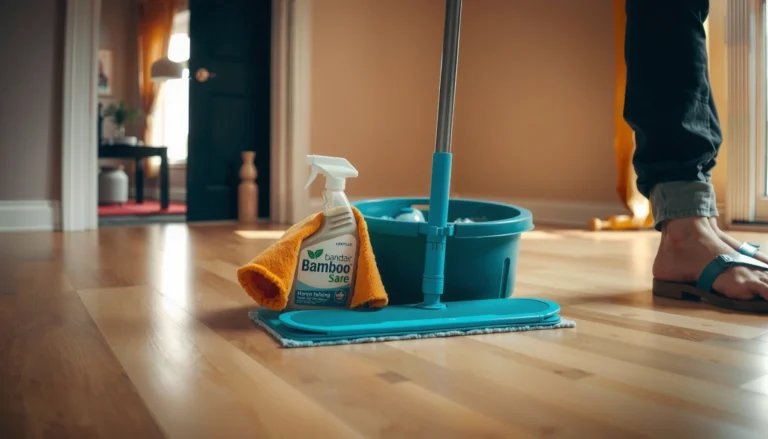
[…] matters because the environment is harsher than a typical home. In 2026, most workshops still track fine particles (sawdust, drywall dust, metal-shop grit) across floors daily, and laminate’s click-lock seams can […]