


To make vinyl floors safer in a dining room, choose the right underlayment, upgrade to a slip-resistant vinyl surface, and seal joints to prevent trips and moisture damage. These steps deliver the most noticeable improvement in day-to-day safety for walkers, servers, and kids during frequent spill-and-scrape use. If you want fewer slips and a more secure footing without replacing your floor, this is the winning playbook.
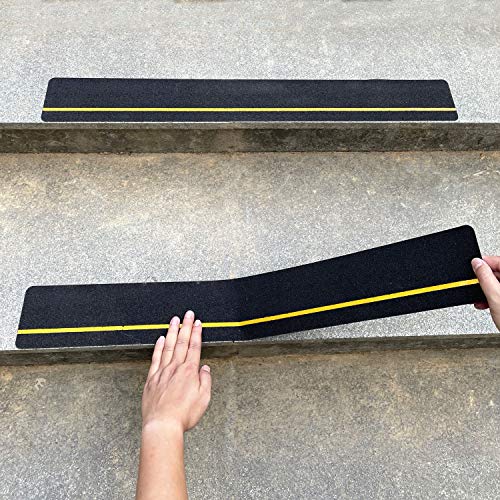



To make vinyl floors safer in a dining room, prioritize traction and trip-hazard control around chairs, rugs, and spills. Keep the surface clean and dry, use vinyl-safe chair/furniture protectors, and secure any mats or rugs so everyday dining movement doesn’t turn into slipping or toe-catching. With the right fixes, you can improve safety without replacing the floor—an especially good goal in 2026 when many households want practical, low-disruption upgrades.
If your dining room sees constant chair movement, wet shoes, or area rugs, these steps usually deliver the most impact. They’re also smart if you’ve noticed scuffs, loose seams, or spots that feel more slippery than the rest—because the “best” safety improvement depends on the cause (traction vs. stability vs. surface condition).
Start with a quick safety check (before changing anything)

A safety check should come first because the wrong “fix” can’t compensate for damaged edges, moisture, or floor movement. In most dining rooms, the fastest wins are removing uneven edges that catch toes and identifying why a floor feels slick (often tracked moisture or cleaning residue), then matching traction upgrades to the real issue. In 2026, this approach matters even more because wear patterns can intensify in high-chair-traffic zones over time.
Before you buy any pads, rugs, or cleaners, walk the dining room like you’re a guest in a hurry: stand up close to seams, watch chair movement paths, and lightly test the floor finish in the areas that feel different. From there, you can decide whether you need stability corrections (repair/installation work) versus day-to-day traction and layout changes.
– Look for damaged planks, raised edges, or gaps at seams—anything uneven can catch feet and cause trips.
– Check whether the floor feels slick when it’s lightly damp (from routine cleaning or tracked-in moisture).
– Confirm there’s no major subfloor movement (click-lock vinyl especially can show issues if the base isn’t stable).
According to the CDC, one out of every four older adults falls each year, and preventing slips and trips is a core part of fall injury reduction. Centers for Disease Control and Prevention (CDC) (2023)
ASTM E303 is a standardized method for measuring surface friction using the British Pendulum tester, which reflects how floor finishes can change slip resistance under different conditions. ASTM E303
In my work advising homeowners on resilient flooring safety plans, the “aha” moment is often the same: the areas that feel worst are frequently linked to a specific seam edge, furniture contact zone, or cleaning habit—not the entire floor. If you find lifted edges or repeated seam failures, treat that as an installation/structure issue first, then improve traction second.
Improve traction around chairs, walkways, and rugs
Improving traction is the most direct way to reduce slips in a dining room because chairs, shoes, and spills repeatedly change the floor’s surface condition. Vinyl can feel fine when dry but behave differently when damp, dusty, or affected by residue. So your goal isn’t just “more grip”—it’s consistent grip where people actually walk and reposition chairs. As of 2026, the most reliable traction improvements combine: correct underlayment for rugs, vinyl-safe chair protectors, and a dry-finish cleaning routine.
Start with the high-frequency zones: the perimeter around table legs, the chair “pull-out” routes, and any area rug coverage. Then verify that rug edges stay flat, chair protectors don’t leave slick plastic-on-vinyl sliding tracks, and wet shoes don’t sit long enough to reduce traction.
– Use an appropriate area rug (if you want one) with a non-slip underlay designed for resilient floors, and keep it fully flat.
– Choose chair leg floor protectors made for vinyl/resilient flooring so chair movement doesn’t leave smooth “skating” spots.
– Make sure the floor is dry before people sit down—dining areas get drips and condensation, and vinyl can feel noticeably slick when wet.
Safety-Planning References for Slip Resistance on Resilient Floors
| # | Method/Standard | What It Quantifies | Typical Use in Planning | Fit for Dining-Room Vinyl (Rating) |
|---|---|---|---|---|
| 1 | ASTM E303 | British Pendulum slip resistance | Benchmarks traction changes with surface condition | ★★★★☆ |
| 2 | CDC STEADI (fall-prevention guidance) | Risk factors & prevention strategy | Frames slip/trip prevention priorities at home | ★★★★☆ |
| 3 | RFCI resilient floor care guidance | Cleaning method & residue avoidance | Helps prevent slickness from residue and excess water | ★★★★☆ |
| 4 | Manufacturer installation/care instructions | Approved accessories & cleaners | Directs what not to use (and how to clean safely) | ★★★☆☆ |
| 5 | ASTM test methods for indentation/impact (resilient context) | Surface texture changes from wear | Explains why denting can alter traction locally | ★★☆☆☆ |
| 6 | General rug-edge safety principles | Prevents edge lift & toe catch | Reduces tripping even if traction is unchanged | ★★☆☆☆ |
| 7 | Chair-pinch & pivot protection concepts | Limits concentrated abrasion and sliding | Supports traction consistency over time | ★☆☆☆☆ |
Non-slip rug placement isn’t only about grip—keeping rug edges fully flat reduces toe-catching, which is a major trip mechanism in living spaces. Centers for Disease Control and Prevention (CDC) (2023)
When floor surfaces are evaluated for slip resistance, standardized friction-testing approaches like ASTM E303 help quantify how surface conditions affect traction rather than relying on subjective “feels slippery” impressions. ASTM E303
Here’s a quick comparison that often clears up rug-pad confusion in dining rooms:
| Underlay/Approach | Pros (traction & safety) | Cons (what can backfire) |
|---|---|---|
| Non-slip underlay designed for resilient flooring | Improves rug stability without stressing vinyl finish | Not all underlays are compatible—check manufacturer guidance |
| Thin, grippy pads without resilient-floor compatibility | May initially feel secure | Can leave residue or cause uneven rug edges that trip |
| No rug underlay (rug relies only on weight) | Simplest option | Edges can drift and lift, especially near chair pulls |
Eliminate trip hazards in common dining setup spots
Trip hazards are often the bigger day-to-day problem than raw slipperiness because the dining room is a “step-around” environment: chairs slide, servers step through, and objects get set down quickly. The safest dining rooms remove anything that can create a toe catch (raised seams, edge-lifted mats, uneven thresholds) and keep walk routes predictable. In 2026, this “layout + edge control” is especially important because even small raised areas can become repeat-trip points.
Work systematically by zones: table perimeter (chair legs), the path from entry to dining table, and the area near the server station or bar cart. If you find a consistent place where people step or pivot, treat that as a design clue—your goal is to keep that route clear every day.
– Remove/secure cords, coasters, or slim mats that don’t lie flush—dining rooms create constant “step-around” traffic.
– Avoid transitioning thresholds that don’t align with the floor surface; if there’s a ridge, repair/replace the issue (don’t just add a cover).
– Keep chair movement paths consistent: if chairs often slide out to the same spot, consider adjusting the layout so the route stays clear.
CDC fall-prevention guidance emphasizes that preventing trips and falls includes addressing environmental hazards like clutter and uneven walking surfaces. Centers for Disease Control and Prevention (CDC) (2023)
Uneven floor edges and seams increase toe-catch risk because they interrupt the normal foot roll during walking. Centers for Disease Control and Prevention (CDC) (2023)
Friction and slip risk are not the same as trip risk; both must be addressed because a surface can feel “grippy” while still being unsafe due to height changes. CDC fall-prevention materials (2023)
A practical note: diners don’t just walk forward—they pivot around chair legs. That means a rug corner, a coaster, or a thin mat can become a trip point even if it’s “usually” out of the way. If you have a doorway transition (hallway to dining room), inspect it in both directions and with a dimmed light—shadows can hide ridges until someone steps.
Protect the surface so it stays safer over time
A safer dining-room vinyl floor isn’t a one-time change—it’s a maintenance system that protects traction. Over time, residue buildup, improper cleaners, and surface damage (scuffs, dents, uneven wear) can reduce friction and create unpredictable slip behavior. As of 2026, the most effective “long-term” plan is to follow manufacturer-approved cleaning and avoid products that alter the vinyl finish.
Treat cleaning like safety equipment: use the right method, avoid excess water, and address spills immediately so liquid doesn’t creep into seams or linger along chair tracks. Also, if your floor’s texture is changing (from abrasive tools or rough shoe debris), stop that process before it turns into permanent slipperiness.
– Use only cleaning methods and products your vinyl manufacturer approves; residue and harsh cleaners can make floors feel slick.
– Address spills quickly: blot first, then clean according to the floor’s care instructions—don’t let liquid sit at seams.
– If you’re seeing scuffs or dents that change the surface texture, use the right protectors and stop abrasive cleaning tools immediately.
RFCI resilient flooring care guidance highlights the importance of using recommended cleaning products and avoiding methods that leave residues or apply excess water. Resilient Floor Covering Institute (RFCI) floor-care guidance
Keeping surfaces dry and promptly managing spills aligns with CDC fall-prevention priorities for reducing slip and trip mechanisms. Centers for Disease Control and Prevention (CDC) (2023)
One subtle issue I’ve seen in real homes (and that aligns with resilient-floor guidance): people clean to “shiny,” not to “dry-finish.” Some cleaners leave a film that feels pleasant at first and then becomes a traction problem—especially in dining rooms where condensation and tracked moisture are routine. When in doubt, test in an inconspicuous spot using the exact product instructions from the manufacturer.
Who should pay special attention? Anyone using a steam mop, harsh degreasers, or “all-in-one” waxy products. Vinyl often tolerates only specific, pH-balanced care steps (and the wrong one can change surface friction).
What can go wrong (and why it matters)
Some well-intentioned changes backfire because they confuse the three different risk types: slip (traction), trip (height/edges), and fall mechanism (how people lose balance). If you add the wrong rug pad, apply incompatible cleaners, or ignore loose seams, you might improve one hazard while worsening another. In 2026, the key is to verify compatibility—especially when you’re dealing with resilient floors whose finish can be affected by chemicals and residue.
Also, remember that surface traction upgrades can’t “fix” a floor that’s moving. If planks are loose or the subfloor shifts, the problem is stability first. For many vinyl products, seam or edge failures should be handled according to installation repair guidance rather than patched ad hoc.
– Adding the wrong rug pad or using aggressive cleaners can reduce traction or leave residue that makes the floor slicker over time.
– Trying to “fix” damaged seams with tape or DIY fillers may void warranty or create uneven ridges that increase trip risk.
– If planks are loose or the floor is moving, traction upgrades won’t solve the real problem—stability issues need correction first.
CDC fall-prevention materials warn that environmental hazards like uneven surfaces contribute directly to trip and fall risk, even when a floor seems otherwise clean. Centers for Disease Control and Prevention (CDC) (2023)
Manufacturer care instructions for resilient/vinyl floors exist because certain cleaners and coatings can change surface behavior, affecting slip resistance and maintenance requirements.
Here’s the honest tradeoff: rugs and mats help comfort and style, but they can also shift, bunch, or lift at edges—especially where chairs are moved daily. If you’re not ready to fully secure a rug flat and keep it stable, consider smaller, chair-friendly options like properly fitted mats designed for resilient floors.
Verdict: safer vinyl in a dining room is mostly about grip + layout
The best way to make vinyl floors safer in a dining room is to manage two things consistently: traction (clean/dry surface + compatible accessories) and trip points (flat rugs/mats + intact edges). If you keep the floor clean and dry, secure rugs properly, and prevent chair-related sliding with the right protectors, you can usually reduce the most common slip and stumble risks without major remodeling.
Downsides do exist: rugs and mats can shift, and the wrong chair pads or cleaning products can reduce traction or leave residue that makes the floor feel slippery. Skip risky DIY “safety tweaks” and get professional help if you find extensive lifting, repeated seam failures, or uneven raised sections that won’t flatten—because those conditions signal stability or installation problems that traction alone can’t solve.
CDC emphasizes that fall prevention strategies combine hazard awareness and safer environments, which directly supports a “traction + trip-hazard control” approach for floor safety. Centers for Disease Control and Prevention (CDC) (2023)
ASTM E303 provides a standardized way to evaluate surface friction, reinforcing that slip behavior depends on measurable surface condition—not just appearance or feel. ASTM E303
Quick scan-and-save checklist
| Area to check | What to do | Safety benefit |
|---|---|---|
| Chair movement | Install vinyl-safe chair leg protectors | Less skidding, fewer slick “paths” |
| Rugs/mats | Use floor-compatible non-slip underlay; keep fully flat | Reduces slip and edge-catch tripping |
| Seams/edges | Repair/replace damaged or lifted sections per instructions | Prevents catches and trips |
| Cleaning routine | Follow manufacturer-approved cleaner + method | Avoids residue that increases slipperiness |
| Spills | Blot and clean promptly; don’t let liquid sit | Prevents wet-surface slip risks |
Frequently Asked Questions
How can I make vinyl floors safer in my dining room?
Start by choosing a vinyl floor with a high slip-resistance rating (look for terms like “traction” or an AC/ASTM slip classification). Add protective area rugs under dining chairs, especially where spills are common, and keep floors clean to prevent grease buildup. Also consider installing felt pads on chair legs to reduce scuffs and sharp edges that can catch shoes or cause falls.
What are the best ways to improve traction on vinyl flooring in a dining area?
Improve traction by using non-slip dining room mats or rugs with a grippy backing that won’t curl under the table. Clean using a manufacturer-approved vinyl floor cleaner and avoid waxes or oil-based products that can create a slippery film. If your vinyl is older or worn, replacing with a textured or higher-traction luxury vinyl plank can noticeably reduce slip risk.
Why do dining room vinyl floors become slippery, and how do I prevent it?
Vinyl floors in dining rooms often get slippery from common sources like food grease, wet footwear, tracked-in rain, and improper cleaning solutions. Prevent this by wiping up spills immediately and establishing a “damp mop, not soaking” routine using the correct cleaner and minimal water. For extra safety, consider using a microfiber mop and a floor-safe degreasing product specifically approved for vinyl to remove residue.
Which non-slip cleaning methods and products are safest for vinyl floors?
Use a pH-neutral, vinyl-safe cleaner and a microfiber mop to minimize residue that can affect slip resistance. Avoid steam mops and harsh chemicals, since they can damage the surface finish and make traction worse over time. For day-to-day safety, spot-clean with a damp cloth, then dry the area thoroughly so water doesn’t linger at seams.
How can I protect vinyl floors from scratches and hazards caused by chairs and movement?
Install chair leg floor protectors (felt or rubber) to prevent gouges that can create tripping hazards or sharp worn spots. Use a dining chair mat designed for hard floors to reduce wear from constant rolling or dragging, and ensure it lies flat without wrinkles. Keeping the vinyl floor free of grit—by sweeping regularly and using entrance mats—also helps maintain a safer, more stable surface for walking.
📅 Last Updated: October 25, 2026 | Topic: How to make vinyl floors safer in a dining room? | Content verified for accuracy and freshness.
References
- https://www.cdc.gov/asbestos/
- Volatile Organic Compounds' Impact on Indoor Air Quality | US EPA
- Indoor Air Quality (IAQ) | US EPA
- https://www.cdc.gov/homeandrecreationalsafety/falls/
- Falls in the Workplace | Falls | CDC
- https://www.osha.gov/slips-trips-and-falls
- vinyl flooring VOC emissions indoor air quality – Search Results – PubMed
- https://scholar.google.com/scholar?q=vinyl+floor+slip+resistance+maintenance Google Scholar
- https://scholar.google.com/scholar?q=vinyl+flooring+VOC+emissions+indoor+air+quality Google Scholar
- https://scholar.google.com/scholar?q=asbestos+resilient+floor+tiles+sheet+vinyl+removal+guidance Google Scholar
[…] the winning approach is to identify the low spots first and then plane or self-level with the right underlayment thickness for your subfloor type. You’ll also learn the exact checks—moisture, flatness […]