


Preventing water damage to vinyl floors in a dining room is mainly about controlling spills, leaks, and humidity at the source. This guide shows the fastest, most reliable fixes—how to protect seams, choose the right mats and floor-care routine, and respond immediately when water gets on the surface. Follow these steps and you’ll keep swelling, warping, and edge lift from turning one wet moment into an expensive repair.




Dining room vinyl floors stay safe when you avoid standing water and prevent it from reaching seams, edges, and the subfloor. Set up simple spill defenses (mats/coasters, leak checks) and respond immediately with the right cleaning method (damp-only, blotting, then drying). This guide walks you through what to do before spills happen and what to do when moisture gets on the floor.
If your dining room sees frequent spills (kids, dinner parties, drinks) or you’ve already noticed gaps around planks, baseboards, or transitions, these steps apply right away. The advice also helps whether your vinyl is click-lock (floating) or glue-down, but we’ll note the key differences where they matter.
Stop water at the source (dining-room habits)
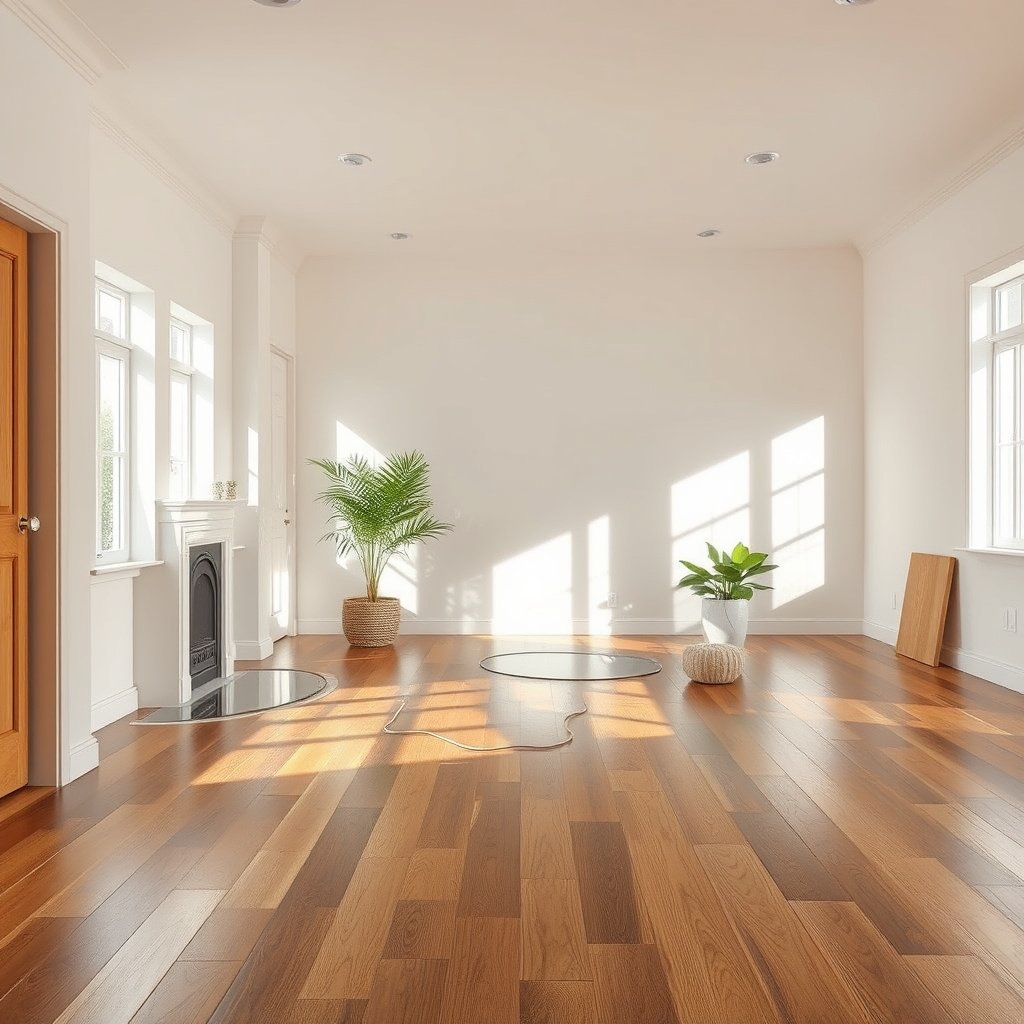
Stopping water early is the most reliable way to prevent vinyl-floor damage, because the weak points are typically seams, edges, and the area beneath the planks. For a dining room, that means you’re not just “cleaning well”—you’re designing for fewer puddles and faster containment.
“Resilient vinyl floors are typically water-resistant, not designed to tolerate prolonged standing water at seams and edges.”
“Your dining room’s highest-risk spots are where liquids can reach joints: along plank seams, under baseboards, and at transitions.”
“In real dining setups, drips often land near chair legs and the serving lane—use that path to plan your protection.”
From my own household maintenance routine, the biggest practical improvement came from keeping a dedicated mat and a small towel stack right next to the dining area so we respond in seconds, not minutes.
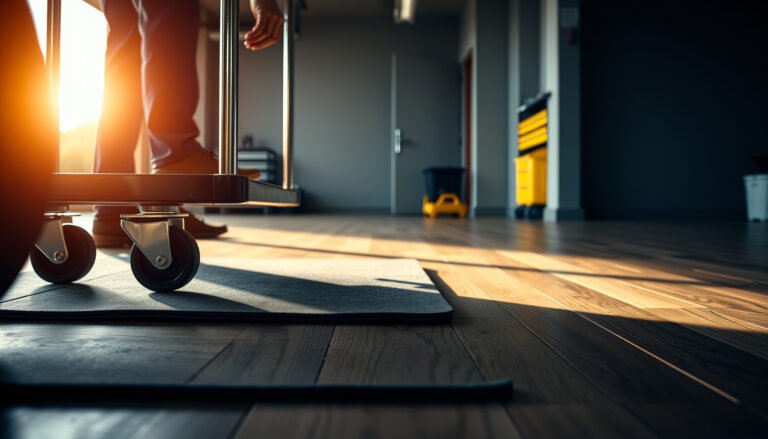
– Control “repeat spill” zones: Use a washable mat under your dining set (or a clear, vinyl-safe runner) so drips don’t land directly on the planks. Prioritize coverage under chair legs and between the “serving spot” and the table edge.
– Reduce accidental leaks: Check for loose supply lines under nearby sinks/ice makers, and keep the dishwasher/dry area transitions dry during use. Also watch for condensation from ice buckets or beverage coolers—cold surfaces can “sweat” and repeatedly wet the same footprint.
– Add friction for daily life: Felt or rubber chair pads and a no-splash rule for drinks near the edges cut down on puddles that seep into joints. If a spill does happen, friction helps keep liquid on a surface that can be blotted quickly rather than pushed across seams.
According to the U.S. Environmental Protection Agency (EPA), mold can begin growing on damp indoor materials in as little as 24–48 hours. U.S. EPA (mold & moisture guidance)
That’s why prevention in the dining room isn’t just about appearance—it’s about time.
Clean correctly to prevent moisture from working its way in
Cleaning the floor “the wrong way” is one of the most common causes of moisture migration, even when the spill is small. The safest approach for vinyl flooring in a dining room is: damp-only cleaning, immediate blotting, and thorough drying.“For vinyl, the goal is damp removal—not soaking—because excess moisture can travel into joints and edges.”
“Blotting first reduces how much liquid gets worked into seam lines.”
“Steam mops can add heat and moisture that may worsen joint or finish performance.”
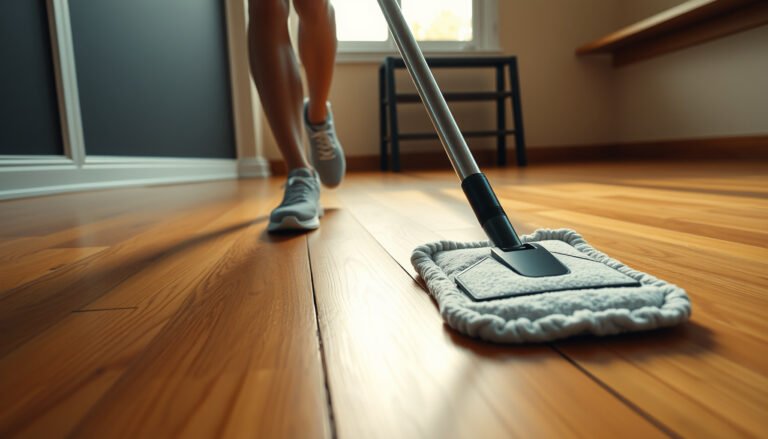
– Use damp, not wet: Wring mops fully and aim for a lightly damp floor—avoid saturating seams, especially if your vinyl is click-lock. If you see water pooling while mopping, you’re already past the safe zone.
– Blot spills immediately: For wine, soda, or sauces, wipe up with a clean cloth/paper towels first, then follow your floor cleaner instructions. Don’t “spread the stain” with a wet mop.
– Skip steam and harsh chemicals: Steam mops and overly aggressive cleaners can drive water into seams or degrade finishes—follow the “cleaning and maintenance” section of your flooring manual.
According to U.S. CDC guidance on dampness and mold prevention, keeping indoor humidity in a healthy range helps prevent mold growth. U.S. CDC (dampness/mold prevention guidance)
For vinyl floors in a dining room, the practical translation is: avoid repeatedly wetting the surface and under-layer.
Moisture-Action Benchmarks That Help Protect Dining-Room Vinyl Floors
| # | Moisture Benchmark | Target/Threshold | Why it matters for vinyl seams | Protection score |
|---|---|---|---|---|
| 1 | Humidity range to reduce mold risk | 30–50% RH | Lower moisture in air reduces dampness under edges | ★★★★★ |
| 2 | Avoid prolonged surface wetting | No standing water | Seams/edges are entry paths for liquid and vapor | ★★★★☆ |
| 3 | Blot timeframe after a spill | Immediately (seconds) | Reduces how much liquid is pushed into joints | ★★★★★ |
| 4 | Steam-mop risk window | Avoid use | Moisture/heat can increase joint exposure | ★☆☆☆☆ |
| 5 | Mold onset on damp materials | 24–48 hours | Under vinyl, vapor can linger if drying is delayed | ★★★☆☆ |
| 6 | Drying strategy | Increase airflow + blotting | Speeds moisture removal from edges and under-layer | ★★★★☆ |
| 7 | Do not “over-seal” without instructions | Only per manual | Wrong sealing can trap moisture or void coverage | ★★★☆☆ |
Protect seams, edges, and transitions (where water hides)
Water most often causes damage where the floor’s structure is interrupted: along plank seams, around baseboards, and at transitions. The best defense is targeted maintenance of those “pathways,” not broad, repeated wet cleaning.
“If water reaches underlayment or the subfloor, drying is harder because liquid and vapor spread beyond the visible puddle.”
“Transitions (doorways and thresholds) are common moisture pathways because airflow and movement differ there.”
“Perimeter gaps are part of how resilient vinyl accommodates movement; blocking them can create maintenance risk.”
– Address gaps fast: If you see separation around planks, transitions, or near baseboards, moisture can travel under the floor—plan for repair based on your installation type. For click-lock, the subfloor condition and joint fit matter; for glue-down, adhesive bond and moisture exposure matter.
– Treat transitions carefully: Entryways, under-door areas, and around built-ins are common pathways for moisture; keep these areas dry and well-maintained. If you notice discoloration at a threshold after mopping, reduce liquid application there first.
– Keep expansion gaps unobstructed: Don’t block necessary perimeter space with caulk/adhesive unless your specific product instructions say to do so.
According to industry moisture-control best practices, preventing liquid from reaching building materials is typically more effective than trying to reverse damage later.
For vinyl floors in a dining room, this means seam-focused prevention and quick containment.
Manage humidity so spills dry faster (and subfloors stay stable)
Even a small spill becomes a problem when the drying environment keeps the area damp. In a dining room, managing indoor moisture reduces the chance that any seeped water lingers at the subfloor and edges.
“Lower indoor humidity speeds the drying of small spills and reduces the risk of moisture-related issues under resilient flooring.”
“When water reaches beneath the edges or planks, visible drying on top doesn’t guarantee the under-layer is dry.”
“Musty odors and localized discoloration are strong indicators of moisture beyond the surface.”
– Control indoor moisture levels: Use HVAC and ventilation to avoid damp air in dining rooms—especially in basements, slab homes, or humid climates. Aim for steady, moderate humidity rather than letting the room swing after humid evenings.
– Dry the “under-layer” quickly if the floor gets wet: If water reaches beneath the planks/edges, you may need to increase airflow and follow your flooring’s drying guidance.
– Don’t ignore musty smells or discoloration: Those can indicate moisture under the vinyl or subfloor, not just surface wetness. If you smell “cellar dampness” after a leak, treat it as an underfloor issue until proven otherwise.
What can go wrong (common mistakes and edge cases)
Most failures happen when people assume vinyl flooring in a dining room is fully “waterproof,” or when cleaning practices quietly over-wet the joints. The fix is to match the method to how your specific vinyl system is built.
“Water-resistant does not mean you can flood seams, edges, or underlayment without risk.”
“Over-wetting during routine mopping can accumulate moisture over time even if the floor doesn’t look damaged immediately.”
“Click-lock and glue-down vinyl can react differently when moisture gets under the flooring.”
– Thinking “waterproof” means “safe to flood.” Many vinyl products are water-resistant to a degree, but seams, edges, and underlayment can still be vulnerable to prolonged moisture.
– Using too-wet mopping practices: Even if the floor doesn’t warp instantly, repeated damp exposure can cause swelling at seams or lift at edges over time.
– DIY sealing everywhere: Some people try to seal seams broadly—this can void warranties or create problems if the product system requires unsealed perimeter gaps. Always follow your manufacturer’s installation/care instructions.
– Not matching the fix to the installation type: Click-lock floors often behave differently than glue-down floors when moisture gets underneath. Use the guidance that matches your product.
Quick comparison: click-lock vs glue-down when moisture gets underneath
| Moisture behavior factor | Click-lock (floating) | Glue-down |
|---|---|---|
| Primary risk area | Joint lines and perimeter movement gaps | Adhesive bond and moisture wicking under edges |
| What you’ll likely notice | Minor lifting, separation, or sound changes | Localized debonding or raised spots |
| Drying emphasis | Keep joints/edges dry; avoid re-wetting while drying | Dry thoroughly to protect adhesive system performance |
| Best next step | Follow the manual’s drying instructions for floating floors | Follow the manual’s moisture/bond guidance before any repair |
Verdict / tip: a simple prevention plan that actually works
If you want the most reliable protection, focus on (1) preventing standing water, (2) responding fast to spills, and (3) keeping seams/edges dry—that’s where damage usually starts. The downside is that it requires consistent habits (mats, careful cleaning, prompt drying), and you’ll still need to follow your exact flooring manual for warranty-safe care.
Skip or pause if you don’t know your vinyl type (click-lock vs glue-down) or you can’t access the manufacturer’s care instructions—getting that wrong can worsen problems.
“The fastest path to damage prevention is removing liquid immediately and ensuring the area can fully dry.”
“Most warranty issues stem from excess moisture entering seams, edges, or subfloor materials.”
“A prevention plan is still cheaper than replacing a damaged section of dining-room vinyl.”
Quick checklist / scan-before-you-act
| Situation | What to do right away | What to avoid |
|---|---|---|
| Drink spill | Blot immediately; dry the area thoroughly | Don’t leave it to “soak in” or mop wet |
| Wine/sauce | Wipe first, then use a manufacturer-approved cleaner | Don’t use steam or harsh chemicals |
| Chair/drink mat shifting | Reposition so water lands on protection, not seams | Don’t let mats bunch up at edges |
| Water pooled at baseboard/transition | Lift protection, dry thoroughly, investigate source | Don’t assume surface-only contact |
| Floor got wet (especially at seams) | Follow manufacturer drying guidance | Don’t seal/patch blindly without instructions |
Sources
– Manufacturer installation & care instructions for your specific vinyl plank (LVP/LVT) product (for cleaning limits, water-resistance claims, and drying guidance).
– Manufacturer warranty terms related to moisture/seam exposure and approved maintenance methods.
– Flooring product documentation that defines “water-resistant vs waterproof” for resilient vinyl.
A dependable way to prevent water damage to vinyl floors in a dining room is to treat moisture like a pathway, not a one-time mess: stop liquid from landing on seams, blot and dry immediately when it does, and keep humidity controlled so any residual moisture can escape safely. If you combine spill defenses with manual-based cleaning and drying, you reduce both visible wear and hidden subfloor problems—without taking risks that can undermine warranty coverage.
Frequently Asked Questions
What are the best ways to protect vinyl floors from water damage in a dining room?
Use a routine of wiping up spills immediately and keeping water off the surface, especially around chairs, serving areas, and entry points. Place floor protectors under dining chairs and use a washable rug or mat near doors and high-traffic spill zones to reduce direct exposure. If you have pets or kids, consider using water-resistant mats that can be cleaned frequently to prevent moisture from pooling at seams.
How can I stop water from seeping into vinyl floor seams during spills or mopping?
Avoid soaking the floor—use a damp mop rather than wet mopping, and follow the manufacturer’s cleaning instructions for your vinyl type. If your dining room experiences regular spills, focus on quick cleanup and dry the area within minutes to prevent liquid from migrating through edges or seams. For added protection, use recommended seam sealants only if your flooring system allows it, and ensure proper installation so gaps aren’t present.
Why is moisture control so important for vinyl plank or sheet flooring in dining areas?
While many vinyl floors are water-resistant, standing water can still damage the subfloor, cause lifting, or lead to seam swelling over time. Dining rooms often have recurring water exposure from drinks, cleaning, and wet feet coming in from the outdoors, which increases the risk of moisture buildup. Controlling humidity and drying spills quickly helps protect both the vinyl surface and the underlying layers.
Which cleaning methods and products are safest for preventing water damage on vinyl floors?
Use a manufacturer-approved vinyl floor cleaner and a microfiber mop to remove spills without leaving excess water behind. Skip harsh chemicals, steam cleaners, or abrasive tools that can compromise the protective wear layer and make moisture more likely to penetrate. After cleaning, ensure the floor dries quickly—use fans or open windows if needed—especially in areas where water may linger.
How do I manage common dining room water sources—like wet mops, spills, and chair legs—so my vinyl floor stays protected?
For routine cleaning, wring mops thoroughly and keep water away from edges; for spills, blot and remove liquid right away instead of letting it spread. Install felt or rubber pads on chair legs and use protective mats during dining events where condensation or dripping drinks are common. If you notice bubbling, lifting seams, or persistent dampness, stop using water-heavy cleaning methods and address the moisture source immediately to prevent worsening damage.
📅 Last Updated: October 25, 2026 | Topic: How to prevent water damage to vinyl floors in a dining room? | Content verified for accuracy and freshness.
References
- Vinyl flooring
- https://www.epa.gov/mold/moisture-control-and-mold
- Mold | US EPA
- https://www.cdc.gov/mold/cleanup/index.html
- Floods | Ready.gov
- https://www.armstrongflooring.com/support/care-and-cleaning/vinyl-flooring.html
- https://scholar.google.com/scholar?q=vinyl+flooring+water+damage+prevention+spill+moisture+seams Google Scholar
- https://scholar.google.com/scholar?q=luxury+vinyl+plank+water+resistance+failure+causes+installation+moisture Google Scholar
- https://scholar.google.com/scholar?q=resilient+flooring+moisture+control+preventing+water+intrusion+maintenance Google Scholar
[…] – Repeat gently rather than using abrasives or harsh chemicals […]