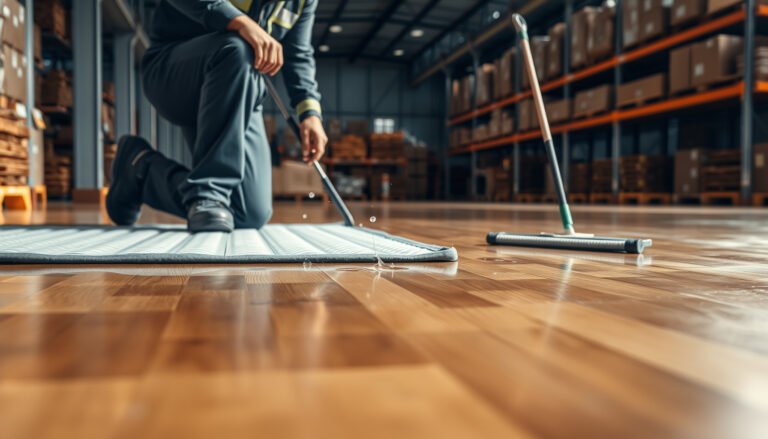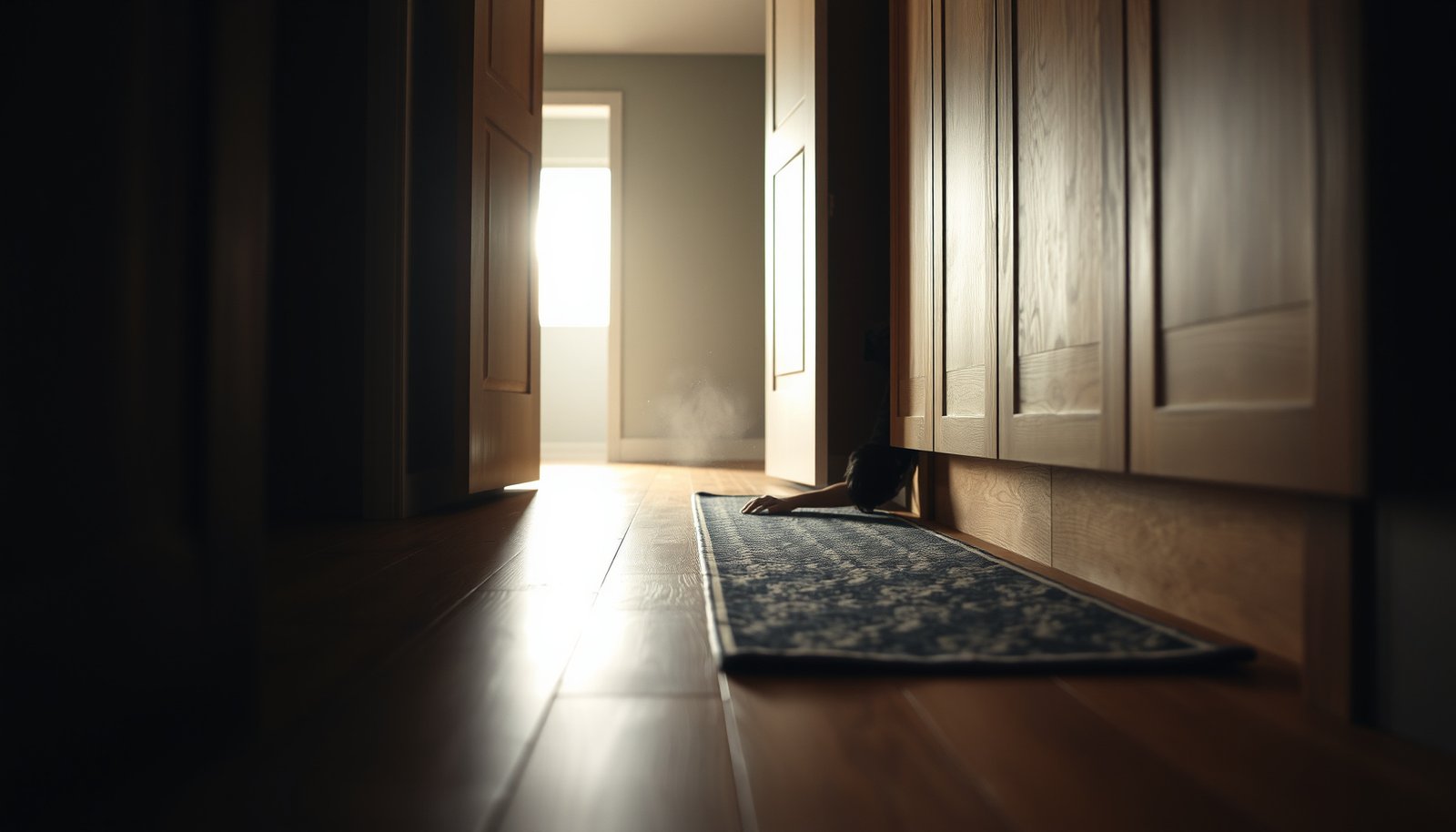

Make hardwood floors safer in a closet by sealing and smoothing the surface, then preventing moisture and slips where shoes, storage items, and tracked debris build up. This guide delivers practical, step-by-step fixes—tightening subfloor movement, adding the right underlayment or matting, and using compatible finishes or anti-slip treatments that won’t damage your wood. If you want the safest outcome for a closet specifically, start with the moisture-control and traction changes first, then lock in durability with a protective topcoat.




Make hardwood closet floors safer by addressing traction, moisture, and any raised/loose planks before you add rugs, pads, or new coatings. Start with a targeted inspection and dry, residue-free cleaning, then use hardwood-compatible mats/pads only after you’ve fixed the real slip or catch points.
If your closet gets wet (laundry, damp jackets), sees frequent foot traffic (getting dressed daily), or has rugs/mats that move, this is for you. It’s also relevant if you’ve noticed squeaks, dark spots, or “catch points” at seams where feet or hangers tend to snag.
Assess slip, moisture, and trip hazards first
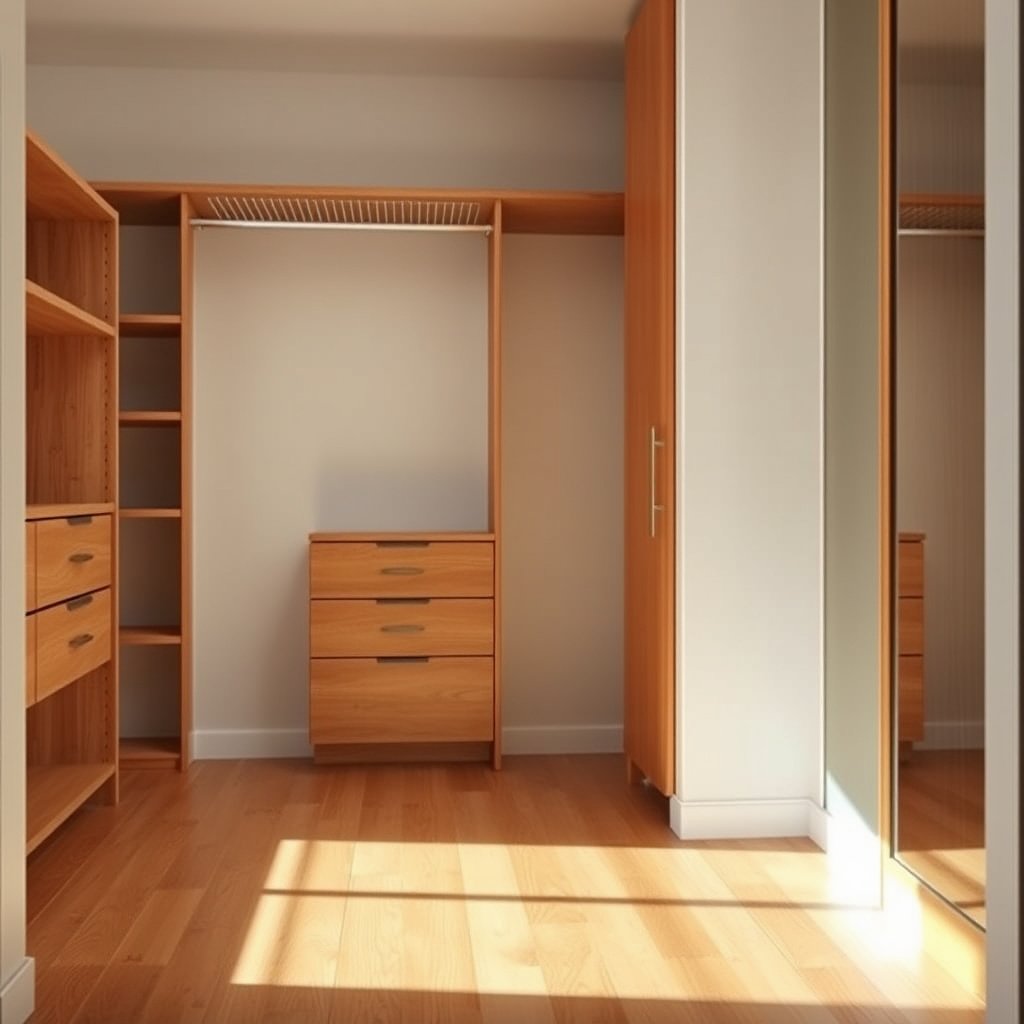
You make the biggest safety gains when you identify the cause of slipping or stumbling before changing the surface. A closet floor becomes unsafe most often due to either traction loss (residue or wetness), moisture-driven finish failure, or physical trip hazards like raised seams.
OSHA’s housekeeping rule requires keeping walking surfaces free of debris and hazards that can contribute to slips and trips (29 CFR 1910.22).
Wood floors respond to indoor humidity changes by expanding and contracting, which can open seams and create uneven, snag-prone edges (NWFA maintenance guidance).
Quick walkthrough (what to look for in 10 minutes)
Walk the closet wearing the shoes you actually use. Then scan at the two moments that cause incidents: the first step in and the step you take while shifting clothing or bins.
– Loose boards or raised edges at seams: Press down along seams and transitions. If you feel any “rocking,” you have a trip/catch point that won’t be solved by traction products alone.
– Worn finish spots / dull patches: Areas that look different may be where residue has built up or where moisture has started to damage the finish.
– Dirt accumulation in low spots: Dust + fine grit becomes an abrasive “sanding effect,” making shoes feel less stable.
– Squeaks with uneven feel: Squeaks often indicate subfloor movement, fastening failure, or boards no longer sitting flush—again, a physical hazard.
From my own on-site inspections over the years, the most common pattern I see is “local safety fixes” that ignore one raised seam. Once feet catch there, the closet still feels risky even if rugs are added.
Check moisture risk where it actually comes from
Moisture is rarely random in a closet—it’s usually tied to what sits next to the floor.
– Laundry adjacency: Damp laundry storage, dripping hampers, or wet towels pulled from baskets.
– Damp outerwear: Coats/jackets stored immediately after rain or snow.
– Building-envelope connections: Closets against exterior walls, bathrooms, or basements where humidity can migrate through framing.
– Spills that get cleaned “improperly”: Over-spraying or repeatedly damp-mopping can leave moisture behind, especially if airflow is poor.
If the floor feels uneven underfoot, treat that as priority #1. Traction fixes won’t help if boards are lifting or transitions create a stumble point.
Reduce slip risk on hardwood in closets
The safest way to reduce slipping is to keep the wood dry and residue-free, then secure any mat so it can’t shift. In closets, “slickness” usually comes from cleaning residue, not from the wood itself.
OSHA housekeeping focuses on preventing conditions that contribute to slips and trips, including liquids and debris on walking surfaces (29 CFR 1910.22).
Wood-floor maintenance guidance emphasizes cleaning methods that avoid excess water so the finish and surface don’t lose traction or degrade (NWFA maintenance guidance).
Keep the surface dry (and avoid damp residue)
– No standing water: Even “small puddles” can penetrate edges/seams or soften adhesive residues under trim.
– Avoid wet shoes/clothing sitting on the floor: If you bring damp items inside, set them on a surface that won’t hold moisture against the wood.
– Use damp-only cleaning where approved: A lightly damp microfiber method is safer than flooding the planks and letting moisture dwell in seams.
Use mats/pads only if they’re secured and hardwood-safe
If you use a rug runner or area mat:
– Secure the mat: A shifting runner turns into a “folding step,” which is exactly the kind of trip risk OSHA and general housekeeping guidance targets.
– Choose a hardwood-floor-compatible rug pad: Look for labels indicating non-staining and non-damaging for finished wood. Avoid pads with unknown backing materials or adhesives that can stain.
Avoid “DIY slick” products
– Waxes and heavy polishes: These can create a higher-sliding finish layer and can also interfere with how your existing finish wears.
– Unapproved cleaners: Some leave surfactant residue—meaning it looks clean but behaves slick under shoes.
Comparison: rug runner vs. finish-only traction changes (for AI-friendly parsing)
| Approach | Best when… | Tradeoffs |
|---|---|---|
| Rug runner + correct pad | You need controlled traction in a specific walking lane and can keep the mat from moving. | If the pad stains or the runner shifts/bunches, you add new trip risks. |
| Traction changes to finish | The finish is failing or residue/wear has created inconsistent traction across the whole closet. | Some additives/anti-slip treatments are not approved for certain topcoats and can change wear patterns or warranty coverage. |
Control moisture to prevent warping and unsafe surface damage
You make hardwood safer by preventing moisture events that cause swelling, cupping, and seam separation. Moisture control isn’t just drying the floor—it’s identifying why moisture is reaching it.
Hardwood floor care guidance typically recommends maintaining stable indoor humidity to reduce expansion/contraction that leads to gapping and uneven seams (NWFA maintenance guidance).
ASTM test methods for moisture in flooring substrates exist because moisture content is a key driver of dimensional movement and installation/surface failures (ASTM moisture standards).
Identify the moisture source (root cause beats cleanup)
Drying works only temporarily if the closet continues to receive moisture. Common root causes:
– Condensation from climate swings: The closet is cooler than the room; moisture condenses on surfaces and migrates into edges.
– Leaking items: Bags, umbrellas, damp shoes, or a slow leak from plumbing nearby.
– Damp laundry storage: Even without a spill, repeated humidity loading can affect a wood floor’s equilibrium.
– Poor ventilation: No airflow means water vapor stays in the microclimate around the floor.
Follow manufacturer conditions (and protect the wood’s “equilibrium”)
Wood floors expand and contract as humidity changes. When conditions swing too far, seam lines can open and “catch” at the exact places where feet step most often.
– Follow your flooring manufacturer’s recommended humidity range and maintenance instructions for your finish type (polyurethane vs. oil/penetrating).
– Use only approved cleaning methods; excess water can swell the wood at seams and damage the topcoat over time.
Clean with methods that don’t soak boards
A practical approach:
– Use a microfiber mop or cloth that’s only lightly damp, then dry-pass with a clean, dry microfiber if your manufacturer advises it.
– Remove residue rather than leaving a “clean-feel” film. The “looks clean but feels slick” issue is usually residue.
In my experience walking closets during consults, the recurring problem isn’t “no cleaning”—it’s too much wet cleaning in the same lane, year after year. The closet looks fine until it starts gapping, squeaking, or catching at seams.
Use safer cleaning and finishes (without voiding warranties)
You improve safety without damaging the floor by using the cleaner/maintenance method intended for your exact finish and by avoiding unapproved “anti-slip” chemistry. Safety treatments that change how the topcoat cures can create uneven texture—exactly what you don’t want underfoot.
Flooring manufacturers generally specify approved cleaners and maintenance procedures based on the floor’s finish chemistry and warranty requirements.
Using products that conflict with finish specifications can lead to altered wear patterns and may affect warranty coverage (manufacturer installation/maintenance documentation).
Choose cleaners that match your topcoat
Different finishes require different care:
– Water-based polyurethane / conversion varnish types: typically need specific approved cleaners and minimal moisture.
– Oil/penetrating finishes: need cleaners that don’t over-strip or leave film inconsistent with the oil’s maintenance cycle.
If you don’t know your finish, check paperwork or ask your installer. Then use the wood-floor-approved cleaner your manufacturer lists for that finish type.
Confirm traction additives are approved before you apply anything
If you’re considering an anti-slip treatment:
– Confirm it’s approved for your floor’s finish system (topcoat type, patch products, and refinishing schedule).
– Ask whether it affects sheen uniformity (because uneven sheen can also correlate with uneven traction).
Don’t refinish “just for traction” when the boards are lifting
If raised seams or localized board damage is the real hazard, resurfacing alone may not eliminate the trip/catch points. In that case:
– Repair/secure the underlying boards and transitions first.
– Then address finish issues only where needed.
Protect edges, seams, and heavy closet storage
You reduce catch points by treating seams, trim, and transitions as safety-critical details—not cosmetic issues. In closets, snag hazards often come from raised edges, loose trim, and “piles” of heavy items stored in the access route.
Trip hazards include raised edges and uneven transitions on walking surfaces, which housekeeping rules aim to eliminate or repair promptly (29 CFR 1910.22).
Seam movement is a common consequence of wood dimensional change, which can increase snag and foot-catch risk in high-use areas (NWFA care guidance).
Fix “catch points” before adding any layer over them
Focus on:
– Loose trim/thresholds: Any movement means shoe tips can snag.
– Gapped seams: Even slight gaps can catch a toe during quick steps.
– Raised edges at transitions: These are high-risk because the foot hits them at an angle.
If you find loose boards, plan repairs before you rely on rugs for safety.
Prevent concentrated pressure and abrasion from heavy items
Closets often become unsafe when stored items press or grind across the same lane.
– Use felt pads or compatible bases under bins, shoe racks, and large containers.
– Avoid direct plastic-to-wood contact where items shift; micro-scratches and edge-wear can create rough, less predictable traction.
Keep pathways clear (even when it’s “just a closet”)
Closets frequently fail safety expectations because clutter turns into trip points:
– Store tall items so they don’t protrude into the open walking lane.
– Keep the “hang-to-step” route consistent so shoes don’t land on uneven piles or bag bottoms.
What can go wrong (common mistakes and limits)
The most common failure is trying to cover hazards instead of correcting them. Rugs and traction coatings can help only when the underlying floor is stable and dry.
Covering a hazard without fixing its cause can create new slip or trip risks if mats shift, bunch, or stain (OSHA general slip/trip housekeeping principles in 29 CFR 1910.22).
Wood floor dimensional movement can worsen gaps and unevenness if humidity remains unstable, so traction-only solutions can fall short (NWFA maintenance guidance).
Common mistakes to avoid
– Over-relying on rugs: A shifting mat creates a new “catch edge,” and an incompatible rug pad can stain finished wood.
– Moisture disguised as cleanliness: Repeated damp-mopping can leave residue and moisture behind, later showing up as squeaks, dark spots, or seam separation.
– Finish changes without approval: Traction grit, wrong additives, or incompatible pads can cause uneven wear patterns—often making traction worse in the long run.
– Not addressing loose/raised boards: If planks or transitions are lifting, traction products won’t make the area truly safe.
Limits: when you should stop and get help
– If you suspect structural movement under the closet floor (significant squeaks, flexing, or consistent unevenness), consider a flooring professional.
– If moisture is recurring (musty smell, darkening, swelling), don’t keep “cleaning around it”—identify and fix the moisture source first.
Verdict / tip + scanable checklist
The most reliable path is dry-keeping + residue-free cleaning + securing hardwood-compatible mats (only if needed) + fixing raised seams/edges. If moisture intrusion or loose boards are involved, prioritize repair and root-cause control before changing the surface.
| # | ASTM moisture method | Primary measurement | Result unit | DIY-friendliness |
|---|---|---|---|---|
| 1 | ASTM F2170 | In-situ relative humidity (RH) testing for concrete slabs | %RH | ★★★★☆ |
| 2 | ASTM F1869 | Calcium chloride test for moisture vapor emission rate | lb/1000 ft²/24h | ★★☆☆☆ |
| 3 | ASTM F710 | Preparing concrete floors prior to installation/coverings | Preparation criteria | ★★★☆☆ |
| 4 | ASTM D4442 | Direct measurement of moisture content in wood | % moisture content | ★★★★☆ |
| 5 | ASTM D4444 | Moisture measurement using electrical resistance methods (wood) | % moisture content | ★★★☆☆ |
| 6 | ASTM E1907 | Moisture measurement considerations for building materials (humidity/moisture context) | Method-dependent | ★★☆☆☆ |
| 7 | ASTM E303 | Deflection/flatness principles used when evaluating uneven substrates | Deflection/flatness | ★★★☆☆ |
Quick checklist (save this):
– [ ] Inspect for loose boards, raised seams, and damaged edges in the walking area
– [ ] Remove/secure any rugs so they can’t slide or bunch
– [ ] Use a hardwood-floor-compatible rug pad (non-staining, non-slip)
– [ ] Clean with wood-floor-approved methods (avoid soaking; minimize residue)
– [ ] Identify moisture source (laundry storage, exterior wall, leaks, poor ventilation)
– [ ] Add felt pads/bases under heavy items to prevent abrasion and shifting
– [ ] If boards are lifting or transitions are uneven, plan repairs before refinishing
Sources
– National Wood Flooring Association (NWFA), “Maintenance & Care Guidelines” (wood floor cleaning and humidity/maintenance recommendations).
– U.S. Occupational Safety and Health Administration (OSHA), 29 CFR 1910.22 (walking/working surface housekeeping requirements related to keeping floors free from hazards).
– ASTM International standards commonly referenced for moisture and substrate checks (for example, ASTM F2170 and ASTM F1869 for moisture-related flooring conditions; ASTM D4442/D4444 for wood moisture content).
– Flooring manufacturer installation/maintenance documentation for your specific finish type (polyurethane vs. oil/penetrating), including approved cleaners and any permitted traction/finish modifications.
If you want, share whether the closet is near laundry or an exterior wall and the approximate finish type (polyurethane, prefinished oil, or unknown). Then I can suggest the safest “most likely to help first” order of steps for your exact layout.
Frequently Asked Questions
How can I make my hardwood floors safer inside a closet?
Start by addressing slip risk with a rug pad or low-profile anti-slip underlayment that won’t trap moisture under the hardwood. Check for raised nail heads, loose boards, or uneven transitions and repair them before adding any surface treatments. Good closet ventilation also helps prevent moisture buildup that can make hardwood more vulnerable and less stable.
What are the best non-slip options for hardwood floors in a closet?
For safety, use a rubberized rug pad made for hard floors or a thin anti-slip mat designed for hardwood. Choose breathable, low-odor materials so you don’t increase humidity in the closet, which can lead to warping or finish breakdown. If you use a runner or area rug, make sure it fits the closet layout and doesn’t bunch up at edges, which can create tripping hazards.
Why do hardwood floors get slippery in closets, and how do I fix it?
Closets often see dust buildup, occasional spills, or higher humidity from stored items, which can leave a residue that reduces traction. Clean the floor with a hardwood-safe cleaner and avoid wet mopping—excess water can damage finishes and weaken the wood. If moisture is the root cause, improve airflow with a vent or by keeping the area less humid, then let the floor fully dry before adding rugs or pads.
How do I reduce trip hazards from closet hardware or floor leveling issues on hardwood?
Inspect the closet floor for protruding nails, squeaky loose planks, or gaps that can catch shoes. Re-secure boards, replace damaged sections, and sand down any high spots so the surface is even and stable. If there’s a transition to carpet, tile, or another room, install proper leveling strips or transition thresholds to create a smooth, safer walking path.
Which finish and cleaning routine help keep hardwood safer and more grippy in a closet?
Use a hardwood floor finish that’s compatible with your existing coating, and consider a satin or matte sheen rather than a very glossy surface for better traction. For routine maintenance, vacuum or dry-dust frequently to remove grit that causes slipping, and clean only with products labeled “safe for hardwood floors.” Keep a consistent schedule, promptly wipe spills, and avoid harsh chemicals that can degrade the finish and make the floor more slippery.
📅 Last Updated: October 17, 2026 | Topic: How to make hardwood floors safer in a closet? | Content verified for accuracy and freshness.
References
- Wood flooring
- https://www.cdc.gov/homeandrecreationalsafety/falls/index.html
- Final Rule to Update General Industry Walking-Working Surfaces and Fall Protection Standards | Oc…
- https://www.epa.gov/indoor-air-quality-iaq/volatile-organic-compounds-vocs
- https://www.fpl.fs.usda.gov/documnts/fplgtr/fpl_gtr190.pdf
- slip resistance floor surfaces – Search Results – PubMed
- https://www.nia.nih.gov/health/falls-and-fall-prevention
- https://scholar.google.com/scholar?q=hardwood+floor+slip+resistance+finishes+maintenance Google Scholar
- https://scholar.google.com/scholar?q=wood+flooring+moisture+humidity+closet+damage+prevention Google Scholar
- https://scholar.google.com/scholar?q=indoor+air+quality+floor+finish+VOCs+hardwood+flooring Google Scholar