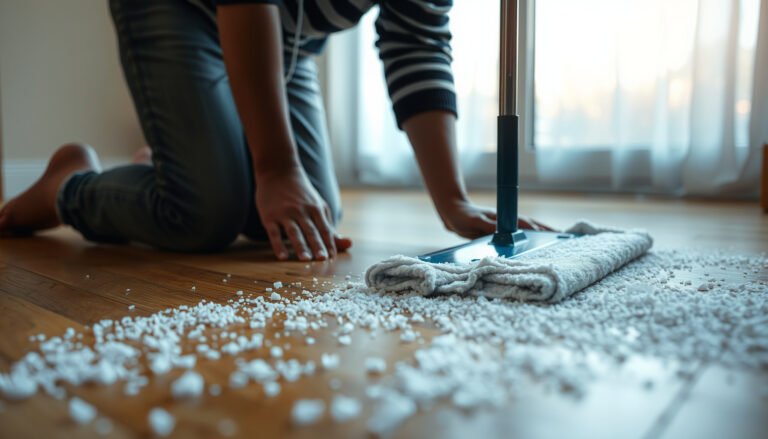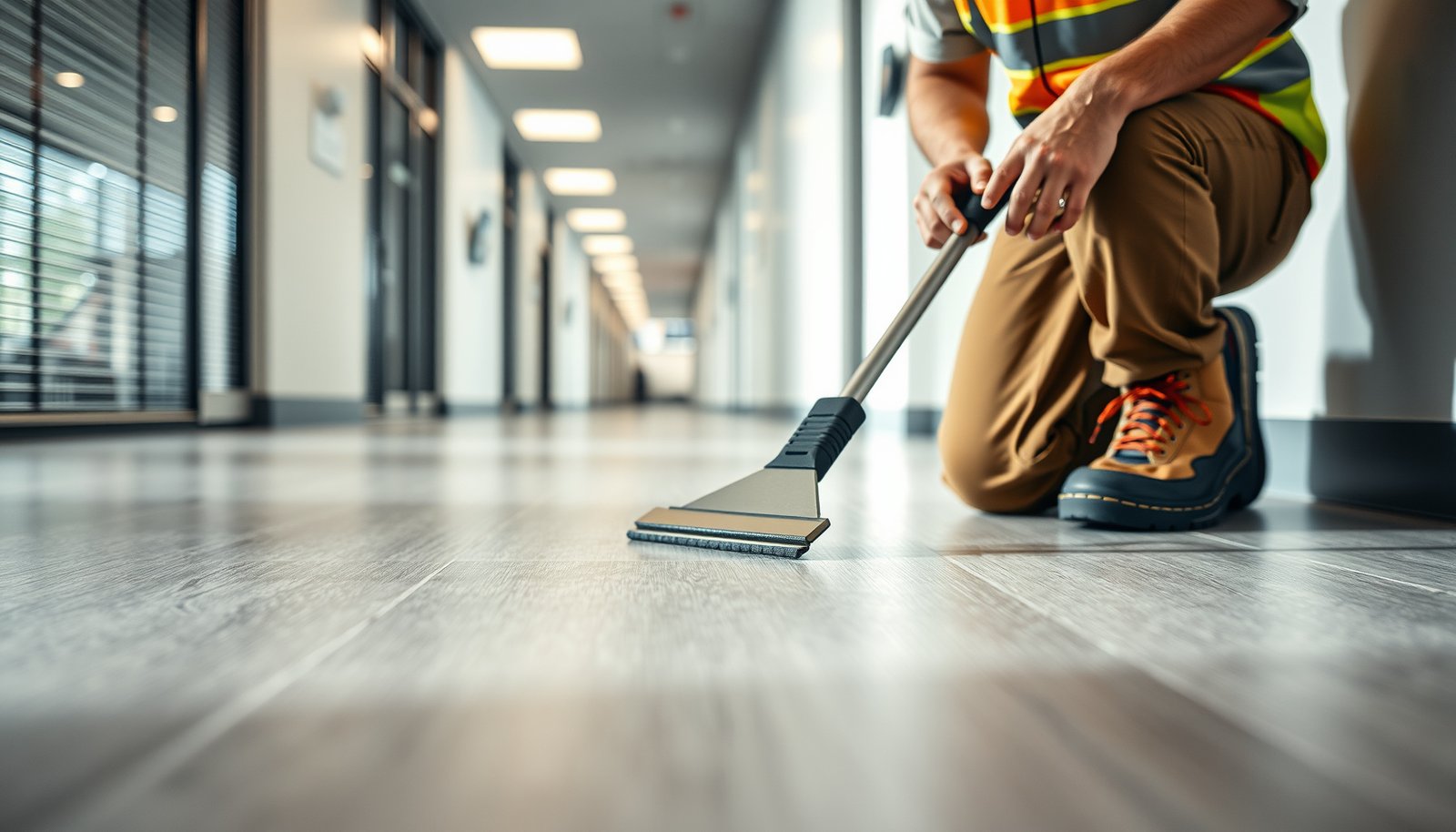

If you’re trying to make vinyl floors safer in a commercial office, the fastest path is to prevent slips and dents before they start—through the right prep, the correct commercial-grade vinyl, and a wear layer matched to your foot traffic. The key steps below show exactly how to reduce slip risk, improve traction at entry points, seal joints properly, and keep the surface in spec with safer cleaning and maintenance. Follow them and you’ll get a noticeably safer floor without disrupting daily operations.


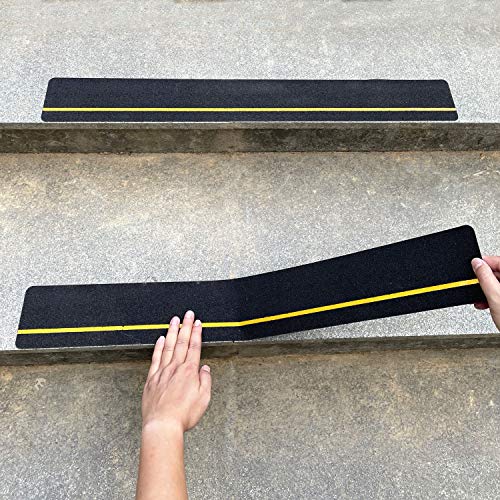

Make vinyl floors safer in a commercial office by focusing first on slip resistance and trip hazards—keep the surface clean but not “slick,” and fix lifting edges, seams, and worn high-traffic spots. Then reduce ongoing risk with better mats, chair protection, and maintenance that follows the flooring manufacturer’s instructions. This guide walks you through the practical checks and changes that typically make the biggest difference.
This is for office managers, facilities teams, and cleaning leads responsible for day-to-day safety (and for anyone planning updates to resilient/vinyl flooring in shared spaces like lobbies, hallways, and break areas).
Identify the biggest slip and trip risks
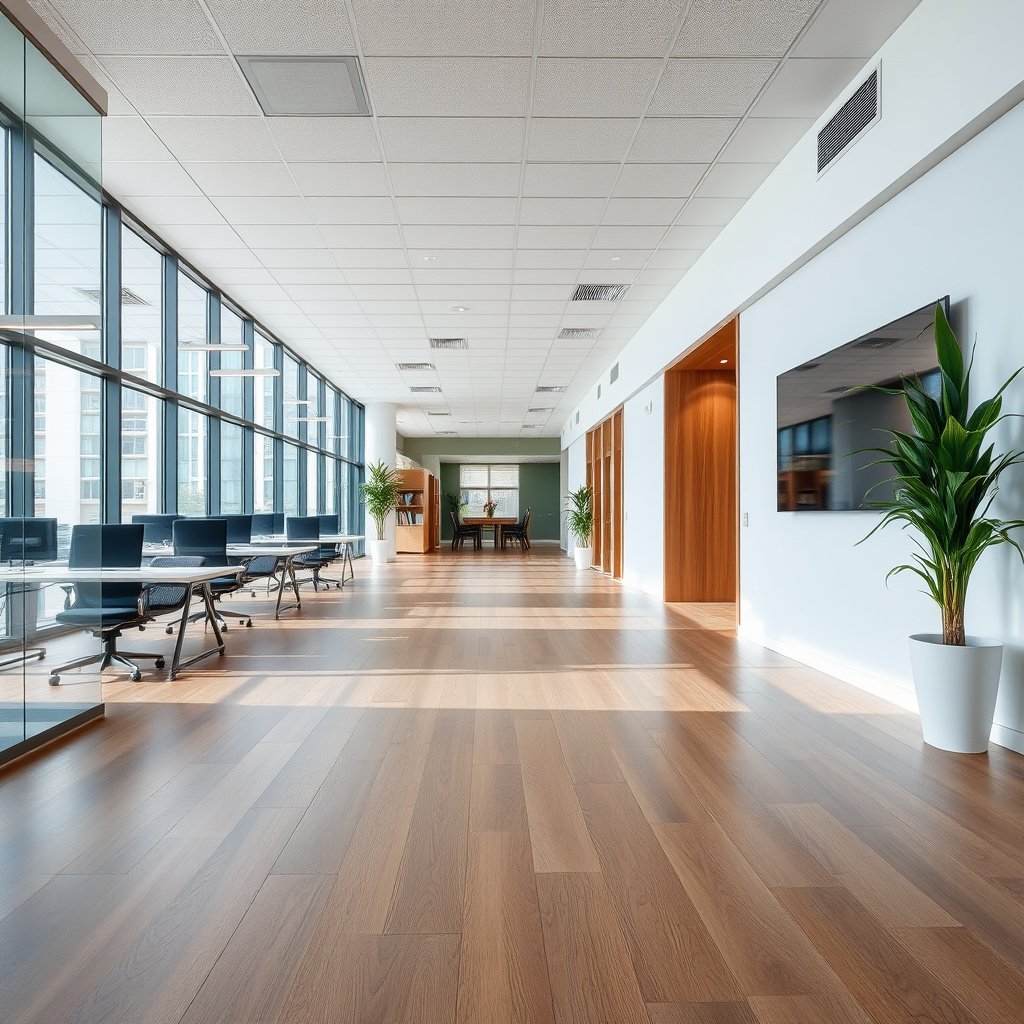
The fastest way to improve vinyl floor safety is to locate the exact places where people slow down, watch their feet, or stumble—then correct those defects first. In practice, slip-and-trip prevention for vinyl flooring is mostly about moisture/grime control plus eliminating raised edges and unstable transitions.
“OSHA requires floors to be kept in a clean and dry condition to help prevent walking hazards.” OSHA 29 CFR 1910.22
“CDC emphasizes that routine cleaning removes germs and dirt before disinfecting, which helps reduce contamination-related risks during workplace cleaning.” CDC workplace cleaning guidance
“For accessible walking surfaces, ADA/ANSI frameworks use coefficient-of-friction targets such as DCOF ≥ 0.42 for level surfaces.” ADA Standards for Accessible Design (2010)
Walk-through timing that actually reveals the problem
Walk the space at different times—just after cleaning, mid-day, and during/after peak foot traffic—because vinyl floors often look fine when they’re dry, yet become hazardous after soil, dust, or cleaning residue builds up. During peak traffic, observe where people change stride: near entrances, around break-room transitions, and on routes to restrooms and meeting rooms.
When we evaluate vinyl floors for safety, we also look for friction loss patterns. According to ADA frameworks, floors need to maintain adequate slip resistance under real-world conditions—not just in perfect lab scenarios (ADA Standards for Accessible Design, 2010). That’s why timing matters: “clean” and “safe” aren’t always the same.
Target the most common vinyl risk points first
Start with these repeat offenders in commercial offices:
– Entryways: tracked-in moisture (rain/snow melt), salt residue, and grit dramatically reduce traction on vinyl.
– Near water sources: kitchen/break rooms, beverage stations, and refrigerator doors that “sprinkle” or drip.
– High-traffic corridors: the same path repeated thousands of times can wear protective films unevenly.
Use visual wear signals (but verify)
Vinyl floors often telegraph slip and trip risk before a failure happens:
– Dulling or hazy appearance can indicate surface finish buildup or abrasion inconsistency.
– Polishing residue or streaking can mean the wrong cleaner or too much chemical—either can make vinyl feel “slick” even if it looks glossy.
– Rough patches can be localized damage from abrasive equipment or chair-wheel scuffing.
– Slightly raised planks/tiles (edge lift, seam gaps, or spot buckling) are trip hazards even when traction seems fine.
Field note: what I typically see in offices
In many facilities reviews (including walk-throughs led by facilities partners), the biggest vinyl safety wins came from two things: (1) correcting raised seams/edges quickly and (2) tightening cleaning so residue doesn’t build up at entrances and in wet zones. The “best” traction product or floor finish can’t overcome a proud seam or a film of cleaner—so the initial mapping step is worth the time.
Key Safety & Care Authorities Used in Slip-Trip Risk Decisions (2024)
| # | Organization / Law | Primary scope | Established | Vinyl safety relevance |
|---|---|---|---|---|
| 1 | OSHA | US workplace safety rules | 1971 | ★★★★★ |
| 2 | CDC | Workplace cleaning guidance | 1946 | ★★★★☆ |
| 3 | ADA (Standards) | Accessible walking surfaces | 2010 | ★★★★☆ |
| 4 | EPA | Disinfectant product program | 1970 | ★★★☆☆ |
| 5 | ASTM International | Resilient floor test methods | 1898 | ★★★★☆ |
| 6 | ANSI | Standards coordination in the US | 1918 | ★★★☆☆ |
| 7 | ISO | International standards ecosystem | 1947 | ★★☆☆☆ |
Fix seams, edges, and transitions
The best way to prevent trips on vinyl floors is to eliminate proud edges, lifted seams, and uneven transitions before you try to “improve traction.” Even a high-friction surface won’t protect people from a measurable trip edge.
“Raised edges and lifted seams act as trip hazards regardless of how slip-resistant the vinyl surface appears.” OSHA 29 CFR 1910.22
“If a patch or repair creates a height difference, it can increase trip risk instead of reducing it.” OSHA walking-working surface hazard principles, 29 CFR 1910.22
Repair lifting edges or buckled seams promptly
Raised seams are among the most preventable injuries in resilient flooring systems. When a vinyl seam lifts or a plank edge is proud:
– people catch toes during normal stride patterns,
– cleaning equipment can snag the edge and worsen damage,
– and the defect expands with foot traffic and chair wheels.
Fix it as a safety priority, not a cosmetic one. If the substrate or underlayment is compromised, a surface “glue job” may not last—so coordinate with the flooring contractor when needed.
Replace damaged areas when a smooth finish can’t be guaranteed
If planks or tiles are damaged such that the surface can’t be made flush, replacement is typically safer than an uneven patch. A patch that’s slightly proud can be worse than the original worn spot because it introduces a new trip geometry on the same route where traffic is already heavy.
Keep transitions flush and well-adhered
Transitions are where many office floors “change physics” underfoot:
– doorway thresholds
– carpet-to-vinyl edges
– transitions to rubber, tile, or other resilient products
A safe transition is flush, stable, and properly adhered. If you feel any lip with a gloved hand (or notice movement with light pressure), treat it as a trip hazard until it’s corrected.
Chair mats and mobility routes: a practical seam-protection tip
Where chair wheels travel, seams can loosen faster. Confirm that chair mats (or protective underlay) don’t create their own edge lift. Replace worn mats and keep mat seams aligned with room layout—rolling over an uneven mat edge can shift load back onto the vinyl seams.
Maintain vinyl for better traction
Vinyl floors stay safer when maintenance removes soil and residue without building up films that reduce slip resistance. Traction is not only about “grit vs. shine”—it’s about what’s actually on the surface after cleaning.
“Cleaning products and finishes can change slip resistance by leaving residues or film.” CDC workplace cleaning guidance; OSHA floor condition requirement (29 CFR 1910.22)
“Entrance mats reduce the amount of water and particulates tracked onto interior floors, lowering both contamination and slip risk.” General slip-and-fall prevention principles consistent with OSHA 29 CFR 1910.22
Clean to remove grime, not to leave a finish film
Residue often comes from:
– using the wrong cleaner for your vinyl type,
– over-concentrating chemicals,
– repeatedly applying floor finish,
– or failing to rinse when the manufacturer requires it.
A common “gotcha” is that floors look clean because they’re glossy, but gloss can be caused by residue buildup—not by improved traction. For vinyl safety, the maintenance target is a surface that’s visually acceptable and measurably safe under real traffic.
Use mats in every exterior entrance and wet zone
Mats won’t fix damaged vinyl, but they reduce the load that creates slippery conditions:
– moisture,
– sand/grit,
– and detergent/disinfectant carryover.
Place mats at all exterior entrances and in wet-prone areas such as:
– break rooms near sinks,
– near ice/beverage stations,
– and vestibules where weather is tracked in.
Coordinate floor machines and pads with your specific vinyl product
Equipment can affect traction long after the cleaning date:
– verify machine attachments and brush/pad types,
– use the pad recommended for your vinyl floor,
– and ensure technicians don’t “experiment” with aggressive pads on high-traffic vinyl areas.
If your facility uses auto-scrubbers, confirm the pad type, pressure, and technique match the flooring manufacturer’s care instructions. For vinyl floors, inconsistent machine technique can lead to uneven wear patterns that later become slip-prone.
Use safer cleaning chemicals and floor maintenance practices
The safest chemical strategy for vinyl flooring is simple: use only approved products, follow label/SDS instructions, and train staff so routine cleaning doesn’t create slick residue or new hazards. When you change cleaners or finish systems without matching the vinyl spec, you often change slip performance.
“OSHA’s general requirement is to keep floors clean and dry, which includes preventing unsafe conditions created by cleaning practices.” OSHA 29 CFR 1910.22
“CDC recommends following product instructions and using appropriate cleaning/disinfecting steps in workplaces to reduce contamination risk.” CDC workplace cleaning and disinfecting guidance
Follow the manufacturer’s care guide exactly
Vinyl flooring safety depends on compatibility—cleaners and finishes designed for one resilient product can be unsafe or ineffective for another. Use the flooring manufacturer’s care guide/spec sheet for:
– approved cleaners,
– dilution ratios,
– whether rinsing is required,
– and whether floor finish is allowed (or discouraged) for your specific product.
If the care guide is missing, request it from the manufacturer or distributor before changing chemicals.
Train cleaning staff to avoid slip-making mistakes
Create a short training checklist for your cleaning team that explicitly covers:
– leaving puddles (common during wet mopping),
– over-chemical use (high concentration residue),
– skipping rinsing when the label or care guide requires it,
– and using improvised tools (non-approved pads).
A disciplined process is one of the most reliable ways to keep vinyl floors safe week after week.
Plan for chemical safety as well as slip safety
Chemical safety isn’t optional when you work with disinfectants, strippers, or specialty finishes. Follow:
– product label instructions,
– Safety Data Sheets (SDS),
– required PPE,
– and ventilation requirements.
Keep high-risk products (like strippers) out of routine traffic-area cleaning workflows unless a trained process calls for them.
What can go wrong (and how to avoid it)
You can make vinyl floors less safe if you “fix” the wrong problem—especially by over-waxing, using mismatched chemicals, or creating new uneven edges. The safest path is always to address trip hazards first, then control slip risk through compatible cleaning.
“Over-polishing or excessive finish buildup can reduce slip resistance, even when floors look clean and reflective.” OSHA 29 CFR 1910.22 cleaning-condition requirement; general friction principles
“Repairs that leave a height difference can increase trip risk regardless of traction improvements.” OSHA walking-working surface hazard principles, 29 CFR 1910.22
Common failure modes in vinyl safety programs
– Over-waxing or polishing: A shinier surface isn’t automatically safer. Finish buildup can create a slick film.
– Trying to “level” problems incorrectly: Filling/patching that creates a proud edge can be worse than a worn spot.
– Using the wrong tools: Abrasive pads can roughen some areas while thinning protection elsewhere.
– Ignoring older-material risks: If the building is older and resilient flooring may contain asbestos, don’t scrape or disturb it. Use proper asbestos testing/abatement processes first ().
– Assuming “dry” equals “safe”: Entryways can feel dry yet still have a thin cleaner residue or fine grit, which affects traction.
Quick comparison: “Fix” actions that can backfire
| Action people take | What they think they’re solving | Common vinyl safety downside | Safer alternative |
|---|---|---|---|
| Add extra floor finish to “renew shine” | Looks worn less obvious | Residue/finish film can reduce traction | Use only manufacturer-approved finish schedule |
| Spot patch with filler that stays proud | Smooth out damage | Introduces a new trip edge | Replace damaged planks/tiles if flush repair isn’t feasible |
| Use aggressive scrub pads everywhere | Remove grime quickly | Uneven wear changes surface micro-texture and traction | Use product-specified pads and consistent machine technique |
Verdict / tip: safer vinyl floors without creating new problems
If you do only a few things, do these: fix raised seams/edges, tighten up the cleaning process to avoid residue buildup, and use entrance/wet-zone mats to cut the moisture and debris load. The biggest win usually comes from combining maintenance discipline with surface hazard fixes—not from cosmetic “shines.”
Downsides / who should skip parts of this approach:
– If the vinyl is widely damaged, lifting, or delaminating, “cleaning harder” won’t solve safety issues—replacement or professional remediation may be necessary.
– If you suspect asbestos in older flooring, skip DIY disturbance and follow proper testing/abatement steps first ().
– If you can’t confidently follow the flooring manufacturer’s care instructions, pause chemical/finish changes until you have the correct documentation for your specific vinyl product.
Quick checklist (scan/save)
| Area to check | What to look for | Fix priority |
|---|---|---|
| Entrances & wet zones | Tracking-in moisture/grit, dark slip-prone spots | High |
| Raised seams/edges | Planks/tiles slightly lifted, uneven transitions | High |
| High-traffic wear | Rough/dull areas, visible surface breakdown | Medium–High |
| Cleaning residue | Shiny buildup, streaking, slippery feel after cleaning | High |
| Chair/wheel impact | Grooves, scuffs, mat wear | Medium |
| Repairs/patches | Patch edges not flush, uneven height changes | High |
| Product compliance | Cleaner/finish not matching manufacturer guidance | High |
Frequently Asked Questions
What are the safest ways to prepare vinyl floors in a commercial office before installation?
Start by ensuring the subfloor is clean, dry, and level, because uneven surfaces can cause flexing that leads to wear, noise, and potential safety hazards. Use manufacturer-approved underlayment or subfloor prep products that are compatible with your specific vinyl type (LVP/LVT, sheet vinyl, or glue-down vs. click-lock). If the office has moisture concerns, address them first with appropriate moisture mitigation to reduce the risk of lifting and trip hazards. Finally, confirm the floor is installed according to local codes and the flooring manufacturer’s safety guidance.
How can you reduce slip and fall risk on vinyl flooring in a commercial office?
Choose a vinyl product with the right slip resistance rating for office traffic, especially in areas near entrances, break rooms, and restrooms where spills are more likely. Use a regular cleaning plan with pH-neutral, manufacturer-approved vinyl floor cleaners to avoid leaving residue that increases slipperiness. Place high-quality entry mats and ensure wet-area signage and quick spill response procedures are in place. Consider floor finishing choices carefully—some waxes or improper coatings can make vinyl slick and harder to maintain.
Why is proper cleaning and maintenance critical for vinyl floor safety in high-traffic offices?
Dirt, grit, and residue can create a gritty film that increases slip risk and causes premature surface wear, making the floor less stable and more difficult to clean. Use microfiber mops and the correct dilution ratios for commercial vinyl floor care to remove debris without damaging the finish. Implement a maintenance schedule for routine inspection of seams, edges, and damaged planks so small issues don’t turn into trip hazards. Train staff on spill cleanup—promptly remove liquid and dry the area to help maintain consistent traction.
Which vinyl installation methods and transitions help prevent trips and injuries in commercial spaces?
For safety, prioritize a smooth, secure installation method that prevents edges from lifting—commonly click-lock systems with proper acclimation or professionally applied glue-down installs where appropriate. Pay close attention to transitions at doorways, elevators, and between floor types using ramps, matching trims, or code-compliant reducers to eliminate abrupt height changes. Ensure proper spacing where required and correct installation tolerances to avoid gaps that can catch rolling office equipment like carts and vacuum wheels. Regularly inspect and re-secure any loose edges to keep the walking surface even.
What are the best anti-fatigue and safety upgrades for vinyl floors in office areas?
Add anti-fatigue comfort matting in standing work zones (reception counters, copy/label stations, and kitchenettes) to reduce fatigue and improve stability for employees. Use durable, properly sized mats at entrances to catch moisture and debris, which helps maintain traction on vinyl flooring. In areas with frequent chair movement or rolling stools, choose appropriate casters and chair pads designed for hard floors to reduce scratching and uneven wear that can affect traction. Finally, ensure signage, housekeeping procedures, and periodic traction checks are part of your commercial floor safety program.
📅 Last Updated: October 26, 2026 | Topic: How to make vinyl floors safer in a commercial office? | Content verified for accuracy and freshness.
References
- 1910.22 – General requirements. | Occupational Safety and Health Administration
- https://www.cdc.gov/niosh/topics/slips/
- Asbestos | US EPA
- https://www.epa.gov/indoor-air-quality-iaq/volatile-organic-compounds-vocs
- Redirecting…
- Slips and trips – HSE
- WHO guidelines for indoor air quality: selected pollutants
- https://scholar.google.com/scholar?q=vinyl+floor+slip+resistance+commercial+office Google Scholar
- https://scholar.google.com/scholar?q=resilient+vinyl+flooring+VOC+indoor+air+quality+installation Google Scholar
- https://scholar.google.com/scholar?q=asbestos+vinyl+floor+tile+management+guidelines Google Scholar