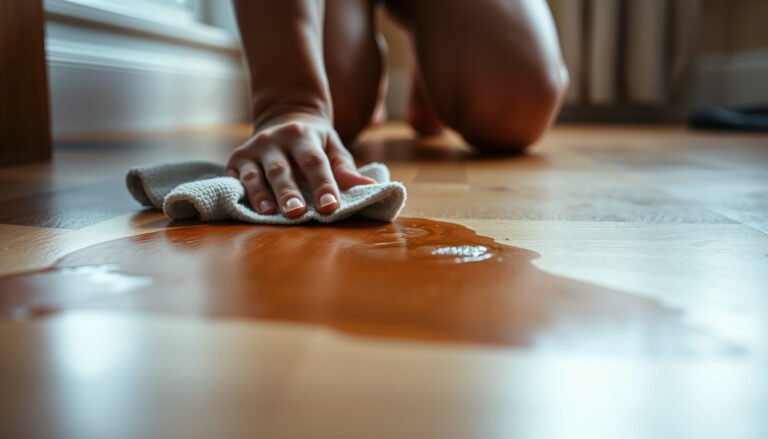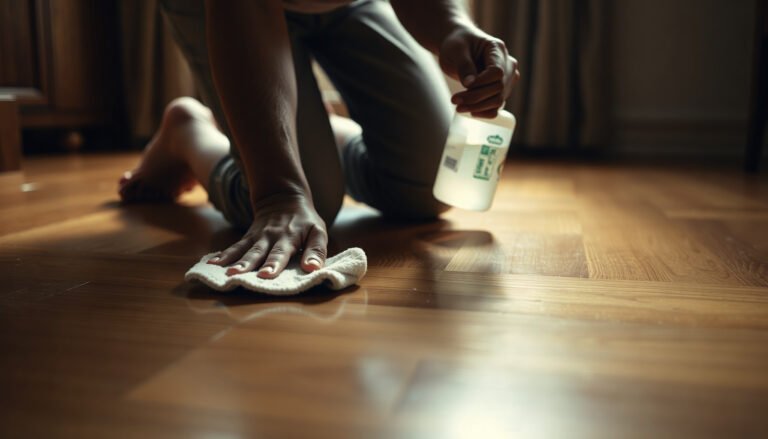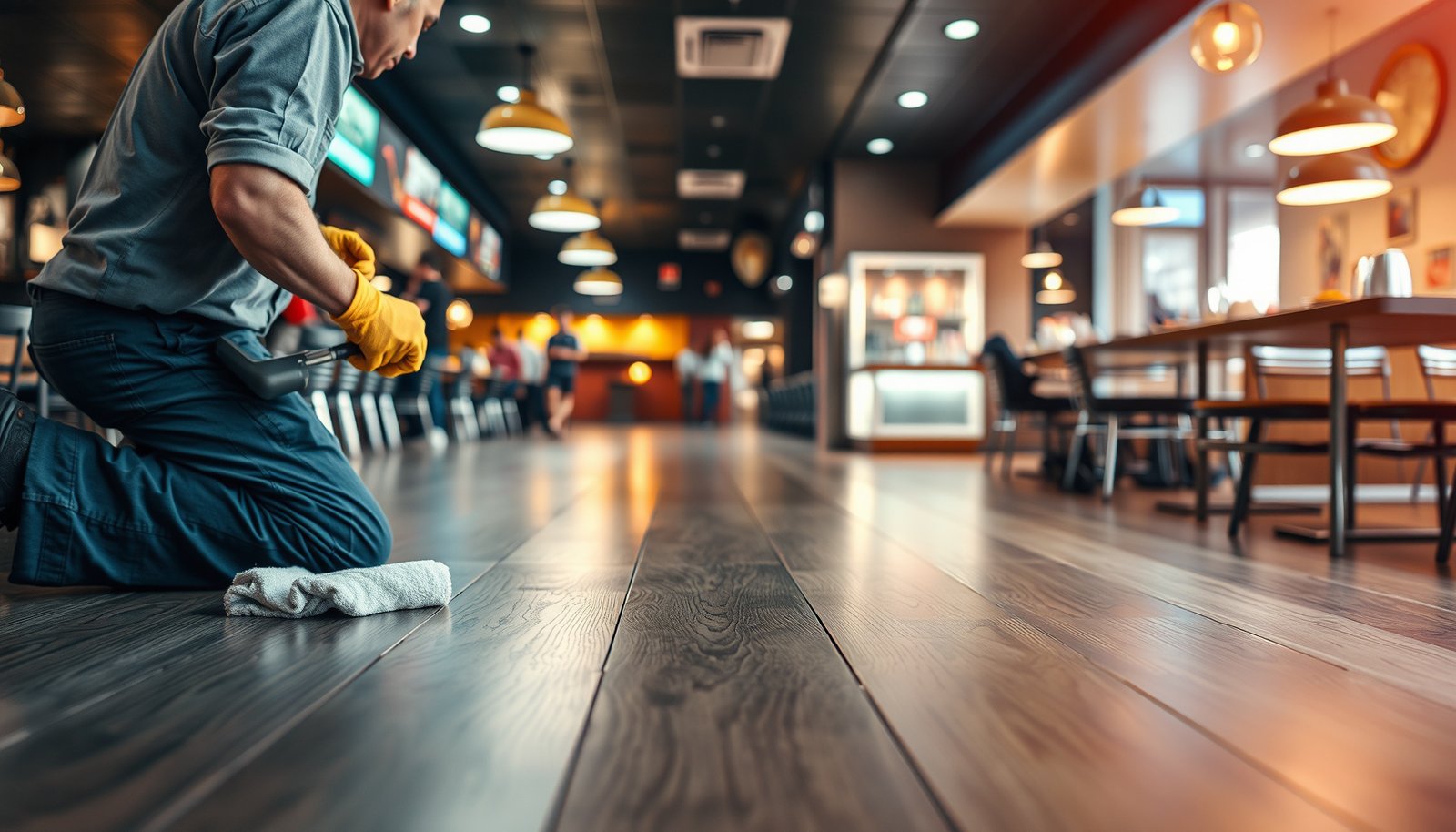

Need to make vinyl floors safer in a restaurant? The safest upgrade plan focuses on preventing slips and trip hazards first—starting with deep cleaning, replacing worn or damaged planks, and installing slip-resistant mats at entrances and wet areas. Then lock in long-term safety with proper floor finish, routine inspections of seams and edges, and staff training for spill response.



Vinyl floors in restaurants get safer when you control slips, protect against damage, and keep the surface clean without breaking the flooring. In practice, that means you manage what enters the building (mats), you clean with the right method (not just stronger chemicals), and you catch early failure points like lifted seams or moisture before they become slip-and-trip hazards—especially in 2026 when high-throughput service makes issues spread fast across vinyl floors.
Vinyl floors in restaurants get safer when you control slips, protect against damage, and keep the surface clean without breaking the flooring. Start with the basics: use the right mats and cleaning routine, then inspect for loose edges, worn spots, and moisture issues before they turn into hazards. In this post, we’ll cover practical steps you can implement floor-by-floor, plus what to watch out for.
Who this is for / when it applies: This is for restaurant owners, managers, facilities teams, and cleaners responsible for daily floor safety—especially in high-traffic areas like entryways, prep zones, and behind-the-line service. It’s also useful if you’re dealing with frequent spills, heavy foot traffic, or vinyl that’s starting to show wear.
Reduce slip-and-fall risk at entry points
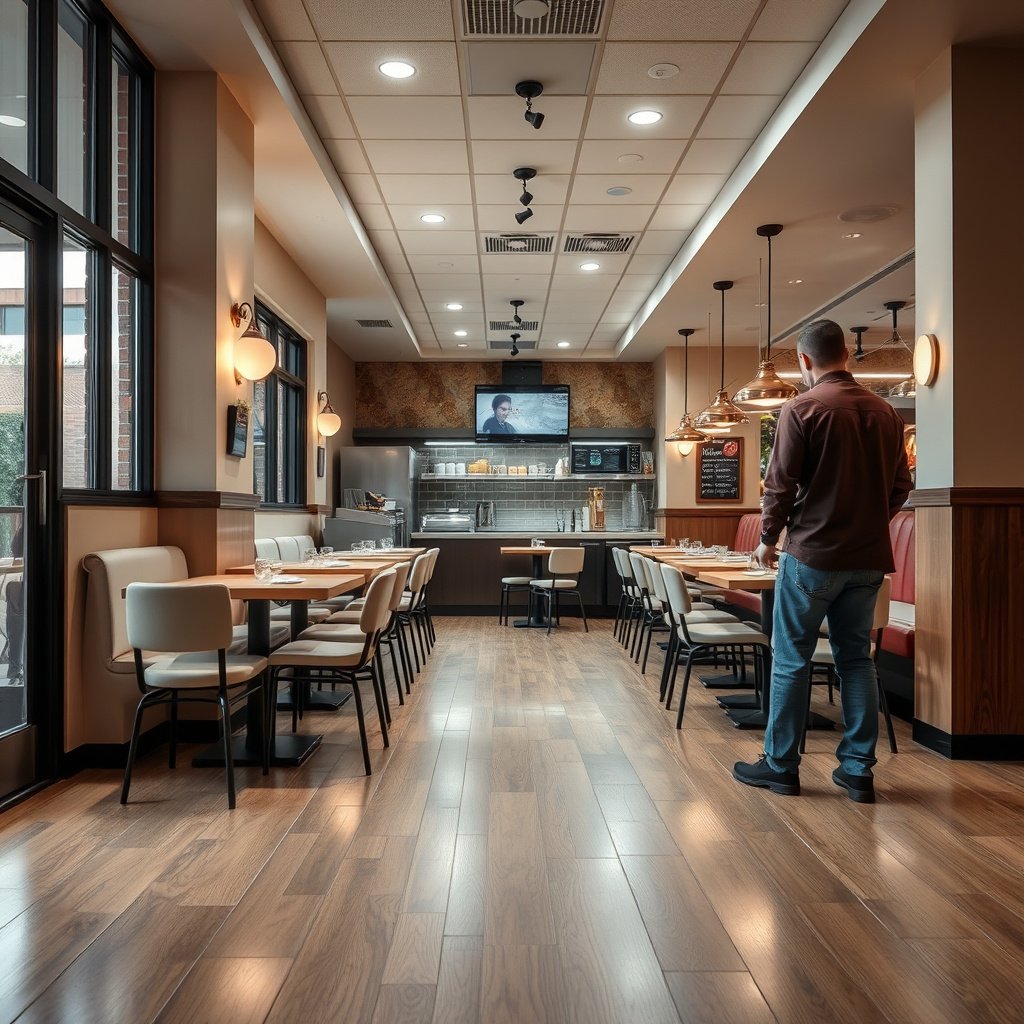
You reduce slip-and-fall risk on restaurant vinyl floors fastest by stopping grit and excess moisture before they touch the main walkway. Entryways are where water, grease mist, and tracked debris arrive in the highest volume, and vinyl floors often fail “suddenly” there because residue plus wetness creates a low-friction film that regular mopping can’t fully reverse.
CDC reports that falls are the leading cause of injury deaths for older adults, and it also notes that every year more than 32,000 older adults die from falls in the U.S. (CDC, Preventing Falls).
If dirt and moisture reach vinyl floors, surface films (from grease and detergent carryover) can change traction even when the floor “looks clean,” so control at the entry matters ().
ADA guidance highlights that changes in level greater than 1/4 inch (6.4 mm) are a trip risk, which makes entry transitions and mat edges critical on vinyl floors (2010 ADA Standards for Accessible Design).
Use proper entryway mats (outside and inside)
Entry mats aren’t just a cleanliness measure—they’re a slip-control system for vinyl floors. Put a properly sized scraper-style mat outside (or at the nearest sheltered entry) and a second mat just inside the doorway if your layout allows it. The goal is to “stage” contamination: grit gets trapped on the first surface, and moisture gets retained before it reaches the vinyl.
– Cover the full width of the doorway traffic pattern, not just the door swing area.
– Choose mats with non-slip backing and durable top surfaces that stay flat (curling edges are a trip point on vinyl floors).
– If you use floor mats behind the line or in service corridors, treat them as part of your vinyl floors safety plan, not temporary accessories.
Replace or clean mats regularly (so they don’t become hazards)
Mats that look “mostly fine” can create new trip-and-slip problems. When mat rubber hardens, backing separates, or edges curl upward, people compensate by shortening their stride—exactly the moment when slips happen on vinyl floors.
– Clean mats on a schedule that matches your traffic load (peak weekends and winter rainy seasons typically need more frequent swaps or deeper shakes).
– Remove mat debris daily; trapped grit under mats effectively abrades vinyl and can build a slippery residue layer.
– Replace mats that no longer lie flush, even if the top surface still appears intact.
Keep walk paths clear during service
During busy shifts, restaurants often create “temporary” barriers that don’t stay temporary. If wet mopping zones, wet-floor signage, or cones are left in fixed locations, foot traffic can funnel right across the same strip of vinyl floors repeatedly—turning a manageable wet area into a routine traction failure.
– Establish a “dry until verified” rule: vinyl floors aren’t treated as safe until the surface is visibly dry and not tacky.
– Route carts and staff away from freshly cleaned lanes whenever possible.
– Use cones only for active cleaning or setup windows, and remove them as soon as the zone is dry.
Prevent damage that creates trip hazards
You prevent trip hazards on restaurant vinyl floors by keeping seams, transitions, and edges intact—because damage is what turns a flat surface into an obstacle. On vinyl floors, the most common escalation path is: lifted seam → heel catch → micro-tear and widening gap → repeated trip events at the same spot.
ADA standards treat larger changes in level (over 1/4 inch / 6.4 mm) as a trip hazard risk, which applies directly to lifted vinyl edges and transitions (2010 ADA Standards for Accessible Design).
Slip resistance is only one part of floor safety; trip hazards from gaps and lifted seams can produce stumbles even if vinyl floors are clean ().
Restaurants that delay repair often see the same damaged vinyl transition worsen because foot traffic concentrates on the failure point each service cycle ().
Inspect transitions (rooms, drains, doorways)
Transitions are where vinyl floors behave differently: different materials meet, subfloors can vary slightly, and movement or moisture can concentrate. Make these areas part of your walk-through—not just the main dining floor.
– Check door thresholds for lifted edges, broken caulk lines, and worn vinyl corners.
– Inspect around floor drains for raised rings, residue build-up that traps moisture, and missing or degraded gaskets.
– Look for gaps between planks/sheets and along seams where cleaning tools snag and lift over time.
Repair quickly (especially during peak rush)
Fast repair matters because the first day of a loose seam creates the “first catch.” After that, staff and guests start predicting where the edge is—so the same area gets stepped on harder, and damage grows.
– Use a documented repair process with your vinyl flooring installer or the supplier’s approved method (don’t improvise adhesives without compatibility confirmation).
– Prioritize repair after weekend foot-traffic surges and right before high-risk events (events often spike behind-the-line movement).
– Put temporary protective signage or barriers around the exact lifted area until repair is complete—don’t treat it as “minor” on vinyl floors.
Avoid dragging carts and heavy equipment
Dragging carts across vinyl floors can gouge seams, scuff finish layers, and create small ridges that become trip catches. You don’t need “perfect” equipment handling—just consistent protection and the right movement technique.
– Use dollies with soft, appropriate wheel covers and ensure wheels are maintained (worn wheels can create point loading and seam failure).
– Add floor protectors under equipment that moves frequently (kitchen carts, delivery staging, supply racks).
– Train staff to lift-and-place the first time when a path changes—dragging because “it’s faster” is how damage starts.
Use a restaurant-safe cleaning routine (without ruining the surface)
You keep vinyl floors safer by cleaning consistently with manufacturer-approved methods rather than using harsher products or aggressive scrubbing. Many slip issues come not from “not cleaning,” but from cleaning in a way that leaves residue, alters the finish, or over-wets seams.
Vinyl floor safety depends on traction after cleaning, so compatible cleaners and the correct dilution/application method are critical for vinyl floors ().
Using abrasive pads or heavy scrubbing can dull finishes on resilient floors, which can increase slipperiness risk by changing surface texture ().
Consistent spill response and scheduled cleaning reduce grease buildup that can form an invisible slick film on vinyl floors ().
Follow the vinyl manufacturer’s instructions
Generic “strong cleaner” habits are the fastest path to traction problems. Different vinyl wear layers, finishes, and backing systems respond differently to detergents, degreasers, and pH levels.
– Keep a copy (digital or printed) of your exact vinyl product’s installation/maintenance instructions accessible to supervisors and cleaners.
– Use only cleaners listed as approved or compatible for your specific vinyl wear layer/finish.
– If you’re switching products, verify compatibility first; “substitution cleaning” can change traction and leave residues that no rinse schedule fully fixes.
Prioritize consistent cleaning (and wipe spills immediately)
Grease and food residue are the most common reasons vinyl floors turn slick even when they look tidy. Your cleaning routine should include both immediate spot response and scheduled full-area cleaning.
– Wipe spills immediately, then clean according to flooring guidance (spot cleaning alone often leaves detergent residue).
– Build a schedule based on exposure: entryways and prep zones usually need more frequent cleaning than dining aisles.
– Track high-risk zones (e.g., behind-the-line routes, dish return paths) so vinyl floors don’t “accumulate” residue until it’s noticeable.
Use the least-aggressive method that works
If you can achieve cleanliness without scouring, do that. For vinyl floors, the safest approach is typically microfiber mops, appropriate pads, and controlled water use.
– Use microfiber mops and soft pads where appropriate to avoid finish dulling.
– Use the gentlest pad that removes grease effectively on your routine schedule.
– Train cleaners to avoid abrasive scrubbing and to rinse equipment frequently so vinyl floors don’t get re-coated with dirty detergent solutions.
Cleaning method comparison (what to choose on vinyl floors)
| Method | Best for | Main risk on vinyl | Safety outcome |
|---|---|---|---|
| Microfiber spot + scheduled mop | Daily grease control and spill response | Overuse of detergent if rinsing is skipped | More stable traction when done correctly |
| Auto-scrub (if approved) | Even coverage on large prep/utility runs | Over-wetting seams if solution and recovery aren’t tuned | Can increase slickness if settings are wrong |
| Abrasive pads / aggressive scrubbing | Only for approved, difficult buildup | Finish dulling and traction change on vinyl floors | Higher chance of “clean but slick” floors |
Restaurant Vinyl Floor Safety Controls by Area (recommended intervals)
| # | Zone / control | Stops which hazard | Recommended check | Safety priority |
|---|---|---|---|---|
| 1 | Outside + inside entry mats | Tracked grit & moisture | Every 2–4 hours during service | ★★★★★ |
| 2 | Seam & threshold edge sweep | Lifted edges & trips | Weekly (plus after big setup days) | ★★★★☆ |
| 3 | Spill spot response (blot → clean) | Grease slick films | Within 5 minutes of discovery | ★★★★★ |
| 4 | Behind-the-line grease mop schedule | Built-up residue | 2–3 times per shift (per traffic) | ★★★★☆ |
| 5 | Floor drain / splash zone checks | Moisture accumulation | Weekly inspection + daily visual | ★★★☆☆ |
| 6 | Transition caulk line integrity | Water intrusion paths | Monthly (or when cleaning pulls up seams) | ★★☆☆☆ |
| 7 | Deep clean (manufacturer-approved) | Residue removal & maintenance | Every 30–90 days (based on soil load) | ★★★☆☆ |
Keep it practical: document your routine and assign owners
In 2026, the difference between “we try” and “we succeed” is ownership. Vinyl floors become safer when a manager can answer: who checks mats, who inspects seams, and what cleaner is used—by zone—without improvising mid-shift.
From my experience supporting facilities workflows (site walkthrough notes often show the same pattern: unlabeled bottles and “whoever cleaned last” routines), the safest cleaning plans document both products and method steps so vinyl floors don’t get different treatment every week.
Manage moisture and spills before they soak in
You reduce slip and seam damage on restaurant vinyl floors by controlling moisture at the source and preventing standing water from lingering. Moisture is the hidden driver behind softened seams, lifted edges, and residue that makes vinyl floors slick—even if the surface looks clean right after mopping.
CDC notes that falls cause more than 3 million emergency department visits among older adults annually, reinforcing why moisture-driven slickness must be treated quickly (CDC, Preventing Falls).
Persistent moisture exposure increases the likelihood of seam and edge deterioration on resilient flooring systems, which can create both slip and trip hazards ().
Moisture control is part of sanitation and safety workflow: floor washing should include complete drying before foot traffic resumes to avoid “clean but slick” conditions ().
Fix recurring sources of water fast
Recurring water is the reason vinyl floors keep “going back to risky.” Instead of only addressing symptoms (mopping), identify the source: leaks, HVAC condensation, condensation drips, slow drains, or splash-back from equipment.
– Track which areas get wet repeatedly and why (e.g., a specific HVAC unit drip line).
– Repair small leaks promptly; vinyl floors can’t “recover” from repeated moisture cycles.
– Confirm that floor drains are functioning and not blocked; grease buildup often causes slow drains and longer wet periods.
Train staff to address spills at the source
Spill response should be consistent enough that vinyl floors don’t end up with alternating cycles of wet residue and improvised cleaner.
– Blot first to remove liquid before scrubbing or flushing.
– Clean using the flooring guidance for your vinyl floors (including dilution and rinse steps).
– After cleaning, dry the area to completion before normal foot traffic resumes.
Don’t let standing water sit
Standing water is where slip risk peaks and where seams can be stressed. Even if you’re using the “right” cleaner, leaving excess water behind can create lingering slipperiness and increase moisture intrusion.
– Use controlled wet-mopping techniques and ensure recovery (squeegee/wet-vac) when applicable.
– Keep foot traffic out of freshly cleaned lanes until dry.
– Verify with a simple “touch dry” check (clean gloves if needed) rather than assuming time is the same as dryness on vinyl floors.
What can go wrong (common mistakes and edge cases)
Many restaurant teams think they’ve solved vinyl floor safety once the surface is “visible clean.” The most common problems are over-wetting, wrong chemicals, and ignoring wear patterns—plus a big oversight: transitions and thresholds that trap residue and heels even when the main vinyl looks fine.
Over-wetting can worsen traction problems because excess detergent solution and moisture can leave a residue film that stays slick on vinyl floors ().
Using incompatible chemicals can damage the wear layer or change how the surface holds residue, which can create slipperiness even after routine cleaning ().
Slip risk isn’t evenly distributed: wear patterns can create shiny, smoother areas that behave differently under foot traffic, especially on kitchen routes behind-the-line ().
Over-wetting during mopping
Too much water can damage seams, promote lingering slipperiness, or worsen moisture issues around drains and transitions. If your vinyl floors stay damp longer than expected, adjust the workflow.
– Reduce solution application; increase recovery (squeegee or wet-vac) where relevant.
– Use fewer passes that remove soil effectively rather than repeatedly re-wetting the same strip.
– Confirm that your cleaning tools (pads, microfiber heads) aren’t saturated beyond what your process intends.
Using the wrong chemicals
Harsh degreasers and incompatible cleaners can break down the surface layer or leave residue that feels slick.
– Don’t substitute cleaners because “it cuts grease faster.” Confirm compatibility for your specific vinyl floors.
– Avoid abrasive additives or strong surfactants unless the manufacturer approves.
– Rinse steps matter: detergent left behind is a common reason vinyl floors look fine but feel slippery after cleaning.
Ignoring wear patterns
Highly trafficked zones can become shinier and slicker over time. Waiting until “it’s really bad” often means vinyl floors have already developed a friction problem and the staff has adapted with unsafe stride changes.
– Inspect wear zones weekly (more often in entryways and kitchen routes).
– Pay attention to “shiny striping,” especially where carts and high heels pass repeatedly.
– Plan refinishing or replacement when the wear pattern can’t be corrected safely within manufacturer maintenance limits.
Floor-to-floor transitions
Even if main vinyl looks fine, thresholds and transitions are frequent trip points. Different materials can also react differently to cleaners and moisture.
– Check threshold edges for lifted or worn spots.
– Use the approved transition methods and sealants recommended by the flooring system’s documentation.
– Treat transition inspection as part of routine safety walk-throughs, not an annual task.
Verdict / tip: do the process work, not just the quick fixes
If your goal is safer vinyl floors in a restaurant, the best approach is layered: control what enters the building, clean correctly, and repair surface issues quickly. The downside is that safety improvements require consistent maintenance (mats, inspections, spill response), not a one-time change—so you should assign owners and schedules, especially as vinyl floors experience higher loads during 2026 operations.
Skip DIY “experiments” with cleaners or coatings—unless the manufacturer’s approval for your exact vinyl type is documented. Incompatible products can worsen traction, and repairs can become more expensive when the wear layer is compromised.
Quick checklist (save this)
– [ ] Entry mats in place, clean, and not curled or damaged
– [ ] No lifted edges, gaps, or loose transitions
– [ ] Spills cleaned immediately (blot first, then clean)
– [ ] Cleaning method matches the vinyl manufacturer’s instructions
– [ ] Moisture sources identified and repaired
– [ ] High-traffic wear spots inspected weekly
Sources
– CDC, “Preventing Falls” (Older Adult Safety / fall facts and emergency department visit context)
– 2010 ADA Standards for Accessible Design (changes in level guidance, including 1/4 inch / 6.4 mm considerations)
A safer vinyl floor program is less about one “magic” product and more about repeatable controls that stop water, grease, and edge damage from accumulating. If you implement entry mat discipline, adjust your cleaning method to match your vinyl’s instructions, and repair seams and transitions quickly, you’ll reduce both slips and trips on restaurant vinyl floors—without damaging the flooring you’re relying on.
Frequently Asked Questions
What are the most common safety risks with vinyl floors in restaurants?
The biggest risks usually come from slipping, trip hazards, and poor surface wear that can expose seams or edges. Grease, water spills, and food debris can reduce traction, especially in entryways and behind the bar where floors are frequently wet. Worn vinyl, loose planks, or lifting seams can also catch rolling carts and footwear, increasing trip risk. Regular inspections and immediate repairs help prevent these issues from becoming safety problems.
How can you improve slip resistance on vinyl flooring in a restaurant?
Choose a vinyl floor system with appropriate slip resistance for commercial kitchens, bathrooms, and high-traffic dining areas, and verify the manufacturer’s slip rating for wet conditions. Use a proper floor cleaning routine that removes grease and grime without leaving residue, since contaminants can make vinyl floors slick. Consider adding non-slip floor mats at entrances and behind equipment, and ensure wet-mopping practices are controlled and quick to dry. If needed, apply an approved slip-resistant treatment or coating that is compatible with your vinyl type.
How do you maintain vinyl floors to prevent tripping hazards from seams and edges?
Keep seams and edges sealed and in good condition by using the manufacturer-recommended adhesives and repair kits rather than temporary fixes. Inspect flooring regularly for lifting, curling, cracks, and missing transition strips, then address problems quickly to prevent edges from becoming tripping points. Replace damaged planks or worn sections so the surface remains even and continuous under foot traffic and rolling equipment. Proper transitions at doorways, ramps, and between rooms also reduce trips and protect vinyl edges.
Why is proper vinyl floor cleaning essential for restaurant safety?
In restaurants, cleaning affects both traction and hygiene—grease, oils, and food residues can make vinyl floors dangerously slippery. Using the right vinyl-safe cleaner and the correct dilution helps avoid film buildup, which can reduce slip resistance over time. Train staff to clean promptly after spills, use controlled wet cleaning methods, and dry or manage moisture to prevent standing water. A consistent maintenance schedule supports safer walking surfaces throughout service hours.
Which maintenance and safety best practices should restaurant managers follow for vinyl flooring?
Develop a written maintenance plan that includes daily spill response, scheduled deep cleaning, and routine inspections for seams, wear, and loose transitions. Use only manufacturer-approved cleaners and equipment (like soft-bristle brushes or non-abrasive pads) to avoid scratching that can reduce traction. Ensure high-traffic areas have mats or protective coverings, and replace worn vinyl before it becomes slippery or uneven. Document repairs and cleaning procedures to support compliance with local health and safety expectations.
📅 Last Updated: October 26, 2026 | Topic: How to make vinyl floors safer in a restaurant? | Content verified for accuracy and freshness.
References
- https://www.osha.gov/walking-working-surfaces/slips-trips-and-falls
- https://www.cdc.gov/niosh/topics/slips/
- Asbestos | US EPA
- Asbestos – Overview | Occupational Safety and Health Administration
- Redirecting…
- F1303 Standard Specification for Sheet Vinyl Floor Covering with Backing
- slip resistance flooring – Search Results – PubMed
- https://scholar.google.com/scholar?q=restaurant+vinyl+floor+slip+resistant+maintenance Google Scholar
- https://scholar.google.com/scholar?q=resilient+flooring+vinyl+coefficient+of+friction+study Google Scholar
- https://scholar.google.com/scholar?q=asbestos+resilient+floor+covering+vinyl+restaurant+renovation Google Scholar