
Protecting vinyl floors in a restaurant comes down to one winning strategy: control moisture and grit at the entrances, then lock in durable protection with the right mats, routine cleaning, and floor-finish maintenance. This guide answers exactly how to protect vinyl floors in a busy commercial setting—so spills, traffic, and street debris don’t dull the surface or loosen edges. Follow these practical steps to reduce wear fast and keep your floors looking consistent week after week.



If your restaurant has high foot traffic, frequent wet cleanups, or rolling equipment (carts, bins, kegs, cleaning tools), this is the playbook you can follow. It’s also useful for kitchens, dining rooms, and bar areas where you can’t “baby” the floor.
Section 1: Stop grit at the door (entryway protection)

The fastest win for protecting vinyl floors is controlling abrasive dirt before it reaches the main dining and kitchen traffic lanes. According to resilient-floor maintenance best practices, the combination of a properly sized mat system and daily cleaning is one of the highest-impact ways to reduce scratching and dulling over time.
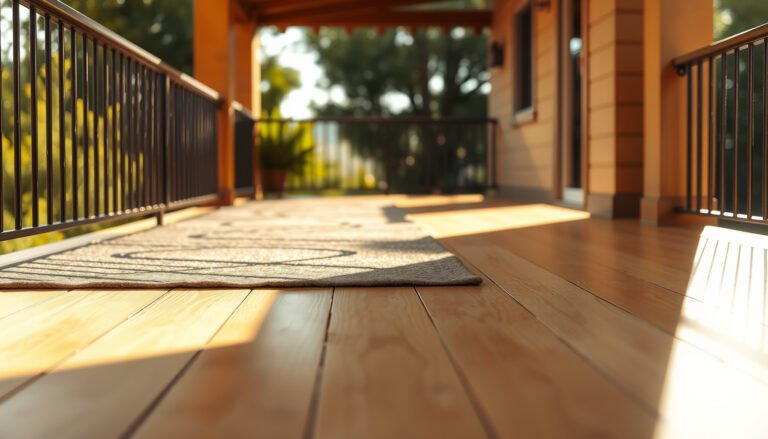
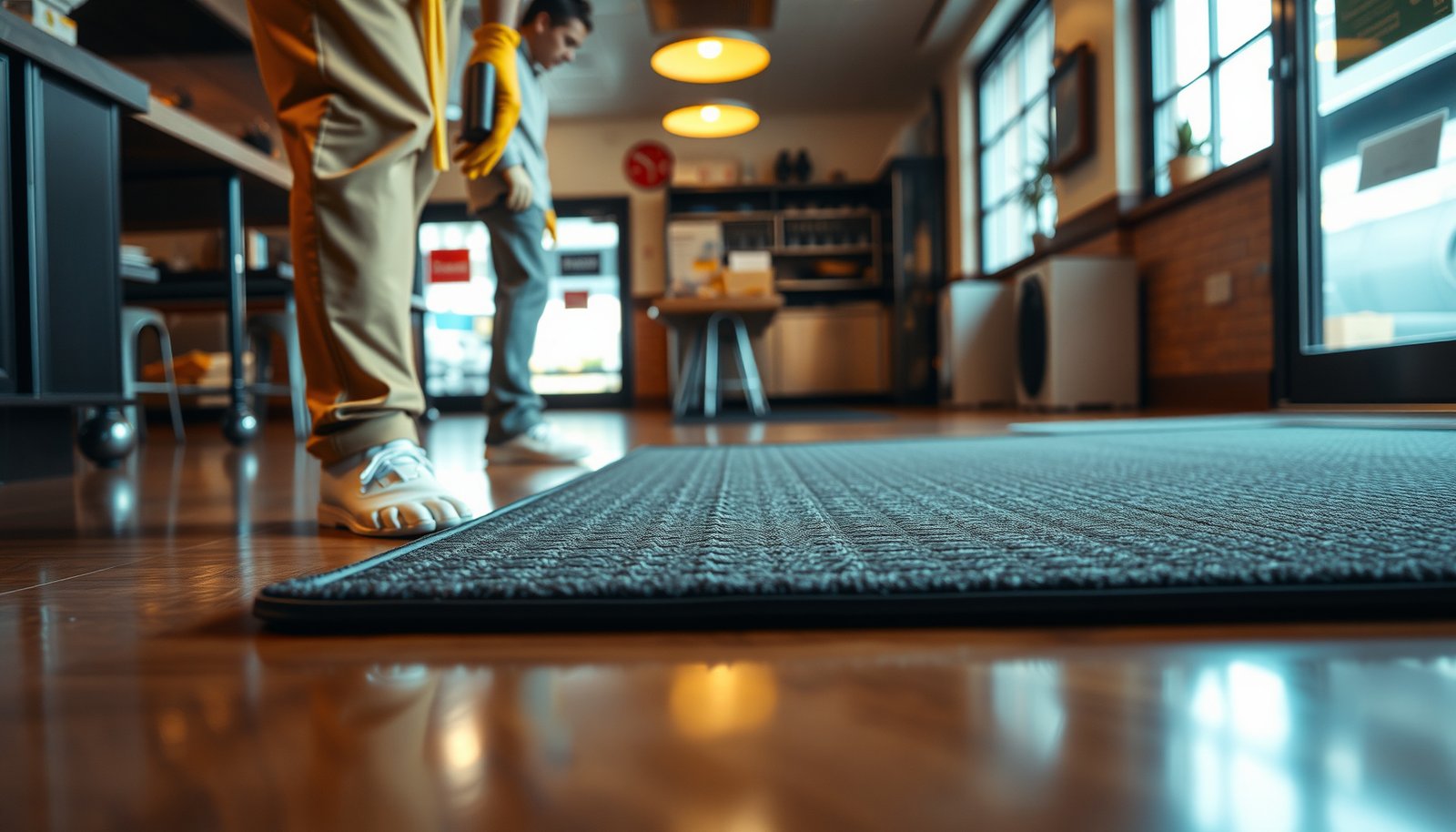
Entry mats reduce tracked grit by capturing particles at shoe contact points—so the vinyl finish isn’t repeatedly abraded by sand-sized debris.
If mats are allowed to become saturated with debris, they can stop filtering and instead redistribute grit into the facility each day.
Frequent sweeping/vacuuming of the mat surface and the floor immediately inside the doorway prevents grit from migrating onto vinyl seams and edges.
How to do it (day-to-day):
– Use high-traffic entrance mats (preferably multi-layer or structured) and make them part of your daily routine.
– Vacuum/sweep mats and the area right inside the door regularly so sand and dust don’t grind into the vinyl finish.
– Rotate or replace worn mats promptly—once the top layer breaks down, they stop catching debris.
Why grit matters for vinyl specifically
Vinyl—whether LVP/LVT (luxury vinyl plank/tile) or sheet vinyl—typically has a wear layer plus a surface finish designed to resist routine scuffs. Grit changes the whole equation: small particles embedded in foot traffic act like fine sandpaper. Over time, that abrasion dulls shine, increases visible scuffs, and can accelerate wear around the edges of planks/tiles and at seam transitions.
In my experience reviewing how teams actually maintain floors under peak service conditions, the most common “silent failure” pattern is not aggressive scrubbing—it’s tracked grit + delayed mat cleaning. The floor looks “fine” for weeks, then dulling spreads in the traffic lane and becomes hard to reverse.
What “good” mat setup looks like (practical targets)
Aim for a mat plan that covers the path guests and staff naturally take at entry points. At a minimum:
– Keep mats clean and dry (replace saturated mats; don’t let them turn into grit reservoirs).
– Ensure the mat extends far enough that the first steps happen fully on the mat surface, not just at the edge.
Section 2: Clean vinyl correctly to prevent dullness and swelling
The safest way to clean vinyl floors in a restaurant is to use a neutral pH cleaner (or the exact cleaner listed by your vinyl manufacturer) and avoid soaking the floor. Overuse of water is where resilient flooring often gets into trouble—moisture can migrate into seams, around doorways, and under base transitions.
Many resilient flooring systems specify neutral pH cleaning chemistry to avoid stripping or damaging the wear layer and finish.
Leaving liquids to dwell increases the risk of moisture intrusion at seams, edges, and transitions—especially in door approaches and equipment zones.
Microfiber or damp-mop methods generally reduce scuffing compared with abrasive scrubbers on resilient vinyl surfaces.
– Clean with a neutral pH cleaner or the exact cleaner recommended by your vinyl manufacturer; avoid bleach/ammonia and overly harsh solvents unless the label explicitly allows them.
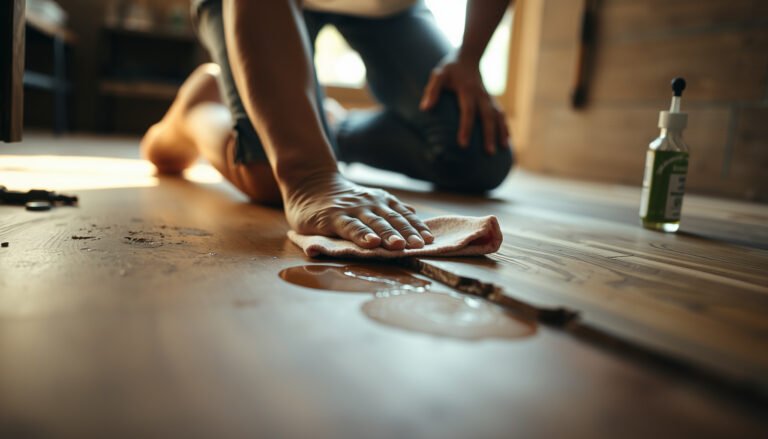
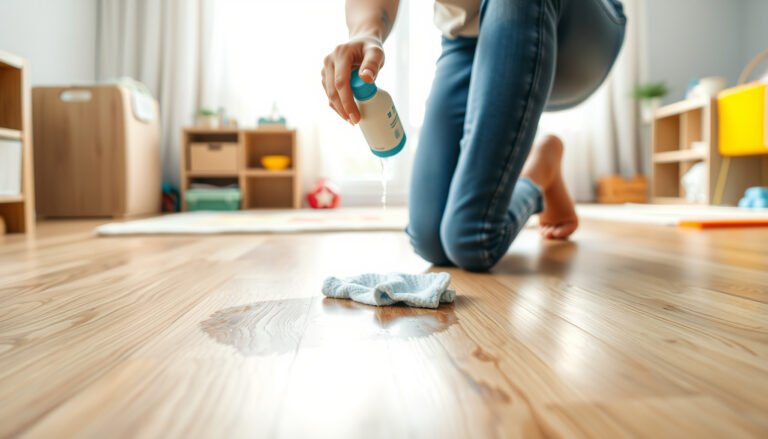
– Manage spills fast: blot liquids first, then clean—standing moisture is the enemy in seams and edges.
– Use the right tools: damp mops/microfiber pads are generally safer than abrasive scrubbers that can scuff the surface.
Neutral pH vs. “strong” cleaners: what changes?
Different chemistries affect vinyl finishes and wear layers in different ways. In restaurant settings, this becomes a trade-off: staff sometimes reaches for “strong” products because they work quickly on grease—but they can also increase long-term dulling, hazing, or surface breakdown.
| Cleaner approach | What it tends to do to vinyl | Restaurant fit |
|---|---|---|
| Neutral pH cleaner | Cleans without aggressively stripping protective layers; helps preserve appearance and cleanability. | Best default for daily/weekly maintenance. |
| Bleach/ammonia | Can degrade finishes/wear layers faster and may increase hazing on some systems. | Use only if your vinyl manufacturer explicitly approves it. |
| Strong solvents/strippers | Designed to remove coatings; can damage protective surfaces if used incorrectly. | Typically reserved for specific reconditioning workflows. |
The spill workflow that prevents swelling
Restaurants don’t just need “clean”—they need drying discipline. A good sequence for vinyl is:
1. Stop and isolate the area so traffic doesn’t grind the spill into the surface.
2. Blot first (absorbent cloth/paper towel), rather than spreading liquid.
3. Damp-clean, then remove residue with a properly wrung mop/pad.
4. Dry the surface; don’t leave puddles or lingering damp edges.
This matters most near:
– door approaches,
– kitchen entrances,
– equipment bases,
– and any transition strip where the subfloor access or seam geometry can create pathways for moisture.
A note on “how much water is too much”
Vinyl floors tolerate routine cleaning, but they don’t tolerate flooding. If your current process involves visible puddling, leaving cleaner to dwell, or soaking around seams, adjust it immediately. Your manufacturer’s maintenance guide should specify whether the floor should be wet-mopped versus damp-mopped and what dwell time (if any) is allowed.
Section 3: Prevent scratches and scuffs from everyday restaurant traffic
To minimize scratches and scuffs, focus on contact-point protection: pads under furniture, non-marking wheels on rolling equipment, and lifting instead of dragging. This combination protects both the visible surface and the edges where wear starts.
Chair and stool legs are high-risk scratch sources because they concentrate load and force when furniture shifts during service.
Non-marking wheels reduce scuffing, but grit lodged in wheel treads can still act like abrasive sandpaper.
Dragging items increases micro-scratching and can create visible scuff “rails” in the main traffic lane.
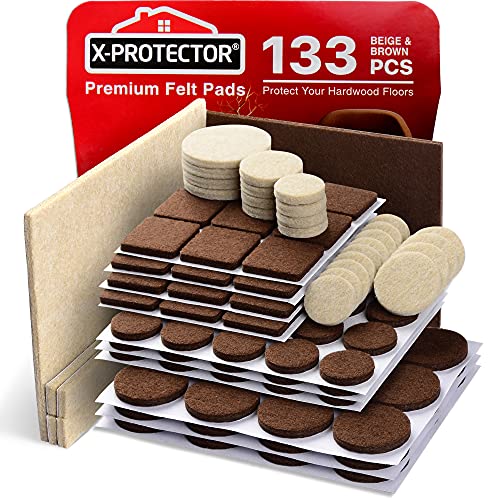
– Add felt or floor-protective pads under chairs, stools, and any moveable fixtures; replace pads when they flatten.
– Use carts and dollies with non-marking wheels (and ensure wheels are clean—grit trapped in wheel treads can act like sandpaper).
– Don’t drag anything across the floor; for heavy items, use lift techniques or furniture sliders designed for resilient flooring.
Pad and wheel details that actually matter
Many teams “solve” scratches by adding pads, but the protection only lasts if you manage wear:
– Replace pads when they flatten or curl; worn pads can turn into a hard plastic-on-vinyl abrasive contact.
– Clean cart wheels as part of pre-use checks. Trapped grit is more damaging than a slightly imperfect wheel material.
Rolling equipment and the “hidden abrasive”
In bars and kitchens, rolling equipment moves constantly: bins, kegs (and keg dollies), cleaning tools, and supply carts. Even with non-marking wheels, wheel hubs and treads collect:
– dried food particles,
– dust from floor scraping,
– and small grit that shoes grind into the lane.
If wheel cleaning isn’t part of your routine, scratches tend to “trace” with the cart routes—so the damage becomes predictable and concentrated.
Best-practice prevention (pros/cons view)
| Protection method | Pros | Cons / watch-outs |
|---|---|---|
| Felt/soft pads under furniture | Reduces point scuffing; easy to implement. | Must be replaced when worn; can trap grime if not checked. |
| Non-marking wheels + wheel cleaning | Protects rails and prevents abrasion from cart routes. | Needs staff compliance and a quick cleaning step. |
| Lift instead of drag + sliders | Prevents scratch “tracks” and reduces micro-damage. | Requires training; carts and staging habits change slowly. |
Where scuffs usually show up first
Expect early wear patterns in:
– entry paths,
– bar front and back-of-house routes,
– kitchen-to-dining equipment transitions,
– and any area where staff reposition seating frequently.
Section 4: Maintenance routine that keeps vinyl looking good
The most reliable strategy is to combine a consistent daily routine with scheduled deeper cleaning and periodic inspection of seams and transitions. As of 2026, restaurant schedules are still tight—so the goal is a maintenance plan that’s practical enough to follow every shift, not just during “deep clean” weekends.
A maintenance schedule works best when daily tasks prevent grit build-up and scheduled cleaning removes residues without overwetting seams.
Inspecting seams and transitions early helps catch lifting or moisture pathways before they expand into larger board or tile failures.
Not all vinyl systems are designed to accept aftermarket coatings; incompatible products can create hazing or residue that reduces cleanability.
– Follow a simple schedule: daily quick pickup, routine cleaning on a set day/time, and deeper maintenance as your manufacturer recommends.
– Recoat/finish only if your specific vinyl system calls for it—some vinyl finishes don’t benefit from aftermarket coatings, and the wrong product can create hazing.
– Inspect seams, edges, and transitions (doors, kitchen entrances, drains). Early attention prevents bigger failures later.
Build your schedule around “stops” and “checks”
A workable restaurant routine usually has two layers:
1) Stops (reduce damage sources)
– mats cleaned,
– spills blotted quickly,
– carts/wheels managed,
– pads checked.
2) Checks (catch problems early)
– seams and edges,
– doorway and threshold areas,
– under equipment base lines,
– around drains and sink areas.
This approach reduces the “we didn’t notice until it spread” problem that happens with moisture intrusion and edge lift.
Recoats and finishes: only with compatibility
Recoating can help in some systems, but it can also worsen matters if the vinyl wear layer and finish chemistry aren’t compatible. If your team is tempted to use a popular commercial floor finish, confirm:
– whether the finish is approved for your specific vinyl type (sheet vs LVP/LVT),
– whether the finish requires stripping first,
– and whether it creates slip risk when contaminated.
A practical data point to plan around
If you’re designing a maintenance cadence, plan around the fact that traffic patterns don’t stay static. As of 2026, many restaurants add outdoor patio flow in warmer months and run more frequent mopping during cold/flu season—both change how quickly grit and moisture accumulate near entrances and back-of-house transitions. Keeping daily “entry mat + immediate spill response” discipline usually prevents the need for frequent, more aggressive cleaning cycles.
Entry-Mat Impact Factors for Resilient Floors (Common Maintenance Benchmarks)
| # | Mat system element | Typical goal | Operational “time cost”* | Cleanliness benefit score |
|---|---|---|---|---|
| 1 | Multi-layer entrance mat (scrape + trap) | Reduce tracked particulates at first contact | ~2–3 min/day per entrance | ★★★★☆ 4.6 |
| 2 | Dry surface maintenance (no saturated mat) | Avoid turning mats into debris reservoirs | ~1 min/spot check | ★★★★☆ 4.3 |
| 3 | Vacuum/sweep mat surface daily | Keep top layer capturing grit | ~3–5 min/day | ★★★★★ 5.0 |
| 4 | Clean floor immediately inside doorway | Prevent migration from mat edge | ~1–2 min/day | ★★★★☆ 4.2 |
| 5 | Mat replacement when top layer degrades | Maintain particle-capture performance | Quarterly check + swap | ★★★★☆ 4.1 |
| 6 | Seasonal mat strategy (rain/snow) | Manage wet particulates before they reach vinyl | ~2–4 hours setup/season | ★★★★☆ 4.4 |
| 7 | Staff reminders + checklist ownership | Reduce “forgotten” mat maintenance | ~10 min/week | ★★★☆☆ 3.1 |
\*Time cost varies by entrance count and mat size. Use this table as a planning template, then calibrate with your actual entrances and staffing levels.
Section 5: What can go wrong (common mistakes to avoid)
The quickest way to undo vinyl floor protection is to let the process slip: dirty mats, oversaturating water, incompatible chemicals, and pads that aren’t replaced. When these mistakes stack, the floor often fails in predictable zones—entry lanes, doorways, and the edges of equipment stations.
When mats are skipped or left dirty, tracked grit continues abrading the vinyl wear layer and dulls the surface over time.
Excess water during cleaning increases the likelihood of moisture intrusion at seams and edges, especially near doorways and equipment bases.
Using strong chemicals to chase stains quickly can strip protective layers and create long-term hazing or reduced cleanability.
– Skipping mats or letting them become dirty: grit still gets tracked in and dulls the surface over time.
– Wet-cleaning like it’s tile: too much water can migrate at seams and edges, especially around doorways and equipment bases.
– Using “strong” cleaners to fix stains quickly: harsh chemicals can strip or damage the protective wear layer.
– Skipping pad replacements under chairs—flattened pads often turn into plastic-on-vinyl abrasion.
– Applying coatings without checking compatibility: if your vinyl manufacturer doesn’t approve it, you can end up with streaks or reduced cleanability.
Edge cases: when “good maintenance” still won’t save the floor
Even with disciplined routine cleaning, vinyl floors can fail if the underlying issue is structural or installation-related. Watch for:
– persistent dampness after mopping (suggests moisture source or inadequate sealing),
– recurring lift at the same seams or transitions,
– visible buckling or delamination patterns.
In those situations, the right next step isn’t more cleaning—it’s diagnosing the cause and correcting it.
A practical warning about “fixing it later”
Many restaurant teams defer seam concerns because the floor “still looks okay.” But when seams begin lifting, the damage path usually accelerates:
– liquid finds entry points,
– grit collects in microgaps,
– and the floor’s protective surface wears unevenly.
Section 6: Verdict / practical tip (and who should skip this approach)
If you consistently control grit, clean with manufacturer-approved products, and protect high-wear areas (entry, bar, kitchen transitions), you’ll prevent most restaurant-driven damage to vinyl floors. The downside: this approach requires daily discipline—mats not maintained, spills left to soak, or pads ignored will quickly erase the gains.
The highest-impact vinyl protection in restaurants comes from managing abrasive grit at entrances and promptly addressing moisture after spills.
Vinyl maintenance success depends more on adherence to process (mats, dry cleaning, pad upkeep) than on any single “miracle” cleaner.
Skip or adjust this plan if your vinyl flooring is already failing (lifting seams, recurring moisture intrusion, or delamination). In that case, you’ll want a flooring professional to address the underlying cause first.
A transparent planning tip
As of 2026, the most effective implementation pattern we see is training the team on a short list of “non-negotiables”:
– mat upkeep,
– spill blotting,
– approved cleaner use,
– pad replacement timing,
– and a monthly seam/transition inspection.
If you can’t maintain those, the floor will eventually reflect the inconsistency.
Section 7: Quick restaurant vinyl-floor checklist (save this)
| Area | Daily/As-Needed | What to do |
|---|---|---|
| Entry points | Daily | Keep mats clean; sweep/vacuum around doors |
| Spills | Immediate | Blot, then clean with approved cleaner |
| Chairs/stools | Weekly check | Replace felt pads when worn |
| Carts/rolling equipment | Before use | Ensure wheels are clean + non-marking |
| Routine cleaning | Scheduled | Use microfiber/damp method; avoid harsh chemicals |
| Seams/edges | Monthly check | Look for lifting/gaps; address early |
Sources:
Overall takeaway: protect vinyl in restaurants by treating the floor like a system—mats to stop grit, approved cleaners to avoid surface/finish damage, and physical protection to prevent concentrated scuffing—then verify the high-risk zones (seams, transitions, doorway lanes) on a simple schedule so small issues don’t become expensive failures.
Frequently Asked Questions
What are the best ways to protect vinyl floors in a restaurant from scratches?
Start by using floor mats at every entrance and at all service areas to trap grit and grit-causing debris that scratch luxury vinyl and sheet vinyl. Place felt pads or glides under bar stools, chairs, and rolling carts, and use non-abrasive cleaning tools rather than stiff brushes. For high-traffic lanes, consider a runner mat to reduce wear and keep the vinyl floor looking uniform.
How do you prevent water damage to vinyl flooring in restaurants?
Vinyl is water-resistant, but standing water and frequent mopping can still seep at seams, edges, or around transitions. Wipe up spills immediately, use damp (not soaking) mops, and choose restaurant floor cleaners that are safe for vinyl—avoiding harsh solvents or ammonia-based products. Regularly check caulk lines, seams, and transitions, and repair or reseal any lifting edges to keep moisture from getting underneath.
Why does grease and food residue discolor vinyl floors, and how can you stop it?
In restaurants, grease, cooking residue, and sauces can dull the finish and cause vinyl floor discoloration, especially when left to build up. Use a consistent cleaning schedule with a gentle, vinyl-safe degreaser and warm water, and rinse if the product requires it. Applying a compatible vinyl floor protectant or finish (when recommended by the manufacturer) can add a protective layer that helps resist staining and makes daily cleaning easier.
Which cleaning products and methods are safest for vinyl floors in commercial kitchens?
Use pH-neutral cleaners formulated for vinyl floors, and follow label directions for dilution and dwell time. Avoid steam mops, abrasive scrub pads, and cleaners with wax, bleach, or strong chemicals that can strip the protective wear layer or damage the surface. For best results, sweep or vacuum with a soft brush attachment daily, then mop with a microfiber system that controls dirt without over-wetting the floor.
How can you reduce dents and scuffs from chairs, equipment, and foot traffic on restaurant vinyl?
Heavy items and rolling equipment can cause permanent dents in vinyl flooring if they’re not protected, so use chair mats where needed and upgrade to larger, load-distributing floor glides. For carts and equipment, choose wheels designed for resilient flooring (non-marking, soft tread) to prevent scuffs and surface gouging. Keep traffic patterns in mind—using runners and strategically placed mats reduces point loading and extends the life of your vinyl floor in high-traffic restaurant zones.
📅 Last Updated: October 26, 2026 | Topic: How to protect vinyl floors in a restaurant? | Content verified for accuracy and freshness.
References
- https://www.cdc.gov/hygiene/cleaning/index.html
- https://www.who.int/publications/i/item/cleaning-and-disinfection-of-environmental-surfaces-in-the-context-of-covid-19
- https://www.osha.gov/slips-trips-and-falls
- Food Code 2022 | FDA
- Vinyl flooring
- RFCI – Resilient Flooring Covering Institute
- https://scholar.google.com/scholar?q=protect+vinyl+flooring+in+commercial+restaurants+maintenance Google Scholar
- https://scholar.google.com/scholar?q=resilient+flooring+maintenance+commercial+cleaning+neutral+pH+recommendations Google Scholar
- https://scholar.google.com/scholar?q=vinyl+flooring+floor+protection+entry+matting+and+abrasion+wear+study Google Scholar