


To clean your garage floor, start by gathering essential supplies like a stiff-bristle broom, mop, and degreaser. Clear out any clutter, sorting items to keep, donate, or throw away. Address stains by identifying their type; for oil, use baking soda or cat litter. Mix dish soap with hot water for tougher grime. After sweeping loose debris, wash the floor using a cleaner mixed with warm water, scrubbing in sections. Finally, squeegee or use a wet/dry vacuum to dry the surface. Don't forget to apply sealant for protection – you'll discover even more helpful tips ahead.



Gather Your Cleaning Supplies
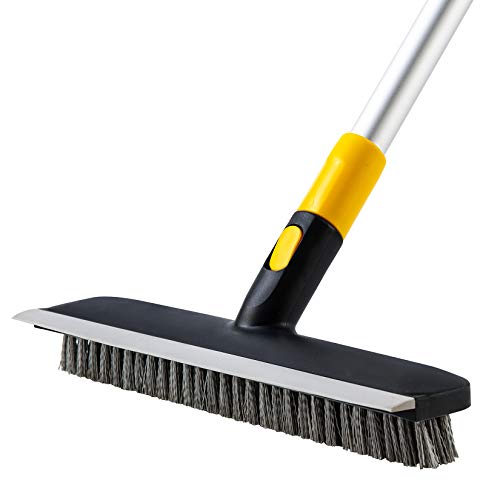
Before you plunge into cleaning your garage floor, it's essential to gather all the necessary supplies to make the process efficient and effective. Start by choosing appropriate cleaning tools, like a stiff-bristle broom, a mop, and a pressure washer if your floor materials allow it. Consider using a degreaser for tough stains, especially if you've spilled oil or chemicals. Don't forget a bucket for mixing cleaning solutions and rubber gloves to protect your hands. A squeegee can be helpful for drying the floor afterward. Finally, make sure you have a dustpan for easy clean-up. With the right supplies at hand, you'll enjoy the freedom of a clean, organized garage that's ready for whatever you want to do next.
Clear the Garage Floor
With your cleaning supplies ready, it's time to tackle the clutter on your garage floor. Begin by removing any items that don't belong, like old boxes or broken tools. As you clear the space, sort through your belongings and decide what to keep, donate, or throw away. This decluttering process not only frees up your garage but also helps you identify which organizing tools you might need. Once you've cleared the floor, consider investing in shelves, bins, or hooks to store your tools and equipment efficiently. By organizing your tools, you'll create a more functional space that allows for easy access and movement. Enjoy the newfound freedom of a clean, spacious garage that inspires creativity and productivity!
Remove Stains and Grime
Once you've cleared the garage floor, it's time to tackle the stains and grime that have built up over time. Start by identifying the types of stains you're dealing with—oil, grease, or rust require different cleaning techniques. For oil stains, sprinkle baking soda or cat litter over the area, let it absorb for a few hours, then sweep it up. For tougher grime, mix dish soap with hot water and scrub using a stiff-bristle brush. For rust, a solution of vinegar and baking soda can work wonders. Remember, the key to effective stain removal is to act quickly; the longer you wait, the harder it gets to remove those stubborn marks. Stay persistent, and your garage floor will shine again!
Wash the Floor
After you've dealt with the stains and grime, it's time to wash the floor thoroughly. Start by sweeping away loose debris to prepare for effective floor cleaning. Next, mix a solution of warm water and a suitable cleaner—ideally, one designed for garage floors. Use a stiff-bristled broom or a scrub brush to apply the solution, scrubbing in sections. This guarantees you cover every inch without missing spots. For tougher areas, consider using a pressure washer for a deeper clean. Rinse the floor with clean water to remove any soap residue, which can attract dirt later. A clean garage floor not only enhances the look of your space but also contributes to overall garage organization, allowing you to thrive in an orderly environment.
Dry and Maintain the Surface
To guarantee your garage floor remains in good condition, it's essential to dry the surface thoroughly after washing. Use a squeegee or a wet/dry vacuum to remove excess water, ensuring no puddles linger. Once dry, consider applying a sealant for surface protection; this not only enhances durability but also makes future clean-ups easier. Regularly inspect the floor for cracks or stains, and follow these maintenance tips: sweep frequently to prevent dirt buildup, and wipe spills immediately to avoid staining. If you notice oil or grease, use a dedicated cleaner to tackle those spots. By maintaining your garage floor diligently, you'll enjoy a clean, functional space that supports your freedom to pursue hobbies and projects without worry.
Frequently Asked Questions
How Often Should I Clean My Garage Floor?
You should clean your garage floor at least once a season to maintain its condition. However, if you use your garage frequently or have pets, it's wise to increase that cleaning frequency. Regular maintenance tips include sweeping debris and wiping up spills promptly. By keeping your garage tidy, you not only improve its appearance but also create a safer environment. Staying on top of these tasks makes future cleanups easier and more manageable.
Can I Use a Pressure Washer on My Garage Floor?
Using a pressure washer on your garage floor is like releasing a storm to clear away the debris of daily life. It's a powerful tool that can make garage floor maintenance a breeze, effectively removing dirt, oil stains, and grime. The benefits of a pressure washer include saving time and achieving a deep clean that other methods may not provide. Just be cautious with the pressure settings to avoid damaging your floor.
What Type of Flooring Is Easiest to Clean?
When choosing the easiest flooring to clean, epoxy flooring and tile flooring stand out. Epoxy's seamless surface prevents dirt buildup, making spills a breeze to wipe away. Plus, it's resistant to stains and chemicals, which is a huge plus. On the other hand, tile flooring offers easy maintenance too, but you'll need to tackle grout lines. Ultimately, both options provide practical solutions that let you enjoy your space without constant upkeep.
Are There Eco-Friendly Cleaning Products Available?
Imagine a vibrant garden, bursting with life, where nature thrives in harmony. That's the essence of eco-friendly alternatives for cleaning. You can find a range of natural cleaning products that harness the power of ingredients like vinegar, baking soda, and essential oils. These options not only clean effectively but also protect the environment, allowing you to embrace freedom from harsh chemicals. So, when you're ready, opt for these natural solutions for a cleaner, greener space.
How Do I Prevent Future Stains on the Garage Floor?
To prevent future stains on your garage floor, consider applying a high-quality floor sealant. These sealants create a protective barrier that helps resist oil, grease, and other stains. Regularly inspect and maintain the sealant, reapplying it as needed to guarantee longevity. Additionally, using mats or absorbent pads in high-traffic areas can further enhance stain prevention. With these steps, you can keep your garage floor looking pristine and free from unsightly marks.


[…] laminate floor cleaner (or a cleaner specifically made for laminate), mop with minimal water, and dry the surface with a clean microfiber cloth where needed. Regularly check that your mop pads are clean, because […]
[…] Dry the surface first, then increase airflow with fans and dehumidifiers to remove moisture from beneath the sheet vinyl. Avoid using high heat, steam, or aggressive blowers that could warp the vinyl or cause adhesive failure. After drying, leave the area ventilated for at least 24–48 hours and confirm there’s no lingering dampness before replacing trim or rugs. […]
[…] Dry the surface after mopping to limit water spots and mineral residue. A clean microfiber mop head and a dry towel […]
[…] wetting or after you disturb grime; trapped or moisture-related odors tend to return even after you dry the surface thoroughly. In my experience advising building occupants and evaluating recurring marble […]
[…] the source (usually moisture, contamination, or residue), then use an odor-neutralizing cleaner and dry the surface thoroughly. Many “odor” problems keep returning because rubber mats and roll flooring trap […]
[…] cleaning, dry the surface fully. If the floor can’t dry, you’ve likely addressed cleaning but not the underlying moisture […]
[…] that failed to bond properly. The durable fix is to remove everything that’s loose, dry the surface completely, then recoat with an exterior-rated system (including primer and proper patch/leveler as […]
[…] real water protection without trapping moisture behind the stone. The best approach is to clean and dry the surface thoroughly, then apply a penetrating travertine sealer in the correct coats and cure time before […]
[…] on moisture control: use manufacturer-approved cleaners, avoid prolonged wet saturation, and dry the surface promptly after any damp mopping. If your flooring uses a specific maintenance product, follow that […]
[…] is where moisture management becomes operational. “We wash the floor” isn’t enough—you also need how long water sits, what chemicals are used, and whether your […]