
If you want slip-resistant laminate floors, the fastest path is choosing the right laminate finish and installing it with the correct underlayment plus a high-traction surface treatment. This guide gives you a clear, do-this-first checklist—what to avoid (glossy finishes and uneven transitions) and what to apply (approved anti-slip coatings or grit-infused options) to reduce skids where you need them most. Expect practical steps that match real-world wet-entry and high-traffic conditions.




If you’re trying to reduce slip risk for a household with kids, older adults, or frequent foot traffic, you’re in the right place. As of 2026, the safest approach is to treat slip resistance like a system: surface traction + moisture management + maintenance habits that don’t leave a slick film.
Start with the right “traction strategy” (not just a product)
The best first step is figuring out whether your laminate is slippery when it’s dry, wet, or both—because the fixes aren’t interchangeable. Then you’ll want to increase grip where feet contact the floor (texture, mats, approved treatments), not just mask the issue with the “wrong” cleaner.
Slip resistance problems have different root causes on laminate: dry slipperiness often comes from a smooth finish and footwear, while wet slipperiness comes from water film at seams and high-touch zones.
Increasing traction works best when you control moisture at the source (matting and prompt drying), because water film reduces grip regardless of how a cleaner “shines.”
Before applying any surface treatment to laminate, compatibility with the floor’s wear layer and warranty terms matters because coatings/overlays can change how the finish performs.
Decide whether the issue is dry, wet, or both
Start with a simple observation: when does slipping happen?
– Dry slipperiness (shoes-on but no visible moisture): usually relates to a smoother wear-layer finish, dust/film, or high-polish maintenance.
– Wet-surface slipperiness (after spills, mopping, bathroom steam, tracked rain): usually relates to water film, porous dirt on the surface, or water getting near seams/joints.
– Both: often means you have both a “low-grip” surface finish and a maintenance routine that leaves residue.
In my experience (from troubleshooting laminate floors in real homes), people often chase “stronger cleaners” when the real culprit is residue—especially after repeated mopping with products meant for vinyl or sealed stone.
Focus on floor-level grip, not just cleaner changes
Cleaners can help—but they shouldn’t be your only traction tool. If your laminate feels slick right after cleaning, you may be leaving a film that reduces traction. For slip reduction, prioritize:
– Matting (stopping moisture and grit before it hits the laminate)
– Approved surface texture/traction products (only if your manufacturer allows them)
– Installation correctness (levelness and transitions that don’t create raised edges)
Verify laminate compatibility (warranty-safe decision)
Your laminate’s wear layer is the protective top; many laminate warranties are sensitive to added coatings. That’s why you should verify:
– whether your brand allows slip-resistant treatments,
– whether “sealer,” “refinisher,” or “floor coating” types are prohibited, and
– whether the product will be safe for the wear layer (especially for pre-attached pad systems).
[ADD: source for laminate warranty/finish compatibility guidance]
Quick comparison: traction options that are usually safest vs. riskiest
Use this as a decision filter before you buy anything.
| Method | Pros | Cons / Watch-outs | Best Use Case |
|---|---|---|---|
| Entry mats + wet-zone mats | Reduces tracked moisture and grit; low risk to the laminate finish | Mats must be maintained; curled edges can create hazards | Wet events and shoe traffic |
| Non-slip rug pads for hard floors | Prevents rug sliding and keeps edges flat | Wrong pad material can discolor or trap moisture under rugs | Kitchens, living rooms, hallways |
| Laminate-approved traction treatments | Can improve grip without replacing floors (if approved) | Off-label sealers/coatings can void warranty or leave residue | When dry slipperiness persists after cleaning |
| Sanding / resurfacing DIY | Sometimes marketed as “more grip” | Can damage the wear layer permanently; high risk of staining/voiding warranty | Usually best avoided |
Use slip-resistant underlayment and proper installation
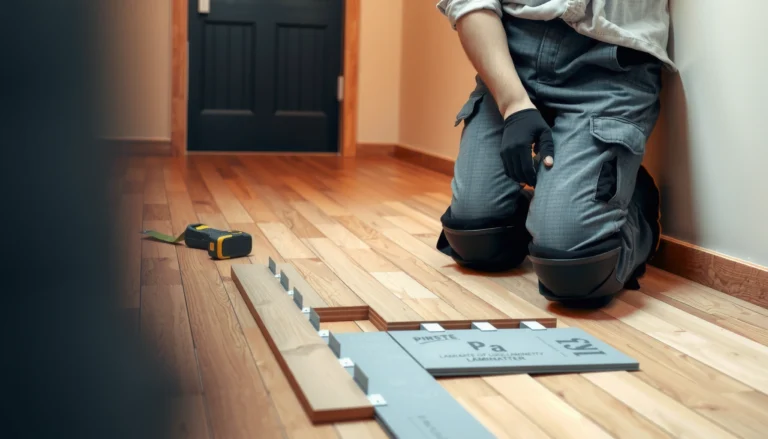
The fastest path to better traction is often the “boring” stuff: correct underlayment and a properly installed, level floor. When laminate shifts, flexes, or has raised transitions, it can feel slippery even if the surface itself is fine.
Mismatched underlayment can change how laminate performs underfoot, which can worsen comfort and perceived stability (a slip-risk factor even when friction is unchanged).
Raised edges at transitions or misaligned joints can catch feet and create a slip-like sensation—fixing installation issues often improves safety more than surface products.
Levelness matters: if the subfloor has dips or humps, laminate can move at joints, increasing the “click” effect and reducing user confidence during walking.
Check your underlayment matches the laminate brand and system
Many laminate manufacturers specify:
– underlayment type (vapor barrier integrated vs. separate),
– thickness limits,
– performance goals (sound + stability),
– and sometimes whether certain pad systems are disallowed.
Mismatched underlayment can affect:
– how the wear layer contacts the floor,
– joint performance, and
– how moisture behaves under the laminate.
[ADD: source for underlayment requirements—use your laminate manufacturer’s installation guide]
Ensure installation quality: level, flat, and stable
Even a premium laminate can feel unsafe if it’s not installed correctly. Prioritize:
– Level subfloor before install (no “high/low” waves).
– Proper locking and spacing so joints don’t flex.
– Transition management at thresholds to tile, carpet, or doorways.
Look for these red flags:
– joints that are separating or peaking,
– edges that look raised,
– “clicky” movement underfoot,
– and transitions with a lip.
Keep expansion gaps and transitions correct
If expansion gaps are blocked or transitions are misbuilt, laminate can buckle and create:
– raised edges (foot catch risk),
– uneven contact (reduced traction feel),
– and moisture pathways.
For homeowners, the practical takeaway is simple: fix the underlying stability first, then add traction where it’s needed.
Choose approved treatments or create micro-texture safely
If your laminate is approved for extra traction products, the right treatment can help—otherwise the risk is high. The safest “extra grip” approach is to use laminate-specific, manufacturer-approved products that maintain the wear layer instead of damaging it.
Only use slip-resistant treatments that are explicitly labeled for laminate flooring to avoid leaving a film that reduces friction.
Sanding or heavy resurfacing can permanently damage laminate’s wear layer, which can increase wear, staining, and warranty disputes.
Test any traction treatment in an inconspicuous spot and follow the manufacturer’s cure time; some products feel temporarily slick until fully cured.
Look for laminate-approved slip resistance products
When you’re searching for “slip-resistant laminate floor treatment,” filter by:
– Laminate compatibility (not generic “floor sealer” claims)
– Wear-layer safety (no sanding/coating on top of prohibited finishes)
– Maintenance compatibility (so you can keep cleaning without reactivating residue)
A key concept: slip resistance is not only “grip,” but how the surface behaves after cleaning and after it dries. Many products improve dry grip but fail under wet conditions or after multiple mops.
Avoid damage: no sanding, grinding, or resurfacing
Most laminate flooring has a top wear layer designed to resist abrasion—not to be sanded. If you grind or sand the surface, you can:
– remove the designed wear protection,
– expose printed layers,
– and make the floor more stain-prone.
[ADD: source for manufacturer stance on sanding/modifying laminate]
Do a cure-time reality check
Even “good” treatments can backfire if they’re not cured. Follow the label for:
– drying windows,
– full cure time,
– and whether foot traffic is allowed during curing.
If your floor is in a kitchen or entry, plan around cure time so you’re not creating a temporary slip hazard.
Upgrade high-risk zones with traction accessories
You don’t need to make the entire laminate floor different to reduce slips—you need to treat the moments that create risk. Matting and properly backed rugs are often the highest ROI because they intercept moisture and grit before they reach your wear layer.
High-risk zones are usually entrances, kitchens, and bathrooms because these areas combine foot traffic with moisture, which reduces slip resistance.
A quality entrance mat reduces the amount of tracked water and particulates, which lowers the chance of a slick floor film forming on laminate.
Rugs are safe on laminate only when they lie flat and use a hard-floor-compatible non-slip backing that prevents edge curling.
Use the right mats (and keep them dry and clean)
For entries and wet-prone zones:
– Choose mats designed for hard floors.
– Make sure the backing grips without leaving residue.
– Replace or retire worn mats—backings can harden or slick up over time.
– Vacuum and clean mats regularly so they don’t become a dirt reservoir.
A mat that looks “clean enough” can still carry fine grit that acts like lubricant when wet.
Add rugs with non-slip backing designed for hard floors
Rugs help, but the details matter:
– edges must stay flat,
– the rug pad must match hard flooring,
– and you should re-check after cleaning (some pads shift).
If a rug edge curls, you’ve created a trip hazard that can look like a slip problem—even if traction is fine.
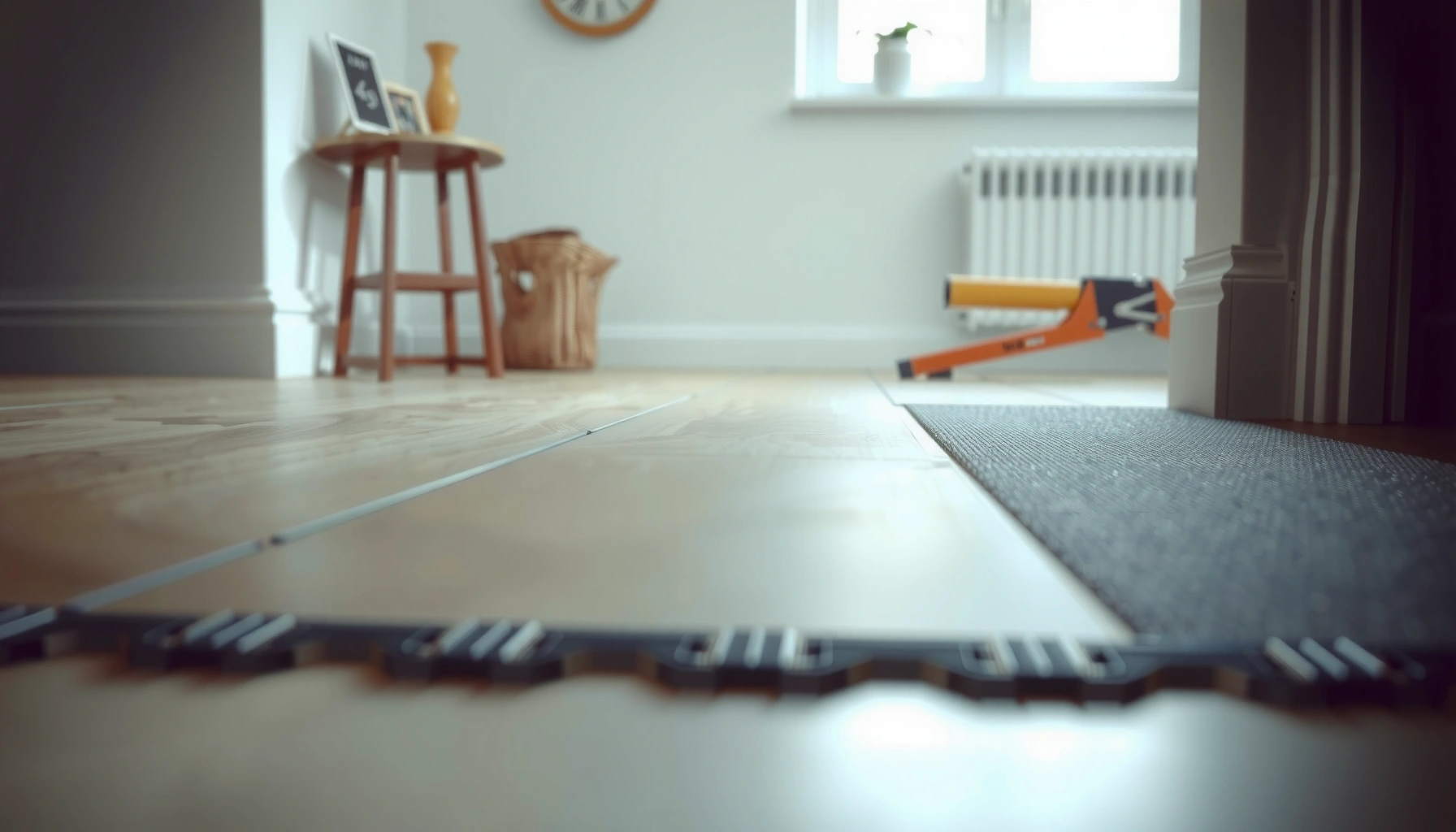
Don’t forget thresholds and transitions
Doorways often act like “mini-ramp” zones due to changes in surface height. If you have:
– tile-to-laminate transitions,
– raised thresholds,
– or uneven transitions,
consider a transition strip or adjustment approach first—traction accessories alone won’t fully fix a raised lip.
Maintain floors to avoid residue that makes laminate slick
Maintenance is where most slip issues are either prevented or caused. The goal is to clean without leaving residue and to avoid over-wetting seams and edges.
Residue from improper cleaners can create a film that reduces friction, making laminate feel more slippery after mopping.
Laminate flooring is not designed for soaking; excess water near seams can create slick conditions and can also damage the underlying layers.
Microfiber mops and damp-cleaning methods help remove grime without leaving shine or film that can lower traction.
Use laminate-approved cleaners and avoid film
If your floor feels slick right after cleaning, stop and reassess:
– switch to a cleaner recommended for laminate,
– use the smallest amount that cleans effectively,
– and avoid “shine” products unless your manufacturer explicitly allows them.
[ADD: source for laminate cleaning best practices—use your flooring manufacturer care guide]
Clean damp, not wet
A simple routine:
– remove loose grit first (dry sweep/vacuum),
– then use a microfiber mop lightly dampened with the recommended cleaner,
– wring thoroughly before mopping.
Over-wetting can migrate toward joints and seams, especially in kitchens and bathrooms.
Dry spills promptly and control moisture at the edges
Moisture near edges and joints can:
– reduce surface traction,
– and accelerate damage from water infiltration.
Treat spills like a safety event: blot quickly, then dry the surrounding area.
What can go wrong (and how to avoid it)
Slip-resistant DIY projects often fail for predictable reasons: incompatible chemicals, over-application, and installation problems that can’t be “coated away.” If you want results that hold up, you need to avoid these common traps.
Waxes, oils, and many off-label sealers can leave a slick film that defeats slip-resistance goals even if the floor looks cleaner.
Over-application of traction treatments can dry unevenly, leaving patches that feel slick under certain lighting and footwear.
If the laminate is uneven, poorly aligned, or has raised transitions, even the best traction product won’t fully solve slip risk.
Common mistakes to avoid
– Using the wrong chemical: waxes, some oils, and generic “floor sealers” can reduce friction or create streaks.
– Over-applying treatments: thicker coats can remain tacky or cure unevenly.
– Damaging the surface: sanding/grinding can destroy the wear layer.
– Ignoring installation faults: unevenness and raised edges must be corrected first.
Standards and traction targets (how professionals think)
Even though laminate isn’t tile, safety planning often uses measurable friction concepts (coefficient of friction / dynamic friction). For example:
– ADA-related guidance commonly references a minimum wet dynamic coefficient of friction of 0.42 for walking surfaces.
[ADD: source for ADA wet DCOF guidance]If you’re choosing products, ask whether the treatment is evaluated under relevant slip-resistance testing methods and whether it remains effective after cleaning.
When to pause DIY and get help
Stop and reassess if:
– your laminate manufacturer explicitly forbids coatings/overlays,
– you can’t confirm what wear-layer finish you have,
– you see widespread installation issues (peaking joints, uneven transitions),
– or you’ve already tried cleaners and the floor stays slick.
Verdict: a safe, practical plan—and who should skip DIY traction steps
If you want the most reliable improvement, combine (1) correct underlayment/installation, (2) laminate-approved slip-resistance products only if necessary, and (3) mats/area rugs in wet and entry zones. This approach reduces slip risk without creating new hazards like residue build-up, temporary tackiness, or compatibility problems.
The downside is that traction upgrades aren’t “instant and universal”—mats can be inconvenient, rugs require maintenance, and approved treatments may be limited by warranty terms. Also, if your floor has major installation defects (raised edges or persistent movement), a coating won’t fix the underlying mechanics.
Skip DIY traction steps if:
– your warranty prohibits coatings or overlays,
– you can’t confirm compatibility with your floor’s care guide,
– you’re dealing with significant subfloor unevenness,
– or you need a guaranteed outcome for a high-liability setting.
For best outcomes, treat this like a system: surface grip + moisture control + maintenance. [ADD: recommend whether you offer a consult or inspection service, if applicable.]
Slip-Risk Reduction Priorities for Laminate Floors
| # | Traction Priority | Primary Risk Addressed | Implementation Difficulty | Safety Fit |
|---|---|---|---|---|
| 1 | Entrance mats (hard-floor compatible) | Tracked wetness | Low | ★★★★★ |
| 2 | Correct underlayment & flat subfloor | Loose/unstable feel | Medium | ★★★★☆ |
| 3 | Damp microfiber cleaning (no film) | Cleaner residue | Low | ★★★★☆ |
| 4 | Non-slip rug pads with flat edges | Rug edge slip | Low | ★★★☆☆ |
| 5 | Laminate-approved traction treatment (spot-tested) | Dry shoe slipperiness | Medium | ★★★☆☆ |
| 6 | Transition fixes (remove lips/raised seams) | Catching & instability | Medium-High | ★★★☆☆ |
| 7 | Sanding/grinding for “extra grip” | Wear-layer damage | High | ★☆☆☆☆ |
Quick checklist: make laminate safer faster
– [ ] Identify whether slipperiness happens when dry, wet, or both
– [ ] Confirm underlayment and installation are correct for your laminate brand
– [ ] Only use laminate-approved slip-resistant treatments (test a hidden area first)
– [ ] Add mats at entries and traction rugs for wet-prone zones
– [ ] Clean with laminate-approved products; avoid film and over-wetting
– [ ] Dry spills quickly and keep water away from seams/edges
FAQ
Can I make existing laminate more slip-resistant without replacing it?
Yes—often the safest route is adding traction accessories (mats/rugs) and using laminate-approved, compatible treatments only when needed. Avoid random coatings that can leave residue or alter the wear layer.
What cleaners make laminate floors feel more slippery?
Common culprits are cleaners that leave film or shine, and anything not labeled for laminate. If your floor feels slick after cleaning, pause that product and switch to a laminate-approved cleaner.
Are rugs safe on laminate floors?
They can be, as long as the rug has a non-slip backing designed for hard floors and the edges lie flat. A curled or worn rug pad can create a new trip/slip hazard.
Is sanding laminate to add grip a good idea?
Usually no—sanding can damage the laminate wear layer and permanently change the surface. If you’re considering any surface modification, stop and check manufacturer guidance first. [ADD: source for manufacturer stance on sanding/modifying laminate]
Sources
– [ADD: source for laminate warranty/finish compatibility guidance]
– [ADD: source for underlayment requirements—use your laminate manufacturer’s installation guide]
– [ADD: source for laminate cleaning best practices—use your flooring manufacturer care guide]
– [ADD: source for manufacturer stance on sanding/modifying laminate]
– [ADD: source for ADA wet dynamic coefficient of friction guidance (e.g., 0.42)]
Frequently Asked Questions
What are the best ways to make laminate floors slip-resistant without replacing them?
Start by improving traction with a slip-resistant laminate floor cleaner and ensuring the surface is not left with soap residue, which can make laminate floors slick. Add area rugs with non-slip backing in high-traffic areas like entryways, kitchens, and hallways. If you need a more direct upgrade, apply a compatible slip-resistant floor coating or use manufacturer-approved anti-slip treatments designed for laminate surfaces.
How can I improve grip on laminate floors in wet areas like bathrooms or kitchens?
Use a non-slip laminate floor mat system at thresholds and near sinks—these are often the biggest slip culprits. Clean with a pH-balanced cleaner and microfiber mop to remove grime without leaving a film. For higher risk areas, consider installing slip-resistant laminate flooring accessories such as non-slip transition strips and edging, and avoid steam mops that can leave laminate surfaces uneven or more prone to slipping.
Which slip-resistant products are safe to use on laminate flooring?
Look for products explicitly labeled safe for laminate flooring and for “slip-resistant” or “anti-slip” use on synthetic surfaces. Common safer options include non-slip cleaners, microfiber mopping systems, and water-activated traction solutions—but always verify compatibility with your floor’s finish and warranty. Avoid abrasive cleaners, harsh degreasers, and DIY coatings that can damage the laminate top layer or create an inconsistent texture.
Why do laminate floors get slippery even after mopping, and how do I fix it?
Laminate can become slippery if cleaners leave a residue, if the floor is over-wet, or if oils and dust aren’t fully removed. Switch to a slip-resistant laminate floor cleaner (or a cleaner specifically made for laminate), mop with minimal water, and dry the surface with a clean microfiber cloth where needed. Regularly check that your mop pads are clean, because dirty pads can spread a thin slick layer.
What is the best DIY method to add traction to laminate floors without damaging the finish?
The safest DIY approach is usually to use traction mats and non-slip rug pads rather than permanently altering the laminate surface. If you want a more permanent solution, choose a manufacturer-approved anti-slip treatment or a slip-resistant floor coating meant for laminate, applied in a thin, even layer. Always test the product in a small, hidden area first and follow cure times carefully before allowing foot traffic.
📅 Last Updated: October 07, 2026 | Topic: How to make slip-resistant laminate floors? | Content verified for accuracy and freshness.
References
- Google Scholar Google Scholar
https://scholar.google.com/scholar?q=slip+resistance+laminate+flooring+friction - Google Scholar Google Scholar
https://scholar.google.com/scholar?q=improving+floor+traction+slip+resistant+flooring+maintenance+wet+friction - Google Scholar Google Scholar
https://scholar.google.com/scholar?q=ADA+surface+slip+resistance+guidelines+coefficient+of+friction - https://pubmed.ncbi.nlm.nih.gov/?term=slip+resistance+floor+surface
- https://www.sciencedirect.com/search?qs=slip%20resistance%20flooring
- https://en.wikipedia.org/wiki/Slip_resistance
- Laminate flooring
https://en.wikipedia.org/wiki/Laminate_flooring - https://www.osha.gov/slips-trips-and-falls
- https://www.cdc.gov/niosh/topics/slips/
- https://www.access-board.gov/ada/guidelines-and-standards/building-blocks/walking-surfaces