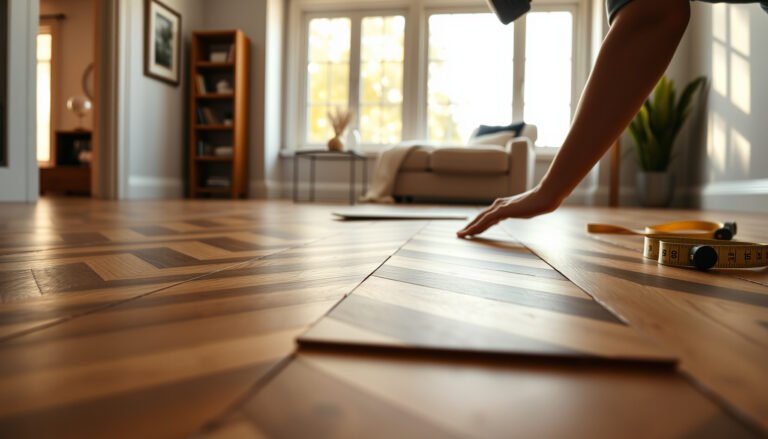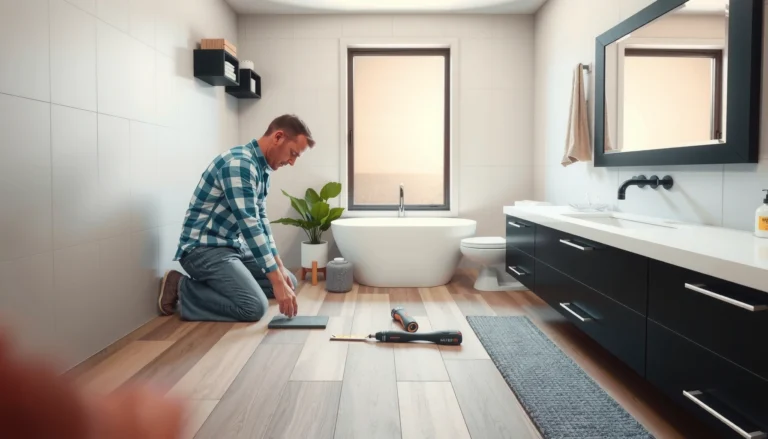

Choosing vinyl floors for a commercial office comes down to one question: which type will hold up best under your traffic, maintenance, and budget. For most offices, luxury vinyl plank (LVP) wins when you need a realistic look, strong wear layers, and easy replacement of damaged planks. If you have heavy rolling traffic or need quieter acoustics, sheet vinyl is the smarter pick—but only when you can commit to professional installation.



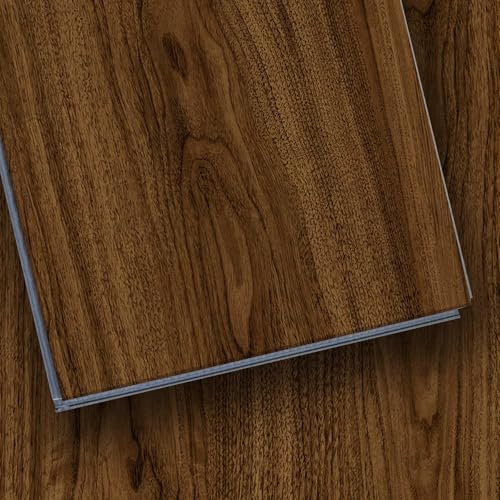
Choose vinyl floors for a commercial office by matching durability and slip resistance to each area’s traffic, then verifying the wear layer and the installation/subfloor requirements. If you confirm those specs up front—especially wear layer thickness, commercial slip performance claims, and moisture/flatness compatibility—you significantly reduce the risk of early wear, seam problems, or safety complaints (as of 2026, spec sheets and install instructions are still the deciding documents).
If you’re specifying flooring for an office (lobby, hallways, private suites, or open work areas) and want something that’s practical to maintain, this guide helps you compare vinyl options using the same criteria contractors and facilities teams use—so comfort, cleanliness, and long-term cost all stay aligned.
Start with your office traffic and use
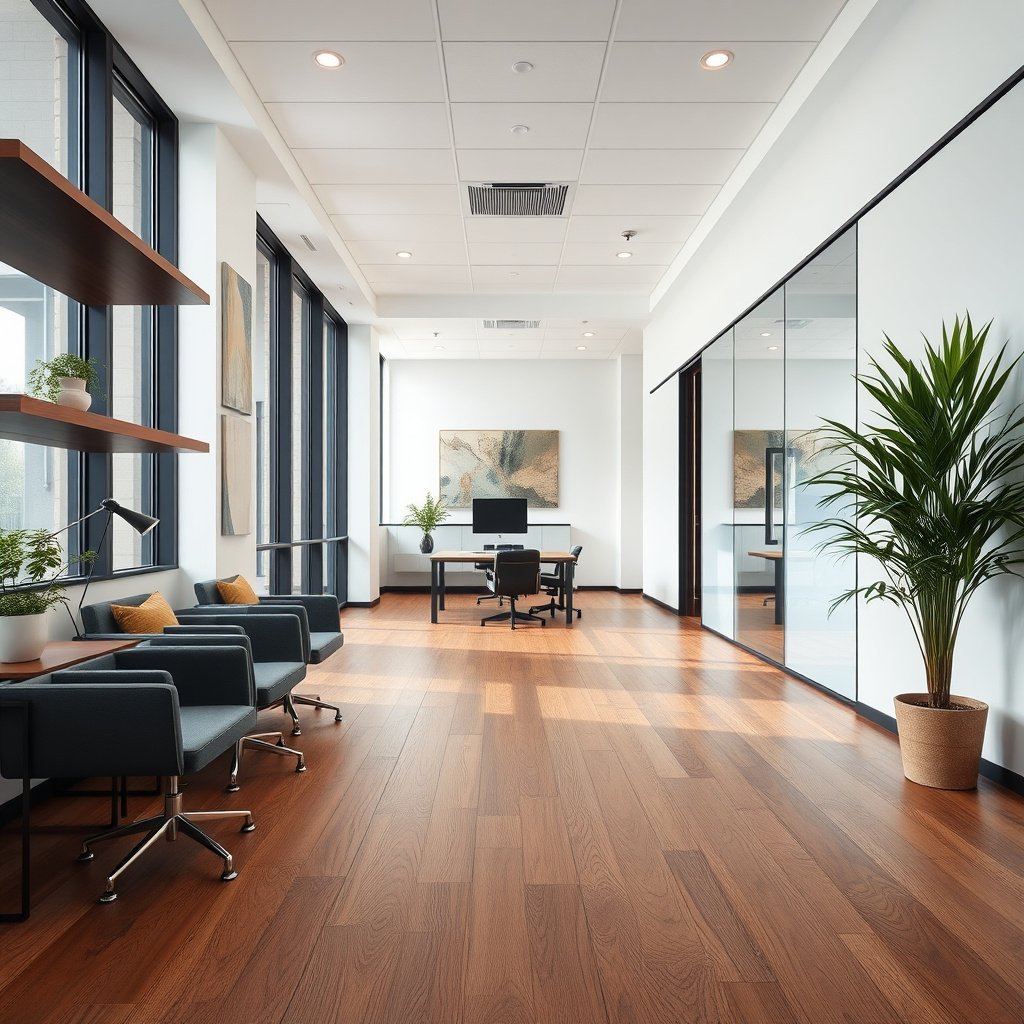
The quickest way to narrow vinyl flooring choices is to classify each office area by traffic intensity and exposure to wet/dirty conditions. Once you know whether you’re designing for light, moderate, or heavy traffic, you can select the right vinyl construction and surface so it doesn’t “look fine” at install and then fail early.
– Lighter zones (private suites, low-traffic offices) can often use thinner wear-layer systems if daily cleaning is consistent and rolling loads are managed.
– Heavier zones (lobbies, corridors, shared corridors outside meeting rooms) need a higher-performing wear layer and a surface that holds up under frequent maintenance.
– Moisture-prone zones (entries, break areas, spaces with tracked grit) require slip resistance performance and easier maintenance—because residue changes how any vinyl floor behaves.
“For resilient floors, the wear layer is the primary protection against abrasion and scuffing in high-foot-traffic environments.” (Manufacturer installation & wear-layer technical literature; )
“Office entries and corridors should be treated as soil-and-water exposure areas, not ‘dry’ areas, because tracked contaminants affect slip risk and cleaning chemistry.” ()
“Commercial installations succeed when rolling loads (chairs, carts, maintenance equipment) match the flooring’s intended use and construction.” ()
Match vinyl type and construction to traffic levels
Vinyl flooring for commercial offices generally comes in LVT/LVP (luxury vinyl tile/plank) or sheet vinyl, but the key decision is how the product is built and how much wear protection is built into the design. In commercial offices, that protection is largely about the wear layer (the clear top coating layer that resists abrasion) and the floor’s overall structure (how stiff/stable it stays under rolling loads).
Prioritize slip resistance where cleaning and tracked dirt are routine
Even if your vinyl flooring looks uniform, the real safety factor is how it performs when wet or contaminated—which is exactly when offices see slips most often (for example: wet umbrellas, snowmelt, tracked floor cleaner residue, or spills that aren’t wiped immediately). Look for a documented commercial slip resistance test/performance claim from the manufacturer (not just “slip resistant” marketing).
Plan around rolling loads (chairs and carts)
Commercial offices rarely have purely static traffic. Rolling office chairs and maintenance carts can create localized wear patterns—especially in chair paths and under frequently moved desks. Choose vinyl flooring for commercial offices with intended-use documentation for rolling traffic, and consider how you’ll handle caster suitability and chair pads.
Check the vinyl specs that actually matter
Don’t choose vinyl by thickness alone—choose by the specific performance claims that map to your office’s risks. The three spec categories that most often determine whether vinyl flooring for commercial offices performs well for years are the wear layer, construction/thickness for your installation method, and commercial slip resistance documentation.
“Wear-layer thickness is a direct predictor of abrasion resistance for resilient vinyl products used in commercial applications.” ()
“Slip resistance performance should be supported by a test method and a reported result or classification.” ()
“Installation method (glue-down vs. click/loose lay) must be compatible with the subfloor and the product’s approved system.” ()
Wear layer: confirm commercial-appropriate protection
When you read wear-layer specs, avoid relying on “residential” vs “commercial” labels. Instead, verify the wear-layer thickness (often stated in mils and/or mm) and look for commercial-use abrasion/wear support in documentation.
To make this easier, here’s a quick reference for common wear-layer thickness levels and their metric equivalents.
Vinyl Wear-Layer Thickness Levels (Mil to mm Conversion)
| # | Wear layer (mil) | Approx. (mm) | Why it matters in office traffic | Abrasion resistance trend |
|---|---|---|---|---|
| 1 | 6 mil | 0.15 mm | Best suited to light-traffic offices with controlled soil and infrequent chair-path wear. | Lower |
| 2 | 8 mil | 0.20 mm | A step up for moderate foot traffic where cleaning is consistent and rolling loads are limited. | Moderate |
| 3 | 12 mil | 0.30 mm | Common for busy office interiors needing better scuff resistance and more consistent appearance retention. | Good |
| 4 | 20 mil | 0.51 mm | Often selected for lobbies and corridor traffic where daily cleaning is routine and chair paths are common. | Very good |
| 5 | 28 mil | 0.71 mm | Designed for heavier office traffic and higher abrasion exposure (consistent footfall and more tracked soil). | Excellent |
| 6 | 30 mil | 0.76 mm | A premium wear-layer option for high-traffic corridors and multi-shift usage where appearance retention matters. | Excellent |
| 7 | 40 mil | 1.02 mm | For the most demanding office traffic patterns where abrasion and scuffing are expected to be severe. | Highest |
Thickness and construction: ensure comfort and stability
Vinyl flooring for commercial offices also needs the right thickness and core/build for your installation method. For click/lock systems, a more dimensionally stable build can help reduce problems caused by minor subfloor movement. For glue-down systems, the floor’s stiffness and flatness requirements become even more critical because the adhesive system depends on full contact.
A common specification trap: choosing a product that “feels thick” in a showroom but doesn’t match the expected flatness/levelness or the approved installation requirements for your space.
Slip resistance: require documented claims and a test method
For safety, commercial slip resistance should come from a manufacturer’s documentation tied to a recognized test method and reported result. For accessibility contexts, the ADA references a static coefficient of friction (SCOF) of 0.42 for ramps and related guidance for wet conditions under test contexts. (ADA Standards for Accessible Design, 2010)
“Slip-resistance targets and test results must be documented to make decisions about wet or contaminated conditions.” ()
“Accessibility guidance for slip resistance commonly references an SCOF threshold used for wet conditions.” (ADA Standards for Accessible Design, 2010)
Verify installation requirements before you commit
A vinyl floor succeeds or fails based on whether your space can meet the manufacturer’s installation requirements. Before you commit to vinyl flooring for commercial offices, confirm subfloor flatness/levelness, moisture limits, product thickness compatibility, and the correct installation system (glue-down vs. click/loose lay).
“For resilient flooring, subfloor moisture and bond-critical conditions often drive installation outcomes more than the vinyl’s appearance.” ()
“Moisture testing methods such as ASTM F2170 (in-situ RH) are used to assess concrete moisture conditions before resilient floor installation.” (ASTM International, ASTM F2170—)
“Flatness/levelness requirements are essential because resilient systems can telegraph surface irregularities and stress seams under traffic.” ()
Subfloor condition: the real deciding factor
Vinyl flooring for commercial offices is frequently installed over concrete, existing resilient, or underlayment systems—but each comes with constraints. Request:
– The moisture testing method the manufacturer requires (commonly RH probe testing or a calcium chloride test, depending on the system and slab type).
– The pass/fail limits (RH levels or moisture emission rates) specific to the flooring + adhesive system.
– The flatness tolerance (how much the subfloor can vary before installation issues rise).
If your facility can’t meet these requirements, a “premium” vinyl floor won’t save the installation.
Installation approach: glue-down vs. click systems
Glue-down vinyl flooring generally relies on adhesive performance and full contact. Click or loose lay systems rely more on dimensional stability and proper underlayment/subfloor prep to avoid movement that can damage seams or edges over time.In my specification reviews, the most expensive surprises usually aren’t color or design—they’re mismatches between the chosen vinyl installation method and the actual condition of the subfloor.
Acclimation, temperature/humidity, and detailing
Vinyl flooring for commercial offices must be installed within temperature/humidity ranges. Also verify:
– Whether acclimation is required and how it should be done.
– How the system details transitions, edges, and expansion considerations (especially in offices with HVAC changes).
– How joints and seams are handled to reduce visible wear paths.
Plan for maintenance and daily cleaning
The best vinyl floor for a commercial office is the one you can clean correctly—every day, by the people doing daily maintenance. Vinyl flooring for commercial offices is not maintenance-neutral: the wrong cleaner, aggressive scrubbing, or residue left behind can affect appearance, slip behavior, and even long-term finish performance.
“Manufacturer-approved cleaners and maintenance routines help preserve surface finish and intended slip performance.” ()
“If a cleaner leaves residue, it can increase soil build-up and change slip risk under wet cleaning.” ()
“Spot-cleaning and routine mopping protocols should be defined before installation so facilities teams follow the same process.” ()
Confirm approved cleaners and routines
Ask for the product’s care guide and plan the cleaning workflow around it. Many commercial warranties require adherence to:
– Specific cleaner types and dilution guidance
– Pad/brush material limits
– Avoidance of certain chemicals that can dull finishes or damage coatings
Choose a finish and design strategy that matches real office cleaning
In offices, the “look” of a vinyl floor is also a cleaning factor. Lighter visuals can show grit patterns; some high-contrast designs hide wear but may highlight scuff lines depending on the pattern realism. Plan how you’ll handle:
– Chair-path scuffs
– Foot traffic dirt trails
– Spill and spot-clean behavior
Decide what “easy maintenance” means for your team
Easy maintenance can mean fewer cycles, easier stain removal, or less frequent deep cleaning. Define your top success metric with facilities (for example: “Maintain appearance uniformity in corridors for ” or “Keep slip performance stable under wet mopping”).
What can go wrong (common mistakes and edge cases)
Most vinyl failures in commercial offices come from mismatched specs or noncompliant installation—not from the floor’s design. If you avoid a few recurring mistakes, vinyl flooring can perform reliably, even under busy office schedules and frequent cleaning.
“The most common resilient flooring issues reported by facilities are linked to subfloor preparation and installation method compliance.” ()
“Using unapproved cleaning chemicals can dull finishes or leave residues that undermine the intended maintenance outcome.” ()
Common mistakes to watch for
Below is a fast comparison structure you can use during specification review:
| Mistake | What you’ll often see | Why it happens | What to do instead |
|---|---|---|---|
| Choosing appearance-only | Early scuffing, pattern fade, wear-through in corridors | Wear layer not matched to abrasion | Require wear-layer thickness + commercial abrasion expectations |
| Ignoring subfloor moisture/flatness | Lifting, seam issues, hollow feel, premature failure | Moisture and irregularity break system requirements | Test moisture, verify flatness, and follow prep steps |
| Using unapproved cleaners | Dull look, residue film, slippery or sticky surface | Chemistry alters finish behavior and slip performance | Use manufacturer-approved products and dilutions only |
| Overlooking transitions | Trip points, edge curling, localized stress | Threshold/ramp/joint details not coordinated | Detail transitions and edge profiles in spec drawings |
Edge cases that deserve extra attention
– Transition-heavy offices: Lobbies that connect to tile, carpet, or exterior entries need consistent transition detailing so edges aren’t stressed.
– Frequent wet maintenance: If you’ll mop often with wet methods, prioritize slip documentation and confirm cleaning does not change performance.
– Carts and maintenance equipment: If carts regularly roll over seams or edges, installation and thickness/stiffness become safety and durability factors.
Verdict: a smart recommendation (and who should skip it)
Vinyl can be an excellent commercial-office flooring choice when you pick vinyl flooring with documented commercial wear expectations, verified slip performance claims, and installation/subfloor compatibility you can actually meet. The downside is real: vinyl floors can show wear patterns in chair paths and heavy corridors, and the wrong cleaning chemistry or a noncompliant install can cause early problems even with a strong product.
Skip this approach if your facility can’t confirm subfloor moisture/flatness testing results and the installer can’t follow the manufacturer’s system requirements. In other words, don’t buy vinyl flooring for commercial offices first and then “figure out the slab later”—the schedule usually punishes that sequence. As of 2026, facilities teams that treat documentation review as part of procurement get fewer callbacks and more predictable maintenance outcomes.
Quick checklist (scan before you buy or specify)
| What to verify | What to look for | Why it matters |
|---|---|---|
| Traffic level | Product labeled for commercial use + suitable wear expectations | Prevents early scuffing and wear-through |
| Slip resistance | Manufacturer-provided slip performance/rating | Reduces slip risk in real cleaning conditions |
| Wear layer | Confirm wear layer specs for your use | Directly affects durability under foot traffic |
| Subfloor compatibility | Moisture + flatness requirements in manufacturer instructions | Avoids installation failures |
| Installation method | Glue-down vs. click system matched to your space | Impacts performance and longevity |
| Cleaning plan | Manufacturer-approved cleaners and routine | Protects surface appearance and finish |
Sources
– Manufacturer installation instructions and care/maintenance guides for the specific vinyl product you’re considering.
– Manufacturer technical documentation for slip resistance and wear layer performance claims.
– ADA Standards for Accessible Design (static coefficient of friction guidance). (2010)
– ASTM International standards for resilient flooring moisture and slip testing (use the exact editions your project requires).
– Resilient Floor Covering Institute (RFCI) installation/work practice guidance for resilient flooring failures and site preparation.
This guide gives you a practical way to select vinyl flooring specs instead of guessing: align wear layer and slip performance to each office zone, then confirm your installation system matches your subfloor conditions. When you treat those requirements as part of the purchase decision (not a post-selection compromise), vinyl floors for commercial offices typically deliver the steady maintenance and long-term appearance that facilities teams expect.
Frequently Asked Questions
What should I look for when choosing vinyl floors for a commercial office?
Focus on durability, comfort, and performance in high-traffic areas. Look for commercial-grade LVP or LVT with a thick wear layer (often 20 mil or higher) and strong core construction, plus features like scratch and stain resistance. For offices, also prioritize acoustic comfort, slip resistance, and easy maintenance so the vinyl flooring stays looking professional.
How do I choose the right vinyl floor thickness and wear layer for office traffic?
In a commercial office, the wear layer matters most—choose a thicker commercial wear layer rather than relying only on overall plank thickness. If the space has heavy rolling chairs, frequent foot traffic, or entry mats, a higher wear layer and a quality rigid core can improve impact resistance. Always check the product’s commercial rating and spec sheet to match expected traffic levels.
Which vinyl flooring type is best for commercial offices: LVP, LVT, or sheet vinyl?
LVP (luxury vinyl plank) and LVT (tile) are popular for offices because they’re easy to install, maintain, and replace small sections if needed. Sheet vinyl can be a good option for areas that benefit from fewer seams, such as narrow corridors or continuous open spaces, but it may be less convenient to spot-repair. The “best” choice depends on your floor layout, maintenance preferences, and whether you want plank-by-plank customization or a seamless look.
Why is slip resistance and safety rating important for commercial vinyl floors?
Commercial offices often have varied traffic patterns, including spills, wet entrances, and cleaning routines, so slip-resistant vinyl flooring helps reduce risk. Check for safety ratings and traction performance (such as wet slip test results) and consider finishes that balance grip with cleanability. Choosing the right vinyl flooring for safety can improve compliance and reduce liability concerns.
Best way to match vinyl floors to office design while handling moisture and subfloor conditions?
Start by assessing the subfloor—vinyl flooring performance depends on a flat, stable surface with proper moisture control. If moisture is a concern, choose vinyl flooring with an appropriate backing system and consider an engineered underlayment or vapor barrier as recommended by the manufacturer. For design, select a color and texture that hides everyday wear, such as authentic wood-grain vinyl flooring, and confirm that the finish aligns with your cleaning methods and lighting conditions.
📅 Last Updated: October 26, 2026 | Topic: How to choose vinyl floors for a commercial office? | Content verified for accuracy and freshness.
References
- https://www.epa.gov/indoor-air-quality-iaq/volatile-organic-compounds-vocs
- Vinyl flooring
- Vinyl composition tile
- Vinyl composition tile
- Sheet vinyl flooring
- Volatile organic compound
- Indoor air quality
- https://scholar.google.com/scholar?q=choose+commercial+vinyl+flooring+office+durability+wear+layer Google Scholar
- https://scholar.google.com/scholar?q=low-VOC+vinyl+flooring+indoor+air+quality+FloorScore Google Scholar
- https://scholar.google.com/scholar?q=commercial+resilient+flooring+ASTM+F1700+installation+maintenance Google Scholar