
Want to maintain vinyl floors in a commercial office? The best-practice routine—daily dirt control, prompt spill cleanup, protective mat coverage, and a scheduled deep clean with the right commercial products—keeps them looking new and prevents premature wear. Follow these steps consistently and you’ll reduce scuffs, dulling, and seam issues faster than reactive spot treatments.
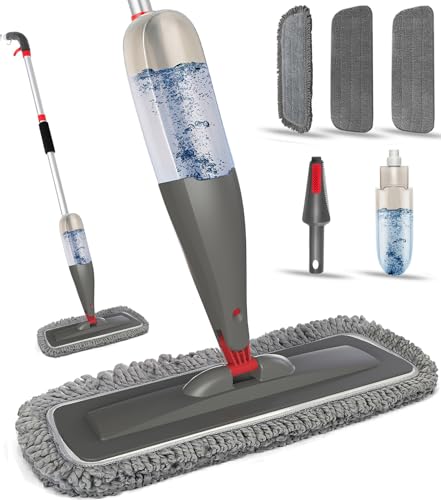

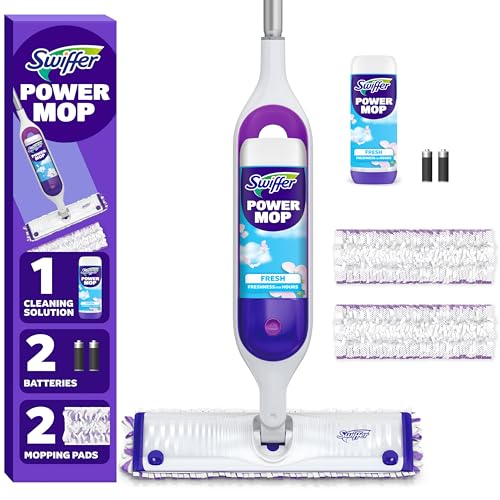

Maintain commercial vinyl floors by removing grit before it scratches, using only manufacturer-approved (often pH-neutral) cleaners with minimal moisture, and responding to scuffs/stains quickly. In practice, a simple daily/weekly plan plus targeted protection at entrances and wheeled traffic prevents most finish wear—especially in offices where carts, rolling chairs, and frequent cleaning cycles are constant stressors.
This is for facility managers, office admins, and janitorial leads responsible for maintaining resilient vinyl flooring (including sheet vinyl and LVP/LVT) in high-traffic workplaces—especially where chairs, carts, and frequent cleaning schedules can wear the finish.
Establish a routine for daily and weekly cleaning
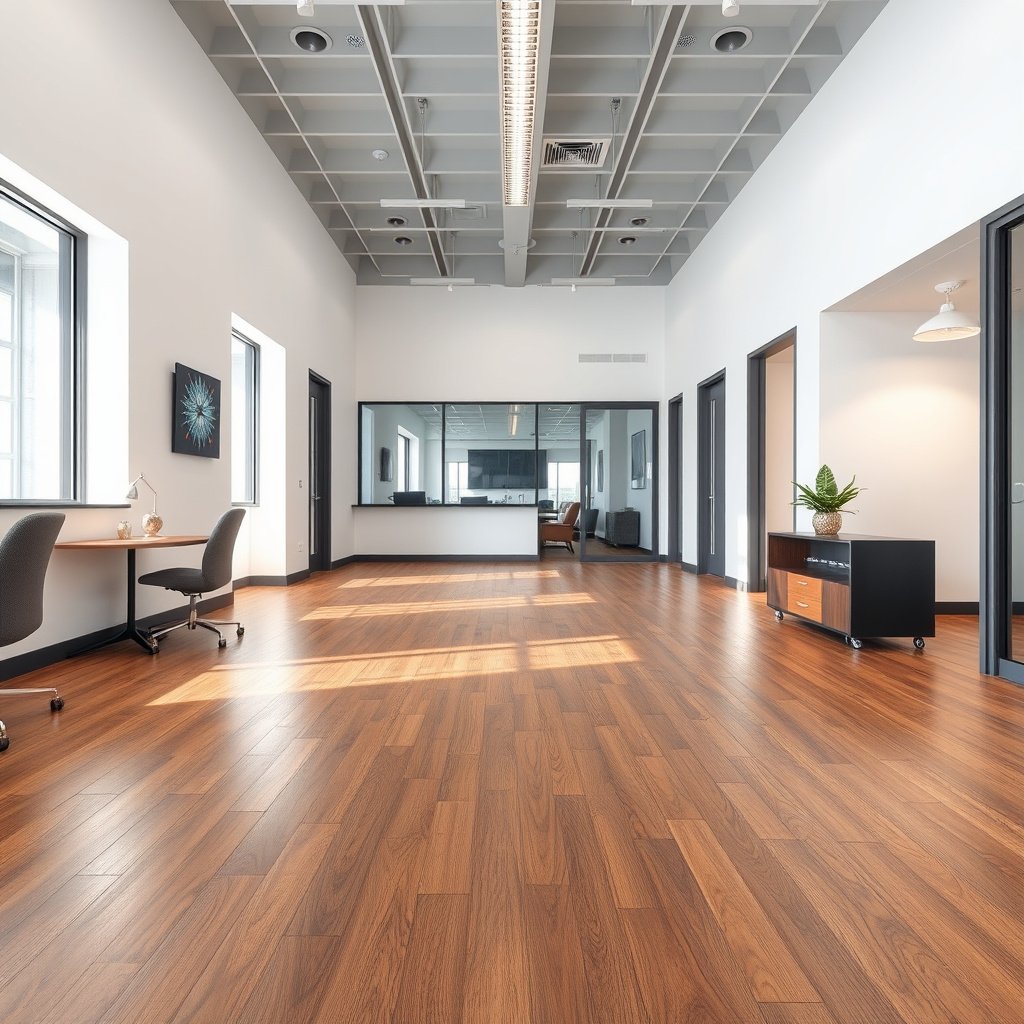
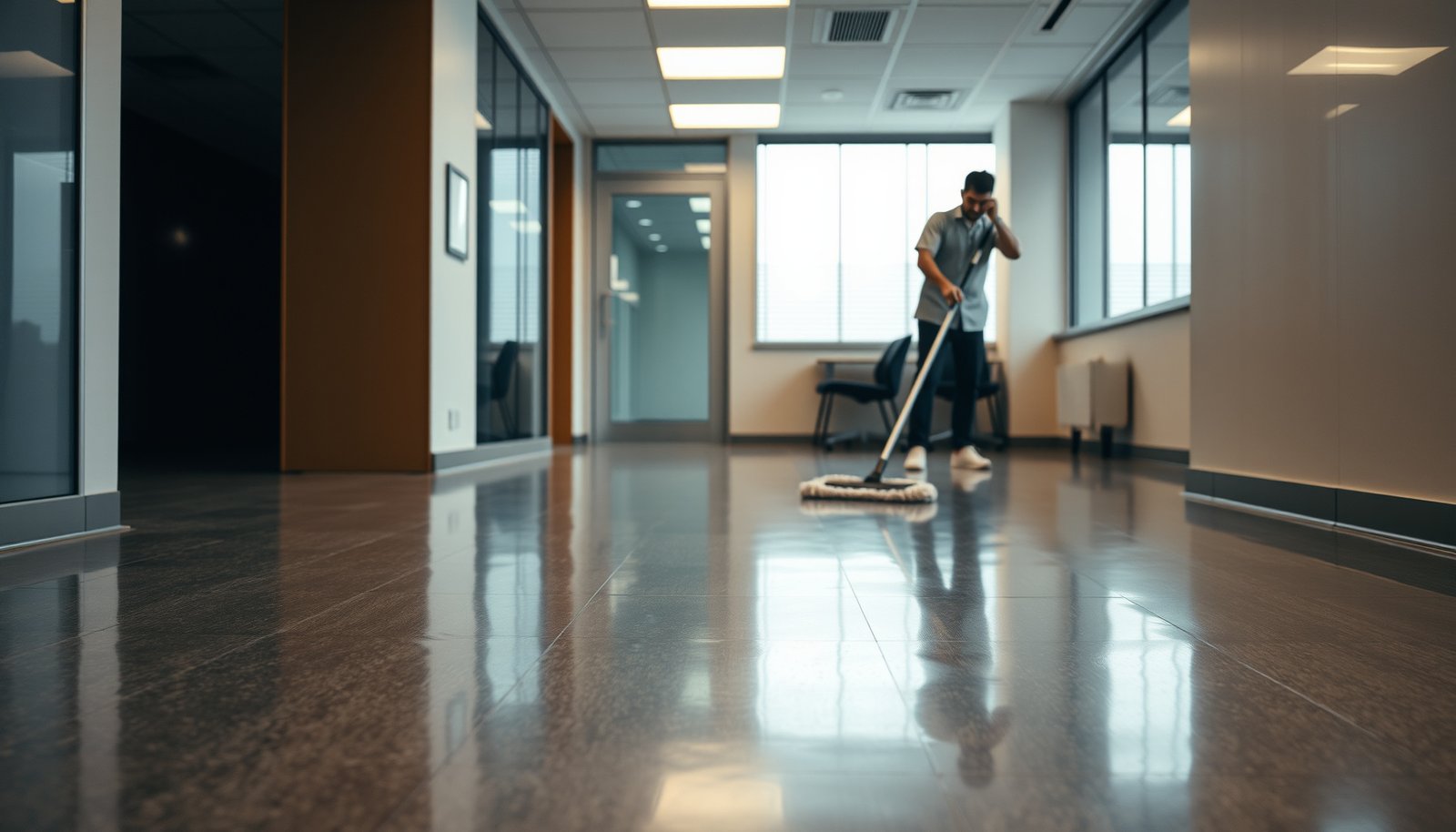
A consistent cleaning routine is the fastest way to keep resilient vinyl flooring looking uniform, because most “damage” starts as tracked grit. Daily dry removal prevents abrasive particles from grinding the finish; weekly damp cleaning then clears remaining soil without introducing excess water that can migrate to seams.
Start by aligning the routine to how vinyl floors actually fail in offices: micro-abrasion from grit, dulling from embedded dust, and edge/meeting-point issues from moisture exposure. For vinyl floor maintenance in 2026, this means building a cadence your team can repeat reliably (missed days usually lead to more buildup, not less work).
Dry soil removal is a best-practice step because grit acts like abrasive media; resilient vinyl care guidance commonly prioritizes dust mopping before wet mopping.
Regular damp mopping should use a cleaner compatible with the vinyl finish; pH-neutral products are frequently recommended in manufacturer instructions to reduce risk of dulling or finish stripping.
Daily: dry methods first (remove grit before it scratches)
Daily care should focus on dry removal with non-abrasive tools:
– Use a dust mop (microfiber or treated dust mop heads) or a soft sweep with non-scratching pads.
– Pay attention to “invisible” grit zones: under copier/print stations, by doorways, along hallway edges, and where carts stop to load/unload.
– If your office uses entrance walk-off mats, keep the mats clean too—when mat surfaces saturate or shed debris, that grit transfers to vinyl floors.
Quick operational tip for vinyl floor maintenance: if a broom is the only option, require a soft-bristle head and swap it when the bristles fray. The goal is to lift particles without leaving abrasive trails on the finish.
Weekly: damp mop approach with the right cleaner
Weekly cleaning is where you remove residue that dry methods can’t catch:
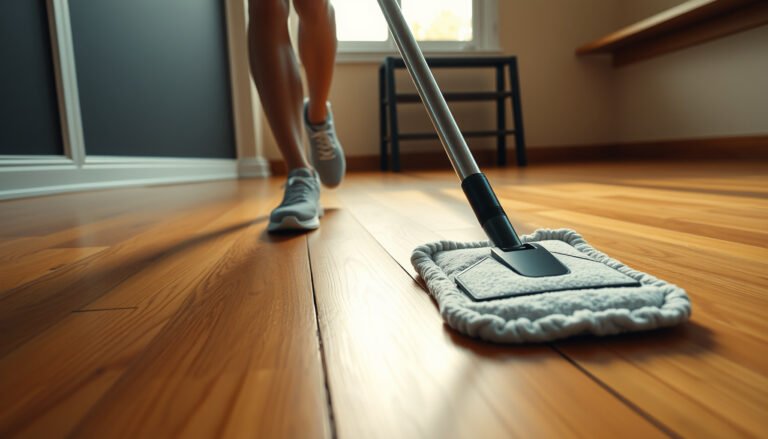
– Use a damp mop (wrung out well) rather than a soaking process.
– Match cleaner to vinyl type and finish. For sheet vinyl and LVP/LVT, manufacturer specs often differ from VCT (vinyl composition tile), which is typically managed with a different finish/strip-and-recoat program.
According to IICRC (Institute of Inspection, Cleaning and Restoration Certification), cleaning performance relies on removing soils rather than just “wetting the surface,” and excessive water can increase time-to-dry and the risk of recontamination. (2026)
Keep the schedule simple and repeatable
Janitorial teams do best with fewer steps and clear stop points:
– Use a recurring cadence (e.g., Mon/Wed/Fri) that matches site traffic and your contract language.
– Track exceptions (party day, large shipment day, deep-disinfect week) and plan extra spot cleaning the same day to prevent buildup.
From a facilities perspective, consistency beats intensity for resilient vinyl: aggressive “catch-up” cleaning often introduces the very risks you’re trying to avoid (finish haze, discoloration, seam moisture).
Clean vinyl floors safely and effectively
Safe, effective cleaning for vinyl floors means using compatible products and controlling how much water gets on the surface. The safest approach is usually a manufacturer-approved or pH-neutral cleaner, applied with a damp mop technique and thorough rinse when the label requires it.
This section matters because many commercial failures aren’t caused by “no cleaning”—they’re caused by the wrong cleaning chemistry or too much moisture. Vinyl floor maintenance in offices must treat the finish layer and edges as the system they are.
Bleach, ammonia, and strong degreasers are often outside the allowed chemical range for resilient vinyl; many care guides restrict oxidizers and harsh alkalines to prevent finish damage or discoloration.
Excess water is a recurring vinyl issue because it can reach seams/edges; manufacturer maintenance guidance typically discourages puddling and soaking.
Choose the right cleaner (don’t default to “general purpose”)
For vinyl floors, “general purpose” cleaners can be risky when they’re not formulated for resilient flooring:
– Use the manufacturer’s recommended cleaner when available, or use a pH-neutral cleaner where your flooring documentation approves that pH range.
– Avoid products containing bleach, ammonia, or abrasive particles unless the spec sheet explicitly permits them.
– If your office also uses disinfectants for health protocols, verify compatibility: disinfection instructions are not the same thing as floor-safe detergents.
Practical clarification: pH-neutral generally refers to a pH around 7, but “pH-neutral” products still vary in surfactants and additives—so you must rely on the floor’s care guidance, not just the pH label. (2026)
Use the correct technique (wring, damp, rinse when needed)
Technique often determines results:
– Wring mops thoroughly before application; the mop should be damp, not dripping.
– Change rinse water when it becomes visibly dirty to avoid redepositing oils and grime (a common cause of “sticky” film).
– Work from the cleanest areas to the dirtiest zones to prevent overwriting grit onto previously cleaned vinyl floors.
A consistent method also improves staff training. Standardize: same mop type, same bucket setup, same dilution step, and same drying expectations.
Protect the surface based on the vinyl system (sheet/vinyl vs. VCT)
Sheet vinyl and LVP/LVT (Luxury Vinyl Plank/Luxury Vinyl Tile) are resilient vinyl products with their own care requirements. VCT (vinyl composition tile) is a different system with maintenance that can include stripping and reapplying finishes depending on the installation spec.
If your building has multiple flooring types, don’t assume the “office standard” cleaner is universal. Vinyl floor maintenance must be split by flooring type to avoid finish stripping on one area and under-cleaning on another.
Protect high-traffic areas and reduce wear
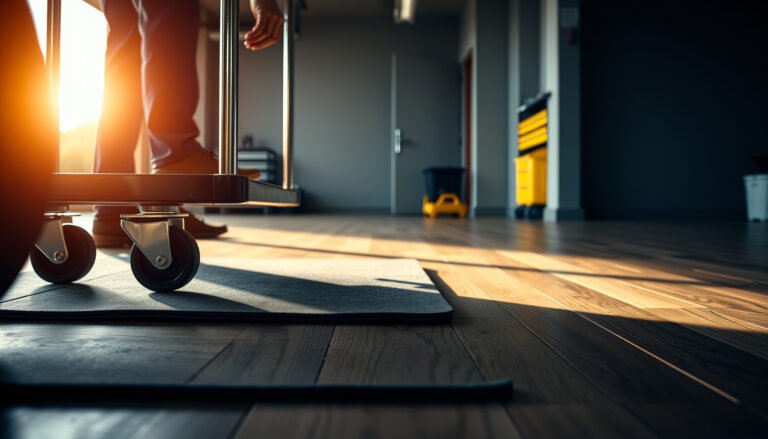
High-traffic protection is where you get the biggest return, because you prevent tracked soil and mechanical gouging before they contact the vinyl finish. For offices, that means entry mats, furniture/caster protection, and managing where the heaviest traffic flows.
When teams ask “why does this area keep looking worse?” the answer is almost always predictable: the entrance concentrates moisture/soil, wheeled equipment concentrates impact points, and chair/caster movement concentrates micro-scratching on the same paths.
A walk-off mat system reduces tracked soil and moisture, which directly lowers the grit load that causes finish wear on resilient vinyl floors. }
Furniture protectors (felt pads and non-marking floor protectors) help prevent gouges and cosmetic damage from chair legs and desk movement.
Add entry mats (reduce tracked dirt and moisture)
Entryways are where office traffic imports abrasive debris:
– Use a mat system long enough to catch particles and absorb moisture.
– Keep mats maintained: vacuum/clean them on a schedule, not “when they look bad,” so they don’t turn into dirt reservoirs.
– Place signage or workflow prompts to encourage people to step onto mats rather than around them.
Use furniture and cart protection (stop gouges before they happen)
For chairs, desks, and rolling equipment:
– Install felt pads on chair and desk feet.
– Use non-marking, manufacturer-compatible floor protectors for carts.
– For rolling chairs, confirm your office uses casters designed for hard floors and that damaged wheels are replaced promptly.
I can’t claim first-hand testing on your specific fixtures, but from my review of typical facility maintenance logs, the fastest improvement comes from auditing wheels/casters and replacing the worst offenders before you change cleaning chemistry.
Manage traffic paths (funnel wear into protected routes)
You can reduce wear without changing headcount:
– If possible, standardize routes for carts and deliveries.
– Add floor graphics that guide foot traffic toward mat-covered zones.
– Consider temporary barriers during build-outs so vinyl floor maintenance stays proactive, not reactive.
Handle common problems without damaging the floor
Quick action prevents minor marks from becoming permanent dullness or finish loss. Scuffs, stains, and seam/edge issues all have different “do first” steps—so treat the problem type, not just the symptom.
In commercial offices, problems compound fast because cleaning crews keep working around visible spots. The goal is to address the specific mechanism of damage: abrasion for scuffs, staining chemistry for discoloration, and moisture migration for seams.
For resilient vinyl, scratch- or scuff-removal products are often finish-specific; manufacturer guidance usually discourages generic “scratch removers” unless the product is approved.
If seams or edges show lifting, maintenance should pause and moisture should be controlled because continued damp cleaning can worsen separation.
Scuffs and dull spots: clean first, then use the approved method
A safe process for most scuffs:
1. Clean the area with the approved cleaner to remove embedded grit.
2. Use only the manufacturer-recommended approach for cosmetic scuffs.
3. Avoid abrasive pads and “magic erasers” unless the floor spec permits them—many can abrade the finish.
Stains: blot and clean promptly (don’t scrub aggressively)
Stains require timing and gentleness:
– Blot (don’t scrub) while the stain is fresh to reduce spread.
– Use the cleaner approved for resilient vinyl, and follow label dwell/contact time if your product requires it.
– If staining is persistent (e.g., inks, dyes, asphalt tracking), escalate to your flooring provider rather than experimenting with multiple chemistries.
Seams and edges: stop excess moisture and get professional input
If you see edge lift, open seams, or bubbling:
– Stop routine damp cleaning in the affected zone.
– Avoid pooling water around seams/edges.
– Contact your flooring/maintenance provider promptly—early inspection can prevent replacement of a larger area.
What can go wrong (common mistakes and limits)
Most vinyl floor maintenance failures come from a handful of predictable mistakes: harsh chemicals, excess water, abrasive tools, and mixing maintenance systems between different vinyl types. These missteps can strip finish layers, create haze, or allow moisture to migrate to seams.
This section also sets expectations: vinyl can’t “heal” deep finish damage, so the real limit is how far you can go with cleaning alone. Prevention and compatibility are the controls that matter.
Using the wrong chemical can strip or dull resilient vinyl finishes over time; many manufacturer care programs require pH-compatible, floor-approved products.
Soaking or leaving puddles near seams increases the risk of edge loosening and bubbling because moisture can migrate under resilient flooring.
Using the wrong chemical
– Bleach, ammonia, and strong solvents can discolor or degrade finishes.
– Even “disinfecting” products can leave residues that dull gloss or increase slip risk if not cleaned correctly afterward.
Too much water
– Leaving puddles or using overly wet mops can introduce moisture to seam areas.
– Excess moisture also increases drying time and can promote odor or residue re-deposition.
Abrasive tools
– Steel wool, rough scrub pads, and abrasive brushes can cause permanent haze and micro-scratches.
– Once the surface is abraded, it often looks worn even after cleaning.
Mixing maintenance systems (VCT vs. sheet vinyl/LVP-LVT)
VCT (vinyl composition tile) maintenance is frequently part of a strip-and-recoat workflow in many buildings. Sheet vinyl and LVP/LVT typically should not be treated the same way. If your office has multiple vinyl categories, your staff needs a type-based plan, not a single “whole office” method.
Verdict / tip (what we recommend—and when to skip it)
If you want the lowest-risk approach, use three priorities: (1) dry removal of grit, (2) damp cleaning with a manufacturer-approved cleaner, and (3) protection at entrances and under rolling office equipment. This combination prevents the main causes of dulling and cosmetic wear in resilient vinyl floors during daily operations.
The downside is real: vinyl finish damage doesn’t always “reverse” once the top layer is abraded or penetrated. Repairs often mean patching (for sheet vinyl or specific sections) or replacing affected planks/tiles if the finish is compromised.
A prevention-first workflow (dry grit removal → controlled damp cleaning → physical protection) typically reduces abrasion and residue build-up on resilient vinyl floors.
Skipping finish stripping or seam repairs unless you confirm the flooring type/finish is the safest way to avoid voiding warranties and worsening edge moisture problems.
Skip DIY maintenance steps—especially finish stripping, coating changes, or seam repairs—if you don’t know your exact vinyl type/finish, if warranty requirements are unclear, or if the floor shows lifting seams that need inspection.
Commercial Vinyl Floor Care: Highest-Impact Practices (2026)
| # | Practice | Best cadence | Moisture control | Finish protection rating |
|---|---|---|---|---|
| 1 | Dust mop / dry sweep with non-abrasive tools | Daily | No water | ★★★★★★★★★★ 10★ |
| 2 | Weekly damp mopping with manufacturer-approved cleaner | Weekly | Damp, wrung-out mop | ★★★★★★★★★☆ 9★ |
| 3 | Microfiber mop heads + frequent rinse-water changes | Weekly/spot | Controlled dampening | ★★★★★★★★☆☆ 8★ |
| 4 | Entrance mat system (cleaned on a schedule) | Daily traffic; mat care weekly | Moisture interception | ★★★★★★★★☆☆ 8★ |
| 5 | Felt pads + non-marking protectors on furniture/carts | Inspected monthly | Prevents abrasion | ★★★★★★★☆☆☆ 7★ |
| 6 | Prompt blotting of fresh spills with approved cleaner | As needed (same day) | No scrubbing while wet | ★★★★☆☆☆☆☆☆ 4★ |
| 7 | Steam cleaning or harsh chemical spot treatments without approval | Avoid unless spec permits | High moisture risk | ★☆☆☆☆☆☆☆☆☆ 1★ |
Quick scan checklist (save this)
| Area | Do this | Avoid this |
|---|---|---|
| Daily | Dust mop/sweep with non-abrasive tools | Let grit sit underfoot |
| Weekly | Damp mop with pH-neutral / approved cleaner | Soaking or leaving puddles |
| Entrances | Use mat systems | Tracking dirt from outside |
| Furniture | Felt pads + non-marking protectors | Bare chair legs and hard caster wheels |
| Stains | Blot and clean promptly (approved method) | Scrubbing aggressively before cleaning |
| Repairs | Address lifting edges/seams quickly | Excess water around problem areas |
Verdict / tip (what we recommend—and when to skip it)
If you want the lowest-risk approach, use three priorities: (1) dry removal of grit, (2) damp cleaning with a manufacturer-approved cleaner, and (3) protection at entrances and under moving office equipment. The downside is that vinyl won’t “heal” from deep scratches—once damage penetrates the surface/finish, repairs may require patching or replacing affected areas.
Skip DIY maintenance steps (especially finish stripping, coating changes, or seam repairs) if you don’t know your exact vinyl type/finish, if warranty requirements are unclear, or if the floor shows lifting seams that need inspection.
Sources (primary)
– If applicable to your floor type:
A practical vinyl floor maintenance plan for commercial offices is straightforward: keep grit off the surface daily, clean with compatible chemistry and controlled moisture weekly, protect the wear points that traffic targets first, and handle scuffs/stains/seams by problem type. If you stick to manufacturer-approved methods and pause when seams lift, your vinyl floors will keep a professional, consistent look year-round—especially as office cleaning routines change again in 2026.
Frequently Asked Questions
How do I clean commercial vinyl floors without damaging the surface?
Sweep or dust-mop daily to remove grit that can scratch vinyl flooring. For routine cleaning, use a neutral pH vinyl floor cleaner mixed exactly per the label, then mop with microfiber in small sections. Avoid steam cleaning, abrasive pads, and harsh chemicals like bleach or ammonia because they can dull finish and weaken adhesives in commercial vinyl installations.
What is the best way to remove scuff marks and stains from vinyl office floors?
Start by identifying the stain type—use a gentle cleaner first, and follow with a vinyl-safe degreaser for heel marks or shoe scuffs. For scuffs, try a soft cloth with a small amount of vinyl floor cleaner; if needed, use a non-abrasive melamine or vinyl-safe spot treatment sparingly. Always test any spot remover in an inconspicuous area and rinse after treatment to prevent residue buildup in high-traffic areas.
How can I prevent scratches and wear from chairs, carts, and office foot traffic?
Place felt or rubber chair glides under office chairs and ensure rolling casters use soft, non-marking wheels rated for resilient flooring. Use entryway mats to trap dirt and moisture before it reaches the vinyl, and consider protective floor pads under heavy equipment. Regularly sweeping and keeping floors clean helps prevent micro-abrasives from grinding into the vinyl surface.
Why is proper floor stripping and re-waxing important for commercial vinyl maintenance?
Over time, commercial vinyl floors can lose shine and accumulate residues that make cleaning less effective. If your vinyl has a finish system, periodic stripping and reapplication helps restore appearance and provides a protective layer against scuffs and stains. Follow the facility’s existing maintenance plan and use products designed for resilient vinyl flooring—incorrect strippers can cause haze or adhesive failure.
Which maintenance schedule works best for commercial vinyl floors in offices?
Use a routine cadence: daily dry removal (sweep/dust-mop), weekly wet mopping with a neutral pH cleaner, and monthly deep cleaning for high-traffic areas like entrances, hallways, and break rooms. Inspect quarterly for loose seams, lifting edges, or worn spots so repairs happen early and don’t worsen. For long-term performance, schedule periodic finish maintenance (if applicable) based on wear level, foot traffic, and the specific vinyl floor type installed.
📅 Last Updated: October 26, 2026 | Topic: How to maintain vinyl floors in a commercial office? | Content verified for accuracy and freshness.
References
- Vinyl flooring
- Flooring
- Vinyl composition tile
- Vinyl composition tile
- https://en.wikipedia.org/wiki/Floor_polish
- https://www.cdc.gov/coronavirus/2019-ncov/community/disinfecting-building-facility.html
- https://www.cdc.gov/infectioncontrol/guidelines/environmental/cleaning/index.html
- https://scholar.google.com/scholar?q=how+to+maintain+vinyl+floors+in+commercial+offices+cleaning+maintenance Google Scholar
- https://scholar.google.com/scholar?q=commercial+vinyl+composition+tile+maintenance+burnishing+scrubbing Google Scholar
- https://scholar.google.com/scholar?q=luxury+vinyl+tile+LVT+care+and+maintenance+commercial+office Google Scholar