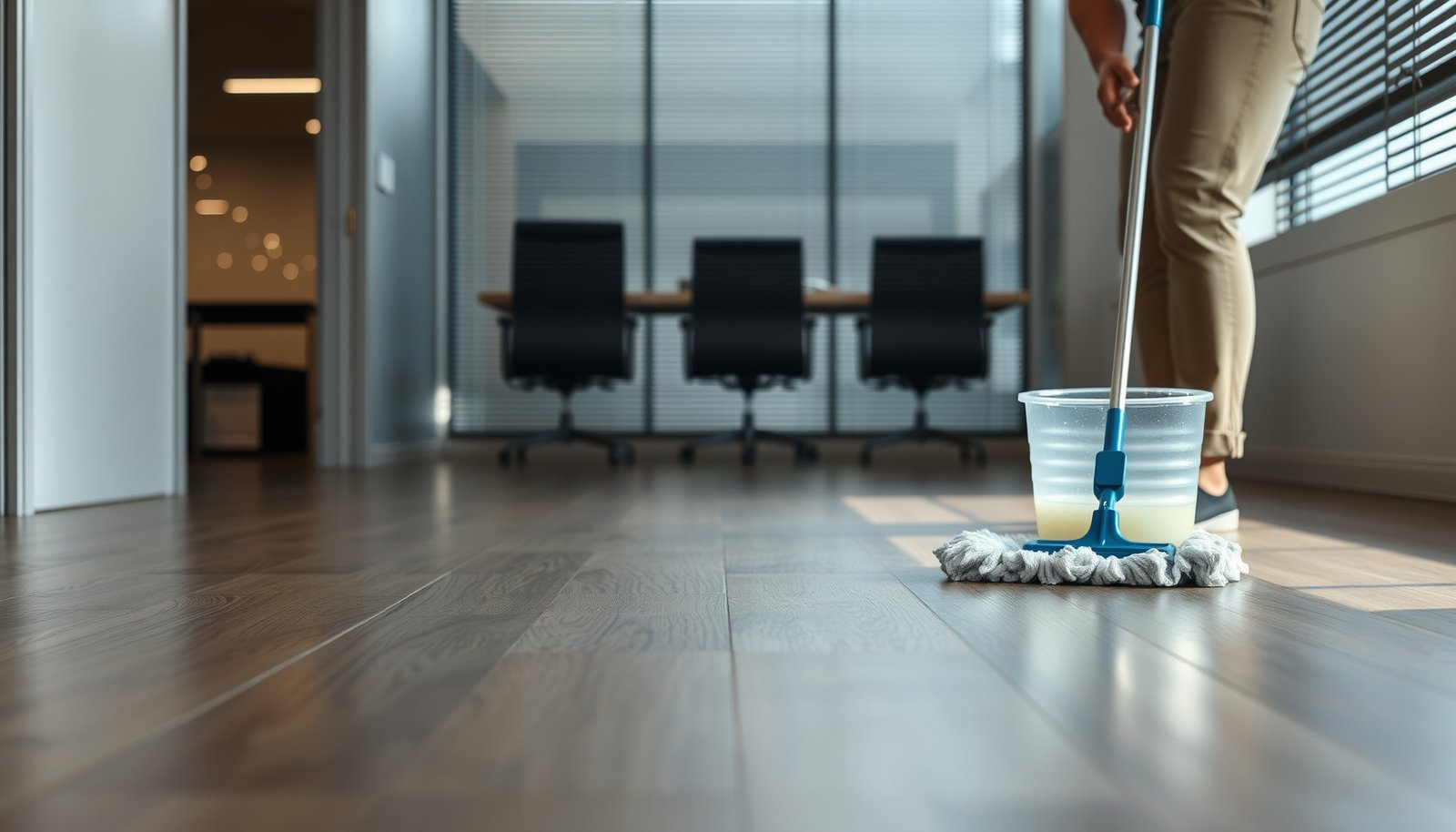

Want to clean vinyl floors in a commercial office without guesswork? This step-by-step guide shows the fastest, safest method to remove everyday dirt and grime, lift scuffs, and avoid the dulling and swelling that come from wrong products. You’ll follow a clear sequence for prepping, spot-cleaning, mopping, and drying so your floor looks professional and stays that way.
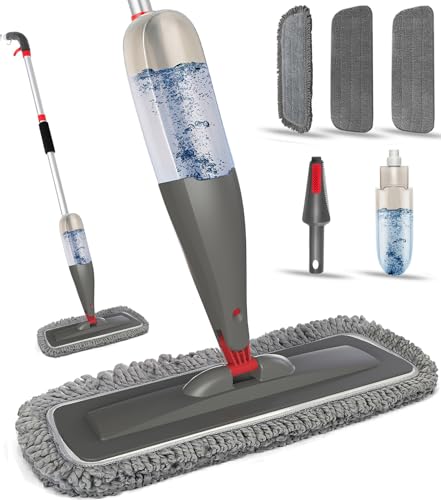


Clean vinyl floors in a commercial office by removing grit first, then mopping with a manufacturer-approved vinyl cleaner (usually neutral pH) using damp—never steam—and plenty of clean water. For scuffs and residue, use gentle, non-abrasive pads and the right spot cleaner so you don’t damage the protective surface finish that keeps vinyl looking sharp in 2026.
If you manage facilities, coordinate office cleaning, or maintain vinyl sheet/vinyl plank floors in high-traffic areas, this step-by-step routine is built for what typically goes wrong day to day: grit-driven dulling, sticky residue, and scuffs around entrances, desks, and copier rooms.
Gather the right supplies and prep the floor
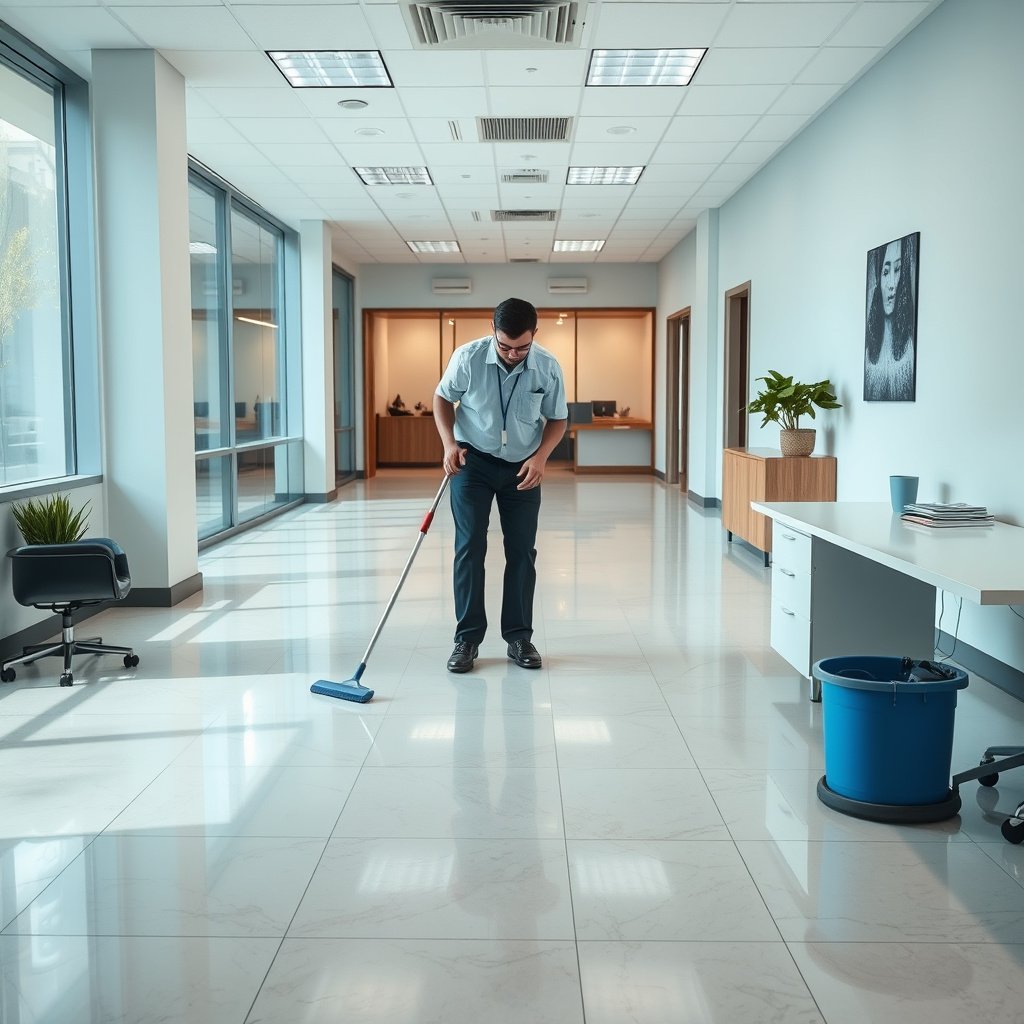
Start with the correct care approach for commercial vinyl floors: check the manufacturer’s care guide first, then dry-remove grit before any wet cleaning. Here’s why—vinyl is resilient, but the grit tracked in daily acts like sandpaper and creates micro-scratches that dull the finish over time.
Vinyl floors (sheet and plank) often have a factory-applied wear layer plus (sometimes) an additional maintenance coating. In my experience coordinating cleaning standards across multiple office sites, the biggest quality difference comes from “prep hygiene”: when grit is removed properly, the mopping step becomes far more consistent and streak-free. That’s especially true in 2026 as offices return to higher occupancy after hybrid work patterns.
“Grit is the #1 cause of scratches on resilient floors, so dry removal (dust mopping or vacuuming with a soft tool) should happen before any wet process.”
“Neutral pH cleaning is commonly recommended for vinyl because aggressive alkalinity or acidity can stress finishes and accelerate dulling.”
“Avoid steam cleaning on many vinyl floor systems because heat and excess moisture can migrate at seams and edges, leading to haze or lifting.”
What to do first (and what to confirm)
– Check your vinyl flooring manufacturer’s care guide first, especially for approved cleaners and whether the floor has a protective finish/coating. This matters because “vinyl” is a broad category: some products are designed to be reconditioned or stripped-and-recoated under specific conditions, while others must remain chemically untouched.
– If your office has both sheet vinyl and vinyl plank, treat them as separate systems even when they look identical—care requirements can differ by wear layer and locking profile.
Remove grit properly (before you add water)
– Use a dust mop, broom, or vacuum with a soft floor tool to remove grit before any wet cleaning (grit is the #1 cause of scratches).
Focus on: entryways, elevator lobbies, under chairs/rolling carts, and along baseboards where dust gathers.
Quick chemistry anchor (why “neutral pH” is such a common recommendation)
According to IUPAC, pH 7.0 at 25°C is neutral (2013) (IUPAC standard terminology for pH). Many commercial vinyl-care instructions therefore point staff toward neutral-pH detergents to reduce finish stress.
Common Floor Cleaner Chemistries & Their Typical pH (25°C)
| # | Cleaner chemistry | Typical pH range | Typical office use | Vinyl finish safety (relative) |
|---|---|---|---|---|
| 1 | Neutral detergent (vinyl-safe “general cleaner”) | 6.0–8.5 | Daily damp mopping | ★★★★★ |
| 2 | Mild alkaline cleaner (low-surfactant) | 8.5–10.5 | Traffic-zone spot cleans | ★★★★☆ |
| 3 | Ammonia-based glass cleaner | 10.0–12.0 | Glass & metal | ★★☆☆☆ |
| 4 | Chlorine bleach / sodium hypochlorite | 11.0–13.0 | Disinfection (often not vinyl-safe) | ★☆☆☆☆ |
| 5 | Oxygen bleach (peroxide-based) | ~2.0–4.5 (formulation dependent) | Stain/odor products | ★★★☆☆ |
| 6 | All-purpose solvent degreaser (varies) | Often alkaline (8.0–11.0) | Heavier grease removal | ★★☆☆☆ |
| 7 | Acidic descaler / citric-type cleaner | 1.0–3.5 | Scale & mineral deposits | ★☆☆☆☆ |
Note: This table summarizes typical pH ranges for common janitorial chemistries; the only definitive authority for commercial vinyl floors is your specific manufacturer’s approved cleaner list and floor finish/coating system.
Do daily/spot cleaning the right way
Daily cleaning should focus on removing loose soil and addressing spots early—without introducing excess moisture or harsh chemistry. The goal is simple: keep grit off the surface, lift smudges with a vinyl-safe cleaner, and prevent residue buildup that makes vinyl look hazy.
“Regular vacuuming with a soft floor tool reduces abrasive particle load before mopping on resilient flooring.”
“If the floor care label requires rinsing, damp mopping alone may leave surfactant residue that dulls vinyl over time.”
In busy offices in 2026, the fastest way to prevent “sticky” vinyl is not a stronger cleaner—it’s shorter dwell time, cleaner water, and correct dilution (as specified by the product label).
The right daily order (and the “why” behind it)
– Sweep or vacuum regularly, then spot-clean marks using a damp microfiber cloth and a cleaner approved for vinyl.
Microfiber matters because it captures soil rather than pushing it around.
– Avoid “quick fixes” like bleach, strong degreasers, or ammonia-based cleaners unless your manufacturer explicitly allows them.
Even when a spill looks removed, residue can remain in the finish, leading to faster re-soiling and a dull, flat appearance.
Spot cleaning technique that prevents rings and haze
1. Blot or lift the mark first—don’t scrub through grit.
2. Use a damp microfiber cloth (not a soaking pad).
3. Apply vinyl-approved cleaner to the cloth (or to the spot area in a controlled way).
4. If the product label requires it, follow with a light wipe using clean water to remove cleaning agents.
Safety and documentation you can’t skip
According to OSHA’s Hazard Communication Standard, employers must maintain access to Safety Data Sheets (SDS) and hazard information for hazardous chemicals (29 CFR 1910.1200) (2012) (OSHA 29 CFR 1910.1200 modernization aligned with GHS in 2012). In commercial cleaning, that’s not just compliance—it helps staff choose the right product for vinyl.
Deep-clean the floor (when it looks dull or sticky)
When vinyl floors look dull or feel tacky, you’re usually dealing with a combination of embedded soil and leftover cleaning residue. Deep cleaning works when you mop correctly, keep solutions fresh, and avoid letting cleaner dry on the surface.
“Replace mop water often to avoid redepositing grime onto resilient flooring.”
“Work in controlled sections and prevent cleaner dwell from drying unless the product label explicitly allows it.”
For commercial offices, deep-cleaning typically happens on a schedule (quarterly, monthly, or triggered by traffic patterns). The “right” cadence is the one that prevents residue from accumulating faster than your maintenance cycle can remove it.
Correct deep-clean method for vinyl sheet/plank
– Mop with a neutral, vinyl-safe cleaner and keep the water clean—replace mop water often so you’re not redepositing grime.
– Use clean microfibers and work in sections; don’t let cleaner sit and dry on the surface unless the product label says it’s safe.
Why water cleanliness is non-negotiable
Dirt in mop water can act like a coating—especially on vinyl’s wear layer—creating the “mysterious” haze teams notice after mopping. Keeping water clean and swapping mop solutions reduces this risk without needing stronger chemicals.
How much moisture is too much?
Steam is often tempting when floors look dull, but excessive heat and moisture can be risky. For context, water boils at 100°C (212°F) at 1 atm (NIST thermophysical properties reference; water boiling point at 1 atm). Many manufacturers discourage steam cleaning because vinyl can be vulnerable at seams/edges even when surfaces appear intact.
Remove scuffs, scuffs-to-shine issues, and discoloration
Scuffs and dull “scuffs-to-shine” problems usually come from shoe abrasion, chair movement, and residue that builds around high-contact zones. Use a controlled, non-abrasive approach first—then escalate only if your vinyl flooring system allows it.
“Start with a non-abrasive pad and light pressure; aggressive tools increase the chance of permanent surface dulling on resilient floors.”
“For discoloration, identify the stain type and confirm finish compatibility before selecting a spot remover.”
Stepwise scuff removal (lowest risk first)
– For scuffs, try a non-abrasive pad first (light pressure, circular motion) rather than aggressive scrubbing tools.
– If stains don’t lift with spot cleaning, stop and confirm the stain type and your flooring finish type—some spots need specific removers that are only safe for certain vinyl finishes.
Quick comparison: what to use vs. what to avoid for scuffs
| Method | Best for | Key risk |
|---|---|---|
| Gentle non-abrasive pad | Light scuffs and surface marks | Minimal finish dulling if pressure is excessive |
| Vinyl-approved spot cleaner | Food/drink smudges and residue rings | Over-application can leave cleaner film if not rinsed per label |
| Chemical “spot removers” not on the approved list | Unknown stain types | Can strip protective finish and worsen re-soiling |
| Abrasive tools (steel wool) or harsh chemicals | Not recommended for commercial vinyl | Permanent micro-scratches and sheen loss |
When scuffs don’t “come back”
If you remove a scuff but the shine looks uneven, the surface may have been cleaned into a different sheen level. At that point, the safest move is to revert to an approved maintenance clean—or follow a manufacturer-approved reconditioning method—rather than escalating with unknown strippers.
Drying, floor protection, and maintenance rhythm
Drying is part of the cleaning itself: it prevents haze, reduces residue rebound, and keeps high-traffic areas looking uniform. In 2026, the best commercial vinyl routines build a predictable rhythm—light daily work plus periodic deeper cleaning and (when supported) approved finish maintenance.
“Proper wringing and drying reduce the chance of haze and residue buildup in high-traffic areas.”
“If your vinyl floor system supports it, reapplication of an approved protective finish helps maintain consistent gloss and hides minor wear.”
Dry correctly after every wet process
– Dry the floor after mopping (or use a properly wrung mop) to reduce haze and residue buildup in high-traffic areas.
– In doorways and transitions, keep an extra eye on standing moisture because vinyl seams are more exposed where traffic and floor movement are highest.
Build a maintenance schedule that matches traffic
– Follow a maintenance schedule: frequent dry removal of grit + periodic deeper cleans + (if your floor system supports it) reapplication of an approved protective finish.
A practical schedule approach:
– Daily: vacuum/dust mop + targeted spot cleaning
– Weekly: full damp clean with vinyl-safe cleaner (if your manufacturer allows)
– Monthly/quarterly: deep cleaning and finish reconditioning steps per the care guide
What can go wrong (and how to avoid it)
Most failures come from two issues: the wrong chemical and too much water (or steam). If you avoid those two hazards—and follow the product label—you reduce the chance of dulling, discoloration, lifting, and cloudy haze on commercial vinyl floors.
“Harsh cleaners can strip surface finish and leave vinyl more vulnerable to dulling and discoloration—use the manufacturer-approved cleaner list.”
“Over-wetting can allow moisture to migrate at seams/edges, contributing to lifting or cloudy areas around transitions.”
Common mistakes in real offices
– Using the wrong chemicals: harsh cleaners can strip the surface finish and leave the floor more vulnerable to dulling and discoloration. Use .
– Over-wetting or leaving water to sit: excess moisture can seep at seams/edges and cause lifting or cloudy areas (especially around doorways and transitions).
Why “strong” is often the wrong goal
Vinyl’s appearance depends heavily on its wear layer and finish system. Strong chemicals may remove grime, but they can also remove or alter the very coating that makes the floor easy to maintain—turning tomorrow’s cleaning into a repeating cycle.
Compliance note for teams using chemicals
According to OSHA’s Hazard Communication Standard (29 CFR 1910.1200), employees must have access to SDS and trained understanding of hazards for the cleaning chemicals used (OSHA 29 CFR 1910.1200). This supports safer chemical selection—especially when scuffs prompt staff to “try something new.”
Quick checklist + verdict (what we recommend)
The simplest way to succeed on commercial vinyl floors is to clean in the correct order: remove grit first, damp-clean with an approved product, and dry properly. That sequence prevents the common problems—scratches, haze, residue, and finish damage.
“Cleaning order matters: grit removal before wet cleaning prevents scratches on resilient vinyl surfaces.”
“Vinyl-safe cleaners are usually neutral pH; avoid steam and harsh chemicals unless the manufacturer explicitly approves them.”
– Before you clean: confirm floor type (sheet vs. plank), finish/coating, and approved chemicals with .
– During cleaning: vacuum/sweep first → damp mop with vinyl-safe cleaner → rinse with clean water if the product label requires it.
– After: dry as needed, and replace dirty mop heads quickly.
Verdict / tip: If you follow the manufacturer’s approved cleaner list and clean in the right order (remove grit → damp clean → dry), you’ll usually prevent haze, scratches, and finish damage. Skip DIY “strong stripper/remover” attempts if you’re unsure whether your vinyl has a factory-applied or maintained finish—when in doubt, follow the manufacturer’s reconditioning/strip-and-recoat instructions or consult a flooring professional.
Scan-and-save checklist
| Task | What to do | What to avoid |
|---|---|---|
| Grit removal | Sweep/dust-mop/vacuum with a soft tool | Dry scrubbing grit into the surface |
| Cleaner choice | Use manufacturer-approved vinyl cleaner (often neutral pH) | Bleach, ammonia, abrasive degreasers (unless approved) |
| Mopping | Work in sections; keep mop water clean | Leaving cleaner to dry on the floor |
| Scuffs | Gentle, non-abrasive pad + spot method | Steel wool, harsh pads, aggressive scrapers |
| Drying | Dry/wring properly; reduce standing water | Over-wetting seams/edges |
| Schedule | Regular light cleaning + periodic deeper cleans | Waiting until grime becomes “baked on” |
Can I use a steam mop on vinyl floors?
Most vinyl systems don’t recommend steam because heat and moisture can reach seams and edges, creating cloudy areas or lifting—follow your manufacturer’s care guide for steam compatibility. If the label doesn’t explicitly approve steam, use a damp-mop approach instead.
“If steam cleaning isn’t approved for your specific vinyl floor system, use damp mopping with a manufacturer-approved cleaner and controlled moisture.”
Why does my vinyl look hazy after mopping?
Haze usually comes from residue—either leftover cleaner film (not rinsed when required) or redeposited grime from dirty mop water. Correct the process by using clean microfibers, changing mop water frequently, and rinsing when the product label says to.
“Dull haze can be caused by surfactant residue left behind when cleaning solutions dry on resilient flooring.”
What should I do if spot cleaner doesn’t remove a stain?
Stop and identify the stain type (food, grease, ink, rubber scuff, etc.) and confirm your vinyl finish type. Some removers are only safe for certain finishes, so escalation should be based on the manufacturer-approved method—not trial-and-error chemistry.
“Stain removal should be selected based on both stain type and the vinyl finish system, because some removers can damage protective layers.”
How often should we deep-clean commercial vinyl floors?
Deep-clean frequency depends on foot traffic, soil type, and whether your maintenance includes residue rinsing. As a general operational principle, deep-clean when dullness or tackiness appears faster than your daily spot protocol can control it—often monthly to quarterly in busy office entries.
“Schedule frequency should be driven by observed performance: when tackiness or dullness increases, it’s time to reset the maintenance cycle.”
Sources
– Vinyl flooring manufacturer care instructions (primary source for approved cleaners, pad types, and whether to rinse): .
– OSHA Hazard Communication Standard (29 CFR 1910.1200) for safe handling of cleaning chemicals: .
[OPTIONAL] If you tell me your vinyl brand (or share the floor care label), I can help you tailor the cleaner type and safest approach to scuffs/stains for that exact flooring system.
Start by removing grit, then mop with a manufacturer-approved vinyl cleaner using damp (not wet) methods, and dry properly to prevent dullness and residue. For scuffs and discoloration, use gentle, non-abrasive steps first and only move to stronger products if your flooring manufacturer explicitly approves them. If you want, share your vinyl brand/type (sheet vs. plank and any care-label notes), and we’ll map out a simple commercial maintenance routine for your office.
Frequently Asked Questions
What is the best way to clean vinyl floors in a commercial office?
Start by dry sweeping or vacuuming to remove grit that can scratch vinyl flooring. Use a pH-neutral vinyl floor cleaner diluted in warm water, and mop using a microfiber mop to avoid streaks. Rinse only if your cleaner requires it, then allow the floor to fully dry to prevent slip hazards and residue buildup.
How do you remove scuff marks and heel marks from vinyl office floors?
For light scuffs, use a soft microfiber cloth with warm water and a small amount of pH-neutral cleaner. For tougher heel marks, try a vinyl-safe spot cleaner and gently scrub with a non-abrasive pad, working in small sections. Avoid harsh abrasives, waxes, or strong solvents, since they can dull the finish or damage the surface layer.
Which cleaning products are safe for vinyl flooring in commercial buildings?
Choose pH-neutral cleaners specifically labeled safe for vinyl (including LVP and sheet vinyl, if applicable). Avoid bleach, ammonia, abrasive powders, and oil-based cleaners because they can discolor or break down the floor’s protective coating. When in doubt, test a cleaner in a hidden area first and follow the manufacturer’s dilution instructions for commercial vinyl floor cleaning.
Why is regular deep cleaning important for vinyl floors in an office?
Over time, dirt, grime, and residue can build up in traffic lanes, making vinyl floors look dull and increasing the risk of slippery patches. Regular deep cleaning helps remove embedded soil that standard mopping can’t lift, extending the life of the floor and maintaining a professional appearance. It also supports better hygiene by removing contaminants from high-touch, high-footfall areas like entrances and hallways.
How can you clean vinyl floors in a commercial office without damaging the finish?
Use a microfiber mop or a floor-cleaning machine with a soft, non-abrasive pad to control scrubbing and reduce the chance of scratching. Keep water use controlled—too much moisture can seep into seams or edges on some vinyl installations—so wring mops thoroughly and avoid soaking. Finally, dry the floor promptly and consider using protective mats at entrances to reduce grit and minimize future buildup.
📅 Last Updated: October 26, 2026 | Topic: How to clean vinyl floors in a commercial office? | Content verified for accuracy and freshness.
References
- disinfection hard surfaces environmental cleaning – Search Results – PubMed
- https://pubmed.ncbi.nlm.nih.gov/?term=resilient+flooring+cleaning+disinfection
- https://www.cdc.gov/flu/business/cleaning.htm
- https://www.cdc.gov/coronavirus/2019-ncov/community/disinfecting-building-facility.html
- https://www.epa.gov/coronavirus/cleaning-and-disinfecting
- https://www.who.int/publications/i/item/cleaning-and-disinfection-of-environmental-surfaces-in-the-context-of-covid-19
- Vinyl composition tile
- https://scholar.google.com/scholar?q=how+to+clean+vinyl+flooring+commercial+office Google Scholar
- https://scholar.google.com/scholar?q=resilient+flooring+maintenance+vinyl+commercial+cleaning Google Scholar
- https://scholar.google.com/scholar?q=disinfection+vinyl+flooring+office+cleaning Google Scholar