
You can keep vinyl floors looking new in a rental property with a simple routine: protect the surface, clean correctly, and prevent grit from grinding away the finish. The fastest way to avoid scuffs, dull spots, and separation is to use the right cleaner and a soft mop—skip abrasive tools and harsh chemicals. Follow these care tips and you’ll reduce damage between tenants and stretch the life of your vinyl.
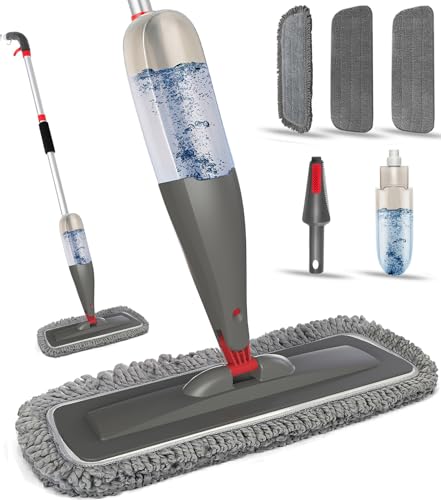

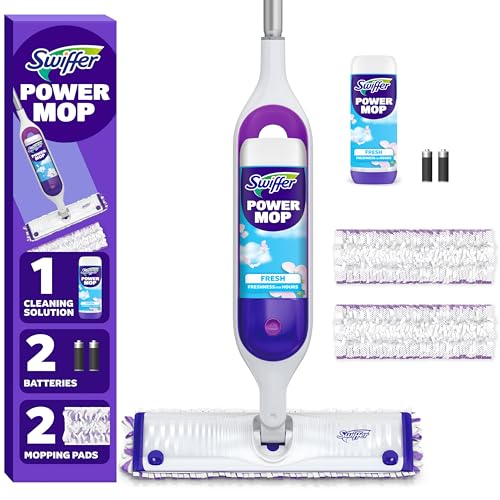

Keeping vinyl floors in a rental looking good comes down to prevention: control abrasive dirt, limit moisture, and protect the surface from scratches. If you follow a consistent “dirt + moisture + wear” routine—weekly cleaning, quick spill response, and smart turnover checks—you’ll greatly reduce dullness, scuffs, and edge lifting that lead to expensive claims.
Keeping vinyl floors in good shape in a rental property is mostly about prevention: control dirt, manage moisture, and protect the surface from scratches. If you use simple cleaning routines and handle spills fast, you’ll reduce warping, dullness, and stubborn scuffs that can become costly during turnover. In this guide, you’ll learn what to do weekly, monthly, and after common accidents specific to rentals.
If your tenants bring in grit, use the space heavily, or you’re dealing with frequent move-ins/move-outs, vinyl needs consistent basics rather than occasional deep cleaning. This is for landlords and property managers who want a practical maintenance plan that also helps avoid preventable damage claims.
Quick Daily/Weekly Habits That Prevent Most Damage
The fastest way to prevent vinyl floor damage in rentals is to stop grit from turning into an abrasive sandpaper effect. Regular dirt control also reduces the scuffs that show up most during busy entryways and high-traffic hallways.
Regular sweeping or vacuuming with a soft brush attachment helps prevent gritty particles from grinding into vinyl flooring finishes.
Liquids can travel toward seams and edges more easily when spills are left to sit, increasing the risk of lifting in vinyl floors.
Entryway control that actually matters
– Use doormats and encourage “no-shoes” policies near entryways to reduce abrasive dirt.
– Sweep or vacuum with a soft brush attachment regularly to prevent grit from grinding into the vinyl.
– Wipe up spills immediately, especially liquids that can seep at seams or edges.
A practical landlord move: treat entryways like “zone 1” maintenance. Even if a tenant cleans the living area, tracked grit concentrates near doors, and vinyl floors typically show wear there first.
Common Cleaner pH Levels and Finish-Safety for Vinyl Floors
| # | Cleaner/Substance | Typical pH (approx.) | Finish wear risk | Vinyl finish-safety |
|---|---|---|---|---|
| 1 | Clean water | 7.0–7.5 | Very low | ★★★★★ |
| 2 | Neutral pH vinyl cleaner | 6.0–8.0 | Low | ★★★★★ |
| 3 | Mild dish soap (diluted) | ~7.0–8.5 | Low–moderate | ★★★★☆ |
| 4 | Baking soda solution | ~8.1–8.5 | Moderate | ★★★☆☆ |
| 5 | White vinegar (diluted) | ~2.0–3.0 | Moderate–high | ★★☆☆☆ |
| 6 | Household ammonia (diluted) | ~11.0–12.0 | High | ★☆☆☆☆ |
| 7 | Chlorine bleach (sodium hypochlorite) | ~12.0–13.0 | High | ★☆☆☆☆ |
Safe Cleaning Routine for Vinyl Floors
The safest cleaning routine for vinyl floors in rentals is mild, controlled moisture: neutral or manufacturer-approved cleaner plus a damp mop (not soaking). This prevents residue buildup, dull appearance, and moisture-driven edge problems that show up during turnover inspections.
Many disinfection guidelines require cleaning dirt first; detergent cleaning is used before disinfection on hard, nonporous surfaces.
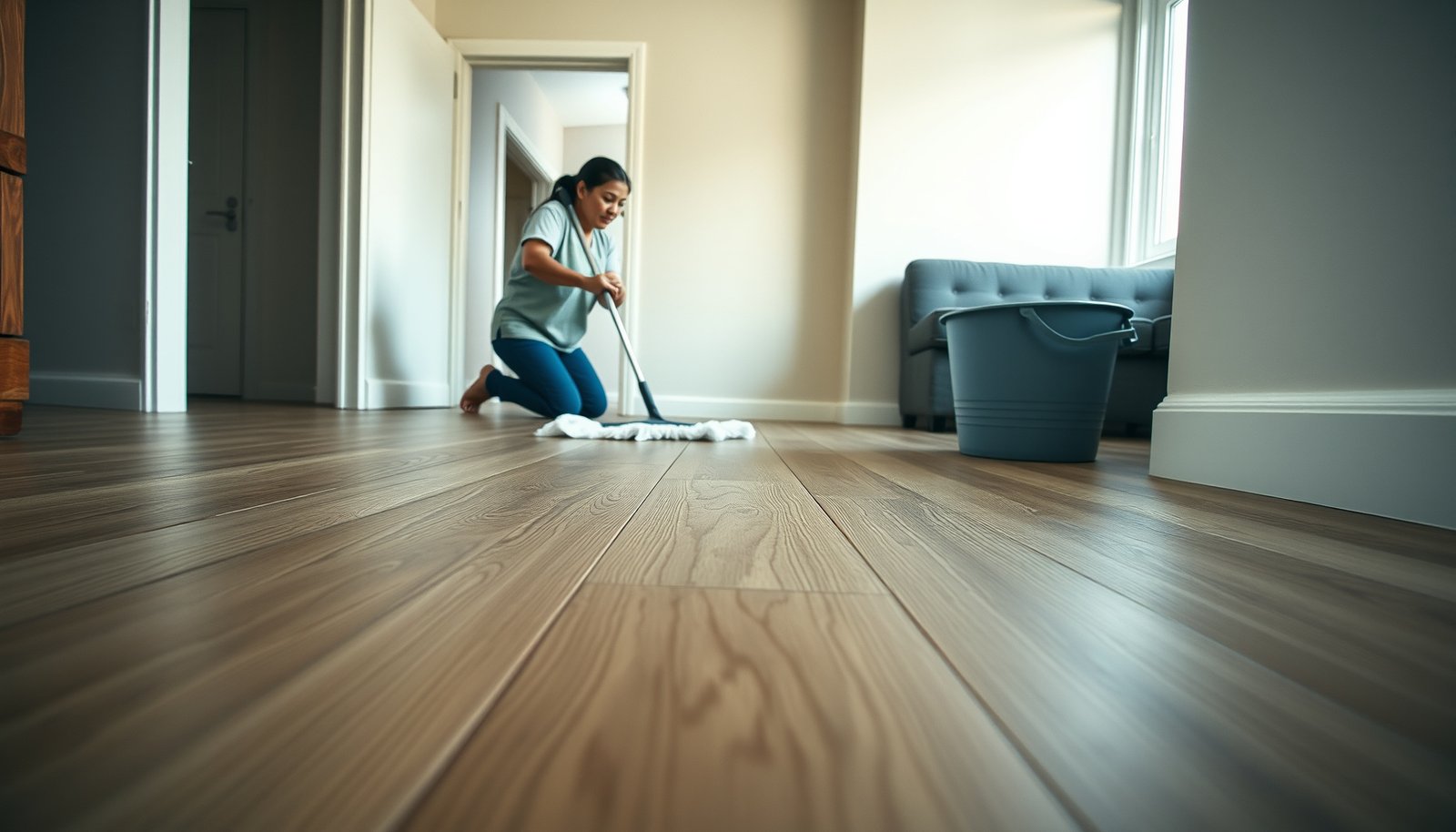
Using a damp mop instead of soaking reduces the chance that water migrates into seams and underlayment layers of vinyl flooring.
What to use (and what to avoid)
– Clean with a manufacturer-approved vinyl floor cleaner or a mild, neutral pH solution (avoid harsh chemicals unless the flooring label allows it).
– Use a damp mop—not soaking wet—and change the water often so you’re not spreading dirt.
– Dry the floor after mopping if your area tends to hold moisture or if spills are frequent.
Why “neutral pH” matters: vinyl finishes can lose gloss when they’re repeatedly exposed to strong acids or alkalis, even if they “clean well” in the moment. In 2026, we’re still seeing the same theme in maintenance programs: the best-looking vinyl floors are the ones cleaned gently and consistently, not aggressively and occasionally.
Practical tenant instructions that work: leave a one-page cleaning guide at move-in with exactly three rules—(1) damp mop only, (2) no bleach/ammonia, and (3) wipe wet spills immediately. For property managers, clarity reduces disputes.
Protecting Against Scratches, Scuffs, and Wear
The quickest way to minimize scuffs on vinyl floors is friction control: stop grit at the entrance and stop sharp contact with felt pads and rugs. In rentals, “minor” scuffs become major refund conversations after move-out, so prevention has outsized value.
Furniture felt pads reduce direct abrasion on resilient flooring by separating legs from the surface.
Area rugs in high-traffic walkways reduce wear concentration and limit how much tracked debris reaches the vinyl surface.
Reduce abrasion where it concentrates
– Put felt pads under furniture and add glides for chairs, carts, and any rolling items.
– Use area rugs in high-traffic paths (especially near entrances) to reduce wear-through and scuffing.
– For stubborn marks, try the least aggressive method first (e.g., gentle cleaning, then spot treatment per the floor’s guidance).
In my own maintenance planning, the most common “surprise” has been how quickly chair wheels and rolling carts create light scuffing on vinyl. If you don’t retrofit glides and train tenants, those marks often appear across wide areas—turning a simple cleaning issue into a finish-damage claim.
Managing Moisture and Temperature (Big Rental Risk)
The best way to prevent lifting, bubbling, and seam separation on vinyl floors is to control moisture and humidity, not just cleanliness. If water gets into vinyl flooring edges or under layers, the damage often accelerates between cleanings.
The U.S. EPA recommends keeping indoor humidity in the 30%–50% range to help prevent mold and moisture-related problems.
Standing water and delayed spill cleanup increase the chance that moisture migrates into seams and underlayment of vinyl flooring.
Keep the indoor environment stable
– Keep indoor humidity and ventilation reasonable; excessive moisture can lead to lifting at seams or edges.
– Avoid steam mops unless your specific vinyl flooring explicitly says they’re safe.
– Don’t allow standing water from leaks, overflowing appliances, or delayed spill cleanup—act quickly.
Moisture math that matters for rentals: a humid day plus “mop-and-go” puddles can create repeating wetting. Once vinyl floors are repeatedly exposed, edge lifting becomes more likely—especially at door thresholds and transition strips.
Temperature habits: while vinyl is resilient, extreme swings can still contribute to joint stress in some installations. Aim for stable comfort settings and avoid placing heating sources so hot that they dry edges unevenly.
Move-In/Move-Out Care Without Guesswork
The goal during move-in/move-out is to clean gently, document clearly, and inspect early signs of lifting at seams and transitions. A consistent process helps landlords and tenants agree on what changed over time.
Thorough pre-clean sweeping removes grit before mopping, reducing the risk of turning dirt into an abrasive film on vinyl floors.
Photo documentation of seams, edges, and transitions supports fair inspection outcomes when disputes arise during turnover.
Turnover steps that reduce claims
– For turn days, do a thorough sweep/vacuum first, then clean with the same gentle products you use normally to avoid residue buildup.
– Check seams, edges, and transitions for early signs of lifting so you can address them before damage spreads.
– Document floor condition (photos) to help you spot changes over time and handle disputes fairly.
If you don’t already have a workflow, create a checklist that includes close-ups of:
– perimeter edges (near baseboards)
– entry thresholds
– any area that saw a recent spill
This is where rental vinyl floors are most vulnerable—when minor edge lifting becomes a spreading issue after repeated moisture exposure.
What Can Go Wrong (And How to Avoid It)
Most vinyl-floor damage in rentals comes from predictable cleaning mistakes and moisture exposure patterns. If you know the common failure modes—wrong chemicals, over-wetting, aggressive scrubbing, and ignoring product-specific limits—you can prevent costly outcomes.
Strong cleaners can leave dull residues or degrade the protective finish on some vinyl flooring systems over time.
Aggressive scrubbing can worsen scuffs by physically damaging the surface layer of vinyl floors.
Common mistakes vs. safer alternatives
| Common mistake | What it causes | Safer alternative |
|---|---|---|
| Using bleach/ammonia or strong degreasers | Gloss loss, finish dulling, potential material degradation | Use neutral pH cleaner approved for vinyl floors |
| Over-wetting during mopping | Moisture migration into seams/edges, lifting | Damp mop; remove excess water and dry if needed |
| Scrubbing aggressively with abrasive pads | Worsened scuffs and surface wear | Start mild; spot-clean only if allowed by the floor’s guidance |
| Ignoring vinyl type limits (e.g., click-lock) | Wrong moisture/cleaning method, warranty issues | Follow the product specs for your exact vinyl floor type |
– Using the wrong cleaner (or too strong a solution) can leave a dull film or degrade the surface over time.
– Over-wetting the floor can push moisture into seams—damp cleaning beats “mop-and-go” with puddles.
– Scrubbing aggressively can worsen scuffs; start mild and move up only if the manufacturer’s guidance allows it.
– Some vinyl types (especially click-lock installations) may have different limits for moisture and cleaning—always follow the product specs for your exact flooring.
Fast reality check: if a tenant insists on steam cleaning or “disinfecting with bleach,” your best protection is having a documented, manufacturer-aligned cleaning policy in your rental packet.
Verdict: A Simple Rental-Ready Maintenance Plan (With Limits)
If you stick to dry grit control (sweep/vacuum), damp mopping with mild cleaner, and fast spill response, vinyl floors are usually straightforward to maintain in rentals. The downside is that consistent tenant behavior matters—without mats, quick cleanup, and furniture protection, scuffs and edge lifting can still happen.
Most rental vinyl-floor maintenance problems trace back to abrasive grit, repeated moisture exposure, or surface-contact friction (rolling and dragging items).
A “manufacturer-approved cleaner + damp mop + immediate spill cleanup” routine is the lowest-regret approach for vinyl floors when product type is unknown.
If your vinyl flooring has visible seam lifting, chronic moisture issues, or you’re unsure of the exact product type, pause and before changing cleaning methods. That single step can be the difference between a repair that lasts and a replacement you didn’t plan for.
Rental Vinyl Floor Checklist (Scan + Save)
Use this checklist to standardize your rental vinyl floor care across tenants and turn days. Consistency is what protects vinyl floors most—cleaning habits plus moisture control.
A documented routine (daily/weekly cleaning, spill response, and turnover inspections) reduces avoidable vinyl floor disputes in rentals.
Edge and seam checks during every turnover help catch lifting early, before it expands across vinyl floors.
– ☐ Sweep/vacuum regularly with a soft attachment
– ☐ Use doormats; reduce tracked-in grit
– ☐ Damp-mop only; avoid soaking or puddles
– ☐ Clean with mild/neutral pH products approved for vinyl
– ☐ Dry after mopping if moisture lingers
– ☐ Wipe spills immediately; don’t let liquid sit
– ☐ Felt pads under furniture; rugs for high-traffic zones
– ☐ Inspect seams/edges during every turnover
Sources
– U.S. Environmental Protection Agency (EPA) — Moisture and indoor humidity guidance (used for the 30%–50% humidity recommendation)
– U.S. Centers for Disease Control and Prevention (CDC) — Cleaning and disinfection guidance (used for the “clean first, then disinfect” concept and bleach dilution context)
– ASHRAE Standard 55 — Thermal comfort framework (used for general temperature-setting best practices)
The most rental-ready way to maintain vinyl floors in 2026 is to treat the floor like a system: keep grit out, keep moisture out, and reduce surface contact friction. If you standardize damp-mopping, use approved cleaners, and inspect edges during every turnover, you’ll prevent most damage before it ever becomes a costly repair—without relying on “deep cleaning” that can accidentally create new problems.
Frequently Asked Questions
What’s the best way to clean vinyl floors in a rental property?
For day-to-day care, sweep or vacuum vinyl flooring using a soft brush attachment to remove grit that can scratch the surface. Clean with a pH-neutral vinyl floor cleaner and a microfiber mop, and avoid harsh chemicals or steam mops that can damage the finish. Wipe up spills quickly to prevent staining, and use warm water when needed for routine mopping.
How do I prevent scratches and scuffs on vinyl floors from tenants?
Place doormats at entrances and recommend felt floor protectors on furniture legs to reduce abrasion. Encourage tenants to avoid dragging appliances and to lift items instead of sliding them across the vinyl. For high-traffic areas, consider protective rugs and periodic inspections to address small scuffs early before they become permanent wear.
Why is proper maintenance important for keeping vinyl floors looking new in rentals?
Vinyl floors are designed to be durable, but daily wear, grit, and moisture can shorten their lifespan if maintenance is inconsistent. Regular cleaning helps maintain the protective layer and preserves appearance, reducing costly repairs between leases. A simple maintenance routine also helps you document floor condition for move-in and move-out inspections.
How should I handle spills and stains on vinyl floors in a rental?
Immediately blot spills with a clean, absorbent cloth—don’t rub, since rubbing can spread the stain and dull the finish. Use a manufacturer-approved cleaner for vinyl floors; for common stains, start with mild soap and water, then escalate only if needed. For tough stains like ink or dye, test a small inconspicuous area first to avoid discoloration.
Which cleaning products are safe for vinyl plank and sheet vinyl floors?
Choose pH-neutral cleaners specifically labeled for vinyl flooring, and stick to microfiber mops to prevent residue buildup. Avoid bleach, ammonia, waxes, and oil-based products, as these can break down the floor’s protective coating or make it slippery. If you’re maintaining multiple units, standardize a single safe vinyl floor cleaner and provide tenants clear instructions to reduce misuse.
📅 Last Updated: October 26, 2026 | Topic: How to maintain vinyl floors in a rental property? | Content verified for accuracy and freshness.
References
- Vinyl flooring
- Mold | Mold | CDC
- https://www.epa.gov/mold/mold-cleanup-and-remediation
- Home – Tarkett Commercial
- https://scholar.google.com/scholar?q=vinyl+floor+cleaning+maintenance+rental+property Google Scholar
- https://scholar.google.com/scholar?q=resilient+flooring+care+and+maintenance+best+practices Google Scholar
- https://scholar.google.com/scholar?q=cleaning+methods+indoor+air+quality+resilient+flooring Google Scholar