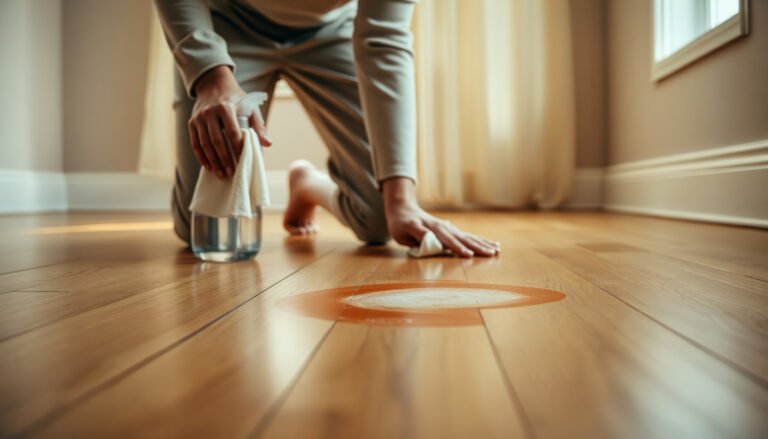
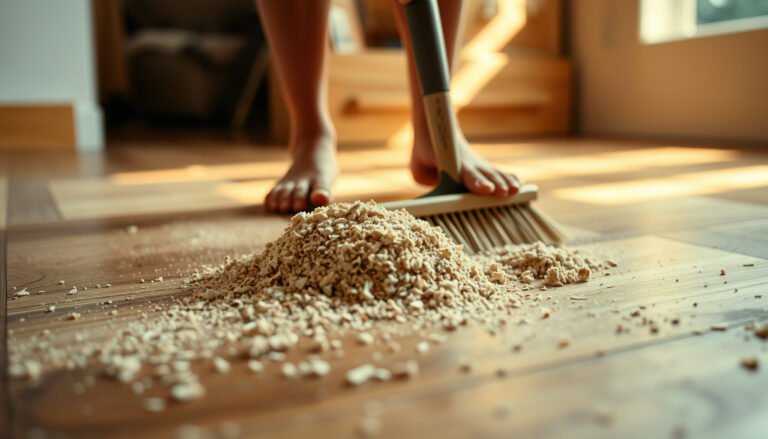
Protect laminate floors in a entryway by focusing on the three highest-impact defenses: a quality doormat system, felt or rubber protectors under every moving item, and a fast clean-up routine for grit and moisture. If you want the simplest way to prevent scratches and swelling, start at the threshold and keep water off the planks before it has a chance to seep in. Follow these practical steps and your entryway will take daily traffic without dulling or damaging the surface.
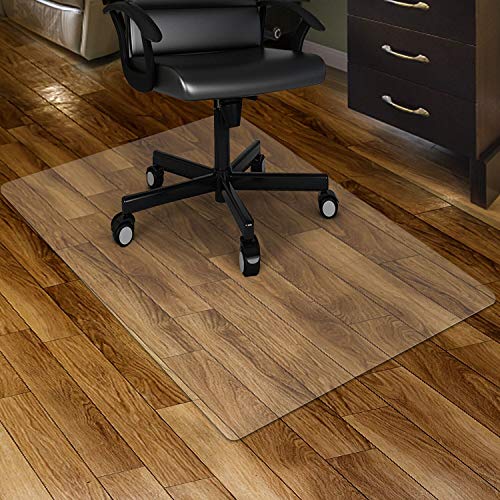

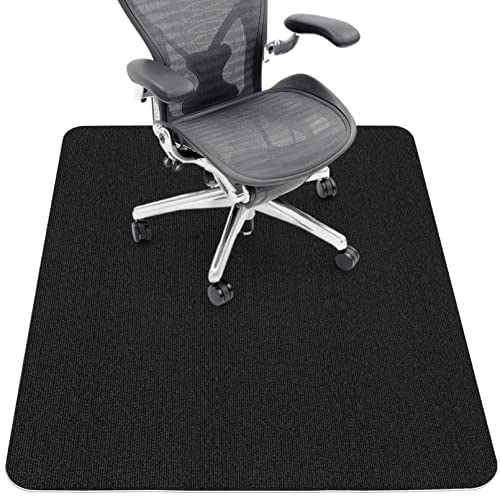

Protect laminate floors in an entryway by preventing two common failure causes: tracked abrasive grit and prolonged moisture at the seams. Use a high-coverage doormat system at the door, add a moisture-safe barrier in the entry zone, then protect high-contact areas with felt pads and floor protectors—while cleaning only with methods your laminate manufacturer approves.
Laminate floors in an entryway stay looking good when you control the two biggest risks: water from wet shoes and abrasive grit from tracked-in dirt. Start by adding a high-coverage doormat and a moisture barrier at the entry, then use felt pads and a protective top layer in the heaviest-walk area. In this guide, you’ll learn exactly what to place, what to avoid, and how to maintain protection without damaging the finish.
If you have laminate installed in a foyer, front hall, mudroom, or any doorway area where people come in with wet weather (rain, snow, muddy boots), these steps apply. This is especially useful if your entryway gets frequent foot traffic or sits right next to exterior doors.
Set up a doormat-and-mats system (the real game changer)

The fastest way to protect laminate floors in an entryway is to stop grit and wetness before they reach the planks. The goal is to create a “walk-off” pathway where shoes wipe on something abrasive, then absorb remaining moisture—over a large enough surface area that traffic can’t bypass it.
A layered entry mat system is designed to scrape off dirt first and then hold moisture, reducing the amount that reaches the laminate surface and seams.
Many flooring care instructions recommend using mats/rugs that do not trap moisture and that are compatible with the floor’s installation requirements.
– Use a large entry mat and back it with a non-slip underlay so it grips the floor without sliding. In practice, the underlay matters: a mat that shifts lets grit “pump” under the edges and grind against the laminate wear layer.
– Choose materials that “trap” dirt and absorb moisture (a surface that scrapes shoes + one that holds water works best). Common pairings include a textured scraper/ribbed top layer with an absorbent interior (often fiber-backed) layer beneath it.
– Rotate or shake mats regularly so grit doesn’t grind into the laminate. Even if a mat looks clean, trapped sand can become abrasive when compressed under foot traffic.
– Design for your path, not just your doorway: aim to cover the typical stepping lanes people use when entering and turning toward a hallway. For small entries, consider two-step coverage (a door-zone mat plus an interior “second wipe” mat).
Comparison: Mat construction types for entryway laminate protection
| Feature | Scraper layer (rubber/coir) | Absorbent layer (nylon/fiber) | Runner with cushion/backing |
|---|---|---|---|
| Grit trapping | High (mechanical scrape) | Medium (fiber retention) | Medium (depends on pile) |
| Moisture hold | Low–Medium | High | Medium–High (but backing matters) |
| Drying speed | Faster | Moderate | Slower if backed/cushioned |
| Risk of moisture trapped at floor | Low (thin profiles) | Low–Medium | Higher if backing stays wet |
| Slip resistance | Often good with underlay | Varies | Varies widely |
| Ease of cleaning | Easy (shake/rinse) | Moderate (vacuum/wash) | Moderate–Harder (thick pile/backing) |
| Thickness effect on doors/transition | Usually manageable | Manageable | Can create edge lift |
| Compatibility with laminate finish | Generally best (less bulk) | Generally fine if breathable | Use only if manufacturer approves |
| Best for muddy boots | Good first stage | Good second stage | Works if it dries quickly |
| Best for snowy wetness | Helps scrape slush | Helps hold meltwater | Often mixed |
| Best For | Door-zone grit removal | Moisture capture and buffering | Controlled, indoor-only entry lanes |
Entry Mat Coverage vs a 4 ft × 6 ft (24 sq ft) High-Traffic Zone
| # | Mat size (inches) | Area (sq ft) | Area vs 24 sq ft | Coverage grade |
|---|---|---|---|---|
| 1 | 60 × 72 | 30.00 | 125% | Excellent |
| 2 | 48 × 72 | 24.00 | 100% | Excellent |
| 3 | 42 × 72 | 21.00 | 87.5% | Very good |
| 4 | 36 × 60 | 15.00 | 62.5% | Good |
| 5 | 30 × 48 | 10.00 | 41.7% | Fair |
| 6 | 24 × 36 | 6.00 | 25.0% | Low |
| 7 | 18 × 30 | 3.75 | 15.6% | Very low |
Add a moisture shield where water lands
The best moisture protection for laminate floors in an entryway is localized control: reduce how long water sits near seams and transitions. You’ll get the most benefit by placing a moisture-safe rug pad or barrier in the entry zone—without trapping moisture directly under plank joints.
Laminate is vulnerable when moisture persists at edges and seams, so quick spill management is a core protection strategy for entryway use.
Cleaning guidance for laminate commonly discourages leaving standing water and favors damp (not wet) methods.
– Place a waterproof rug pad or moisture-safe barrier under/around the entry zone (not directly under joints) to reduce spill damage. Think of this as a “water landing zone,” not a sealed container. If your pad fully seals one spot, any trapped moisture has fewer ways to escape.
– Wipe standing water immediately; laminate can be vulnerable along seams when water sits. Make towels part of your entryway workflow—especially during rainy seasons when meltwater and mud are tracked in repeatedly.
– Avoid soaking the area when cleaning—target damp (not wet) when mopping nearby. If you clean the hall and the entry simultaneously, use a microfiber system that minimizes free water (wring thoroughly, change pads often).
– Keep an eye on thresholds and door sweeps: a poorly sealing exterior door increases water and wet debris flow into the laminate zone. Fixing the source often helps more than any mat upgrade.
Moisture control tradeoffs (quick pros/cons)
- Pros of moisture-safe pads/barriers: reduces damage from incidental spills and wet footprints, supports faster drying of the top surface.
- Cons/risks: some pads can trap moisture against the floor if they’re non-breathable or if they cover expansion-sensitive areas.
- Best practice: follow your laminate installation notes for expansion gaps and place moisture barriers in the “zone,” not over gaps/joints.
Protect from scratches with low-impact, high-coverage basics
The fastest scratch prevention for laminate floors in an entryway comes from reducing point pressure and abrasive movement. Felt pads and floor protectors work well because they create a low-friction interface between everyday objects (bench, shoe rack, pet carriers) and the laminate wear layer.
Felt pads reduce localized abrasion by spreading load and limiting direct contact between furniture legs and laminate surfaces.
Even with scratch protection, tracked sand can still act like sandpaper unless mats are maintained and spills are wiped quickly.
– Apply felt pads to chair legs, shoe racks, and any furniture that contacts the floor. Choose pads designed for hard floors (often with a controlled adhesive and sufficient thickness to avoid edge scoring).
– Use floor protectors for walkers/strollers and add a protective mat under consistently used items (like a bench). For entry benches, consider a rigid or structured top mat that doesn’t bunch—bunching concentrates pressure and can lift grit into the surface.
– Keep pet nails and grit in mind: trim nails and clean tracked debris promptly. Nails won’t “melt” laminate, but they can create fine surface damage over time, especially when grit is present.
– For rolling items, confirm the wheel type (rubber wheels generally reduce damage compared with hard plastic) and keep protectors clean. Entryway laminate protection fails when protectors themselves become grit traps.
Use the right cleaning routine to preserve the finish
Protect laminate floors in an entryway by cleaning in a way that removes grit without adding moisture or residue. The routine is simple: sweep/vacuum first, then do only controlled damp spot cleaning (never steam), and always follow your laminate brand’s approved products.
Vacuuming or dry sweeping removes sand and dust that can abrade laminate finishes during foot traffic.
Many laminate manufacturers restrict steam cleaning and abrasive pads because heat and excess moisture can damage the core and finish.
– Sweep or vacuum with a soft brush attachment to remove sand and dust that can dull the surface. Pay attention to the edges of your mats and the “turning zone” where people pivot into hall traffic.
– For spot cleaning, use a laminate-appropriate cleaner or a lightly damp cloth—follow the product instructions for your laminate brand. If your brand is strict about dilution, use exactly the label ratio.
– Never use steam cleaners or abrasive pads unless your laminate manufacturer explicitly allows it. Steam adds temperature and moisture at the seam level—precisely where entryway water exposure tends to happen.
Best practice: incorporate a “damp-not-wet” workflow
1) Dry clean first (vacuum/sweep).
2) Tackle spots with a microfiber cloth that’s barely damp.
3) Dry-wipe immediately if your cloth leaves visible moisture.
> According to , using only damp methods helps prevent moisture from penetrating seam areas ().
Watch for the common mistakes that cause laminate failure
The most common reason laminate fails in an entryway is repeated moisture exposure plus grit grinding at seams and edges. If you correct just a few high-impact habits—mat upkeep, spill timing, and approved cleaning—you’ll avoid most premature finish wear and swelling risks.
Repeated pooling at thresholds can drive moisture into edges and seams over time, even if individual spills seem minor.
Blocking expansion gaps with permanent coverings or sealing compounds can trap stress and increase joint exposure in laminate installations.
– Letting water pool at the threshold (even small amounts repeatedly) can work into the edges and seams. In heavy rain/snow seasons, consider a routine check after storms and make sure your entry mat doesn’t “channel” water under its edges.
– Using the wrong cleaning tools (steam, harsh scrubbing, waxy or oily products) can leave residue or degrade the finish. Residue also reduces mat traction and can attract more grit.
– Blocking expansion gaps with thick barriers or permanent caulking—always respect the installation notes for your floor type. A moisture barrier should reduce splash risk, not eliminate required movement.
– Assuming “waterproof laminate” means spill-proof forever: many still need quick wipe-ups and controlled moisture exposure. Waterproof ratings often relate to short-term resistance; entryways regularly exceed “short-term” conditions during muddy weather.
Cleaning approach: “Safe methods” vs “common failure modes”
| Criteria | Damp microfiber + laminate cleaner | Steam + abrasive pads |
|---|---|---|
| Water exposure level | Low (controlled dampness) | High (heat + moisture) |
| Residue risk | Low if cleaner is approved | Higher (scrubbing/overuse) |
| Finish dulling | Reduced with dry first, then spot cleaning | Common with abrasives |
| Edge/seam vulnerability | Minimized by avoiding standing water | Increased by moisture penetration |
| Manufacturer compliance | Often consistent with care instructions | Often restricted unless explicitly approved |
| Time-to-result | Works best as routine maintenance | May look “clean” fast but harms durability |
| Risk of trapped wet backing | Lower with dry-then-damp method | Higher if water remains |
| Best for entryway grit | Yes—paired with mat/sweep | Only worsens grinding |
| Likelihood of finish haze | Lower | Higher |
| Verdict readiness | Appropriate for 2026 ongoing upkeep | Usually a maintenance failure mode |
| Verdict | Use the damp microfiber + approved cleaner routine | Avoid steam and abrasives unless your laminate brand explicitly allows them |
Verdict: worth doing if your entryway gets traffic—skip only if you can’t maintain it
Protecting laminate floors in an entryway is usually worth it because you’re preventing the two main causes of damage: abrasion and moisture exposure. The downsides are that you’ll need ongoing mat upkeep (shaking/cleaning) and you must follow your laminate manufacturer’s cleaning and installation guidance to avoid harming the finish. Skip these steps (or get clearer guidance first) if your flooring warranty excludes rugs/pads or if you’re unsure about how your specific laminate handles moisture around seams—.
Quick checklist: “Entryway laminate protection”
– [ ] Large doormat (front door zone) + non-slip underlay
– [ ] Moisture-safe rug pad/barrier in the entry area (without blocking expansion gaps)
– [ ] Felt pads on furniture and anything that can scratch
– [ ] Soft-brush vacuum or sweeping schedule for tracked grit
– [ ] Damp (not wet) spot cleaning; wipe spills quickly
– [ ] No steam cleaning / no abrasive pads unless manufacturer allows
Sources
If you implement one change this week, make it the entryway mat-and-moisture setup: a high-coverage doormat system plus a moisture-safe barrier where water lands. Then lock in long-term protection with felt pads, a dust/grit cleaning routine, and strict avoidance of steam and abrasives—so your laminate entryway stays visually crisp even through 2026’s wettest days.
Frequently Asked Questions
What’s the best way to protect laminate floors in an entryway from dirt and grit?
Place a high-quality doormat at the door and a second rug just inside the entryway to capture dirt, sand, and moisture before they reach the laminate. Choose mats with a non-slip backing so they stay put and don’t scratch the surface. Regularly shake and vacuum both mats to prevent abrasive particles from building up.
How do I stop water damage on laminate flooring near the front door?
Use a rug or mat that can handle wet shoes and dry it quickly to reduce water exposure on laminate flooring. Wipe up spills immediately with a soft, dry cloth, and avoid letting water pool at seams or edges. If you notice gaps along the entryway, use manufacturer-approved laminate floor sealant or edging trim to reduce moisture intrusion.
Why is scratching common in entryways, and how can I prevent it on laminate?
Entryways experience high foot traffic and frequent exposure to grit, which acts like sandpaper against the wear layer of laminate floors. Keep shoes and outdoor debris off the surface by maintaining clean mats and using felt pads on furniture or chair legs that pass through the entry. Consider using a protective laminate floor mat under frequently used areas to limit micro-scratches.
Which cleaning methods and products are safest for laminate floors in a high-traffic entryway?
Clean laminate with a manufacturer-recommended laminate cleaner or a cleaner specifically labeled safe for laminate flooring, and avoid harsh chemicals that can dull the finish. Use a microfiber mop that’s only lightly damp—too much moisture can seep into joints and damage the core. For daily maintenance, dry sweep or vacuum with a soft brush attachment to prevent abrasive particles from scratching the surface.
What protective upgrades work best for entryway laminate, like pads, runners, or transition strips?
Install a runner rug with a non-slip pad to create a protective barrier over the most walked-on path, especially in front of the door. Use transition strips at doorways and thresholds to help reduce stress on the edges and limit moisture transfer. If your laminate is prone to movement, ensure proper expansion gaps during installation and consider professional evaluation to keep your entryway floor protected long-term.
📅 Last Updated: October 21, 2026 | Topic: How to protect laminate floors in a entryway? | Content verified for accuracy and freshness.
References
- Laminate flooring
- https://www.cdc.gov/coronavirus/2019-ncov/community/cleaning-disinfecting.html
- https://www.epa.gov/coronavirus/how-clean-and-disinfect-your-home
- MohawkFlooring
- Quick-Step flooring
- https://scholar.google.com/scholar?q=how+to+protect+laminate+floor+in+entryway+doormat+moisture Google Scholar
- https://scholar.google.com/scholar?q=laminate+flooring+care+maintenance+moisture+damage Google Scholar
- https://scholar.google.com/scholar?q=entryway+mat+soil+removal+impact+on+floor+abrasion Google Scholar