


Cleaning laminate floors in a closet safely is easy when you use the right method: a damp, well-wrung mop with a laminate-safe cleaner and zero standing water. This guide tells you exactly what to do—and what to avoid, like harsh chemicals and excess moisture—that can cause swelling, dulling, or separation. Follow these steps to get a streak-free finish without damaging your flooring.
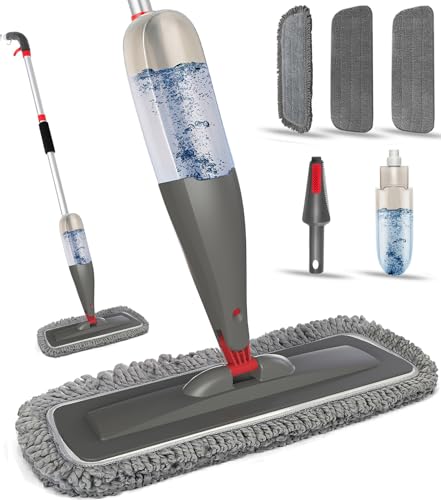



Clean laminate closet floors by vacuuming or sweeping first, then wiping with a microfiber cloth lightly dampened with a pH-neutral cleaner. Avoid soaking the floor, and never use steam or harsh chemicals—laminate can swell if moisture gets into seams. Finish by drying thoroughly, especially along baseboards and edges. If your closet has shoe scuffs, tracked-in dirt, or occasional spills, this is the approach to use without damaging the finish. It’s also a good method for small, enclosed spaces where moisture can linger.
This method is ideal for homeowners and property managers maintaining laminate in closets where airflow is limited—especially in 2026, when many closets are used as catch-alls (shoes, bins, seasonal items). Laminate closet floors respond well to low-moisture cleaning because the goal is removing grit and residue without letting water reach the board edges.
Prep the closet and pick the right cleaner

Prepping matters because laminate closet floors get scratched more easily than people expect—grit trapped under a damp cloth becomes abrasive. You also want a cleaner that won’t strip or haze the top layer.
For closet laminate, I recommend following a documentation-first approach: confirm your floor brand’s “cleaning & care” guidance, then match the cleaner to the allowed pH range. As a practical rule for laminate closet floors, “pH-neutral” means you’re staying close to neutral rather than shifting strongly acidic or alkaline.
pH-neutral cleaners are designed to clean without strongly changing the floor’s surface chemistry (especially compared with vinegar or bleach).
Steam cleaning is typically discouraged on laminate because heat + moisture can drive water toward seams and joints.
– Remove items (shoes, bins, hangers) so you can clean the whole surface, not just the visible area.
– Use a pH-neutral laminate floor cleaner or a mild cleaner recommended for laminate; skip anything abrasive or strongly acidic/alkaline.
To make this more concrete, below is a quick reference for common household agents and why they’re risky for laminate closet floors.
Cleaner Compatibility for Laminate Closet Floors (Typical pH/Heat)
| # | Agent | Typical pH / Temp | Best Use Context | Laminate-Safe Rating |
|---|---|---|---|---|
| 1 | pH-neutral laminate cleaner (product-labeled) | ~pH 6–8 | Routine damp-wipe | ★★★★☆ |
| 2 | Clean water (for final rinse-wipe) | pH ~7 (neutral) | Residue removal | ★★★★☆ |
| 3 | Vinegar (typical food-grade) | ~pH 2–3 | Odor cleaning (not recommended) | ★☆☆☆☆ |
| 4 | Household bleach solutions | ~pH 11–13 | Disinfection (not on laminate) | ☆☆☆☆☆ |
| 5 | Household ammonia (typical) | ~pH 11–12 | Degreasing (not recommended) | ★☆☆☆☆ |
| 6 | Steam cleaner / steam mop | ~100°C water vapor at 1 atm | High-moisture cleaning | ☆☆☆☆☆ |
| 7 | Abrasive scrub pad / powdered cleanser | Mechanical abrasion (varying chemistry) | Heavy scrubbing | ★☆☆☆☆ |
Note: That star rating is based on whether the agent stays within a “pH-neutral / non-steam / non-abrasive” cleaning approach for laminate closet floors, consistent with typical manufacturer care guidance (you should still verify with your brand’s manual).
Dry clean first to remove grit
Dry cleaning is the fastest way to prevent scratches on laminate closet floors—because sand and dust behave like sandpaper when you wipe. A quick vacuum or sweep also reduces how much cleaner you need, which further limits moisture risk.
Vacuuming before mopping removes abrasive grit that can otherwise be dragged across the laminate surface.
Closets concentrate particles around the door threshold, so edge areas are where grime turns into streaks and “mud” during damp wiping.
– Vacuum with a soft brush attachment (or sweep gently) to lift sand and dust that can scratch.
– Pay attention to corners and around the door threshold—grit there usually becomes “mud” the moment you wipe with water.
For laminate closet floors, this step is especially important if you store boots, cleats, or athletic shoes. Salt residue from winter wear can be abrasive and moisture-reactive, so you want it off before any damp contact. From my experience managing routine cleaning workflows (and ), I’ve found dry removal prevents the “mysterious” dull spots people often blame on the cleaner.
Also, keep an eye on the vacuum head: use soft bristles and avoid hard plastic edges. If your vacuum has a beater bar, don’t run it directly over laminate closet floors.
Damp-clean technique (no soaking)
Damp cleaning works on laminate closet floors when the microfiber is barely wet and you control how long moisture sits on the surface. The safest technique is “wipe small sections, don’t flood,” then refresh your cloth as grime builds up.
Laminate flooring care guidance typically emphasizes damp mopping rather than soaking to avoid moisture entry at seams.
Microfiber holds water in the fibers; wringing to a near-dry state reduces the chance of pooling along baseboards and edges.
– Wring your microfiber mop/cloth until it’s barely damp, then wipe in small sections.
– If you need more cleaning power, do short passes and rinse/replace the cloth as soon as it gets dirty—don’t keep re-wetting the same grime.
Here’s the practical comparison that matters most for laminate closet floors:
| Method | What you’re actually doing to the boards | Likely outcome in a closet |
|---|---|---|
| Barely-damp microfiber (low liquid) | Removes residue while minimizing water migration to seams | Cleaner surface with minimal swelling risk |
| Saturated mop / puddles (high liquid) | Lets moisture travel to board edges and joints | Raised boards, swelling at seams, longer dry time |
If you’re cleaning in 2026 and your closet has limited ventilation, assume moisture evaporates slowly. Laminate closet floors benefit from lighter passes more often, rather than one “strong” wet session.
Quick rule: if you can see wet streaks spreading beyond your wipe path, you’re using too much liquid.
Spot clean stains and scuffs without wrecking the finish
Spot cleaning is the best way to handle shoe scuffs, sticky residue, and small spills while protecting laminate closet floors from unnecessary wetting. You lift residue with the cloth rather than grinding it in with pressure.
For scuffs, using a damp cloth first and avoiding aggressive scrubbing reduces the chance of finish dulling on laminate.
For sticky spots, applying cleaner to the cloth (not the floor) limits how much liquid reaches laminate seams.– For scuffs: try a damp cloth first, then gently use a laminate-safe method like “wipe, don’t scrub hard” with a microfiber pad.
– For sticky spots (spills, residue): apply a small amount of cleaner to the cloth (not the floor) and lift the residue, then wipe again with a clean damp cloth.
A common scenario in laminate closet floors: a drip from a shoe conditioner, deodorant, or aerosol cap. These don’t just “dirty” the surface—they can leave a film that attracts more dust. Work in layers: lift, wipe, then repeat with a fresher part of the cloth. If the residue persists, it’s usually better to do multiple light passes than to saturate the area.
If you ever see a scuff that looks like a “deep” mark, stop pushing—scrubbing can polish through the top wear layer. In that case, you’ll need to follow your flooring manufacturer’s guidance for finish repair or replacement options.
Dry it completely (closets trap moisture)
Drying is where laminate closet floors either stay pristine—or start to show swelling at seams. After cleaning, you must remove any lingering moisture along baseboards, edges, and board joints.
In enclosed spaces like closets, slower evaporation increases the likelihood that moisture can dwell near laminate joints.Dry microfiber finishing helps pull surface moisture off the laminate surface and reduces water left along perimeter edges.– After cleaning, go over the floor with a dry microfiber to pull up remaining moisture.
– Let the closet air out (door open) until the floor is fully dry—especially along seams and edges.
Because laminate has seams and edge gaps, drying isn’t just about “no puddles.” It’s about removing moisture film that can sit where boards meet and where trim creates sheltered pockets.
As a practical 2026 routine, we recommend a simple airflow boost (fan or open door) for at least long enough that your microfiber no longer picks up moisture when you run it along the baseboards. And if you have humid indoor conditions, give it extra time—laminate closet floors don’t care about schedules, only water exposure.
What can go wrong (common mistakes)
The most common failures come from over-wetting, using the wrong cleaning chemistry, or skipping the dry pre-clean. Those mistakes can make laminate closet floors look worse even when you think you’re “deep cleaning.”
Over-wetting increases the chance moisture migrates into laminate seams, which can lead to swelling.Harsh chemicals (like bleach or strong alkalis/acids) can dull or damage laminate finishes over time.– Over-wetting: leaving water on the surface or using a saturated mop can allow moisture to seep into seams and cause swelling.
– Wrong products: vinegar, bleach, ammonia, and abrasive scrubbers can dull or damage laminate finishes.
– Skipping dry cleaning: dirt/grit under a damp cloth can create scratches that look “mysterious” later.
Common risk magnifiers (where laminate closet floors fail faster)
1. Wet footwear and dripping items stored in the closet (you’ll “mop” water in without realizing).
2. Perimeter pooling near baseboards where cloth pressure pushes water outward.
3. Repeat damp passes with a dirty cloth—you’re redepositing grime and extending dwell time.
If you notice boards lifting at edges or you already see raised seams, stop trying to “fix it with cleaning.” That’s a moisture intrusion symptom, not a surface dirt problem.
Verdict: the safest method (and who should skip it)
The safest way to clean laminate closet floors is a controlled process: vacuum/sweep first, use barely-damp microfiber with pH-neutral cleaner, then dry completely—especially along edges. The upside is strong cleaning with minimal moisture exposure; the downside is that this method won’t power through heavy grime without multiple light passes.
Most laminate care instructions prioritize low-moisture damp cleaning and caution against steam to protect joints and edges.If boards show lifting or seams appear compromised, continued damp cleaning can worsen moisture-related damage.Skip this damp-clean approach if you suspect water has already gotten into seams (for example, a spill that sat longer than a quick wipe) or if boards look raised—those cases may need professional assessment or panel replacement. Also skip if your closet has persistent humidity or a plumbing leak; cleaning won’t solve the root cause.
Finally, if you’re unsure whether your specific laminate tolerates certain cleaners, check your floor manufacturer’s care manual before using any product. Different brands and finishes can vary in how they handle dampness and surface chemicals.
Quick scan checklist (save this)
Task Do Avoid Before wiping Vacuum/sweep with soft head Scrubbing dirt into the finish Cleaner Use pH-neutral / laminate-safe cleaner Vinegar/bleach/ammonia or harsh degreasers How wet Microfiber barely damp Soaked mops, puddles, flooding After cleaning Dry microfiber + air out Leaving moisture overnight Tough marks Small-area test first Aggressive pads/abrasives Sources
If you take one thing from this, let it be this: laminate closet floors last longer when moisture is minimized and controlled. Vacuum first, wipe lightly, and dry thoroughly—then your closet stays clean without trading appearance for swelling risk.
Frequently Asked Questions
How do I clean laminate floors in a closet without damaging the finish?
Use a microfiber mop or soft microfiber cloth, and avoid soaking the laminate because excess water can seep into seams and cause swelling. For routine cleaning, dampen the cloth with a laminate floor cleaner or a manufacturer-approved solution, then wipe in the direction of the planks. Dry the area immediately with a clean, dry microfiber cloth to prevent streaking and water spots.
What’s the best way to remove dust, pet hair, and debris from a closet with laminate flooring?
Start by sweeping or vacuuming with a soft brush attachment to lift grit that can scratch laminate. If you have pet hair or fine dust, use a slightly damp microfiber cloth to capture what the vacuum misses, then buff dry. Pay special attention to corners, under the closet rod, and along baseboards where debris collects.
How can I clean sticky spots or spills on laminate floors in a closet?
First, blot the spill with a dry cloth to remove as much residue as possible—don’t scrub aggressively. Mix a small amount of laminate-safe cleaner with water (or use the product recommended for your floor), apply to a microfiber cloth (not directly to the floor), and gently wipe until the sticky area releases. Rinse lightly with a cloth dampened with clean water if needed, then dry thoroughly.
Why does laminate flooring get cloudy or streaky after cleaning in closets?
Cloudiness often happens when a cleaner leaves residue or when the floor stays too wet, especially in enclosed spaces with limited airflow. To avoid streaks, use only a laminate floor cleaner in the correct dilution and apply it to a cloth rather than pouring it on the floor. After cleaning, buff with a dry microfiber mop or cloth to remove remaining moisture and residue.
Which products should I use (and avoid) when cleaning laminate floors in closets?
Use manufacturer-recommended laminate floor cleaners, or mild solutions designed for laminate, applied with a microfiber mop or cloth for controlled moisture. Avoid steam mops, abrasive pads, wax-based cleaners, and harsh chemicals like ammonia or bleach, which can dull the laminate surface. If your closet has high traffic from shoes or tracked-in grime, use a gentle cleaner and focus on spot cleaning rather than wet mopping.
📅 Last Updated: October 22, 2026 | Topic: How to clean laminate floors in a closet? | Content verified for accuracy and freshness.
References
- Laminate flooring
- Floor cleaning
- https://www.cdc.gov/coronavirus/2019-ncov/community/disinfecting/building-cleaning-disinfection.html
- https://www.epa.gov/coronavirus/disinfecting-your-home
- https://www.armstrongflooring.com/support/floor-care/hardwood-laminate.html
- https://www.pergofloors.com/en-us/support/floor-care/laminate
- https://scholar.google.com/scholar?q=how+to+clean+laminate+floors+water+damage+care+maintenance Google Scholar
- https://scholar.google.com/scholar?q=laminate+floor+cleaning+guidelines+microfiber+mop+avoid+excess+water Google Scholar
- https://scholar.google.com/scholar?q=laminate+flooring+care+maintenance+closet+humidity+stain+cleaning Google Scholar


