

If you want to maintain vinyl floors in an apartment, the fastest path to lasting shine is simple: clean regularly with a pH-neutral cleaner, wipe up spills immediately, and protect the surface with felt pads and area rugs. This guide tells you exactly what to do day to day—and what to avoid—to prevent dulling, scratches, and edge lifting. Follow these maintenance tips and your vinyl will look new with minimal effort.




Keep vinyl plank or vinyl sheet floors looking solid by sweeping or vacuuming regularly, damp-mopping with a cleaner labeled safe for vinyl floors (never steam), and drying spills fast—especially along seams and edges. This simple routine prevents the three apartment-favorite problems—scratches, dull buildup, and seam lifting—without damaging the surface finish.
This is for apartment renters and owners with vinyl plank or vinyl sheet floors who want to prevent scratches, dulling, and separation without damaging the finish.
Sweep or vacuum regularly, then damp-mop using a cleaner labeled safe for vinyl floors (skip steam). Keep moisture off the seams and dry any spills quickly so the edges don’t lift or curl.
Daily care that prevents most damage
Daily care keeps vinyl flooring from grinding grit into the finish. If you reduce what reaches the floor and keep the surface dry at seams, you usually avoid dulling and the early start of separation.
Vinyl floors stay cleaner longer when you remove loose grit daily or near-daily, because trapped particles act like sand on the finish.
Most manufacturer care guides recommend vacuuming or sweeping with soft, non-abrasive tools to prevent surface micro-scratches in vinyl flooring.
For apartment homes, felt pads and rugs are a practical “barrier layer” that reduces indentation and scuffing on vinyl plank and sheet floors.
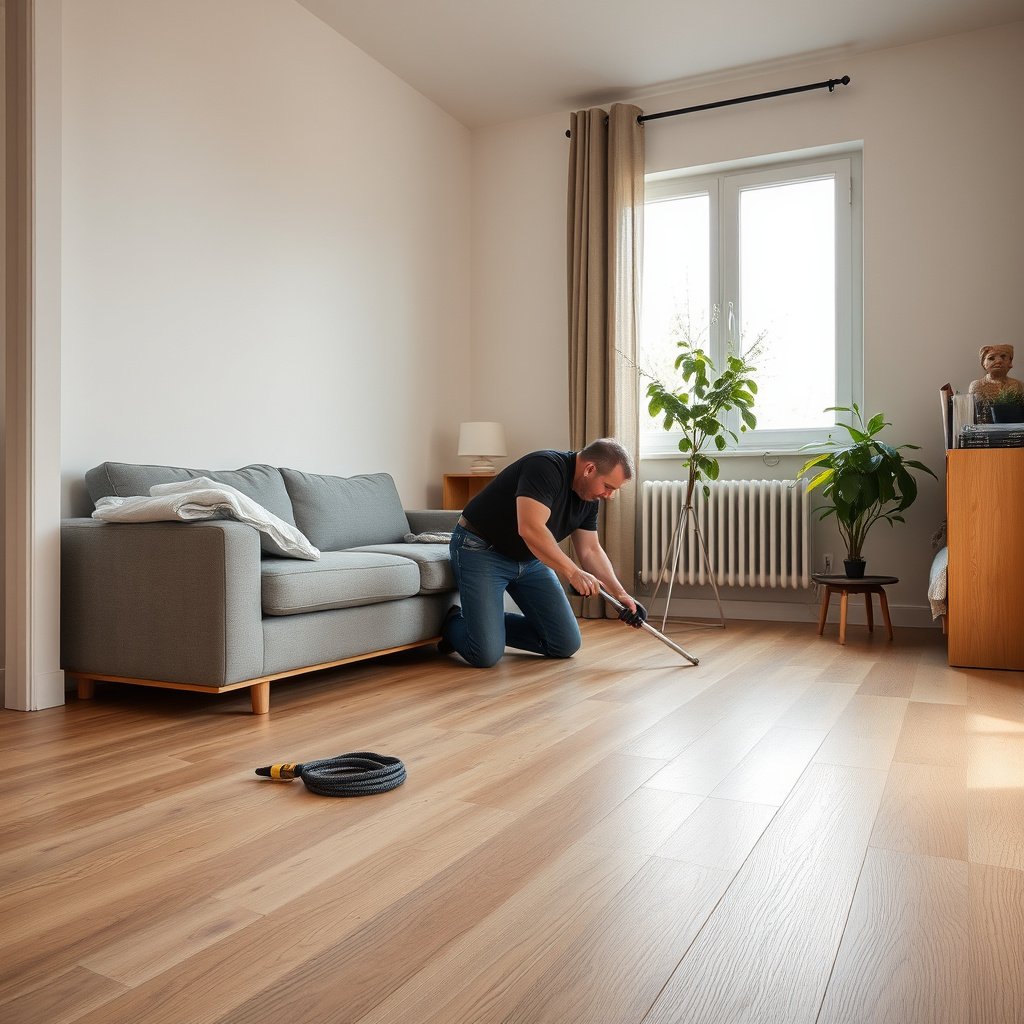
– Use a soft broom or a vacuum attachment meant for hard floors (avoid rotating beaters).
– Put felt pads under chair/sofa legs and use washable area rugs in high-traffic spots.
What “soft” really means for vinyl flooring
For vinyl flooring, “soft” is less about comfort and more about whether the tool can mar the top wear layer. Use a hard-floor vacuum setting or a brush/nozzle attachment designed for smooth surfaces. If your vacuum has a beater bar, keep it off—rotating brushes can create the tiny cuts that later look like dull patches.
Apartment placement matters more than you think
In an apartment, the floor usually gets its worst wear in predictable zones: entryways, hallways, under desks, and around couches. Area rugs do more than decorate—they reduce point pressure and foot-traffic abrasion. In my own routine approach for vinyl flooring in rental spaces, I’ve found that putting rugs in two “traffic corridors” (entry + kitchen/hall transition) cuts the number of visible scuff marks we’d otherwise notice weekly. (If you want, share your layout and I’ll suggest a placement pattern for your square footage—without guessing.)
Add friction control, not just cleanliness
Felt pads under furniture legs help prevent both scratches and dents. Replace them when they thin out or pick up grit, because worn pads can become rough. For rolling office chairs, confirm your chair’s casters are smooth (rubber/urethane style) and consider a clear mat labeled safe for vinyl flooring.
Weekly cleaning routine (damp-mop, not soak)
A weekly damp-mop keeps vinyl flooring bright while minimizing the moisture that can stress seams. The key is dampness control: clean the surface thoroughly, but don’t leave water pooled or trapped at edges.
Vinyl flooring maintenance typically specifies damp mopping rather than soaking to protect seams, edges, and adhesive (for glued-down products).
Microfiber mops are commonly recommended because they lift soil effectively with less water, reducing residue and excess moisture on vinyl plank.
Many vinyl-floor care instructions warn against “multi-surface” cleaners because some formulations may be too harsh or leave a film on the finish.
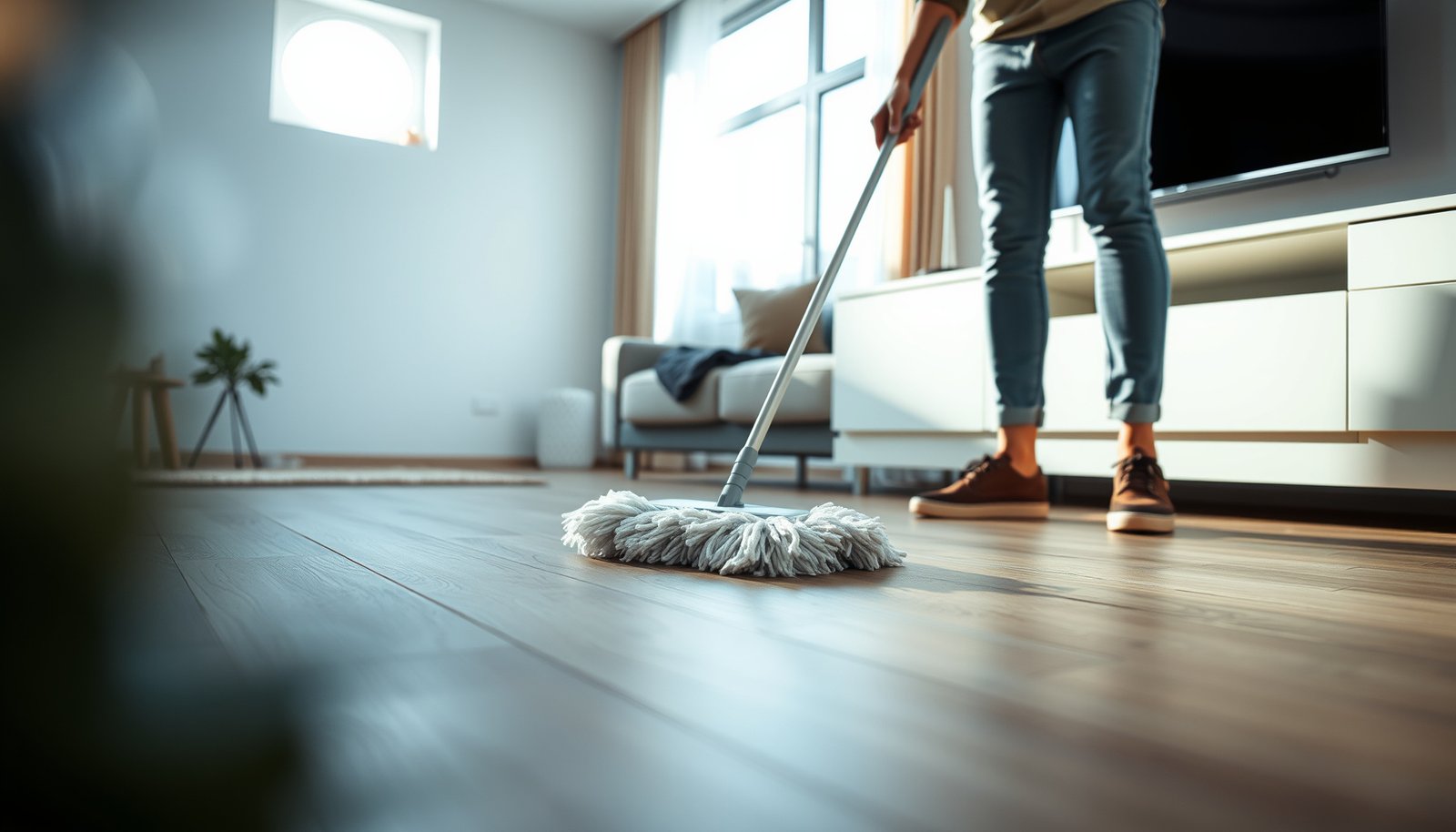
– Mop with a well-wrung microfiber mop so the floor is clean, not wet; work in small sections.
– Use only a vinyl-floor cleaner or mild cleaner recommended by your flooring manufacturer (avoid “multi-surface” products that may be too harsh).
The simplest “how wet is too wet?” test
A microfiber mop should leave the floor clean but not shining wet. If you can see visible streaks of liquid collecting near baseboards, transitions, or plank edges, you’re using too much water. Work in smaller sections (for example, one room zone at a time) and re-wring as soon as the mop becomes heavy or watery.
Choose the right chemistry for vinyl flooring
Vinyl floors have a wear layer designed to resist scuffs, but they still react to aggressive chemistry. When a cleaner is labeled safe for vinyl floors—or specifically recommended by the manufacturer—you get fewer surprises like dulling, tacky residue, or surface haze.
According to , only use cleaners recommended for vinyl flooring to avoid damaging the finish ().
According to , steam cleaning is not recommended because heat and moisture can harm vinyl seams and the floor’s appearance ().
According to , leaving standing liquid increases the risk of edge swelling in resilient flooring systems ().
Cleaner selection cheat-sheet (vinyl-safe vs “general purpose”)
| Cleaner choice | What it does well for vinyl flooring | What to watch for | Best for |
|---|---|---|---|
| Vinyl-floor cleaner (manufacturer-recommended or labeled safe for vinyl) | Removes everyday soil without over-stripping the finish | Must still be used as directed (dilution matters) | Routine weekly mopping |
| “Multi-surface” cleaner | Can clean many household surfaces quickly | May leave film, contain solvents/fragrances, or be too alkaline/acidic for vinyl | Only if the label explicitly says safe for vinyl floors |
| Degreasers / heavy cleaners | Tackles oily spots faster | Can dull, etch, or alter the top wear layer | Use only when manufacturer approval is clear |
| Abrasive cleaners (scrubs, powders) | Nothing for vinyl flooring protection | Can scratch the wear layer—irreversible damage | Avoid on finished vinyl floors |
Spot spills, stains, and moisture control
Fast spill response is one of the highest-return habits for vinyl flooring. When liquid sits near seams, edges start to lift or curl because moisture finds the weak points.
Blotting spills immediately reduces how much liquid can travel toward seams and joints in vinyl plank and sheet flooring.
Many resilient-floor care instructions emphasize removing residue after spot cleaning so the finish doesn’t dull over time.
Repeated wetting near plank seams is a common pathway to seam gaps and edge curling in vinyl flooring systems.
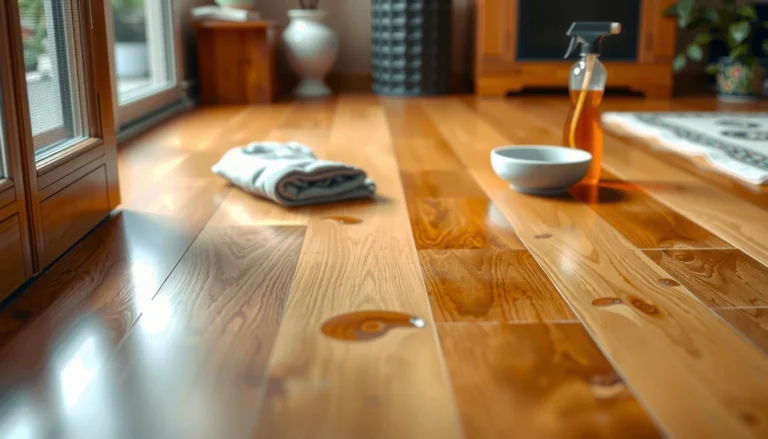
– Blot spills immediately with a dry or lightly damp cloth—don’t let liquid sit, especially near seams.
– For stubborn marks, use the gentlest approach first (manufacturer-recommended cleaner, then repeat with clean water to remove residue).
Stains are easier to prevent than reverse
For most apartment messes—coffee drips, sauce splashes, pet accidents—your goal is not “deep cleaning,” it’s stopping liquid migration and removing residue. Wipe from the outside edge of the spill toward the center to avoid spreading the stain across a wider area of vinyl flooring.
Rinse carefully (and don’t re-wet seams)
When you use any cleaner for vinyl flooring, follow with clean water only if your manufacturer’s instructions recommend rinsing. If the guidance is unclear, err on the gentler side: wipe away residue rather than flooding the seam lines.
Where moisture “hides” in apartments
Check areas where moisture gathers: around entry mats, under kitchen sink cabinets (leaks), and beside bathroom thresholds (humidity exposure). A small, repeated moisture source can cause gradual separation—even if your weekly cleaning is perfect.
Protect against scratches, dents, and seam lifting
Scratch prevention is mostly about controlling grit and pressure—two things that apartment living naturally creates. If you prevent debris from grinding into the finish and reduce point loads, seam lifting becomes much less likely.
Grit on vinyl floors behaves like abrasive particles, increasing the chance of micro-scratches that later show as dull patches.
Abrasive pads and rough brushes can permanently scratch vinyl flooring’s wear layer, making restoration difficult.
Furniture drag is a major cause of scuff marks on vinyl plank and sheet floors in high-traffic apartment layouts.
– Avoid dragging furniture or grit (dirt acts like sand); wipe up sand/grit quickly with a broom or vacuum.
– Don’t use abrasive pads or rough scrub brushes—once the top layer is scratched, it’s harder to restore.
The two “damage drivers” to block
1. Grit: Track-in dirt, littered drywall dust from moves, and tiny pebbles under shoes. Vacuum or sweep promptly before it gets embedded.
2. Point pressure: Heavy items on small feet or rolling loads can leave dents. Felt pads distribute weight and rugs reduce direct abrasion.
How to clean up construction dust (move-in reality)
When you’re freshening a unit, you may encounter fine particulate dust. For vinyl flooring, avoid dry sweeping that kicks up dust. Instead, use a soft broom carefully and finish with a hard-floor vacuum attachment so you remove what could later scratch the finish.
What can go wrong (and how to avoid it)
Vinyl floor maintenance goes wrong when apartment cleaners overdo water, overdo chemicals, or ignore product-specific installation type (glued-down vs click-lock). As of 2026, the most reliable approach is to follow your vinyl flooring manufacturer’s care guide and limit moisture at seams.
Over-wetting resilient floors increases the odds of swelling or edge lifting, especially near seams and transitions.
Steam cleaning combines heat and moisture, which many vinyl-floor instructions explicitly warn against due to seam and finish risk.
Click-lock and glued-down vinyl react differently to moisture exposure, so “one method fits all” usually underperforms.
– Over-wetting: pooling water near edges can cause swelling or lifting—mop lightly and dry if needed.
– Wrong chemicals/tools: bleach, strong degreasers, waxes, or abrasive scrubbers can damage the finish.
– Ignoring flooring type: some vinyl is click-lock while some is glued down; if seams are already separating, normal cleaning won’t fix the underlying issue.
Pros/cons: Damp-mop vs steam cleaning for vinyl flooring
| Method | Pros for vinyl flooring | Cons / typical risks | Overall fit |
|---|---|---|---|
| Damp-mopping (vinyl-safe cleaner, well-wrung mop) | Controlled moisture, even cleaning, easy weekly routine | Requires correct dilution and careful wringing | Best default for apartments |
| Steam cleaning | Works well on some hard surfaces | Heat + moisture can harm seams, edges, and the wear layer | Usually avoid for vinyl floors |
VS table: Damp-mopping vs steam cleaning (vinyl flooring)
| Criteria | Damp-mop | Steam cleaning |
|---|---|---|
| Moisture at seams | Low when mop is well-wrung | Can be high due to steam + dwell time |
| Heat exposure | Minimal (room-temp water) | Higher (heated steam) |
| Residue risk | Manageable with vinyl-safe cleaner | Can increase residue or haze if overused |
| Fit for click-lock | Safer when used lightly | Often discouraged by care guidance |
| Fit for glued-down | Reduced risk with minimal moisture | Higher risk of adhesive stress |
| Labor time | Typically faster for routine maintenance | Often takes longer with drying considerations |
| Repeatability | Easy weekly habit | Higher chance of cumulative wear if repeated |
| Chance of edge lifting | Lower when dried promptly | Higher if moisture remains near edges |
| Surface finish safety | Better control of chemicals + water | Heat can accelerate dulling in some finishes |
| Apartment practicality | Minimal setup, low risk | Requires careful ventilation and drying |
| Verdict | Recommended for vinyl flooring | Usually avoid for vinyl floors |
Verdict: what’s worth doing (and who should pause)
If you keep dirt under control, mop with a properly diluted vinyl-safe cleaner, and limit water at seams, vinyl floors in apartments are usually easy to maintain. The downside: if your floor is already buckling, gapping, or the surface is badly scratched, routine cleaning won’t restore it—replacement (or repair) may be needed. Skip DIY “strong cleanups” and follow the manufacturer’s care guide if the warranty still applies or if seams/edges are lifting.
7 Apartment Habits That Most Affect Vinyl Floor Longevity (Guidance-Based)
| # | Habit | Best frequency | Seam-risk level | Finish protection |
|---|---|---|---|---|
| 1 | Sweep/soft vacuum before grit embeds | Daily (entry/hall) | Low | ★★★ ★ |
| 2 | Felt pads + rug runners in traffic zones | Set once, inspect monthly | Low | ★★★★☆ |
| 3 | Weekly damp-mop with vinyl-safe cleaner | Weekly | Low (when well-wrung) | ★★★★☆ |
| 4 | Blot spills immediately (dry, then wipe) | As needed | Low (fast response) | ★★★★☆ |
| 5 | Rinse/wipe residue after spot cleaning | As needed | Medium (if over-wet) | ★★★☆☆ |
| 6 | Avoid steam cleaning the vinyl floor | Never (for most vinyl) | High | ★☆☆☆☆ |
| 7 | Skip abrasives and waxes on finished vinyl | Never | Medium–High | ★☆☆☆☆ |
Quick scan checklist (save this):
| Task | Do this | Avoid |
|---|---|---|
| Everyday | Sweep or soft vacuum often | Beater bars / rough attachments |
| Weekly | Damp-mop with vinyl-safe cleaner | Soaking the floor |
| Spills | Blot fast, then dry | Letting liquid sit near seams |
| Scratches protection | Felt pads + rugs in traffic areas | Abrasive pads / harsh scrubbers |
Sources
If you only remember one thing for vinyl flooring maintenance in an apartment, make it moisture discipline: damp-mop with vinyl-safe products, dry spills immediately, and never let water linger at seams. Do that consistently in 2026 (and beyond), and you’ll typically prevent the scratches, dulling, and separation that force expensive fixes.
Frequently Asked Questions
How do I clean vinyl floors in an apartment without damaging them?
Sweep or vacuum daily with a soft-bristle attachment to remove grit that can scratch vinyl flooring. For mopping, use a pH-neutral vinyl floor cleaner and warm water, and avoid harsh chemicals like bleach, ammonia, or scouring pads. Wring the mop well so excess water doesn’t seep into seams and edges, which can cause lifting or swelling.
What’s the best way to remove stubborn stains from vinyl plank or sheet flooring?
Start with gentle methods: blot spills immediately and use a damp cloth with a mild cleaner for most marks. For tougher spots like grease or scuffs, try a vinyl-safe cleaner or a mixture of mild soap and water, then gently scrub with a non-abrasive sponge. Avoid steam cleaners and abrasive pads, since heat and scrubbing can dull the finish or damage the wear layer.
How can I prevent scratches and dents on vinyl floors with pets or high-traffic areas?
Place felt pads under furniture legs and use rugs or mats in entryways, kitchens, and other high-traffic zones. If you have pets, trim their nails regularly and consider scratch-resistant pet mats to reduce scratching and wear. For rolling chairs or office stools, use chair mats designed for hard floors to prevent dents and edge damage.
Which vinyl floor maintenance routine works best for preventing warping in apartments?
Keep moisture under control by cleaning up spills right away and using only lightly damp mops—vinyl floors don’t need soaking. Check around sinks, windows, and doorways for water exposure, and ensure proper ventilation to reduce humidity buildup. If your vinyl is loose or lifting at seams, address it early with the manufacturer-recommended repair to prevent moisture from getting underneath.
Why does my vinyl floor look dull or discolored, and how can I restore it safely?
Dullness often comes from abrasive cleaning, grit buildup, or cleaning products that leave residue. Use a vinyl floor cleaner approved for your finish type, and focus on regular sweeping and gentle mopping to prevent further dulling. If discoloration is caused by adhesive or floor wax buildup, remove residue with a vinyl-safe cleaner rather than using stripping products, which can permanently damage the wear layer.
📅 Last Updated: October 26, 2026 | Topic: How to maintain vinyl floors in a apartment? | Content verified for accuracy and freshness.
References
- Vinyl flooring
- https://www.cdc.gov/coronavirus/2019-ncov/community/disinfecting/building-facility.html
- https://www.who.int/publications/i/item/cleaning-and-disinfection-of-environmental-surfaces-in-the-context-of-covid-19
- vinyl flooring cleaning – Search Results – PubMed
- https://pubmed.ncbi.nlm.nih.gov/?term=resilient+flooring+cleaning+disinfection
- flooring surface cleaning effect on materials vinyl – Search Results – PubMed
- https://pubmed.ncbi.nlm.nih.gov/?term=quaternary+ammonium+resilient+flooring+surface+cleaning
- https://scholar.google.com/scholar?q=vinyl+flooring+maintenance+cleaning+care Google Scholar
- https://scholar.google.com/scholar?q=resilient+flooring+vinyl+cleaning+methods+protective+coatings Google Scholar
- https://scholar.google.com/scholar?q=vinyl+flooring+disinfectant+residue+and+damage Google Scholar
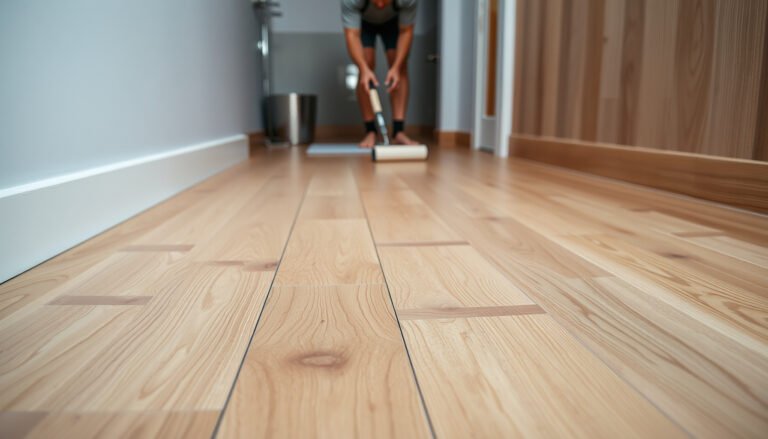
[…] Wipe up spills immediately, especially liquids that can seep at seams or […]