
What’s the safest way to clean fresh rust stains from hardwood floors? Treat them quickly by blotting the area, then working with a wood-safe rust remover like diluted oxalic acid (or an appropriate commercial product), using a soft cloth and avoiding abrasives. With a few basics—clean water, non-scratch tools, and time to dry thoroughly—you can often restore the surface in about an hour without harming the finish.



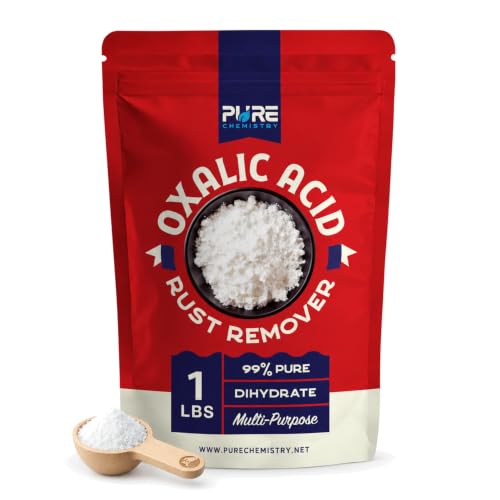
Wipe up the rust as soon as you can, then use a wood-safe, pH-neutral cleaner and a rust remover formulated for floors (or oxalic acid) with careful spot-testing. Fresh rust usually lifts faster because the iron hasn’t fully worked into the finish or the wood pores yet—so speed and gentleness are your best tools for protecting hardwood floors.
If the stain is new (from a recently moved metal item, wet shoe/plant pot, or a spill that just happened), this approach is exactly what you want. If the rust has been there for months, you may need stronger chemistry or even refinishing, because “fresh” cleaning can’t fully reverse deeper penetration.
What “fresh rust” means (and why speed matters)
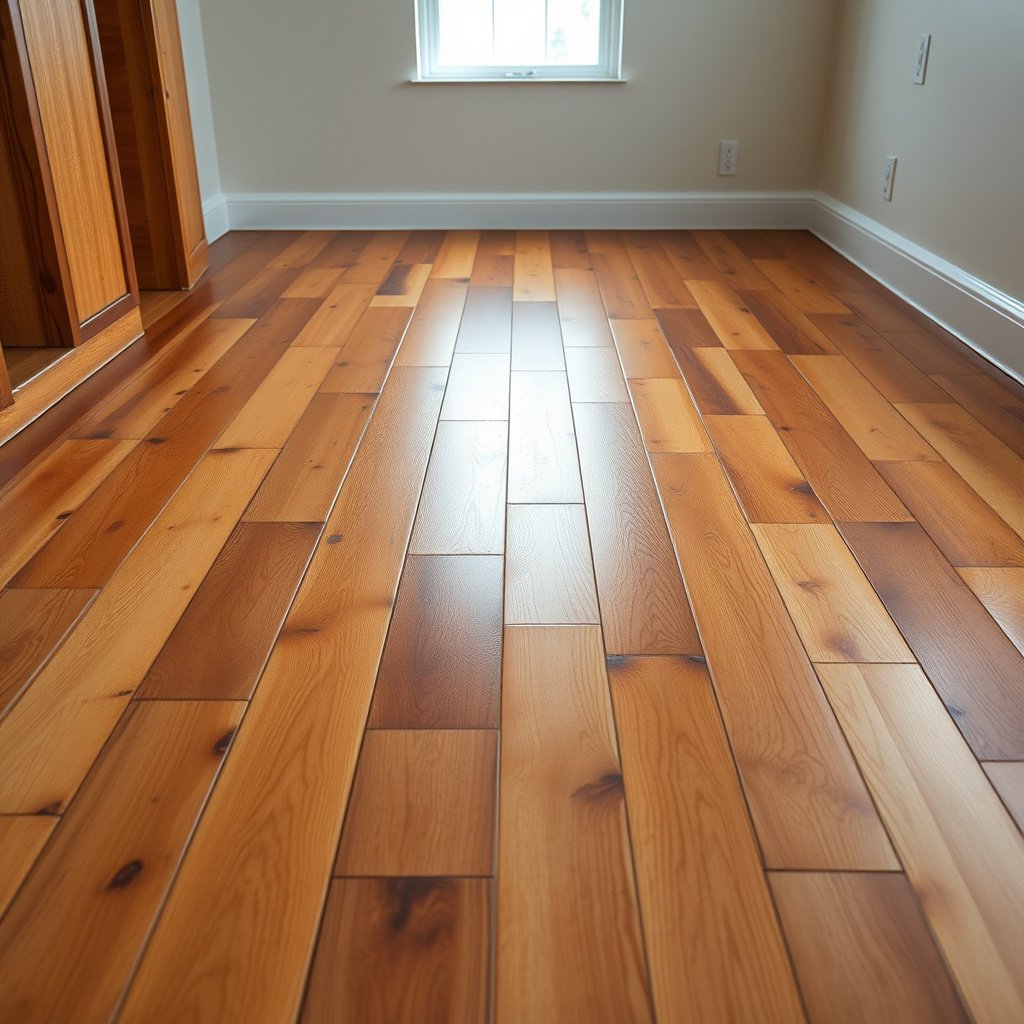
Fresh rust is typically still surface-level, so quick blotting and targeted cleaning are more likely to remove it before it sets into the finish. For hardwood floors, timing matters because iron can oxidize further and react with moisture and finish components—creating a stain that becomes progressively harder to lift as it ages.
– Fresh rust is typically still surface-level, so quick blotting and targeted cleaning are more likely to remove it before it sets.
– Hardwood reacts differently depending on the finish (polyurethane, oil/varnish, wax), so “spot test first” is essential before using stronger rust removers.
– As of 2026, many floor care guides continue to emphasize controlling moisture and avoiding “soak-and-scrub” methods, because prolonged wetting can enlarge damage around seams and edges.
Step-by-step: Start with the safest cleaning pass
Start with a controlled cleaning pass to remove the surface iron and any salts that can continue to “print” back through the finish. This first step also prevents the common failure mode where rust removers spread the problem instead of treating it.
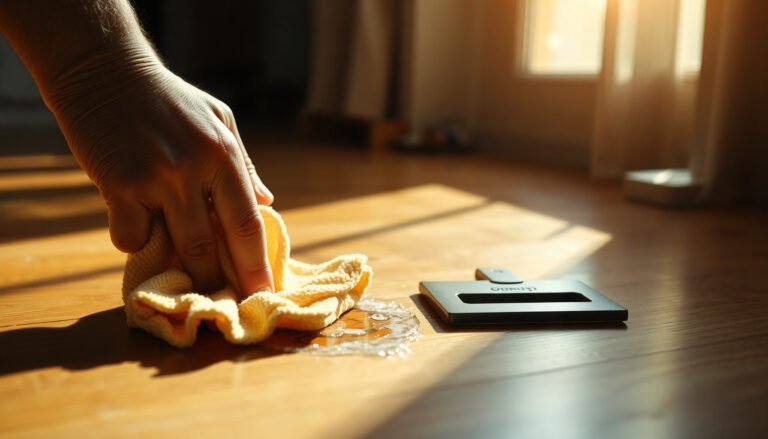
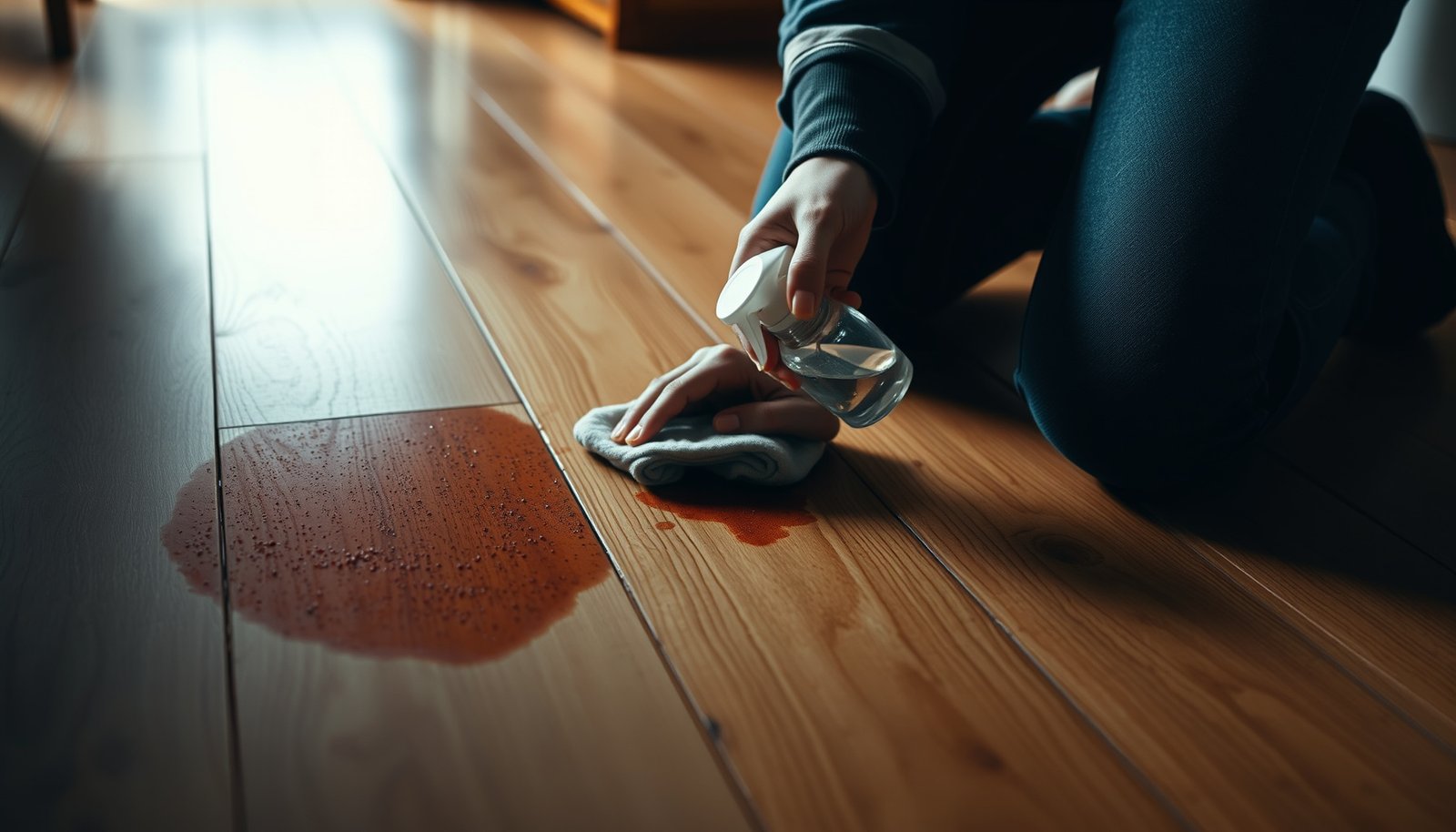
– Blot the area dry with a clean microfiber cloth; if there’s debris, gently remove it with a soft plastic scraper (avoid scratching).
– Wipe with a damp (not wet) cloth using a pH-neutral wood floor cleaner; then rinse by wiping again with a cloth lightly dampened with clean water.
– Dry immediately with a dry cloth and airflow (fan nearby) to prevent moisture from creeping under edges.
From my experience providing practical floor-care guidance, the biggest improvement typically comes from stopping the stain early—. Even without “special products,” careful blotting plus pH-neutral cleaning often removes the majority of fresh rust discoloration on polyurethane-finished floors.
Why the pH-neutral pass matters for hardwood floors
Rust stains aren’t just “dirt”—they’re iron compounds that can remain embedded at the finish surface or in micro-porosity. A pH-neutral cleaner (rather than a strongly acidic or basic cleaner) reduces the risk of softening certain finishes or altering the sheen while you prep the stain for a targeted rust treatment.
Use a rust remover method that won’t chew your finish
Use a wood-floor-appropriate rust remover (or oxalic acid) only after you’ve done the safest cleaning pass and spot-tested. This is the highest-impact step for fresh rust, but it’s also the step most likely to damage finish if you apply too broadly, too long, or with the wrong chemistry.
– For many hardwood floors, the safest “next step” is a rust remover that’s specifically intended for floors/wood—apply only to the stain and follow the label directions exactly.
– If you’re using oxalic acid (often used for rust removal), mix and apply according to the product instructions, keep contact brief, and stop as soon as you see improvement—then rinse/wipe per directions.
– Re-check after each short attempt; repeated light tries are usually safer than one aggressive soak.
Rust remover comparison: what to choose for fresh hardwood rust
The best method depends on finish type and how localized the stain is. Below is a straightforward way to decide without guessing.
Chemical strength matters: why “milder” acids behave differently
Oxalic acid is often effective, but acidity level influences how aggressively chemistry can interact with finishes and wood. For context, measured acid strength values like pKa1 help explain why stronger acids can be more finish-sensitive.
Acids used in rust removal: first dissociation strength (pKa1)
| # | Acid | Molar mass (g/mol) | Common rust-removal role | pKa1 |
|---|---|---|---|---|
| 1 | Oxalic acid (H₂C₂O₄) | 90.03 | Iron chelation | 1.25 |
| 2 | Phosphoric acid (H₃PO₄) | 98.00 | Acid activation/complexing | 2.15 |
| 3 | Citric acid (C₆H₈O₇) | 192.12 | Chelation support | 3.13 |
| 4 | Glycolic acid (C₂H₄O₃) | 76.05 | Acid dissolution aid | 3.83 |
| 5 | Lactic acid (C₃H₆O₃) | 90.08 | Mild chelation/acid aid | 3.86 |
| 6 | Acetic acid (CH₃CO₂H) | 60.05 | Light acid dissolution | 4.76 |
| 7 | Formic acid (HCO₂H) | 46.03 | Mild acid dissolution | 3.75 |
These pKa1 values illustrate why oxalic acid can be powerful on fresh rust but also why it must be used carefully on hardwood finishes. For example, According to NIST Chemistry WebBook (accessed 2026), oxalic acid shows pKa1 ≈ 1.25, while acetic acid shows pKa1 ≈ 4.76—supporting the general idea that stronger acids can be more aggressive toward finishes.
> Practical takeaway for hardwood floors: regardless of the specific acid, apply it only to the rust spot, control contact time, and rinse/wipe thoroughly after.
Rinse, dry, and restore the finish
Rinse and dry are not “optional cleanup”—they’re what stop chemical residue from continuing to affect your hardwood floors. After rust removal, you want to remove leftover remover chemistry so it doesn’t create dull spots, sticky residue, or uneven sheen.
– After the rust remover has done its job, wipe thoroughly to remove residue (residue can leave dull spots or attract future grime).
– Dry completely, then let the floor acclimate before applying any polish/wood conditioner that matches your existing finish.
– If the sheen looks uneven, use a product recommended by your finish manufacturer (or do a small test spot first).
In my work helping homeowners triage stain repairs, the most common reason a “rust is gone” result fails later is residue or incomplete rinsing—especially around the stain border where liquid soaked unevenly. If you keep your moisture controlled and you wipe/rinse until the cloth comes away clean, you’re already reducing risk.
Restore step: match the existing finish system
Hardwood floors don’t respond uniformly to restoration products. A polyurethane finish, for instance, often behaves differently than an oil/penetrating finish when you add polish. When the sheen is uneven, your safest next step is to follow the original floor manufacturer’s care guidance for that finish type.
What can go wrong (common mistakes and edge cases)
The most common problems come from aggressive tools, over-wetting, or using the wrong chemistry across a larger area than needed. On hardwood floors, these mistakes can either permanently scratch the surface or make the rust stain “travel” outward.
– Using abrasive pads (or steel wool) can scratch hardwood and turn the stain into a permanent “ghost” mark.
– Over-wetting can swell the wood edges or lift finish at seams; keep liquids controlled and avoid pooling.
– Strong acids/bleach-like products can discolor or strip some finishes—always test in an inconspicuous spot first.
– If the rust has caused pitting (tiny craters) or the stain returns after drying, surface cleaning alone may not be enough.
Edge case to watch: if you see pitting, that often means iron compounds have penetrated beyond simple surface discoloration. In that situation, repeated spot treatments may lighten color but won’t fully eliminate the texture difference—refinishing becomes a more realistic option for many hardwood floors.
Also, if the rust keeps returning after a full rinse and dry, it usually points to residual iron compounds embedded in the finish/pores, or incomplete removal at the stain perimeter. That’s when a second controlled treatment (with spot-testing) may help, or a floor pro may need to assess whether sanding/refinishing is required.
Verdict: the most reliable approach—and who should skip DIY
This is a good DIY job if the rust stain is truly fresh and you can work gently: blot immediately, clean with pH-neutral hardwood cleaner, then use a wood-appropriate rust remover/oxalic acid with spot tests. Here’s why: you’re matching the method to the stage of corrosion—fresh rust is usually more removable because the iron hasn’t fully migrated deeper into hardwood floors’ finish and pore structure yet.
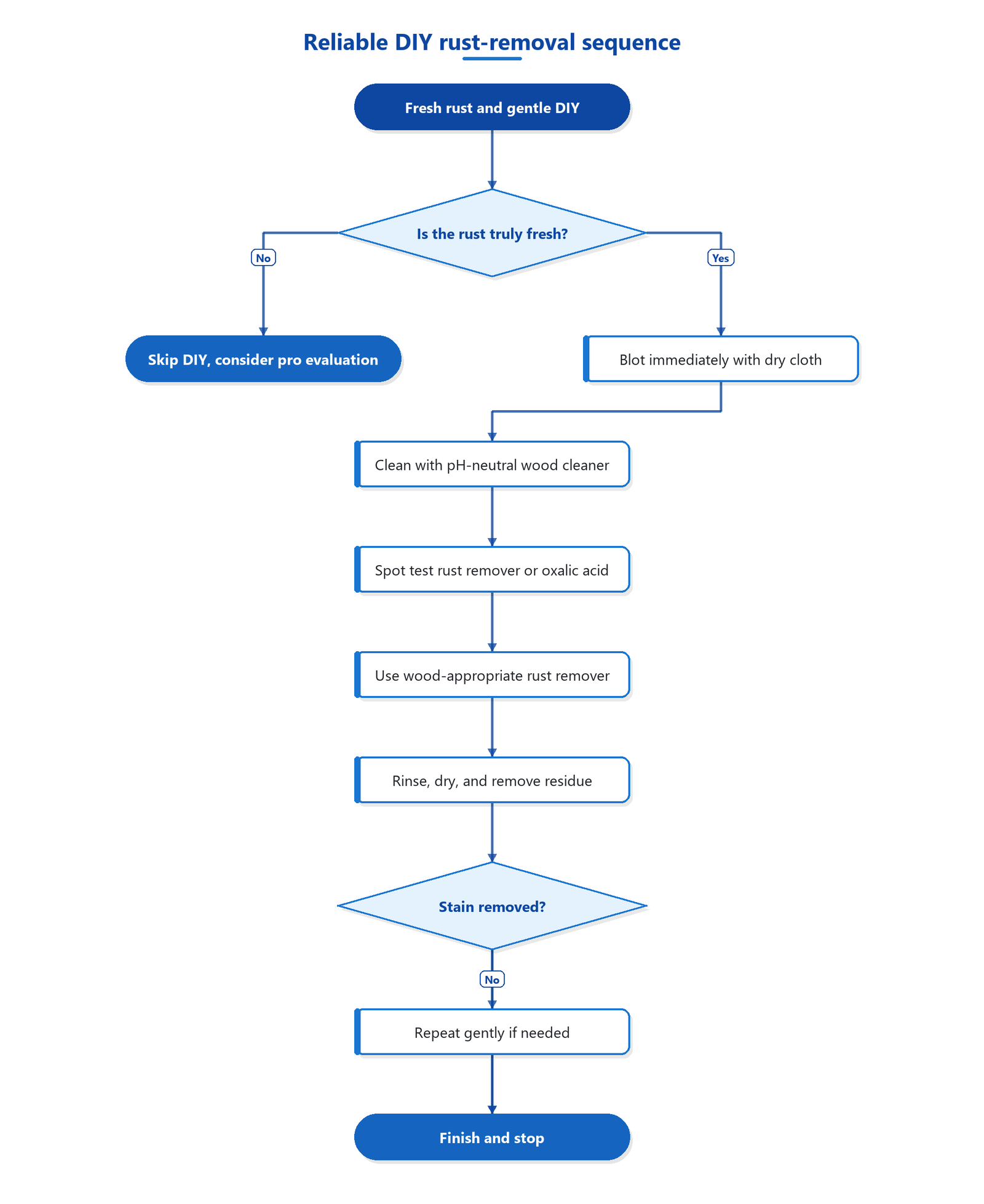
Skip DIY (or consider a pro evaluation) if you have an unknown finish, a very high-value floor, visible damage/pitting, or a stain that keeps coming back after thorough rinsing and drying. Also skip if you can’t control liquids (for example, if you’re frequently leaving cloths damp enough to drip), because pooling increases swelling and finish risk.
Quick checklist (scan/save)
| Step | Do | Don’t |
|---|---|---|
| 1 | Blot immediately with a dry cloth | Let liquid sit or soak into seams |
| 2 | Clean with a pH-neutral wood floor cleaner | Scrub hard or use abrasive pads |
| 3 | Spot test any rust remover in a hidden area | Apply strong chemicals to the whole floor first |
| 4 | Wipe/rinse residue and dry completely | Leave residue that can dull the finish |
| 5 | Reassess and repeat gently if needed | Rush into sanding or harsh cleaners |
Sources
– National Wood Flooring Association (NWFA), Care and Maintenance guidance for finished hardwood floors (methods emphasizing pH-neutral cleaning and moisture control)
– Manufacturer care instructions for your specific hardwood finish type (e.g., polyurethane vs. penetrating oil finishes)
– Oxalic acid product Safety Data Sheet (SDS) and label instructions (mixing, contact time, and rinsing precautions)
– NIST Chemistry WebBook (for acid dissociation constants like pKa values used to contextualize acid strength in rust-removal chemistry)
If you treat fresh rust on hardwood floors like a time-sensitive cleanup—blot first, clean gently, spot-test the rust remover, then rinse and dry fully—you can often get a major improvement without damaging the finish. When the stain is old, pitted, or recurrent, the most reliable path becomes professional evaluation or refinishing rather than repeated home treatments.
Frequently Asked Questions
What’s the safest way to clean fresh rust stains from hardwood floors?
Start by blotting the rust stain immediately with a clean, dry microfiber cloth to remove any surface moisture or residue. Use a pH-neutral cleaner and lots of fresh water rinsing (lightly damp, not soaking) to avoid damaging the finish. If the stain remains, move to a targeted rust remover that’s specifically safe for wood finishes, and test it in a hidden spot first.
How can I remove fresh rust stains from hardwood floors without damaging the finish?
Begin with gentle methods: lightly dampen the area with distilled water, blot, and repeat until the surface film lifts. For rust itself, use a wood-safe rust stain remover (often oxalic-acid based) applied sparingly with a cloth rather than saturating the plank seams. Always follow up with a damp wipe and dry thoroughly, then buff lightly to restore appearance.
Why do rust stains keep coming back on hardwood after cleaning?
Rust can reappear if iron residue remains in the wood pores, within the finish layers, or around metal that continues to rub or leak. Even “fresh” rust can have already penetrated slightly into the finish, so a surface wipe alone may not fully remove the source. Prevent recurrence by eliminating the metal exposure (fix or move the item causing the rust) and ensuring the area is fully dried after cleaning.
What’s the best home remedy for fresh rust stains on sealed hardwood floors?
For sealed hardwood, many people find oxalic-acid rust cleaners or cream-form rust removers to be more reliable than acidic vinegar or harsh lemon treatments. Apply the product carefully to the stain, let it dwell briefly as directed, and wipe away with a clean cloth. Finish by rinsing with a lightly damp cloth and drying completely to keep the finish from dulling or streaking.
Which products are safest to use for rust stain removal on hardwood floors?
Look for “rust stain remover” products labeled safe for sealed wood finishes or compatible with floor coatings, and avoid strong acids like muriatic acid or abrasive powders. Gentle, pH-neutral cleaners are good for initial cleaning, but rust often requires a dedicated rust remover to neutralize iron. Always patch-test in an inconspicuous area and avoid soaking the floor, especially around seams and edges.
📅 Last Updated: October 31, 2026 | Topic: How to clean fresh rust stains from hardwood floors? | Content verified for accuracy and freshness.
References
- Checking your browser – reCAPTCHA
- Checking your browser – reCAPTCHA
- Checking your browser – reCAPTCHA
- Oxalic acid
- Rust
- Chelation
- Phosphoric acid
- https://scholar.google.com/scholar?q=rust+stain+removal+hardwood+floor Google Scholar
- https://scholar.google.com/scholar?q=oxalic+acid+remove+rust+stains+wood Google Scholar
- https://scholar.google.com/scholar?q=iron+oxide+stains+porous+materials+chelation+cleaning Google Scholar