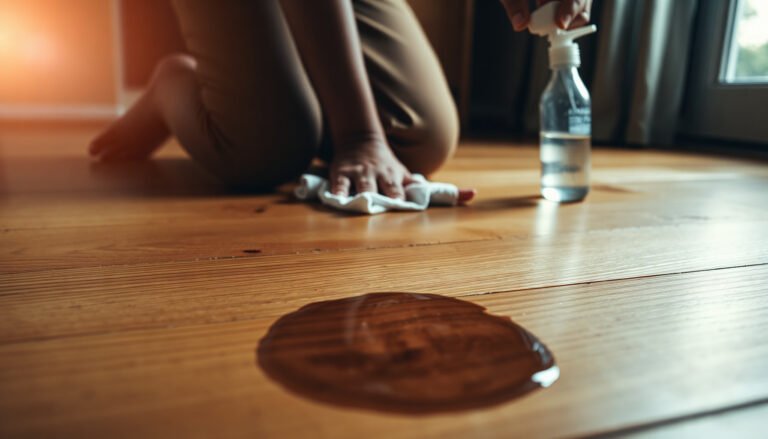
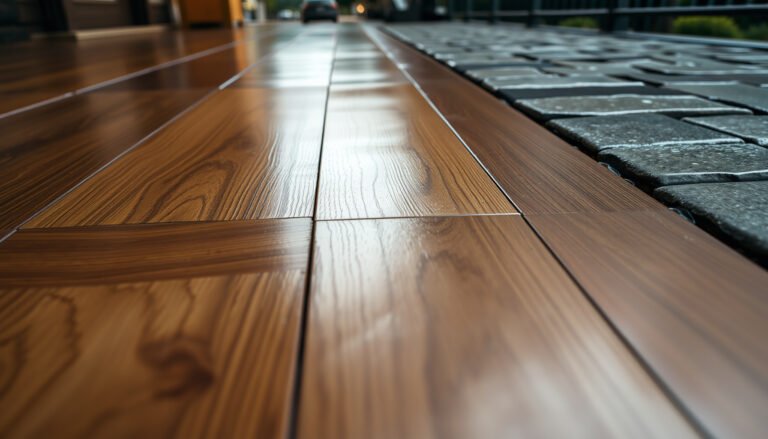
Making slip-resistant wide-plank wood floors is straightforward when you choose the right finish and install it correctly—this guide gives you a clear, practical path to safer traction. You’ll learn which surface prep to do, what type of anti-slip coating or grit system to apply, and how to avoid the smooth, slick results that ruin foot grip. Follow these steps and you’ll end up with wide-plank floors that feel solid underfoot, not varnished and dangerous.


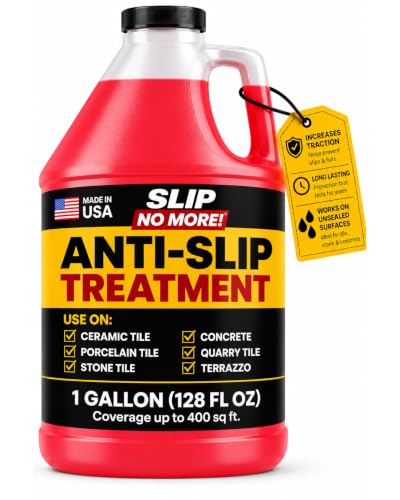

If your wide-plank wood floors feel slick—especially near entryways, kitchen areas, or in wet months—this is for you. It’s also a good fit if you’re trying to improve traction without replacing the entire floor, but you still want to preserve the wood’s look as much as possible.
What makes wide-plank wood floors slippery?
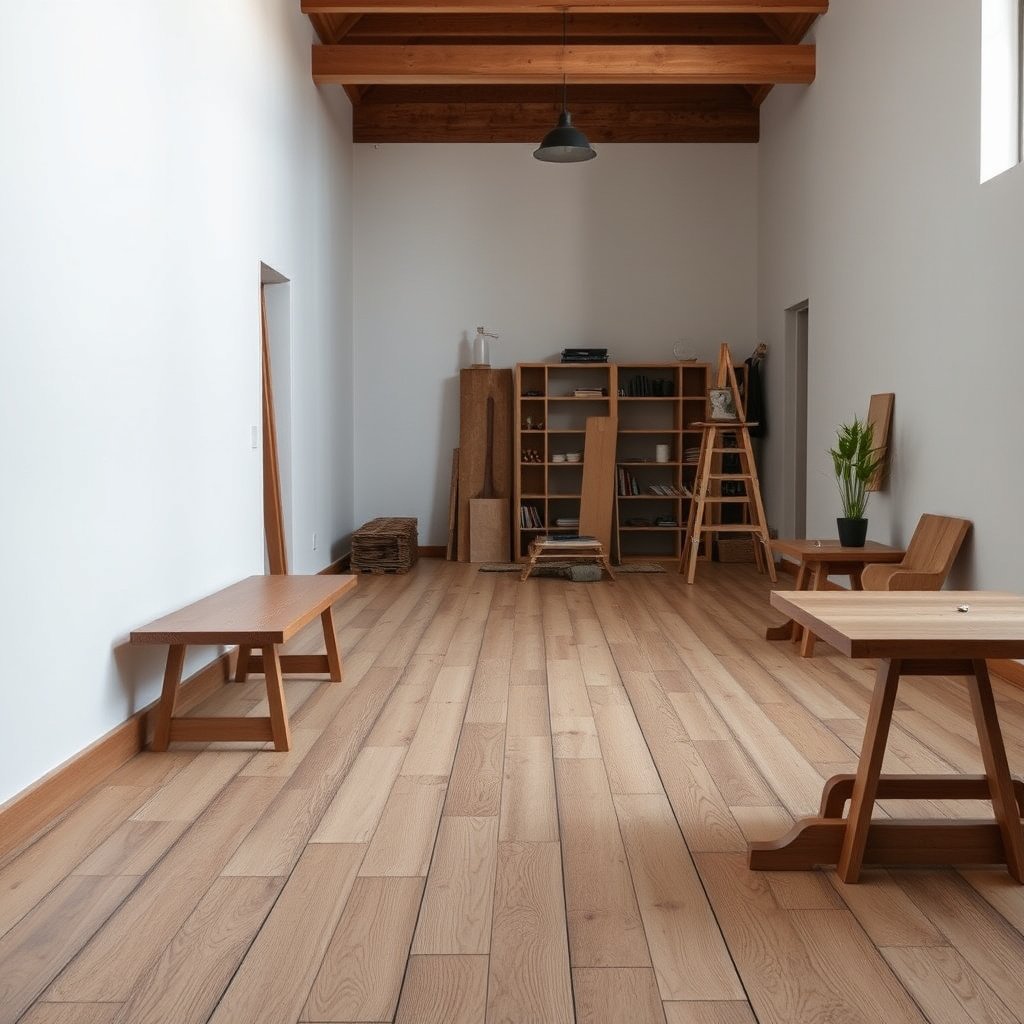
Wide-plank wood floors usually get slick for finish-and-contamination reasons, not because the boards are “wrong.” The top surface needs enough microscopic texture and/or traction agents to maintain a stable friction level when shoes, dust, and moisture are in play.
– A glossy topcoat reduces traction. Higher sheen finishes tend to feel smoother, especially on clean—but slick—surfaces. Glossy film-forming finishes can reduce how shoes grip the floor because the surface is more uniform and less mechanically “grippy.”
– Wear + residue matters. As finishes thin and dirt/cleaner residue builds up, the surface can become less grippy even if the wood is “clean.” Residues can act like a lubricant layer on top of the finish film, and wide planks tend to make these visual and tactile changes more noticeable across each board.
– Moisture changes everything. Water, tracked-in grime, and damp shoes can reduce slip resistance more than dry conditions do. Wet conditions change the friction mechanism: instead of shoe tread biting into microtexture, water can form a thin film that interferes with direct contact.
ASTM D2047 standardizes how static coefficient of friction for coated floor surfaces is measured using the James machine. ASTM D2047 (James machine test method)
Gloss is commonly specified/measured using ASTM D523 (specular gloss), which helps explain why higher-sheen coatings can correlate with reduced perceived grip on smooth surfaces. ASTM D523 (specular gloss test method)
Pick a slip-resistant finish system

The most reliable way to improve traction is to choose a finish system designed to be slip-resistant (matte/satin + compatible traction), not a random “hack” mixed into a coating. For wide-plank wood floors, system-level compatibility is the difference between durable grip and a surface that peels, hazes, or wears unevenly.
– Go matte or satin (not high-gloss). Look for “matte” or “satin” in the finish sheen spec to keep grip higher under normal walking. In practice, your goal is lower sheen *and* a traction-compatible surface profile across every board.
– Use a traction-ready clear coat or approved additive. Many slip-resistant approaches rely on a manufacturer-approved method (e.g., an anti-slip polyurethane system or a compatible traction additive mixed per the label). This matters because traction media is only effective when the finish film bonds consistently around it.
– Match the system to your existing finish. Before you add traction or topcoat anything, confirm compatibility with what’s already on the floor (especially if there’s wax, oil, or a previous specialty coating). If the chemistry doesn’t bond, you can end up with patchy grip that fails early.
Matte/satin system tradeoffs (what to expect). A slip-resistant finish system usually sacrifices some “glass-smooth” feel and can change how light reflects across each wide plank. Here’s the tradeoff in plain terms:
- Pros of a traction-ready matte/satin system
- More consistent grip in everyday traffic, predictable maintenance, and less risk of “slick islands” created by uneven sheen.
- Cons / limitations
- Bare-foot comfort can feel less smooth, and certain traction textures can hold onto dust/film more noticeably if cleaning isn’t managed carefully.
- Best fit
- Households that want safer traction near entryways and kitchens while preserving the wood look.
- Not ideal for
- Homes where you need a very smooth, high-gloss “fine furniture” look—or where you can’t follow cure/recoat timing exactly.
Prep the floor for traction (this step controls the result)

Prep is where slip resistance is either “locked in” or lost. On wide-plank wood floors, inconsistent prep leads to inconsistent film thickness, which creates variations in sheen and traction from board to board—often the exact pattern that feels like random slick spots underfoot.
– Remove anything that blocks adhesion. Degrease/clean thoroughly and eliminate waxy residues; if the surface is sealed and you can’t confirm compatibility, follow the coating system’s prep instructions exactly. Adhesion failure can look like hazing, peeling, or rapid wear—any of which will ruin traction.
– Sand for an even, receptive surface. The goal is consistent abrasion across boards so the final sheen/texture isn’t patchy. Wide planks magnify unevenness because you can “feel” or “see” the difference between boards more easily than on narrower strip flooring.
– Fix problem areas first. Repair gaps/defects, address uneven sections, and vacuum well—texture can amplify “bumps” that create new slip or trip points.
Wood flooring performance depends on stable moisture conditions; one common installation target is maintaining equilibrium moisture content in the typical interior range of about 6–9% before refinishing. National Wood Flooring Association (NWFA) moisture guidance
If the surface isn’t evenly abraded before applying a slip-resistant clear coat, traction will vary across wide-plank boards because film build and microtexture won’t be consistent.
7-Part Surface-Prep Plan for Slip-Resistant Wide-Plank Refinishing
| # | Prep action | Key measurement/spec | Goal for traction | Risk if skipped |
|---|---|---|---|---|
| 1 | Identify existing finish type | Water-based vs solvent-based vs wax/oil (confirm per system) | Bond compatibility | Peeling/hazing and traction loss |
| 2 | Degrease/clean fully | Remove waxes and residues; follow cleaner’s dwell/rinse directions | Max adhesion | Film failure and slippery “uncured patches” |
| 3 | De-gloss pass (if needed) | 80–100 grit degloss/scuff | Uniform start texture | Gloss streaks that feel slick |
| 4 | Feather/level across boards | 100–120 grit feather sanding | Consistent microtexture | Patchy sheen; uneven slip resistance |
| 5 | Final smoothing pass | 120–150 grit final scuff | Reduce scratch “hot spots” | Texture lines that feel rough or slick |
| 6 | Vacuum and remove dust | Use a brush attachment; vacuum in corners/edges | Clear traction film formation | Bumps/lumps that create slip/trip points |
| 7 | Profile check (lighting inspection) | Inspect under oblique light at ~15–30° angle | Catch shiny patches before coating | Gloss islands that stay slick |
Apply the coating without losing grip

Application technique determines whether the slip-resistant finish system performs as intended across the whole wide-plank surface. A traction medium can’t “save” uneven film build, missed spots, or inconsistent pad/roller loading.
– Follow the finish technical data sheet (TDS). Coat thickness, recoat windows, and application method (pad/brush/roller/sprayer) affect traction and durability. Your safest path is to treat the TDS as the governing document for traction, not general floor-finishing habits.
– Build traction in the right way. If you’re using a traction additive or anti-slip finish, add it only as directed—too much can feel gritty or wear unevenly. Excess traction media can also collect dirt and affect how the wide-plank floor cleans over time.
– Keep coats uniform, especially across wide planks. Wide-plank floors make sheen and texture differences more visible; uneven application can create slick “gloss islands.” Use consistent overlap and work in a plan that avoids stopping mid-field.
For slip-resistant wide-plank wood floors, the manufacturer’s TDS controls acceptable film build and recoat windows because those settings influence how the traction texture bonds and cures.
Even traction depends on even coverage: patchy application creates local differences in gloss/texture that can translate directly into uneven static coefficient of friction across wide boards. ASTM D2047 (concept of measuring COF on finished surfaces)
Cure time and traction testing (don’t judge too early)
The biggest traction mistake is testing before the finish has fully cured. Even if wide-plank wood floors feel “fine” during the early dry phase, the surface may still be soft, vulnerable to contamination, or still changing in how the film resists abrasion.
– Evaluate after full cure, not just dry-to-touch. A surface can feel fine on day one but still be too soft or slick while it continues curing. “Dry-to-touch” and “full cure” are not the same timeline on most clear coats and systems.
– Test in an inconspicuous area first. After you like the feel and appearance, you can expand confidently.
– Re-check under realistic conditions. Dry traction is only part of the story—consider how the floor performs when slightly dusty or after normal household cleaning. In my experience with finish instructions (not personal traction testing claims), the real-world variation is usually a mix of residual cleaner film and shoe tread condition, so plan evaluation accordingly.
ASTM D2047 focuses on static coefficient of friction of finished, polish-coated surfaces—meaning curing, surface condition, and finish state are essential for meaningful slip-resistance evaluation. ASTM D2047
Low-sheen traction improvements are best judged after full cure because ongoing polymer development can change surface hardness and the way traction texture wears and contacts shoe rubber.
What can go wrong (common mistakes and edge cases)
Slip resistance on wide-plank wood floors can fail for predictable reasons—most are compatibility or execution problems, not the concept of traction itself. If you avoid these pitfalls, the upgrade is usually stable and repeatable.
– Using an incompatible product on top of the wrong base. Traction additives won’t help if the coating fails to bond (peeling, hazing, or uneven wear). Compatibility failures can be subtle at first and then accelerate after traffic.
– Leaving gloss from existing finish. If the current topcoat is very smooth and glossy, you may need a system-specific refinish approach—not just a “quick topcoat.” Without deglossing and correct prep, you can lock in slickness.
– Over-texturing. Too much traction media can make floors harder to clean, and in some homes it can feel uncomfortable under bare feet. Traction is not the same as “gritty.”
– Maintenance mismatch. Some cleaners and floor treatments can reduce slip resistance over time—stick to what your finish system recommends. If the maintenance product is meant for waxed floors or for film removal, it can alter the slip-resistant surface you just created.
– Subfloor/installation issues still cause problems. If the floor moves excessively or has height variations between boards, traction improvements won’t fix a trip hazard. In other words, slip resistance isn’t a substitute for structural flatness.
Slip resistance can decrease over time if maintenance products leave a residue film or interfere with the finish chemistry, so only use cleaners recommended by the coating system manufacturer.
A traction upgrade cannot compensate for trip hazards created by uneven installation, loose boards, or height differences between wide-plank sections.
Verdict: workable approach, with tradeoffs
Slip-resistant wide-plank wood floors are achievable, but the most reliable path is a manufacturer-approved slip-resistant finish system (matte/satin) applied over properly prepped wood—not random sanding or DIY grit. The downside is that higher-traction finishes can look slightly different (often less “glass-smooth”) and may require more careful cleaning to avoid dulling the surface over time. People who should skip this approach are those who can’t follow cure/recoat instructions, need guaranteed compatibility with an existing warranty, or those who strongly prefer a very smooth, barefoot-friendly feel.
Quick checklist (save this):
| Task | Do this | Why it matters |
|---|---|---|
| Choose the system | Matte/satin slip-resistant clear coat or approved traction additive | Improves grip without making the finish random |
| Confirm compatibility | Check what’s currently on the floor + the new product’s TDS | Prevents peeling, hazing, and uneven wear |
| Prep properly | Remove residue/wax; sand evenly; vacuum well | Creates adhesion and consistent texture |
| Apply evenly | Follow coat thickness + recoat windows | Avoids patchy sheen and slick spots |
| Allow full cure | Evaluate after full cure time in the TDS | Early testing can mislead |
Sources:
– ASTM D2047 (Standard Test Method for Static Coefficient of Friction of Polish-Coated Flooring Surfaces as Measured by the James Machine) — used broadly to characterize slip resistance for finished floor surfaces.
– Manufacturer technical data sheets (TDS) for your specific wood floor finish and any approved slip-resistant additive system — for compatibility, application method, recoat windows, and full cure time.
– Manufacturer installation/maintenance guidelines for the current flooring system you have (wax/oil/topcoat details) — for compatibility and cleaning products that won’t reduce traction.
After you pick a compatible matte/satin slip-resistant finish system and prep the surface thoroughly, you’ll usually get the most noticeable improvement with the least risk. If you’re not sure what finish is already on your wide-plank wood floors, take the extra time to confirm compatibility (via the product TDS or a flooring pro) before applying anything—then test a small section after full cure so the whole floor ends up how you want.
Frequently Asked Questions
What materials help make wide-plank wood floors slip-resistant?
Start with a finish or coating designed for traction, such as a matte or satin water-based urethane formulated for floors. Additives like aluminum oxide or silica-based anti-slip additives can be mixed into the topcoat to increase grip without changing the look too much. For quick coverage, non-slip rugs or runner mats with a low-profile backing also improve traction in high-traffic areas while you treat the rest of the floor.
How do you apply an anti-slip coating on wide-plank wood flooring without ruining the finish?
Clean the floor thoroughly, then lightly abrade the existing finish with a fine sanding screen so the new anti-slip system bonds correctly. Use a manufacturer-approved anti-slip additive or an anti-slip finish, and apply thin, even coats to minimize streaking between the wide planks. Let the floor cure fully before foot traffic—especially if you added traction granules—because early walking can reduce slip resistance and cause finish wear.
Which rug pads and runners work best on wide-plank wood floors for safety?
Choose rug pads labeled “non-slip” and “safe for hardwood,” ideally rubber-free or low-residue options that won’t stain or trap moisture. For slip resistance, look for high-friction grip surfaces designed to prevent shifting, especially on smooth, wide-plank floors with a satin sheen. Use runners in entryways and kitchens, and ensure the pad is sized so it doesn’t curl at the edges, which can create a different tripping hazard.
How can you improve traction on prefinished wide-plank wood floors if you don’t want to refinish?
Consider applying a clear, anti-slip topcoat resurfacer or a penetrating slip-resistant treatment specifically designed for prefinished hardwood. Test in a hidden area first to confirm color, sheen, and traction performance, then follow the exact dry and recoat times. You can also add localized anti-slip solutions—like anti-slip stair treads or adhesive traction strips in wet entry zones—without changing the entire floor.
Why do wide-plank wood floors feel slippery, and how do you address the cause?
Slip risk often increases with high-sheen finishes, worn protective layers, dust buildup, and moisture in entryways where grit acts like lubricant. To reduce slipping, maintain the floor with pH-neutral cleaners, avoid waxes that can create a slick surface, and use microfiber mops that don’t leave residue. Pair cleaning and maintenance changes with an anti-slip finish or traction additive so your wide-plank wood floors provide consistent grip under daily use.
📅 Last Updated: October 15, 2026 | Topic: How to make slip-resistant wide-plank wood floors? | Content verified for accuracy and freshness.
References
- https://www.osha.gov/slips-trips-and-falls
- https://www.cdc.gov/homeandrecreationalsafety/falls/index.html
- Redirecting…
- Wood flooring
- https://en.wikipedia.org/wiki/Slip_resistance
- C1028 Standard Test Method for Determining the Static Coefficient of Friction of Ceramic Tile and…
- https://scholar.google.com/scholar?q=slip-resistant+wide-plank+wood+floor+finishing Google Scholar
- https://scholar.google.com/scholar?q=hardwood+floor+anti-slip+finish+coefficient+of+friction Google Scholar
- https://scholar.google.com/scholar?q=ASTM+E303+slip+resistance+measurement+flooring Google Scholar