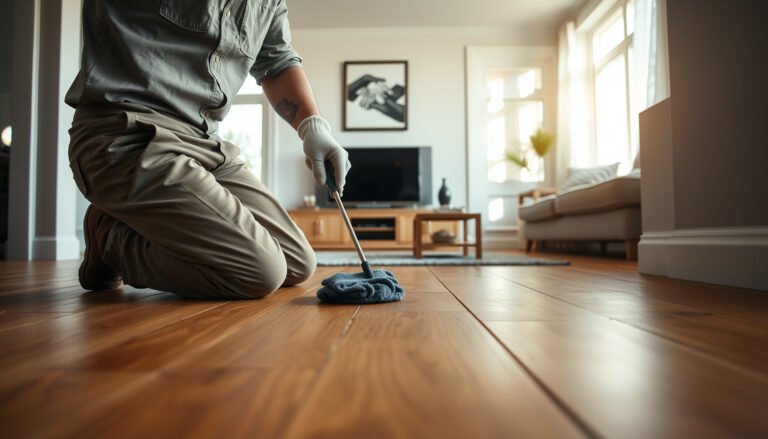
Dried ink marks on hardwood are often removed by gently breaking down the stain with isopropyl alcohol, then wiping clean and restoring the finish. Most spots take 10–20 minutes with the right cloths and a mild hardwood cleaner, but the work is easier if you start as soon as the ink is truly dry. You’ll need isopropyl alcohol, a microfiber cloth, cotton swabs, and wood-safe cleaning supplies.




Blot up any fresh ink first, then lift dried ink with a gentle alcohol-based cleaner (rubbing alcohol) and a soft cloth—followed by a hardwood-safe cleaner and quick drying. Test the cleaner in a hidden spot, since some finishes can be softened or dulled by solvents. Below is a practical step-by-step approach to remove dried ink marks with minimal risk to your floor finish.
If you’ve got dried pen/marker ink on hardwood (especially polyurethane-finished or sealed floors), this is for you. It’s also useful when basic soap-and-water won’t touch the stain and you need a controlled method that won’t grind ink deeper into the wood grain.
Gather supplies and check your floor finish first
Start with a small, controlled set of tools—because the biggest risk is damaging the finish, not the ink itself. For dried marker stains, rubbing alcohol is often effective, but only if you confirm your floor’s coating can tolerate solvents.
You’ll get best results using soft, lint-free cloths plus applicators that let you apply minimal liquid. Prepare the area so you don’t spread pigment into clean flooring: dry ink can smear if you drag it across the grain.
– Use a few basic items: soft microfiber cloths, cotton swabs, rubbing alcohol (or denatured alcohol), painter’s tape, and a pH-neutral hardwood floor cleaner.
– Protect the surrounding area by taping off the edges of the stain so you don’t spread ink.
– If you’re unsure whether your floor is finished with polyurethane, shellac, wax, or an oil finish, do a quick spot test—solvents affect finishes differently.
A quick finish check matters because rubbing alcohol (isopropyl alcohol) evaporates fast, but evaporation doesn’t mean it’s harmless. According to a typical isopropyl alcohol Safety Data Sheet (SDS), isopropyl alcohol has a boiling point of about 82.6°C—which helps it flash off quickly, but the chemical can still soften certain coatings.
Also, as of 2026, many homeowners are maintaining floors with “neutral” cleaning products and low-moisture methods, because excessive wet cleaning is a common cause of dulling and finish cloudiness over time—so this approach aligns with that current best practice.
Test a small spot before you treat the stain
The safest way to use rubbing alcohol on hardwood is to test first—because finish damage usually shows up immediately, not after days. In practice, a hidden-area test tells you whether your coating tolerates the solvent before you work on the visible stain.
– Apply a small amount of rubbing alcohol to a hidden area (under a rug or near a closet edge) using a cloth or cotton swab.
– Wait a few minutes and check for changes like whitening, tackiness, dull spots, or finish peeling.
– If you see finish damage, stop and switch to the gentler options in later sections (or consider professional refinishing/cleaning advice).
Finish behavior varies a lot. Shellac and wax, for example, are generally more solvent-sensitive than many modern polyurethane systems. Even when the ink lifts, rubbing alcohol can leave a temporary haze or affect gloss level if the topcoat is compromised.
To anchor expectations, check the physical profile of isopropyl alcohol: typical isopropyl alcohol SDS values include a flash point around ~11–12°C (closed cup), meaning it’s volatile and can interact rapidly with surface layers. That volatility is why the technique works—yet it’s also why you should never flood the area.
Remove dried ink with rubbing alcohol (controlled technique)
Use rubbing alcohol in small, targeted amounts—dabbing rather than scrubbing—so you lift pigment without smearing it deeper into the grain. The “outside edge toward the center” technique helps prevent ink migration.

– Dampen a cloth or cotton swab with rubbing alcohol—don’t soak the wood—and dab at the ink from the outside edge toward the center.
– Keep moving to a clean section of the cloth so you’re not re-depositing ink.
– Repeat in short rounds, then wipe with a clean damp cloth (water only, wrung well) to remove residue.
What you’re trying to do is dissolve and mobilize dye/pigment components, then physically remove them with controlled wiping. Scrubbing introduces two problems: it can mechanically push ink deeper, and it can abrade the finish, especially on high-wear polyurethane surfaces.
From a timing standpoint, short rounds are your friend. If you keep wet contact going too long, you risk softening the coating even if the ink is lifting.
To make the chemical interaction easier to understand (and to help you decide whether this is worth attempting), here’s how common alcohols differ in volatility and flammability—properties that influence how quickly they act and how carefully you must apply them.
Alcohol Properties Relevant to Hardwood Ink Lifting (Approx. SDS Values)
| # | Solvent (Alcohol) | Boiling Point (°C) | Flash Point (°C)* | Finish Compatibility Score |
|---|---|---|---|---|
| 1 | Isopropyl alcohol (2-propanol) | 82.6 | ~11–12 | ★★★★☆ |
| 2 | Ethanol (ethyl alcohol) | 78.37 | ~13 | ★★★☆☆ |
| 3 | n-Propanol | 97.2 | ~21 | ★★☆☆☆ |
| 4 | tert-Butanol (t-BuOH) | 82.3 | ~26 | ★★☆☆☆ |
| 5 | Methanol | 64.7 | ~9 | ★☆☆☆☆ |
| 6 | n-Butanol | 117.7 | ~35 | ★☆☆☆☆ |
| 7 | Isopropyl alcohol blend (typical “rubbing alcohol”) | ~82–83 | ~11–12 | ★★★☆☆ |
Flash point and compatibility can vary by SDS/grade; the practical takeaway is still the same: use the least aggressive alcohol that passes a hidden spot test, and apply it sparingly with dabbing.
Clean and restore the area after ink removal
Finish the job by removing solvent residue and restoring the floor’s look—because a “cleaner” surface can still appear dull if residue remains. After the ink lifts, you want a pH-neutral hardwood floor cleaner and immediate drying.
– Once the stain is gone, clean the spot with a hardwood-safe, pH-neutral cleaner to remove any remaining solvent film.
– Dry immediately with a dry microfiber cloth to prevent moisture from lingering at the surface.
– If the area looks slightly dull compared to the surrounding floor, .
This finishing step matters because rubbing alcohol can leave behind an invisible film even when the ink is removed. Also, water-wiping helps, but only if you wring the cloth well and avoid standing moisture at the seams.
As of 2026, many manufacturers emphasize “minimal moisture” maintenance because repeated wetting can slowly alter gloss—especially around high-traffic zones where the coating is already thinner.
What can go wrong (and how to avoid it)
The most common failures come from finish sensitivity and ink spreading, not from lack of effort. If you treat rubbing alcohol as a quick scrub solution, you can end up with a larger stain footprint or a changed gloss level.
– Finish softening or haze: Solvents can dull certain coatings. That’s why the spot test matters—especially on older floors or non-polyurethane finishes.
– Spreading the stain: Rubbing aggressively can smear ink into pores. Use dabbing and gentle pressure instead.
– Ink “ghosting” after cleaning: Some stains can lighten slowly. If you only get partial removal after a few rounds, stop rather than overworking the area.
Here’s the trade-off analysis in plain terms:
- Rubbing alcohol + dabbing
- Pros: Often lifts dye/pigment efficiently on sealed hardwood; requires no sanding; minimal moisture when applied sparingly.
- Cons: Can soften or haze certain finishes (notably shellac/wax); can leave a dull halo if overworked.
- Scrubbing with alcohol
- Pros: Faster in appearance, but this is usually deceptive—because it increases smearing and finish abrasion.
- Cons: Spreads pigment outward and can compromise the topcoat.
- Skipping the post-clean
- Pros: Saves time.
- Cons: Increases chance of solvent residue and persistent dullness.
To anchor what “risk” means with chemistry: isopropyl alcohol’s volatility is real (boiling around 82.6°C, from typical isopropyl alcohol SDS), so it can act quickly at the surface. That’s why you should use controlled contact, not open flooding.
Verdict: the most reliable method—and who should skip it
Rubbing alcohol plus careful dabbing is usually the best first attempt for dried ink on sealed hardwood because it can dissolve many ink components without heavy sanding. The downsides are equally important: it can damage or dull certain finishes, and it won’t remove ink that’s deeply embedded in worn or unsealed wood.
Skip solvent-based cleaning and choose gentler methods or professional help if your floor is known to be shellac-waxed, very old/unstable, or already showing finish wear in the test spot. Also skip this method if your spot test shows whitening, tackiness, peeling, or roughening—those are clear warnings that rubbing alcohol is actively harming the coating.
If you do proceed, treat this as a “controlled attempt,” not a single pass. Short rounds, constant reloading with clean cloth/swab sections, and immediate post-clean and drying are what keep the risk low.
Quick checklist (scan/save)
– [ ] Blot/treat any wet ink first (if applicable)
– [ ] Tape around the stain
– [ ] Spot-test rubbing alcohol in a hidden area
– [ ] Dab ink (outside → center) with minimal moisture
– [ ] Wipe with water (well-wrung cloth) after solvent
– [ ] Clean with a pH-neutral hardwood cleaner
– [ ] Dry immediately
Frequently Asked Questions
How do I remove dried ink marks from hardwood floors without damaging the finish?
Start by testing your cleaner in an inconspicuous spot because hardwood finish types (polyurethane, wax, oil) respond differently. Blot fresh ink first, then for dried ink use a microfiber cloth with a small amount of isopropyl alcohol or denatured alcohol to gently lift the stain. Work slowly in light dabs, and avoid soaking the floor—excess moisture can cause swelling or clouding. Wipe with a damp cloth, dry immediately, and consider applying a small amount of wood floor polish or wax to restore sheen.
What is the best way to clean dried pen ink from hardwood using rubbing alcohol?
Dampen a cotton ball or microfiber cloth with isopropyl alcohol (70% is often a good starting point) and dab the dried ink stain from the outside edge toward the center. Let it sit briefly for 30–60 seconds, then gently wipe—repeat as needed until the ink lifts. If the ink is set deeply, you can reapply alcohol and use a soft sponge rather than a scrub pad. Finish by cleaning residue with a slightly damp cloth and drying thoroughly to protect the hardwood surface.
Which household products are safe for ink removal on sealed vs. unfinished hardwood?
For sealed hardwood floors, rubbing alcohol, mild dish soap, and specialized wood floor cleaners are commonly safer because the finish provides a barrier. For unfinished hardwood, be extra cautious—solvents can penetrate and spread the ink or alter the wood color, so you may need a gentler approach like mild soap and water followed by careful stain-specific treatment. Always spot-test any product and minimize liquid exposure; if the floor is unfinished and the stain remains, consider consulting a professional refinisher. After treatment, re-seal or re-oil unfinished areas when appropriate.
Why do dried ink stains on hardwood become harder to remove over time?
As ink dries, its pigments and dyes bond to the wood surface and may seep slightly into pores, especially if the finish is worn or micro-scratched. Heat and foot traffic can also drive ink deeper and spread it into surrounding grain. That’s why early treatment with hardwood-safe methods works best, and why dried ink often requires repeated gentle dabbing rather than aggressive scrubbing.
How can I remove stubborn dried ink stains from hardwood floors if alcohol doesn’t work?
If alcohol doesn’t lift the stain, try a targeted approach: use a small amount of acetone-free nail polish remover or a dedicated ink remover designed for floors, then blot and wipe immediately. Avoid steel wool, abrasive pads, or harsh cleaners like bleach, which can damage the wood finish or lighten the area. For persistent marks, you may need to lightly sand and refinish the affected spot to fully remove ink from hardwood. After any intensive treatment, restore the finish with matching wood floor polish or refinishing products.
📅 Last Updated: October 31, 2026 | Topic: How to clean dried ink marks from hardwood floors? | Content verified for accuracy and freshness.
References
- Ink
- Stain
- Wood finishing
- Solvent
- Cleaning
- Wood
- https://www.britannica.com/science/ink
- https://scholar.google.com/scholar?q=how+to+remove+dried+ink+from+hardwood+floors Google Scholar
- https://scholar.google.com/scholar?q=ink+stain+removal+from+wood+finish Google Scholar
- https://scholar.google.com/scholar?q=solvent+cleaning+wood+floor+stain+removal+ink Google Scholar