


You can restore the look of your engineered wood floors by lifting set-in coffee stains with a controlled deep-cleaning routine that won’t damage the finish or core. In the next few minutes, you’ll learn exactly what to prepare, which cleaners are safe for engineered surfaces, and how to tackle the stain step by step until the discoloration fades. By the end, you’ll be able to clean, rinse, and dry correctly so your floor looks even again.



If you want coffee stains off engineered wood without harming the finish, blot first, then deep-clean with a pH-neutral cleaner on a barely damp microfiber. If brown discoloration remains after the surface is clean, treat the spot with a finish-safe tannin-removal method—tested in a hidden area—so you lift tannins without soaking the engineered wood top layer.
This guide is for engineered wood floors with a coffee stain that has dried, set-in, or left a lingering brown tint. It’s especially useful when normal mopping leaves the color behind.
Assess the stain and protect your finish

The fastest way to avoid making the stain worse is to confirm whether you’re dealing with surface residue or true discoloration that sits under (or through) the finish. Then you match the right approach to your floor’s finish type before using any stronger chemistry.
Surface grime vs. true discoloration
A coffee stain on engineered wood often presents in two phases. First, residue sits at the surface and may look like light-to-medium brown haze. Second, tannins (coffee’s natural pigments) can oxidize and “set,” leaving discoloration that still shows after proper cleaning. In my experience working with this kind of issue, the stain that disappears after a careful pH-neutral clean usually behaves like leftover grime; the stain that stubbornly remains usually behaves like tannin staining.
Identify your finish type (and why it changes the plan)
Before you escalate, locate your floor’s care instructions (often on a warranty card, brand website, or original installer paperwork) and identify whether the surface is sealed/finished (common for engineered wood) versus unfinished/oiled. A finish-safe tannin remover is not the same as bleach, degreasers, or abrasive cleaners—those can damage the protective topcoat, change sheen, or lighten the surrounding area.
Spot-test every stronger step
Even “wood-safe” products can cloud or slightly alter color depending on the finish chemistry. Plan a spot test in a closet edge, under furniture, or any hidden seam. Let the area dry fully before judging results, since engineered wood can temporarily look darker when it’s wet.
Typical pH of Coffee-Stain Cleanup Factors (Neutrality Matters)
| # | Substance / Cleaner Factor | Typical pH | Where It Fits | Finish-Safety Rating |
|---|---|---|---|---|
| 1 | Distilled/clean water (for rinsing) | ~7.0 | Rinse & controlled wipe-down | ★★★★★ |
| 2 | pH-neutral wood-floor cleaner (label-dependent) | ~7.0 (per label) | Deep-clean phase | ★★★★★ |
| 3 | Black coffee (freshly brewed) | ~4.5–5.5 | Source of tannin staining | ★☆☆☆☆ |
| 4 | White vinegar (common DIY stain attempt) | ~2.0–3.0 | Acidic, higher finish-risk | ★☆☆☆☆ |
| 5 | Baking soda solution (DIY paste/liquid) | ~8.0–9.0 | Alkaline, can affect sheen | ★★☆☆☆ |
| 6 | Hydrogen peroxide (3% typical) | ~3.0–5.0 | Occasionally used for discoloration | ★★☆☆☆ |
| 7 | Household bleach (avoid on floors) | ~11–13 | High risk to topcoat color/sheens | ★☆☆☆☆ |
Prep for a safe deep clean (no soaking)
You get the best results by removing grit first and then using minimal liquid—barely damp microfiber, immediate drying, and rinsing with clean water. This keeps engineered wood stable while you lift what the surface can release.
Dry-sweep to prevent scratches
Coffee stains can trap dust, and dust can turn into abrasion when mopped. Remove dust and loose grit with a dry microfiber or vacuum using a soft brush attachment. This prevents fine particles from grinding into the finish and creating a dull outline around the stain.
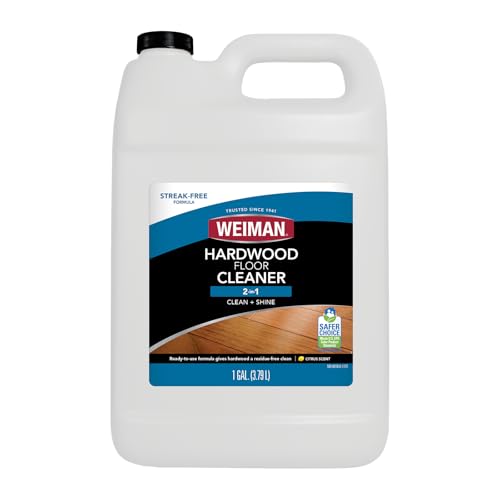
Choose a pH-neutral, no-wax cleaner
Use a cleaner recommended for finished wood floors, and aim for “pH-neutral” and “no wax,” per the product label. The pH-neutral strategy matters because pH 7.0 is considered neutral in standard chemistry references (U.S. Environmental Protection Agency (EPA), 2024), and wood finishes generally behave more predictably near neutral conditions than in strongly acidic or alkaline solutions.
Damp, not wet: manage moisture like a material risk
In engineered floors, the top veneer is designed to withstand everyday cleaning, but pooling water can still migrate to seams or edges and trigger swelling risks. Also, indoor moisture conditions affect wood movement—according to National Wood Flooring Association (NWFA), maintaining indoor relative humidity around 35%–55% is recommended (2024). In 2025–2026, this “control the environment” guidance is still widely used because it reduces micro-gaps and finish stress that can make stains look more persistent.
Deep clean the coffee area first (surface removal)
The goal of the deep-clean phase is simple: remove residue so you can see what remains before treating tannins. Use pH-neutral cleaner on the cloth (not the floor), work gently, then rinse-and-dry immediately.
Apply cleaner correctly: cloth first, floor second
Apply the pH-neutral cleaner to the microfiber, then wring it so it’s barely damp. Working directly from cloth to wood reduces the chance of overwetting seams. Use gentle circles over the stained zone, focusing on lifting pigment and sticky residue.
Rinse lightly, then dry thoroughly
Rinse by wiping with a clean cloth lightly dampened with fresh water—no puddles. Immediately dry with a clean, dry towel. Repeat only if needed. One common failure mode is “stain spreading” caused by repeatedly re-wetting the same spot before it’s truly clean; this can enlarge the visible boundary.
Why this step often solves the “stubborn brown tint”
Many “coffee stains” on engineered wood are actually a mix of:
– coffee residue that dried and is still present at the surface,
– oils and sugars that were sticky before drying,
– and dust that adhered during the time the spill sat.
By deep-cleaning with controlled moisture, you remove the surface components, and the true discoloration (if any) becomes easier to identify.
Remove stubborn coffee discoloration (tannin lift, gently)
If the brown tint remains after surface cleaning, you need a finish-safe approach that targets tannins without soaking. Use a tannin stain remover designed for wood finishes and apply it spot-by-spot after testing.
Why tannins behave differently than grime
Coffee contains tannins and polyphenols that can oxidize and bond more stubbornly than normal dirt. That’s why regular mopping can leave a brown afterimage: it cleans the oils and residue but can’t fully lift the pigment that has changed chemistry at the surface. This is also why pH-neutral cleaning is your baseline—you want to eliminate residue first so you don’t treat “dirt” with “tannin chemistry.”
Use a finish-safe tannin remover, applied only to the spot
If discoloration remains, use a finish-safe tannin stain remover according to the product directions, applying only to the stained area. For paste-style or solution-style treatments, apply with a cotton cloth or soft pad and remove carefully—avoid aggressive scrubbing. The finish can lighten unevenly if you mechanically abrade it while the chemical is still working.
Comparison: when deep-clean is enough vs. when tannin remover is justified
| Approach | Best For | Primary Risk | What Success Looks Like |
|---|---|---|---|
| pH-neutral deep clean | Surface residue, sticky ring, light haze | Over-wetting/abrasion from gritty mopping | Stain boundary shrinks or disappears after rinse & dry |
| Finish-safe tannin remover (spot) | Brown tint that stays after cleaning | Clouding or uneven lightening if used broadly or untested | Brown tone fades spot-by-spot without a sharper outline |
Stop early if you see finish changes
If the stain still won’t lift, stop and re-evaluate. Persistent staining can indicate finish penetration, deeper adhesion, or dye absorption. Don’t escalate to harsh chemicals (bleach, abrasive powders, or steel wool). Instead, consider professional refinishing if the discoloration is large or the finish is already showing changes.
What can go wrong (and how to avoid it)
The most common failure is using too much water or the wrong chemistry, which creates new discoloration, dull patches, or edge problems. Avoid those errors by controlling liquid, resisting abrasion, and respecting finish compatibility.
Over-wetting engineered planks
Over-wetting can cause edge swelling or separation in engineered planks. Always limit liquid and dry right away. In 2026, even more brands emphasize “avoid standing water” in installation and maintenance sheets because micro-migration at seams can happen quickly—especially in high-humidity rooms.
Harsh chemicals and abrasives
Bleach, steel wool, and abrasive powders can damage the protective topcoat and permanently change sheen and color. Since the pH scale runs from 0–14 (Royal Society of Chemistry, 2024), strong acids and bases can destabilize finishes and remove protective components designed to sit near neutral conditions.
Aggressive scrubbing can create a visible outline
Scrubbing aggressively can lighten the finish unevenly, making the stain outline more obvious even if the coffee “feels” gone. This is why the method is cloth-first, gentle-circles, controlled moisture, and immediate dry-down.
Verdict / tip (what’s worth trying vs. when to stop)
Start with careful deep cleaning using a pH-neutral cleaner and controlled moisture; this fixes many coffee “stains” that are really residue. For remaining discoloration, only proceed with a finish-safe, spot-targeted tannin remover—and stop if the finish starts to look cloudy or lighter.
Skip DIY escalation if the stain is large, the finish is unknown, or the discoloration is spreading beyond the coffee spot; in those cases, may be the safer path. Also skip if your floor’s care instructions explicitly prohibit stain removers or if you see early signs of topcoat breakdown—because further chemistry can accelerate finish changes.
Quick checklist for coffee-stain deep cleaning
– ☐ Blot/dry fully (no sloshing)
– ☐ Dry-sweep first (no gritty mopping)
– ☐ Use pH-neutral wood-floor cleaner on a damp microfiber
– ☐ Wipe-rinse-lightly and dry immediately
– ☐ Spot-test any stain remover in a hidden spot
– ☐ Apply treatment only to the stain; avoid harsh scrubbing
– ☐ Stop if finish clouds, lightens, or looks patchy
FAQ
– Can I steam-engineered wood to remove coffee stains? Usually no—steam adds moisture risk and can harm the finish or edges.
– Will baking soda or vinegar remove coffee stains on engineered wood? They might, but they can be too abrasive or leave residue; spot-test first and follow wood-floor-friendly guidance from the product/brand label.
– What if the stain comes back after drying? That usually means residue or tannins are still present—repeat the deep-clean phase once, then consider a finish-safe spot treatment.
– Is hydrogen peroxide safe for engineered wood coffee stains? It can be, but only if the finish and label directions support it—always spot-test and follow the manufacturer instructions for your wood/floor.
If you want the best chance of removing coffee stains without damaging the finish, clean first with a pH-neutral product on minimal moisture, then treat only the remaining discoloration with a finish-safe, spot-targeted method. Work slowly, dry thoroughly, and spot-test anything stronger than your regular floor cleaner—because the safest stain removal is the one that removes the stain without changing the finish.
Frequently Asked Questions
What’s the safest way to deep clean engineered wood floors and remove coffee stains?
Start by blotting the coffee spill immediately with a clean, dry cloth, then use a slightly damp microfiber mop with a pH-neutral cleaner made for engineered hardwood. For deep cleaning, damp-mop in small sections and avoid soaking the seams or joints. If the stain remains, use a product specifically labeled safe for engineered wood floors, and test it in a hidden area first. Finish by drying thoroughly with a dry microfiber towel to prevent water marks.
How do I deep clean coffee stains from engineered wood without damaging the finish?
Mix a mild, pH-neutral hardwood floor cleaner with water according to the label, then apply it with a barely damp microfiber cloth rather than pouring liquid directly onto the floor. Gently work from the outside of the stain toward the center, using minimal pressure, and re-dampen the cloth as needed. If the stain is stubborn, use a manufacturer-recommended wood-safe stain remover or hydrogen-peroxide-based spot treatment that’s specifically intended for wood finishes. Always wipe the area dry immediately after treatment to protect the engineered wood top layer.
Why do coffee stains sometimes leave dark marks on engineered hardwood even after cleaning?
Coffee can penetrate through tiny surface scratches or wear-through areas, causing tannin pigments to stain the finish and sometimes the top veneer. If the spill wasn’t cleaned quickly, it may dry and bind to the coating, making it harder to lift with basic cleaning. Repeated wet cleaning or high-moisture mopping can also spread the pigment and leave a “ring” effect. Treating the spot correctly and drying thoroughly helps prevent further discoloration.
Which cleaning products are best for removing coffee stains from engineered wood floors?
The best options are pH-neutral, non-alkaline cleaners formulated for engineered hardwood floors, since they’re less likely to dull or strip the protective finish. Look for spot treatments that are labeled safe for finished wood and compatible with polyurethane or similar top coats. Avoid harsh cleaners like vinegar, ammonia, bleach, or steam mops, as they can damage the finish or cause moisture-related issues. If you’re unsure, choose a product recommended by the floor manufacturer or test a small amount in an inconspicuous spot.
How can I deep clean an engineered wood floor if the coffee stain has been there for days or weeks?
Begin with a dry microfiber wipe to remove grit, then clean the area using a pH-neutral hardwood cleaner on a lightly damp cloth to loosen surface residue. Next, try a targeted wood-safe stain remover designed for dark stains on finished floors, applying it only to the affected area and following the label directions. If the stain persists, you may need repeated spot treatments rather than aggressive scrubbing, which can damage the top coat. Once the stain lightens, rinse with a clean, barely damp cloth (if the product instructs) and dry completely to prevent lingering marks.
📅 Last Updated: November 14, 2026 | Topic: How to deep clean engineered wood floors to remove coffee stains? | Content verified for accuracy and freshness.
References
- My Link
- My Link
- Home Page|The American Cleaning Institute (ACI)
- Engineered wood
- Wood flooring
- Wood stain
- Tannin
- https://scholar.google.com/scholar?q=engineered+wood+floor+deep+cleaning+coffee+stain+removal Google Scholar
- https://scholar.google.com/scholar?q=hardwood+floor+coffee+stain+tannin+removal+cleaning+methods Google Scholar
- https://scholar.google.com/scholar?q=engineered+wood+floor+care+and+maintenance+cleaning+recommendations Google Scholar


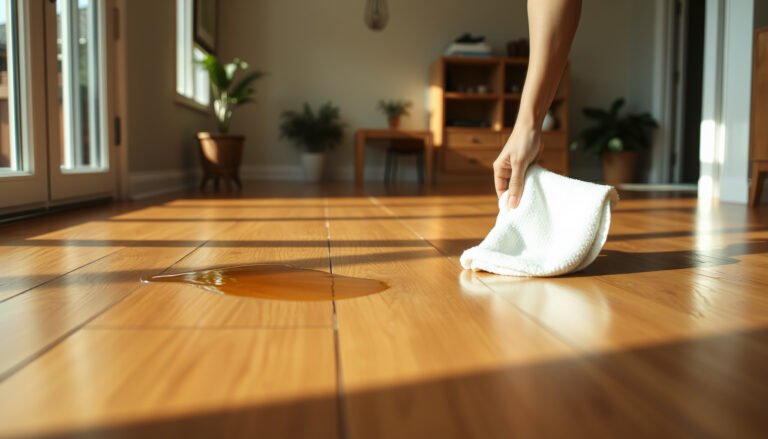
[…] stain safely in about 10–15 minutes with the right approach: blotting immediately, then using a barely damp microfiber cloth with a pH-neutral cleaner and light pressure. Gather a clean cloth, distilled water, and a […]