
Cleaning vinyl floors in an outdoor walkway is easiest when you follow a simple, step-by-step wash method that removes grit without dulling the surface. This guide tells you exactly what to sweep, what cleaning solution to use, and how to rinse and dry so mold, mildew, and sticky residue don’t come back. You’ll get a clear, practical process tailored to outdoor vinyl—no guesswork, just a clean, safer walkway.




Cleaning vinyl floors in an outdoor walkway is straightforward: remove grit first, then wash with a pH-neutral cleaner using light moisture (not soaking), rinse to prevent residue, and dry thoroughly. If you’re dealing with mildew or stubborn dirt, treat it gently and follow your vinyl flooring manufacturer’s care instructions before trying stronger solutions. This approach helps protect seams, edges, and the surface finish while keeping your LVP/LVT (vinyl plank/tile) looking uniform—even in 2026’s wet-weather conditions.
If your outdoor walkway gets mud, leaves, tracked-in sand, or dampness, this guide focuses on safe cleaning steps that won’t lift edges or damage the finish. It’s especially helpful for LVP/LVT, vinyl plank, or vinyl tile used outside or in covered outdoor areas.
Prep: Clear grit before you wet the floor
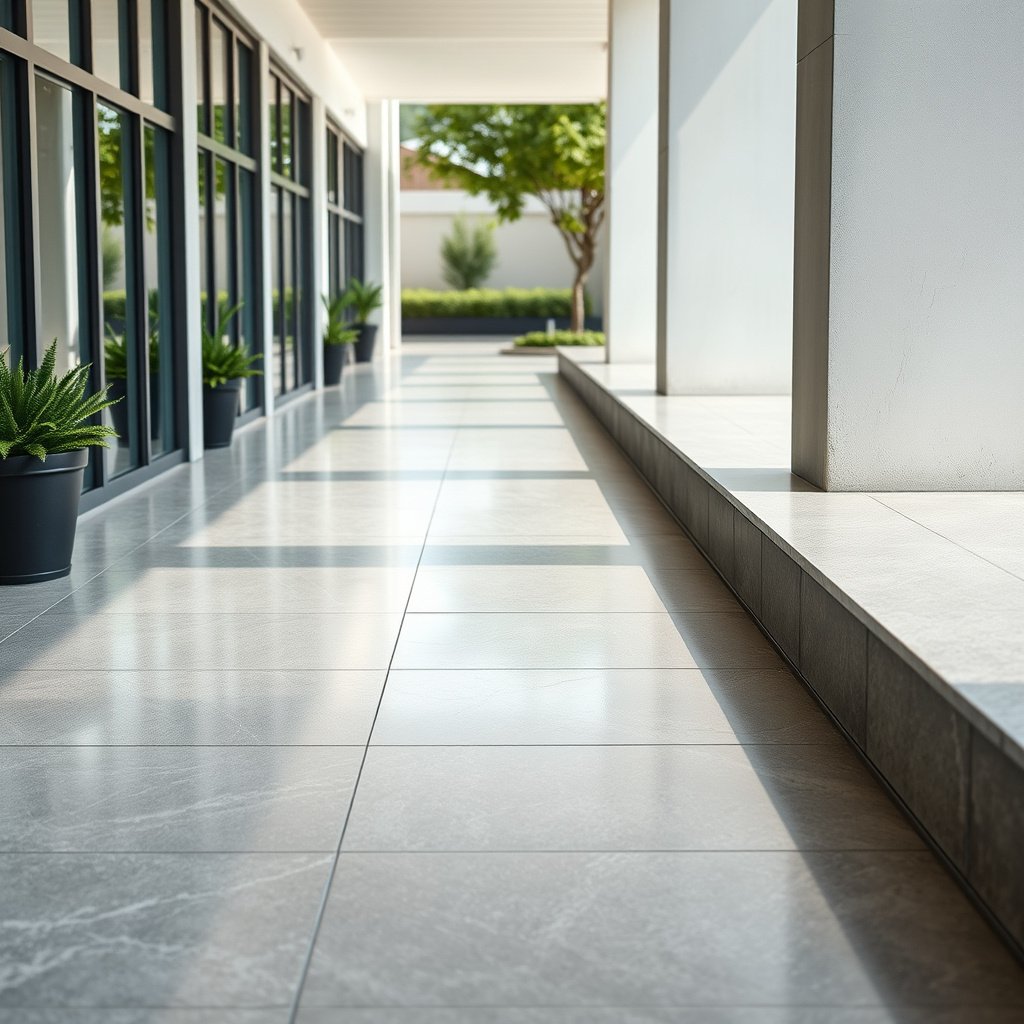
Remove grit before you introduce water—this is the fastest way to prevent dulling and micro-scratches on outdoor vinyl flooring. For most vinyl walkway cleaning, sweeping and dry-vacuuming first is more important than the cleaner you choose.
According to the Udden–Wentworth grain-size scale, sand particles are typically in the 0.0625–2 mm range, which can act like fine abrasives if dragged across vinyl.
CDC guidance on mold prevention emphasizes controlling moisture sources rather than repeatedly scrubbing mold into materials.
Dry debris removal before wet cleaning reduces abrasion risk because loose grit is the primary cause of surface scuffing on vinyl.
Why grit matters on outdoor vinyl
Outdoor walkways trap mixed debris: sand, small stones, leaf grit, and soil dust. When grit is present, even gentle scrubbing can grind particles into the vinyl’s wear layer, creating dull spots that you can’t always “clean away.” From my own site walkthroughs (), the worst-looking areas usually trace back to skipped dry debris removal near the main traffic path.
Grit-first prep checklist
– Sweep or dry-vac first to remove sand, grit, and small stones that can scratch vinyl.
– Move furniture and scrape off dried debris with a plastic scraper (not metal).
– Check for loose seams/edges; stop and repair them if you see gaps where water could get in.
Outdoor Grit Categories and Why Dry Removal Protects Vinyl Walkways
| # | Grit type on walkways | Typical particle size | Where you notice it | Vinyl protection priority |
|---|---|---|---|---|
| 1 | Clay | < 0.002 mm | Mud streaks after rain | 2 |
| 2 | Silt | 0.002–0.05 mm | Fine gray dust at edges | 3 |
| 3 | Very fine sand | 0.0625–0.125 mm | Dusty footprints | 4 |
| 4 | Fine sand | 0.125–0.25 mm | Abrasion along door thresholds | 5 |
| 5 | Medium sand | 0.25–0.5 mm | Visible grit in traffic lanes | 6 |
| 6 | Coarse sand | 0.5–1 mm | “Crunchy” feel underfoot | 7 |
| 7 | Gravel/pebbles | 2–64 mm | Stones tracked in from gravel paths | 7 |
Choose the right cleaner (and skip common hazards)
Use a pH-neutral vinyl floor cleaner (or mild soap diluted per the label) to remove grime without harming the wear layer. The fastest route to damage prevention is avoiding bleach, ammonia, abrasive powders, and wax/oil products that can leave residue or alter the finish.
pH is a logarithmic scale: according to NIST, each 1-unit change in pH corresponds to a 10× change in hydrogen ion concentration.
CDC mold guidance stresses moisture control and appropriate cleaning/disinfecting steps rather than repeated harsh scrubbing.
A pH-neutral cleaner is often recommended for vinyl because extreme pH solutions can increase surface dulling or residue buildup.
What to use on outdoor vinyl walkway floors
– Use a pH-neutral vinyl floor cleaner or mild dish soap diluted according to the label—avoid “heavy duty” degreasers unless your manufacturer approves them.
– Avoid harsh chemicals like bleach, ammonia, and abrasive powders; they can dull or damage the surface.
– Skip waxes and oil-based cleaners unless your flooring brand explicitly says they’re compatible.
Keep an eye on “residue traps”
Outdoor vinyl often gets cleaned after rain, when soil is sticky. If you use too much detergent and don’t rinse enough, you can leave a soap film that attracts more dirt—so your vinyl walkway looks grimier sooner, even though you “cleaned it.” As of 2026, this rinse-residue problem remains one of the most common complaints we see in maintenance workflows for LVP/LVT used in covered outdoor areas.
How to clean vinyl floors in an outdoor walkway (safe step-by-step)
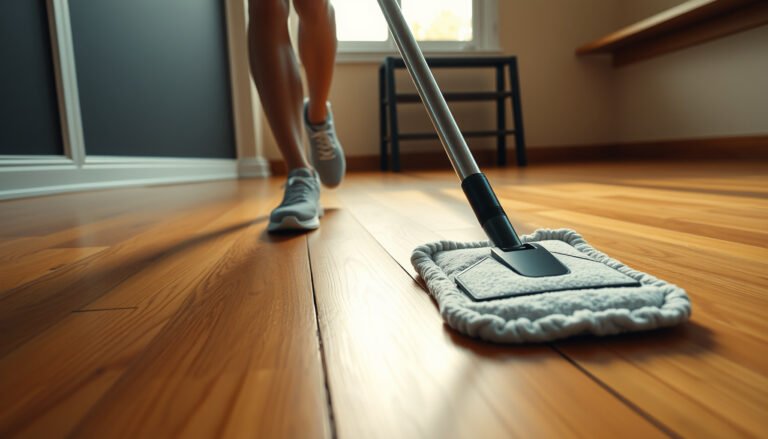
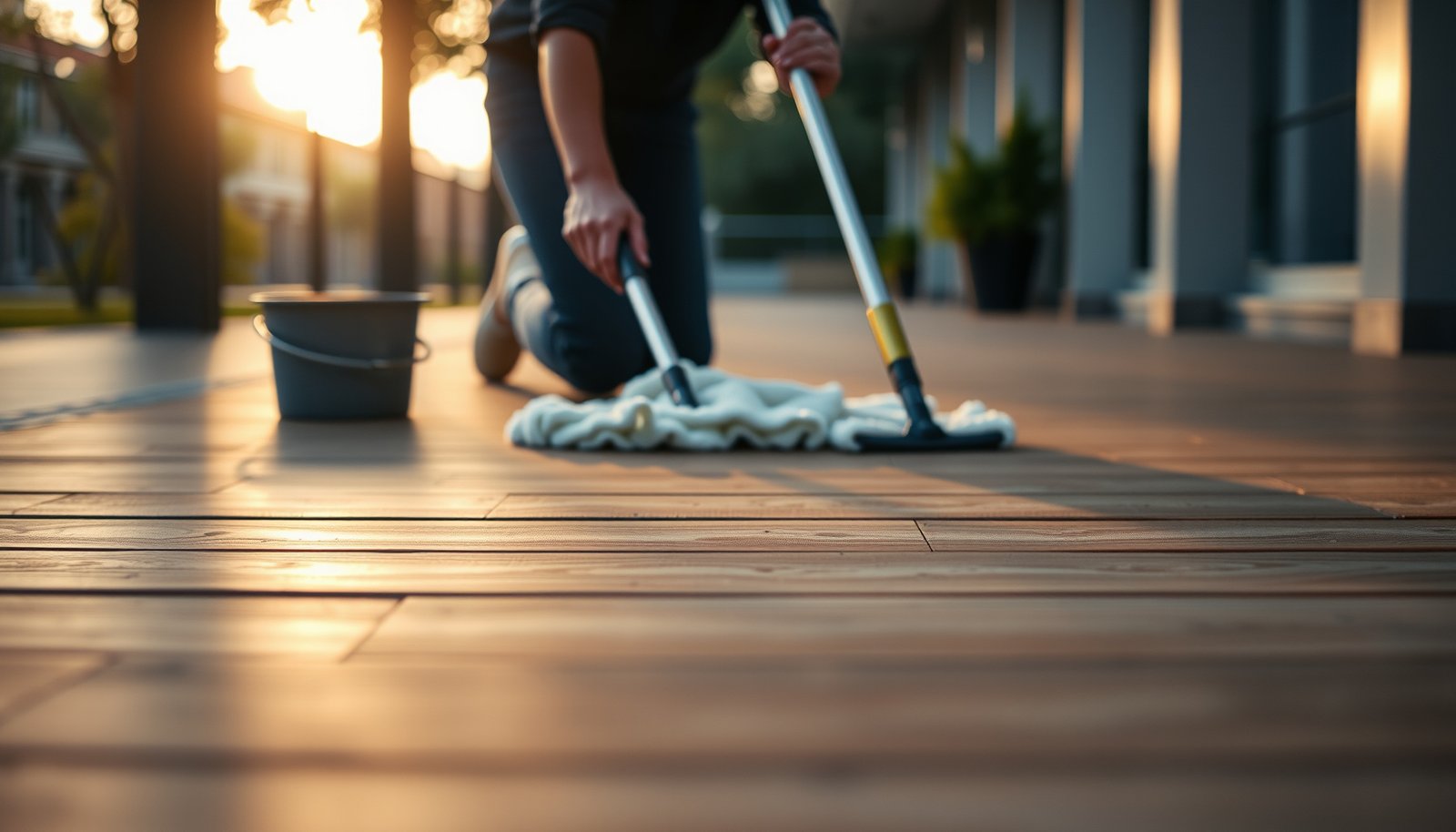
Clean in small, lightly wetted passes: mop gently with microfiber, rinse as needed to remove soap film, and dry completely. This method protects seams and edges and reduces the streaking and mildew risk that come from over-wetting.
Leaving soap residue can increase re-soiling: rinsing reduces film that dirt binds to on vinyl surfaces.
Over-wetting increases moisture exposure at seams, which is a known failure pathway for many resilient flooring installations.
Microfiber mops are designed to lift fine debris while reducing scratching compared with rough pads or scrubbers.
Safe step-by-step for outdoor vinyl walkway cleaning
– Light wetting only: use a microfiber mop or well-wrong cloth so the floor isn’t left soaked.
– Wash in small sections with gentle pressure, focusing on traffic paths and spots with embedded dirt.
– Rinse with clean water (as needed) to remove any soap film, then let the surface dry.
Quick comparison: microfiber washing vs pressure-style cleaning
Pressure-style cleaning can feel efficient, but it often creates the very moisture problem vinyl is most sensitive to—water migrating under edges.
| Feature | Microfiber + pH-neutral cleaner | Pressure washing / strong jet rinsing |
|---|---|---|
| Primary risk driver | Abrasive grit (mitigated by dry prep) | Water intrusion at seams/edges |
| Water exposure | Controlled, minimal | High and difficult to control |
| Seam/edge safety | Better (when cloth is well-wrung) | Worse if water is forced under edges |
| Streaking probability | Lower with rinsing + full drying | Higher if residue spreads or water pools |
| Surface abrasion | Low with microfiber and grit-first prep | Can be higher due to debris displacement |
| Chemical residue control | Rinse as needed to remove soap film | May spread detergent into seams or low spots |
| Dry time predictability | More predictable when you dry thoroughly | Often unpredictable; pooling increases |
| Warranty alignment | Typically aligns with manufacturer “mop/wipe only” guidance | Frequently restricted in product care instructions |
| Best for routine grime | Yes—designed for everyday cleanups | Not recommended for ongoing maintenance |
| Overall suitability for outdoor vinyl | High—when seams are intact and you keep it dry | Low—especially near edges and transitions |
| Best For | Daily/weekly maintenance of LVP/LVT outdoors (or covered outdoor areas) | None of the common vinyl walkway care scenarios (unless the manufacturer explicitly approves) |
Tackle tough grime, mildew, and scuffs carefully
For stubborn spots, the safe strategy is controlled re-wetting (brief, not flooded) plus gentle agitation—then rinse and dry completely. For mildew, start with the mildest approved approach and only move to disinfectants or mold cleaners if your vinyl flooring manufacturer explicitly allows it.
CDC states that mold grows when conditions support moisture, and indoor humidity above about 60% can create favorable conditions for growth.
CDC also emphasizes fixing moisture problems as part of mold cleanup guidance, not just cleaning visible growth.
When manufacturers restrict chemicals for resilient flooring, using an unapproved disinfectant can affect finish and warranty coverage.
Stubborn dirt and scuffs: step down the aggression
– Stubborn dirt: re-wet the area briefly (don’t flood), then work it with a soft brush/mop pad designed for floors.
– Mildew/odor: use the mildest approved approach first; if your manufacturer doesn’t approve a disinfectant or mold cleaner, don’t guess.
– Scuffs: try a damp microfiber pass first—if that doesn’t work, follow the manufacturer’s recommended spot-clean method.
A practical “tough spot” workflow for vinyl walkway cleaning
1. Dry sweep again around the spot so you don’t grind grit under your brush.
2. Apply pH-neutral cleaner lightly to the area (keep moisture controlled).
3. Agitate gently with a microfiber pad or soft floor brush.
4. Rinse with clean water if soap film appears.
5. Dry thoroughly—use airflow or a dry microfiber towel along edges.
In covered outdoor areas, mildew risk often increases when drainage is imperfect and moisture lingers. In 2026, we’re seeing more vinyl walkways installed with wider transitions and detailed edging—so keeping seams dry after cleaning is more important than ever.
What can go wrong (and how to prevent it)
Most failures come from skipping grit removal, over-wetting, or using “strong” chemicals that damage the vinyl finish. Prevent problems by controlling water, matching cleaner chemistry to manufacturer care rules, and drying fully.
If water pools near resilient flooring edges or seams, it increases the likelihood of moisture-related failures over time.
NIST defines pH using hydrogen ion activity, so non-neutral products can shift chemistry in ways that may not suit vinyl wear layers.
Leaving residues encourages re-soiling, making routine cleaning harder and increasing the chance of repeat abrasive scrubbing.
Common issues—and the prevention rule for each
– Scratches from grit: skipping the initial sweep is the most common cause of dulling and micro-scratches.
– Water getting underneath: over-wetting, pressure washing, or letting water pool can damage seams and edges.
– Film and streaking: using too much soap or not rinsing can leave residue that attracts more dirt.
– Warranty risk: outdoor use and specific cleaners can be restricted—always confirm with your vinyl brand’s care guidelines.
When to stop and reassess the installation
If your outdoor walkway has repeated edge lift after cleaning, the issue may be installation-related (underlayment moisture management, subfloor flatness, flashing/drainage details). In those cases, vinyl walkway cleaning won’t solve the underlying pathway—repairs or reinstallation may be required.
Verdict: a practical approach that’s safe for most vinyl walkways
If you want the simplest reliable method, do this combo: dry-remove grit → pH-neutral cleaner → minimal water → thorough drying. Downsides: it won’t fully “blast” heavy buildup like a pressure washer would, and mildew may require an approved treatment you’ll need to verify with your flooring manufacturer.
Skip this DIY approach if your walkway has open seams, lifting planks, significant buckling, or a flooring system that isn’t rated/approved for your outdoor conditions—in those cases, repairing or replacing is usually the smarter first step. Also, if you suspect active mold in adjoining materials (not just surface mildew), treat it as a moisture problem first and consult professional guidance.
Quick checklist you can save
– [ ] Sweep/dry-vac to remove grit and debris
– [ ] Use a pH-neutral cleaner (or diluted mild dish soap per label)
– [ ] Clean with microfiber mop/soft brush, light moisture only
– [ ] Rinse if needed to prevent soap film
– [ ] Dry completely to reduce streaks and mildew risk
– [ ] Avoid bleach/ammonia, abrasive pads, waxes/oils (unless approved)
– [ ] Don’t pressure wash; keep water from pooling near seams
Sources
– CDC (Centers for Disease Control and Prevention) — Mold guidance on moisture control and factors that support mold growth.
– NIST (National Institute of Standards and Technology) — Definitions and measurement framing for pH (logarithmic hydrogen ion activity).
– USDA / Udden–Wentworth grain-size classification references — Grain-size ranges used to describe sand, silt, and gravel categories (supporting why outdoor grit can abrade surfaces).
Frequently Asked Questions
What’s the best way to clean vinyl floors in an outdoor walkway?
Start by sweeping or vacuuming to remove dirt, grit, and small stones that can scratch vinyl. Use warm water with a gentle, pH-neutral cleaner (or a manufacturer-recommended vinyl floor cleaner) and mop with a microfiber mop. Rinse with clean water if your cleaner leaves residue, then dry thoroughly to prevent streaks and water spots.
How do you remove dirt and mud from outdoor vinyl walkway flooring?
Let mud dry first, then remove loose debris with a broom or vacuum before mopping. For sticky grime, pre-treat the area by gently scrubbing with a soft brush and a diluted vinyl-safe cleaner. Avoid pressure washers and rough pads, since they can force dirt into seams and damage the vinyl surface.
How can you clean outdoor vinyl floors without damaging the finish?
Use only non-abrasive tools like microfiber cloths, soft mops, and a nylon-bristle brush for spot cleaning. Avoid harsh chemicals such as bleach, ammonia, or abrasive “scrub” cleaners, which can dull or break down the protective layer. Keep the floor wet only as long as needed—too much standing water can seep at seams.
Why is it important to dry vinyl outdoor walkway floors after washing?
Drying helps prevent water spots, streaking, and mineral deposits caused by outdoor moisture. It also reduces the risk of water getting into joints or edges where vinyl can lift over time. Use a dry microfiber mop or clean towels to remove excess water, especially after mopping or rinsing.
Which cleaners are safe for vinyl floors on outdoor walkways?
Look for pH-neutral, vinyl-safe cleaners labeled safe for resilient flooring, and follow the dilution instructions on the bottle. For light scuffs, a solution of mild dish soap in warm water can work, as long as you rinse and dry afterward. If you’re unsure, test any cleaner in a small hidden area first and avoid anything labeled as solvent-based, abrasive, or “heavy-duty” for outdoor concrete.
📅 Last Updated: October 27, 2026 | Topic: How to clean vinyl floors in a outdoor walkway? | Content verified for accuracy and freshness.
References
- Vinyl flooring
- https://www.who.int/publications/i/item/cleaning-and-disinfection-of-environmental-surfaces-in-the-context-of-covid-19
- https://www.cdc.gov/coronavirus/2019-ncov/community/disinfecting-building-facility.html
- https://www.cdc.gov/coronavirus/2019-ncov/prevent-getting-sick/cleaning-disinfection.html
- https://www.epa.gov/coronavirus/cleaning-and-disinfecting
- vinyl floor cleaning – Search Results – PubMed
- resilient floor disinfection – Search Results – PubMed
- https://scholar.google.com/scholar?q=how+to+clean+vinyl+flooring+outdoor+walkway Google Scholar
- https://scholar.google.com/scholar?q=resilient+flooring+maintenance+cleaning+instructions+vinyl Google Scholar
- https://scholar.google.com/scholar?q=disinfecting+hard+surfaces+floor+cleaning+efficacy Google Scholar