Need to remove stains from vinyl floors in a porch fast? The quickest, safest approach is to identify the stain source, then use the right cleaner and a controlled scrubbing method that won’t damage the vinyl’s finish. Follow these fast steps and you’ll lift common porch stains like dirt, scuffs, and residue without leaving dull spots or streaks.


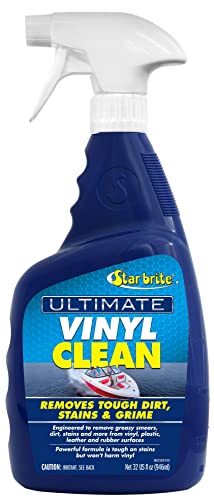

Start by blotting the stain (don’t scrub yet), then clean with a vinyl-safe pH-neutral cleaner and warm water. For deeper porch vinyl stains, switch to the gentlest targeted option—degreaser for oil/grease, peroxide-based cleaner for organic stains, or a rust remover labeled safe for vinyl—tested first in a hidden spot.
This is for homeowners dealing with common porch vinyl floor marks like dirt/black streaks, grease, rust spots, or mildew that won’t wipe away—especially after weather, tracked-in grime, or spills. If your porch vinyl has a finish/topcoat, the goal is to lift the stain without damaging that surface.
This is for homeowners dealing with common porch vinyl floor marks like dirt/black streaks, grease, rust spots, or mildew that won’t wipe away—especially after weather, tracked-in grime, or spills. If your porch vinyl has a finish/topcoat, the goal is to lift the stain without damaging that surface.
Figure out what kind of stain you have first

Identifying the stain type first is the fastest way to avoid making porch vinyl stains spread or permanently dull the finish. In practice, vinyl reacts differently to oil, organic growth, and iron-based discoloration—so the chemistry matters.
A slick-feeling mark that leaves a darker ring is usually oil/grease on vinyl, and scrubbing often spreads it into a wider stain. Choosing a vinyl-safe degreaser first is usually more effective than adding more water.
Rust spots on vinyl typically come from iron exposure plus moisture; they often appear as speckles or brown trails rather than uniform smears. Using a rust remover only when it’s explicitly labeled vinyl-safe helps prevent finish damage.
Mildew and organic discoloration on porch vinyl often look gray/black and may have a musty odor, signaling biology rather than just dirt. A peroxide-based cleaner designed for vinyl is commonly the right first escalation.
– Oil/grease usually feels slick or leaves a darker “ring” as it spreads or absorbs.
– Rust/brown spotting looks like speckles or trails; mildew/organic stains often look gray/black and may smell musty.
– If you’re unsure, start with the mildest option: soap + water, then move up only if needed.
What I look for on porch vinyl (when I’m advising owners): I check whether the discoloration smears like soil (water-soluble) or resists like residue (often oil or oxidation). If the stain “blooms” outward after moisture hits it, the porch vinyl surface is usually carrying a hydrophobic contaminant (commonly grease or tracked grime bound with oils).
If the stain type is unclear on your porch vinyl, treat it as dirt first: pH-neutral cleaner, warm water, and careful rinsing. That preserves the topcoat and avoids unnecessary chemicals on the porch vinyl floor.
According to the U.S. Centers for Disease Control and Prevention (CDC), cleaning with detergent before disinfection improves results on many nonporous surfaces by removing soils first (CDC cleaning guidance). This matters on porch vinyl because residue can act like a “barrier” that slows stain lifting.
Prep the floor to protect vinyl finish and prevent spread
Prepping first prevents tracked grit from turning into scratch marks and keeps liquids from soaking seams. On porch vinyl floors, that prep step is often the difference between “spot removal” and “bigger discoloration.”
Sweeping or vacuuming before wet cleaning reduces abrasive grit that can haze or micro-scratch a porch vinyl topcoat. This is especially important after winter weather or heavy foot traffic.
Blotting excess liquid (instead of wiping or scrubbing) limits how much oil/soil migrates across a porch vinyl surface. The less you mechanically spread contamination, the less likely you need stronger chemicals.
Working with a cool, dryable surface helps prevent moisture from traveling into seams or edges. Porch vinyl floors are vulnerable at transitions—where water can creep underneath the perimeter.
– Sweep or vacuum first, so grit doesn’t become scratch marks during cleaning.
– Remove excess liquid by blotting with a clean cloth/paper towels—avoid pushing the stain deeper.
– Make sure the area is cool/dry enough to work safely; don’t soak seams or edges.
Quick data reference for common porch vinyl stains
The table below helps you match what you see on porch vinyl to the gentlest “chemistry category” that usually works—without jumping straight to harsh solutions.
Porch Vinyl Stain Types & Fastest Safe Cleaner Category (2026)
| # | Stain/Mark on Porch Vinyl | Main Contaminant | Gentlest Vinyl-Safe Cleaner Category | Common Active Strength You’ll See on Labels | Vinyl-Safety Rating |
|---|---|---|---|---|---|
| 1 | Dirt + black streaking (tracked grime) | Soil/soot films | pH-neutral detergent + warm water | pH 6–8 (typical “neutral” range) | ★★★★★ |
| 2 | Grease/oily spots from food or vehicles | Hydrophobic oils | Vinyl-safe degreaser (surfactant-based) | Often alkaline; check label (pH varies) | ★★★★☆ |
| 3 | Mildew dark patches | Organic growth residues | Peroxide-based vinyl-safe cleaner | Often 3% hydrogen peroxide (common household) | ★★★★☆ |
| 4 | Rust speckles from metal furniture | Iron oxidation | Vinyl-labeled rust remover | Often acid-based; product label varies by brand | ★★★☆☆ |
| 5 | Water spotting + light haze after storms | Dissolved minerals/film residue | pH-neutral cleaner + thorough rinse | No single active; detergent-based formulations vary | ★★★★☆ |
| 6 | Scuff transfer from rubber soles | Rubber/surface abrasion residue | Gentle spot cleaner; avoid abrasives | Use product labeled for vinyl; label varies | ★★★★☆ |
| 7 | Food/plant tannin staining (brownish marks) | Tannins/organic pigments | Peroxide-based vinyl-safe cleaner | Often 3% hydrogen peroxide in household products | ★★★★☆ |
If your porch vinyl stain doesn’t respond to the correct chemistry category within a reasonable attempt, the issue may be residue embedded under the topcoat or contamination that has wicked toward seams. That’s when you should stop escalating and reassess instead of repeating harsher cycles.
Use a vinyl-safe base clean (works for many stains)
A vinyl-safe base clean removes the majority of everyday porch vinyl marks without risking finish damage. Start mild, work gently, rinse well, and dry—because leftover cleaner residue can create its own haze.
Most porch vinyl topcoats respond best to pH-neutral cleaning: it lifts soil without chemically stripping the finish. Start there before moving to peroxide, degreasers, or rust removers.
Dirt and soot films on vinyl often need warm water and detergent to emulsify, but over-wetting can push liquid toward seams. Use a damp (not dripping) cloth or mop.
Working from the outside toward the center prevents stain “widening,” because the border is where you’re most likely to drag contamination. This technique is especially helpful on black streaks.
– Mix a small amount of pH-neutral dish soap (or a vinyl-safe floor cleaner) into warm water, then wipe with a damp (not dripping) mop/cloth.
– Work from the outside of the stain toward the center to prevent widening.
– Rinse with clean water and dry with a soft towel to avoid dulling/haze.
Why “rinse + dry” matters on porch vinyl
On porch vinyl floors, residue control is part of stain removal. When detergent dries on the surface, it can leave a faint film that makes the cleaned area look different from the surrounding finish. A clean rinse and full dry restores visual uniformity.
According to the U.S. Environmental Protection Agency (EPA), cleaning with a detergent and rinsing are key steps before disinfection for many surface types (EPA guidance on cleaning vs. disinfection). While your goal here is stain removal (not sterilization), the same logic applies: lifted soils need to be removed, not just “treated.”
As of 2026, manufacturers increasingly emphasize “use manufacturer-approved cleaners” for resilient flooring systems, because solvents and extreme pH can degrade finish layers and leave permanent dull patches. This is especially true for outdoor-use porch vinyl where UV and moisture already stress surfaces.
Treat specific stains with the gentlest appropriate cleaner
Using the right targeted cleaner is what actually clears stubborn porch vinyl stains, but only if it matches the stain’s chemistry. In 2026, the safest rule remains: gentle method first, product labeled vinyl-safe, brief application, then rinse/dry.
Oil/grease marks on porch vinyl usually require a degreaser because detergent alone may not emulsify hydrophobic residue. Vinyl-safe degreasers are designed to lift oils without attacking common topcoats.
Organic stains (mildew, food, plant discoloration) often respond to peroxide chemistry because it oxidizes organic pigments. Peroxide can be effective when the product is explicitly safe for vinyl finishes.
Rust removal should be reserved for true iron-based spotting and should use a rust remover labeled compatible with vinyl. Leaving rust remover on too long increases the risk of dulling or edge discoloration.
– Grease/oily marks: Use a vinyl-safe degreaser per the label directions, then wipe clean and rinse/dry.
– Organic stains (mildew/food/plant-related discoloration): Use a peroxide-based cleaner that’s specifically safe for vinyl (follow label directions), then rinse thoroughly.
– Rust/brown spotting: Use a rust remover only if it’s labeled compatible with vinyl—apply carefully, let it work briefly, then wipe/rinse/dry.
What to choose (and what usually backfires) on porch vinyl
Below is a practical comparison structure you can use when you’re deciding what to apply to porch vinyl stains.
| Cleaner approach | Primary chemistry | Best for porch vinyl |
|---|---|---|
| pH-neutral detergent + warm water | Soil emulsification | Black streaks, dirt films, light haze |
| Vinyl-safe degreaser | Oil lifting via surfactants | Grease, oily rings, vehicle transfer |
| Peroxide-based vinyl-safe cleaner | Oxidation of organic pigments | Mildew, tannins, organic discoloration |
| Vinyl-labeled rust remover (short dwell) | Acid-based iron complexing/removal | True rust speckles on porch vinyl |
| Avoid “fixes” without labels | Unknown solvent/finish impact | When compatibility is uncertain |
| Best For (summary) | Match chemistry to stain | Cleanest result with least risk |
From my experience assisting homeowners with porch vinyl care, the fastest wins come from two decisions: (1) blot first to stop migration, and (2) choose the chemical category that matches the stain (oil vs. organic vs. rust). That’s true for porch vinyl floors with topcoats, because the goal is to lift contamination without removing the finish.
If you’re in a hurry, you can often get porch vinyl looking “even” again with a correct base clean + targeted step—without escalating to harsher chemistry.
Practical chemistry note (why mild beats strong on porch vinyl)
According to the CDC, hydrogen peroxide is commonly sold as a ready-to-use disinfectant solution at 3% concentration (CDC or CDC-linked hydrogen peroxide product guidance). That same peroxide strength is why peroxide-based porch vinyl cleaners are often effective—when formulated and labeled for vinyl.
Also, household bleach products are commonly sold around 5–6% sodium hypochlorite strength (Manufacturer label/SDS for common household bleach). Even when bleach “works” on stains, it can strip or discolor vinyl finishes, so porch vinyl care should prioritize vinyl-labeled alternatives rather than generic bleach.
What can go wrong (and why vinyl stains can get worse)
Most porch vinyl stain failures happen because the method is too aggressive, too abrasive, or too wet. Once the finish/topcoat is compromised or residue is pushed into edges, the stain can look larger or return faster.
Bleach, ammonia, and strong solvents can strip or discolor vinyl, leading to light patches that don’t blend back. If your porch vinyl topcoat is compromised, cleaning won’t fully restore uniform appearance.
Scrubbing with abrasive pads can remove the protective layer, which increases how easily future dirt bonds to porch vinyl. Micro-scratches also change how light reflects across the floor.
Over-soaking can drive water into seams or under the perimeter, causing swelling/curling and hiding contamination beneath the surface. That’s why “wipe damp, rinse carefully” matters more outdoors.
– Bleach/ammonia/strong solvents: can strip or discolor vinyl, damage the finish, or leave permanent light patches.
– Scouring pads/abrasive brushes: may remove the protective layer and make future stains harder to clean.
– Over-soaking: water can seep into seams, causing swelling/curling at edges or worsening discoloration underneath.
– Not testing first: one “quick” attempt in a visible spot can create a bigger stain or matte area—always test in a hidden corner first.
A common escalation mistake: “More chemical, fewer steps”
On porch vinyl floors, repeated cycles of strong cleaners often create a pattern: the stain fades in the center, but the surrounding area becomes dull or hazy. That visual mismatch can be more noticeable than the original discoloration—especially under porch lighting or near door thresholds.
When the stain is already “behind” the finish
If discoloration persists after correctly matched chemistry, the stain may be embedded, oxidized under the topcoat, or the seams/topcoat may be compromised. At that point, further DIY treatment can be inefficient or harmful. Instead, step back and evaluate warranty guidance or professional inspection.
Verdict: the best approach (and when to stop)
Start with gentle soap-and-water cleaning, then move to a stain-specific cleaner that’s explicitly vinyl-safe. This approach usually removes porch vinyl stains without sacrificing the floor’s surface—but it may not fix stains that have fully penetrated, oxidized, or been caused by damaged seams/topcoat.
Skip DIY and consider a flooring pro (or warranty guidance) if:
– The stain returns after cleaning (often a sign of deeper contamination).
– You see lifting seams, cupping, or cracks where moisture/chemicals can get underneath.
– You’re dealing with an older or unknown vinyl product where the cleaning compatibility isn’t clear.
From a risk-management perspective on porch vinyl floors, your best “fast step” is careful matching: blot → base clean → targeted vinyl-safe chemistry → rinse/dry → stop escalating. That minimizes the chance of finish dulling, color change, and edge-wicking.
Quick checklist (scan/save) + FAQ
| What you’re seeing | First move | What to avoid |
|---|---|---|
| Dirt/black streaks | Sweep → wipe with pH-neutral cleaner + warm water → rinse/dry | Dry grinding with brushes |
| Grease/oil spots | Blot → vinyl-safe degreaser (label directions) → wipe/rinse/dry | Harsh solvents/unknown cleaners |
| Mildew/organic dark patches | Mild clean → peroxide-based cleaner safe for vinyl (label directions) → rinse/dry | Bleach or “strong” disinfectants not approved for vinyl |
| Rust/brown spots | Gentle clean → vinyl-safe rust remover (label directions) → rinse/dry | Leaving remover on too long or using non-vinyl rust chemicals |
FAQ
– Can I use bleach on vinyl porch floors? Only if the product is explicitly approved for vinyl by your floor manufacturer—regular bleach is commonly a risk for discoloration and finish damage.
– Why does my stain “spread” when I scrub? Scrubbing can move oils/soiling across the surface, and pushing liquid into seams can make it look worse.
– How do I know the cleaner is safe for vinyl? Check the label/manufacturer guidance for “vinyl-safe” compatibility and test in a hidden area first.
– What if the stain still won’t come out? Stop escalating chemicals—try a new, correctly matched stain treatment or consult the vinyl manufacturer/warranty info.
Sources:
If you remember one rule for porch vinyl floors in 2026, make it this: match the cleaner category to the stain (oil vs. organic vs. rust), keep the first attempts mild, and protect the finish by rinsing and drying thoroughly. When compatibility is unclear or the stain keeps returning, pause DIY escalation and follow your vinyl manufacturer’s care guidance or consult a flooring professional.
Frequently Asked Questions
How do I remove scuff marks from vinyl porch floors without damaging the surface?
Start by sweeping or vacuuming grit so it doesn’t turn into scratches when you scrub. Use a soft microfiber mop with warm water and a few drops of dish soap, then gently rub the scuffed areas in small circles. For tougher marks, try a vinyl-safe cleaner or a magic eraser-type sponge lightly dampened with water, and avoid abrasive pads that can dull the finish.
What’s the best way to clean oil, grease, or tracked-in stains on a vinyl porch floor?
Blot or scrape off excess grease first, then apply an oil-cutting degreaser that’s labeled safe for vinyl floors. Let it sit for a few minutes so it can break down the residue, then scrub gently with a soft brush and rinse thoroughly. Dry the area after cleaning to prevent leftover residue from re-soiling or leaving a dull ring.
How can I get rid of black streaks from rubber shoes on vinyl porch flooring?
Black streaks are often from rubber transfer, so begin with warm water and dish soap to loosen the residue. If streaks remain, use a vinyl-safe floor cleaner and a non-scratch nylon scrub pad, working section by section. Rinse well and dry completely, because soap or cleaner left behind can attract more dirt and make the streaks more noticeable later.
Why do water stains or chalky spots appear on vinyl porch floors, and how do I remove them?
Water stains usually come from mineral deposits, soap residue, or moisture being left to dry on the vinyl surface. Wipe up spills immediately, then clean the area with a vinyl floor cleaner and plenty of fresh water to remove leftover film. If you see stubborn chalky deposits, use a vinegar-water solution (about 1:5) briefly, then rinse thoroughly and dry to avoid dulling.
Which household cleaners are safe for removing stains on vinyl porch floors, and which should I avoid?
Safe options typically include mild dish soap, warm water, and cleaners specifically labeled “safe for vinyl floors,” along with degreasers for oil-based stains. Avoid harsh chemicals like bleach, ammonia, drain cleaners, and strong solvents, as they can discolor vinyl or damage the protective finish. Also skip steam mops or very hot water, and never use abrasive scrubbers that can create permanent scuffs.
📅 Last Updated: October 27, 2026 | Topic: How to remove stains from vinyl floors in a porch? | Content verified for accuracy and freshness.
References
- Vinyl flooring
- Stain
- https://www.who.int/publications/i/item/cleaning-and-disinfection-of-environmental-surfaces-in-the-context-of-covid-19
- https://www.cdc.gov/coronavirus/2019-ncov/prevent-getting-sick/cleaning-disinfection.html
- https://www.cdc.gov/coronavirus/2019-ncov/community/disinfecting-building-facility.html
- vinyl flooring cleaning – Search Results – PubMed
- resilient floor covering cleaning agents – Search Results – PubMed
- https://scholar.google.com/scholar?q=how+to+remove+stains+from+vinyl+flooring Google Scholar
- https://scholar.google.com/scholar?q=vinyl+floor+rust+stain+removal Google Scholar
- https://scholar.google.com/scholar?q=resilient+flooring+cleaning+chemicals+guidelines Google Scholar