


How do I get rid of that stubborn cloudy residue on my hardwood floor without dulling the finish? Start by identifying whether it’s detergent film, hard-water spotting, or wax buildup, then use a gentle pH-neutral hardwood cleaner and a soft microfiber cloth before stepping up to an appropriate targeted method. With the right supplies and careful, light pressure, most spots clear in under an hour.


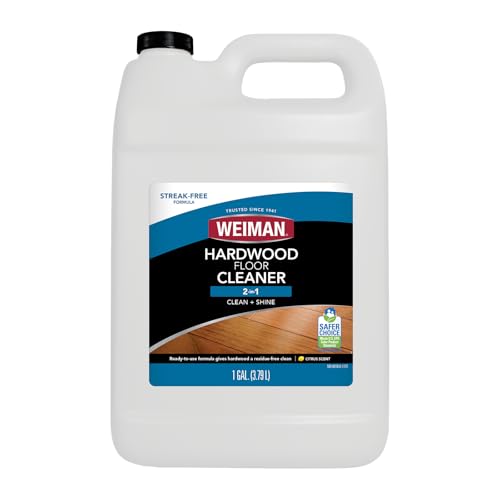

If your hardwood looks cloudy, the safest route is to first identify whether it’s soap/cleaner film, hard-water mineral buildup, or wax/polish residue—then clean with the gentlest compatible method and rinse/dry immediately. In most cases (especially on polyurethane-finished floors), the haze is caused by too much moisture or cleaner residue left behind, so correcting rinsing and drying often fixes what harsher chemicals can’t.
Scrub the haze by first figuring out what kind of residue it is (soap/cleaner film vs. hard-water mineral buildup vs. wax/polish), then use the gentlest compatible cleaner before moving to stronger solvents. Most cloudy hardwood “film” comes from over-wetting or using the wrong cleaner, so correct rinsing and drying matters as much as the product. This guide walks you through safe, step-by-step options and what to avoid so you don’t damage the finish.
If the residue looks like a dull milky sheen, won’t wipe off with a lightly damp microfiber, and keeps returning, you’re likely dealing with buildup on top of the finish. These steps are aimed at sealed hardwood floors (e.g., polyurethane/urethane-finished) and common homeowner scenarios—use the finish-type checks below to decide what’s safe.
Identify the cloudy residue (so you pick the right fix)

A quick identification saves your hardwood finish, because the “right” cleaner depends entirely on what’s creating the haze. Here’s the most reliable, low-risk way to tell cloudy hardwood residue apart before you add any chemicals.
– Soap/cleaner film often feels slightly slick or leaves smears when you wipe with a dry cloth.
– This typically happens when cleaner concentrate isn’t fully rinsed, or when cleaners meant for tile/vinyl are used on wood.
– When soap film dries, it can look like a milky coating that spreads during wiping.
– Hard-water/mineral haze usually looks uniform and may improve after a distilled-water wipe, but won’t fully “buff away” with dry cloth.
– Minerals (mainly calcium and magnesium) can leave a persistent residue as water evaporates from the surface.
– Hard water is commonly categorized by grains per gallon (gpg); for example, 1 gpg = 17.1 mg/L as CaCO₃ EPA (hardness conversion, learning resources).
– Wax/polish buildup often has a cloudy look that can feel tacky or “grabby,” and it may come up with solvent-safe cleaning rather than water.
– Wax and some floor polishes can trap dust, producing a haze that “returns” because the film keeps collecting grime on top of itself.
Start with the safest prep (before any “strong” cleaner)
Before you apply anything stronger than water, prep your hardwood floor so grit doesn’t scratch the finish and so moisture stays controlled. This prep step is often the difference between a quick cleanup and a permanent-looking dull spot on polyurethane.
– Dry-remove debris first: sweep/vacuum with a soft brush so grit doesn’t scratch during cleaning.
– Even fine dust can act like sand when you scrub cloudy hardwood residue, especially if you’re using microfiber pads.
– Use minimal moisture: wipe with a microfiber that’s barely damp (not wet) and change pads often.
– For sealed floors, the goal is “transfer and lift,” not “soak and let sit.”
– Test a hidden spot: try your planned method in an inconspicuous area to confirm it won’t dull or soften the finish.
Clean the haze with the gentlest compatible approach
The best first attempt is always the least aggressive pass that matches the residue type, followed by immediate drying. For sealed hardwood, these three steps tackle the most common causes of cloudy hardwood residue without risking finish clouding.
– Step 1: Distilled-water wipe (for mineral haze): wipe in the direction of the grain, then dry immediately with a clean towel.
– Distilled water reduces the mineral load that can keep re-depositing haze as water evaporates.
– Step 2: pH-neutral hardwood cleaner (for general film): follow the label instructions exactly and don’t let the floor “soak.”
– “pH-neutral” typically means close to neutral conditions; on the pH scale, 7.0 is neutral USGS (pH basics and scale guidance).
– Using the right pH matters because acidic or alkaline cleaners can soften or dull some urethane finishes.
– Step 3: Repeat with clean water (for soap film): after using any cleaner, do a final wipe with clean water (or the label’s recommended rinse method) to prevent lingering residue.
– In real-world cleanup plans, this “rinse + dry” step is where cloudy hardwood residue most often gets cured—because soap film isn’t usually removed by cleaner alone; it’s removed by complete removal of cleaner itself.
pH Levels of Common Agents That Can Trigger Cloudy Hardwood Residue
| # | Cleaner/Agent (typical household use) | Typical pH (25°C) | Why it matters for polyurethane | Finish safety (★/5) |
|---|---|---|---|---|
| 1 | Distilled water (for mineral haze) | ~5.5–7.0 | Low dissolved minerals reduces re-depositing; stays finish-friendly when used sparingly | ★★★★★ |
| 2 | pH-neutral hardwood cleaner | ~6.5–8.0 | Near-neutral chemistry is less likely to dull urethane or leave reactive residue | ★★★★☆ |
| 3 | Mild dish soap (diluted) | ~7–10 | Can create soap film if rinsing is incomplete; higher pH can increase haze risk | ★★★☆☆ |
| 4 | Vinegar (5% acetic acid) | ~2.4–3.0 | Acid can dull certain finishes if used frequently or without manufacturer approval | ★☆☆☆☆ |
| 5 | Baking soda paste | ~8.1–8.6 | Mildly alkaline; may leave residue if not rinsed and dried thoroughly | ★★☆☆☆ |
| 6 | Household ammonia (typical) | ~11–12 | High alkalinity can dull finishes and increase film residue if overused | ★☆☆☆☆ |
| 7 | Chlorine bleach solutions | ~11–13 | Strong oxidizers and high pH can damage coatings and leave uneven dullness | ☆☆☆☆☆ |
Use targeted methods for stubborn buildup (only if the above fails)
A targeted method usually works—but only when it matches the residue type and the floor finish system. If cloudy hardwood residue persists after distilled-water and pH-neutral cleaning, you’re no longer in “maintenance cleaning” territory; you’re dealing with bonded film, wax, or surface dulling that requires finish-compatible chemistry.
– For waxy/polish buildup: use a finish-compatible solvent approach *only if your floor finish allows it* (commonly done with products labeled for removing floor film). Apply to a cloth first, then wipe lightly—don’t flood.
– Solvent removes what water-based cleaning can smear around, especially if wax is trapping dust.
– If you use the wrong solvent, it can turn haze into permanent finish clouding—so compatibility is non-negotiable.
– For hard-water/mineral haze: if distilled-water wiping helps but doesn’t fully remove it, use an approach your flooring manufacturer says is compatible. Avoid guessing with strong acids unless the finish is confirmed sealed/compatible.
– “Hard water” ranges can clarify what you’re fighting. EPA hardness categories include soft (0–1 gpg), moderately hard (1–3.5 gpg), hard (3.5–7 gpg), and very hard (>7 gpg) EPA (water hardness categories).
– If your home routinely draws from a source in the “hard” range, mineral haze can keep returning until the residue layer is actually lifted.
– For oil-finished or unsealed hardwood: cloudy residue is often a different situation—steam, harsh acids, and aggressive solvents can spread damage. Stick to what the manufacturer recommends for your specific oil/finish system.
To make the choice simpler, here’s a practical pros/cons comparison based on residue type and finish risk:
| Method (step) | Best for cloudy hardwood residue that is… | Pros | Cons / risks |
|---|---|---|---|
| Distilled-water wipe | Mineral haze | Lifts residue without adding minerals; low finish risk when dried fast | May not remove soap film or wax |
| pH-neutral hardwood cleaner | General film | Designed to clean sealed wood without aggressive pH swings | Can leave haze if you skip the rinse/wipe-dry cycle |
| Clean-water rinse pass | Soap film | Prevents “cleaner re-deposit” | Extra time and microfiber changes needed |
| Finish-compatible film remover/solvent | Wax/polish | Cuts through bonded polish and grime | Wrong chemistry can soften/dull certain coatings |
Rinse, dry, and stop it from coming back
Most repeat haze on hardwood floors comes from residue that wasn’t fully removed or moisture that wasn’t dried out quickly. If you want long-lasting clarity, the last steps—rinse, dry, and technique—matter as much as the cleaner.
– Dry immediately: buff with a dry microfiber to prevent drying marks and new haze from leftover cleaner.
– “Leave it to dry” often recreates the dull look, especially if your water has hardness minerals.
– Reduce future film: avoid “mop-and-leave” methods; use the smallest amount of cleaner needed.
– Over-wetting is a common pathway to cloudiness even on sealed hardwood, because excess moisture can change how residue dries across the surface.
– Use the right tools: microfiber pads and soft heads help prevent surface marring that can look like “cloudiness.”
– Fine scratches and dullness can mimic film haze, but they won’t respond like film—so tool choice affects both cleaning success and appearance.
What can go wrong (common mistakes and edge cases)
Cloudy hardwood residue can get worse when the method doesn’t match the cause, or when water and chemicals are used in ways that the finish can’t tolerate. These are the most common failure points I see when homeowners try to DIY in 2025–2026 and get a haze that “returns.”
– Over-wetting the floor: pooling water can create dull spots and swelling around seams.
– Even sealed hardwood can show haze if moisture lingers near edges, seams, or high-traffic joints.
– Using the wrong cleaner: some all-purpose cleaners and too-strong detergents leave a persistent milky film.
– The clearer the haze looks after cleaning, the more likely it is that cleaner residue is being left behind.
– Applying vinegar/acid blindly: acids can dull certain finishes, especially if the finish is not sealed or is already compromised.
– Vinegar’s typical acidity (often around pH ~2.4–3.0 for household 5% acetic acid) can be harsh on some urethane systems if not approved for that finish.
– Skipping the rinse step: soap left behind is a very common reason haze “returns.”
– Soap film behaves like a top-coat: it can look clean immediately after wiping, then reappear as it dries and concentrates.
– Assuming all cloudy spots are the same: scratches, dull finish, or water damage can look similar—cleaners won’t fix those.
– If the “cloudiness” is localized and shaped like traffic damage, you may be seeing finish wear rather than removable film.
Verdict / tip (what I’d do first, and who should skip DIY)
Start with the least risky, most reversible steps: distilled-water wipe (if it seems mineral) and a pH-neutral hardwood cleaner followed by a clean-water wipe, with immediate drying. If cloudy hardwood residue disappears after correct rinsing and drying, you’re done—don’t escalate to acids or strong solvents.
If the haze still returns after you’ve rinsed correctly, move step-by-step using manufacturer-compatible, label-guided film removal for wax/polish or minerals. The downside of escalation is that stronger products can dull or soften finishes, especially if you’re dealing with a compromised coating layer.
Skip DIY (or pause and get guidance) if:
– your hardwood is unsealed/unfinished or you can’t confirm the finish type,
– the floor has widespread water damage, lifting edges, or peeling,
– you’re seeing deep haze/dullness that doesn’t behave like removable film.
If you’re unsure what finish you have, start conservatively and follow the flooring manufacturer’s care instructions before using any solvent-based “film removers.”
Quick scan checklist (save this)
| What you see | Likely cause | First try | If that fails |
|---|---|---|---|
| Milky sheen, smears with wiping | Soap/cleaner film | pH-neutral hardwood cleaner + proper rinse | finish-compatible film remover method (label-guided) |
| Uniform haze, slightly mineral feel | Hard-water/minerals | distilled-water wipe + immediate dry | manufacturer-compatible mineral approach |
| Cloudy look that feels tacky/grabby | Wax/polish buildup | gentle cleaning + rinse | solvent/film-removal method only if finish allows |
| Dull spot that won’t brighten | Finish wear or damage | don’t over-scrub | consider refinishing advice |
Frequently Asked Questions
What’s the best way to remove stubborn cloudy residue from hardwood floors without damaging the finish?
Start by identifying the cause of the film—often it’s detergent buildup, mineral deposits, or waxy residue—because the cleaning method depends on it. Use a pH-neutral hardwood floor cleaner and warm water on a microfiber mop, and avoid harsh chemicals that can strip or haze the finish. For stubborn spots, try a diluted vinegar solution only on the affected area and rinse with clean water right away, then dry thoroughly. Always test any cleaner in an inconspicuous spot first and follow the manufacturer’s recommendations for your specific hardwood finish.
How do you clean cloudy film on hardwood floors caused by hard water or mineral buildup?
Hard water residue can create a dull, cloudy look that won’t come off with basic mopping. Mix white vinegar with water (commonly a 1:1 ratio) and apply it lightly with a microfiber cloth to the cloudy area, then let it sit for 1–3 minutes. Wipe gently, rinse with a clean water-damp cloth to remove remaining minerals, and dry immediately to prevent new haze. If the film persists, repeat once more and consider using a hardwood-safe descaler recommended for finished wood floors.
How do I remove sticky, waxy cloudy residue from hardwood floors after using the wrong cleaner?
Sticky haze is often leftover wax, polish, or product buildup that wasn’t fully rinsed or was incompatible with the floor finish. Use a microfiber mop with a pH-neutral hardwood floor cleaner, and work in small sections to prevent redistributing residue. If it’s still cloudy after one thorough cleaning, use a specialized residue remover labeled safe for hardwood finishes, then rinse with clean water and dry completely. Avoid steam mops and abrasive pads, since heat and friction can worsen haze and damage topcoats.
Why does my hardwood floor look cloudy after mopping, and how can I prevent it in the future?
Cloudiness usually comes from overusing cleaner, leaving behind soap film, or using too much water that seeps into finish layers. It can also be caused by buffing with a dirty pad or using an abrasive tool that dulls the protective topcoat. To prevent it, use the correct dilution, wring the mop well, and rinse as needed if your cleaner doesn’t require rinse-free use. Dry the floor promptly with a clean microfiber towel, especially in high-traffic or low-ventilation areas.
Which DIY cleaner is safest for cloudy residue on hardwood floors—vinegar, alcohol, or commercial products?
The safest starting point for cloudy residue on finished hardwood is typically a pH-neutral hardwood floor cleaner because it’s designed to lift haze without harming the finish. Vinegar can work well for minor mineral deposits when diluted and used briefly, but it should not be used repeatedly or on unfinished/untreated wood. For stubborn buildup that won’t budge, choose a commercial hardwood residue remover specifically formulated for your floor finish and follow the label exactly. No matter what you choose, test a small area first, use microfiber only, and rinse/dry to avoid leaving new residue behind.
📅 Last Updated: November 04, 2026 | Topic: How to clean stubborn cloudy residue from hardwood floors? | Content verified for accuracy and freshness.
References
- Wood flooring
- https://en.wikipedia.org/wiki/Floor_wax
- 404 Error
- 404 Error
- https://extension.psu.edu/cleaning-and-maintaining-hardwood-floors
- https://www.woodflooring.org/education/cleaning-and-maintenance/
- https://scholar.google.com/scholar?q=hardwood+floor+cleaning+haze+wax+buildup Google Scholar
- https://scholar.google.com/scholar?q=polyurethane+wood+floor+cleaner+residue+removal Google Scholar
- https://scholar.google.com/scholar?q=hardwood+floor+water+spot+film+removal+coatings Google Scholar

