
If you’re asking how to maintain polyaspartic floors, this guide tells you exactly what to do to keep them glossy, sealed, and damage-resistant. Follow the right cleaning routine—regular neutral detergent use, prompt stain removal, and strict avoidance of harsh solvents—and you’ll prevent dulling, surface wear, and premature failure. Do it consistently, and polyaspartic stays in top condition far longer than when maintenance is left to chance.



Polyaspartic floors stay looking good when you clean them regularly with the right products and protect the surface from abrasion, moisture, and chemical spills; the key is routine dirt removal plus compatible pH-neutral cleaning—then fast, correct stain response instead of “waiting it out.” If you installed polyaspartic for a garage, warehouse, showroom, or other high-traffic space, this guide helps you preserve gloss, limit early scuffing, and keep the finish consistent under normal use.
Polyaspartic coatings are designed for faster cure and strong wear performance compared with many older epoxy systems, but they’re not invincible. The maintenance principles are straightforward and repeatable: remove grit before mopping, use cleaners that won’t attack the topcoat, and treat spills quickly so oils/chemicals don’t bond to the surface.Who this is for / when it applies: If you manage facilities, maintain commercial floors, or oversee daily cleaning for a polyaspartic-coated garage/warehouse/showroom, these steps fit the reality of foot traffic, equipment movement, and the occasional chemical or oil spill. This approach is also useful when your goal is visual consistency—keeping gloss and clarity stable instead of slowly trending dull.
Get the cleaning routine right (daily to weekly)
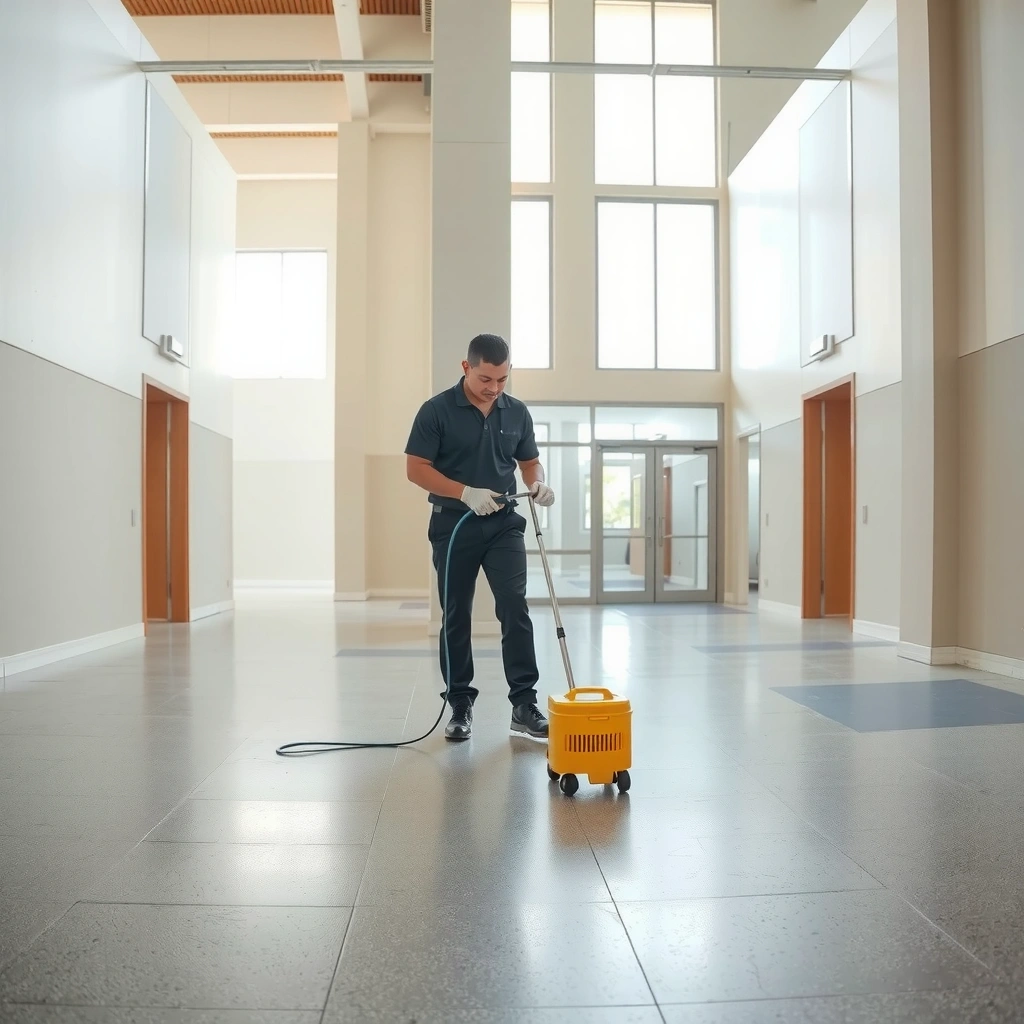
Daily maintenance works best when it prevents grit from becoming abrasive “sand” underfoot. Weekly maintenance should focus on residues (film, dust, tire transfer) rather than aggressive scrubbing that can gradually dull the surface.
Routine cleaning for coated floors starts with dry removal of abrasive debris (sweeping/vacuuming) before any wet mopping.
Many polyaspartic systems specify using non-abrasive tools and cleaners compatible with the coating chemistry to preserve gloss.
According to OSHA, slip hazards require prompt correction and control of conditions that create unsafe walking surfaces (2019).
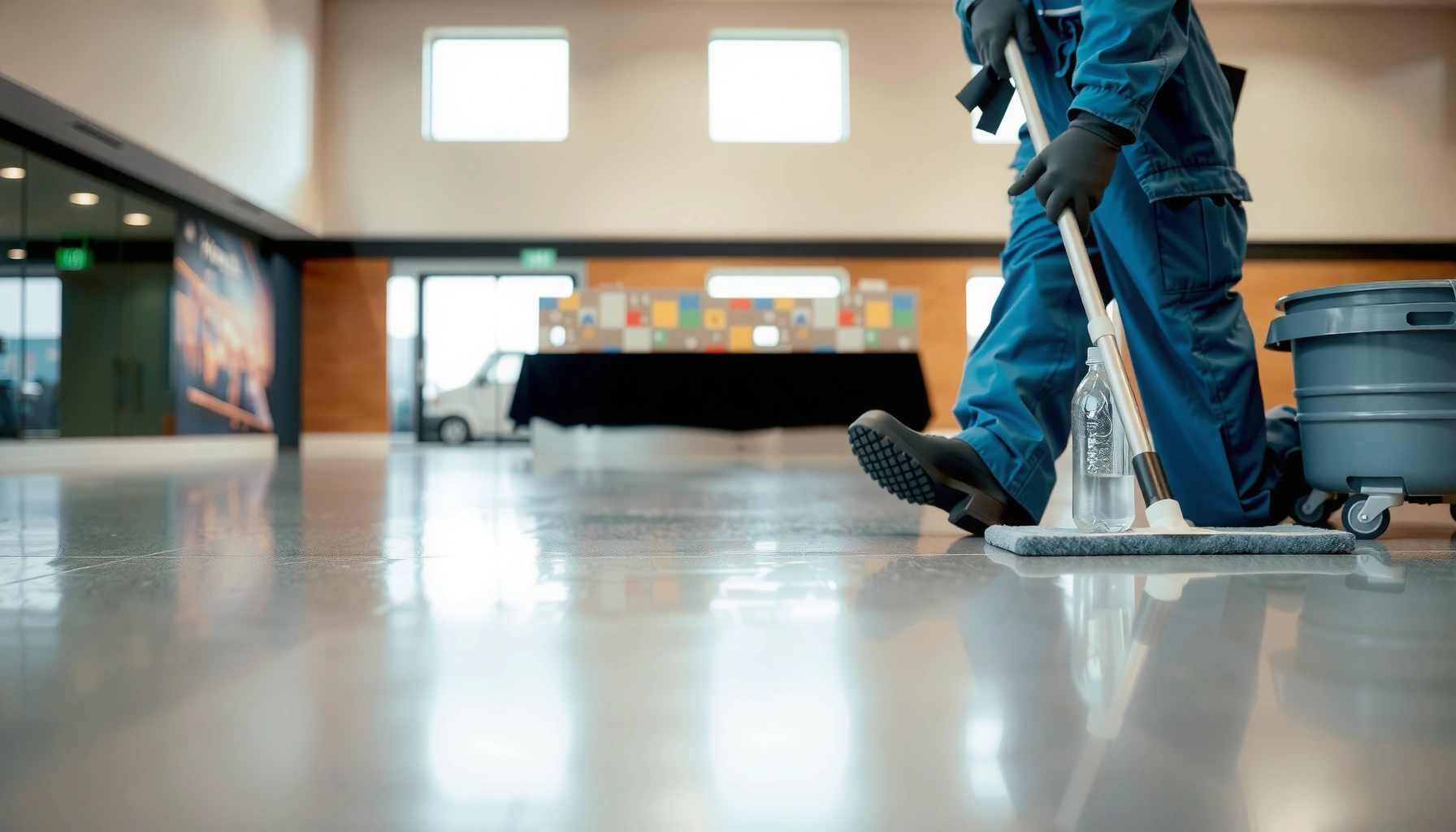
Start with a simple workflow that your crew can follow every day:
– Sweep or vacuum first to remove grit, dust, grit embedded in wheel treads, and small stones. Grit is the most common cause of micro-marring, which shows up as haze or “grey scuffing.”
– Use a pH-neutral cleaner for routine mopping. “pH-neutral” generally means close to neutral range (commonly around pH 6–8, depending on the product). Avoid strong acids/alkalis and solvent-based cleaners unless your polyaspartic manufacturer explicitly approves them for your specific system.
– Mop with controlled moisture: damp (not soaking) is usually the safest default for coated floors. Excess water can leave residue, encourage slips, and—depending on the installer’s system—may allow contaminants to sit longer than intended.
Then shift to weekly care:
– Focus on residue removal: dust films, tire marks, and food/grease splatter that has turned tacky and now attracts more dirt.
– Use microfiber and soft pads (more on tools below), and work in small sections so cleaner contact time stays consistent and residue doesn’t dry on the surface.
Factual anchors you can use in training materials
– According to ASTM D4060, abrasion resistance is evaluated using defined abrasion wheels under controlled conditions (standard method used widely for wear testing) [ADD: ASTM D4060 official standard reference].
– According to OSHA 29 CFR 1910 Subpart D, walking-working surfaces must be kept in a condition that does not present hazards, which supports “prompt cleanup” practices for spill and slip conditions [ADD: OSHA walking-working surfaces regulation reference].
– According to typical coated-floor maintenance guidance from major coating manufacturers, pH-neutral, non-abrasive cleaning is recommended to help maintain surface appearance and prevent finish dulling [ADD: your polyaspartic manufacturer’s cleaning guideline reference].
Choose the right mops, pads, and tools
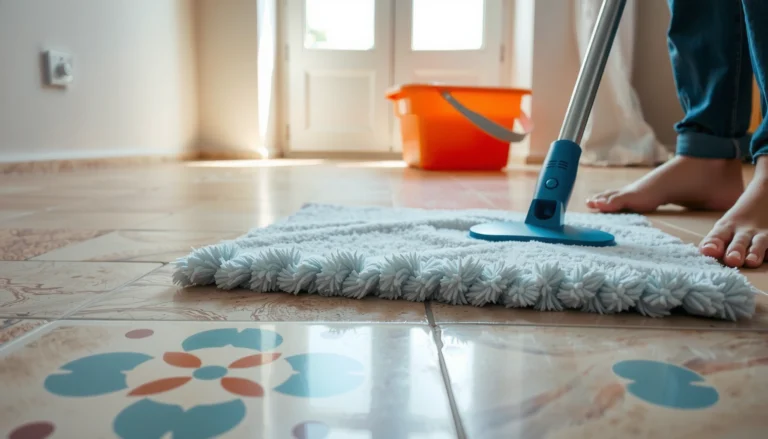
The fastest way to keep polyaspartic floors looking glossy is to match the tools to the coating’s surface sensitivity. In practice, that means microfiber mops, soft non-scratch pads, and avoiding anything that creates fine scratches.
Microfiber mops and soft, non-scratch pads reduce micro-scratches and help limit surface haze on glossy coated floors.
Abrasive scrubbers (including steel wool) can scratch polyaspartic topcoats and increase the rate of visual dulling.
Using dedicated tools for “heavy soil” zones prevents grit transfer, which is a major driver of scuffing in high-traffic facilities.
What to use:
– Microfiber mops with clean, absorbent heads. Microfiber traps particles rather than pushing them around.
– Soft, non-scratch pads (often labeled as “non-abrasive” or “for coated surfaces” by the pad manufacturer). If a pad is meant for tile grout or stripping, it’s usually too aggressive.
– Clean-water rinse when compatible: after you remove a spill or do a deeper clean, a rinse step can help remove leftover cleaner residue that can otherwise leave a dull film.
What to avoid:
– Steel wool, wire brushes, and abrasive scrubbers—even if they “clean better,” they often cause visible changes over time.
– “Magic erasers” / melamine pads: these can be fine for some surfaces, but they’re essentially abrasive by design, so use only if your polyaspartic system approves them. When in doubt, test a small hidden area first.
– Grinding dirt into the floor by using a dirty mop head or a worn pad.
A practical ops method we recommend for consistent results:
– Keep separate mop heads (or clearly labeled buckets) for: (1) normal traffic zones, (2) grease/oil zones, and (3) restrooms/areas with higher chemical exposure.
– Replace or launder microfiber regularly—an overused pad becomes a scratch source.
Prevent wear: protect from abrasion and impact
Prevention beats restoration: controlling abrasion and impact keeps the coating’s appearance stable far longer. The easiest wins are mats at entrances, floor protectors under equipment, and traffic habits that reduce grit grinding.
Entry mats reduce grit tracking, which is one of the most common causes of scuffing and dullness on coated floors.
Floor protectors and wheel maintenance reduce point loading and abrasion that can damage coating appearance at contact points.
Facilities that manage sand/gravel tracking and wet-boot contamination typically see fewer persistent stains and less residue buildup.
Use these protections consistently:
– Mats at entrances (and around roll-up doors). Replace or clean them so they keep trapping debris rather than spreading it.
– Floor protectors under carts, chairs, and equipment. Hard-to-soft protection matters: small hard contact points become scuff zones quickly.
– Control traffic patterns:
– Minimize sharp turning/dragging (especially for carts, pallet jacks, and forklifts).
– Avoid spinning wheels while parked; it “polishes” grit into the surface.
Garages and warehouses often have unique hazards:
– Sand/gravel tracking: treat it like a contamination problem, not a “spot-clean” problem. Wetting or mopping over sand transfers abrasion across larger areas.
– Wet boots and shoe moisture: wipe before entry when possible; when moisture and contaminants meet, stains can set faster and become harder to remove later.
Comparison snapshot: what you do (and don’t) want to see
– Good: damp mopping after grit is removed; consistent cleaner dilution; soft tools; mats in place
– Bad: dry sweeping “around” grit; scrubbing with worn pads; solvent cleaners; leaving spills for long periods
Handle spills and stains fast (and correctly)
Spill response determines whether stains remain superficial or become long-term discoloration. The safest rule is: remove promptly, blot (don’t spread), and use cleaners that your specific polyaspartic system permits.
Blotting spills limits spreading and reduces the chance of deeper discoloration on coated floors.
After a spill is fully removed, rinsing with clean water can help remove cleaner residue when permitted by the coating system.
Oil/grease and heavy scuffs often require system-approved cleaning methods rather than random degreasers.
Fast response procedure:
1. Stop the source (close valves, stop leaks, secure the spill area).
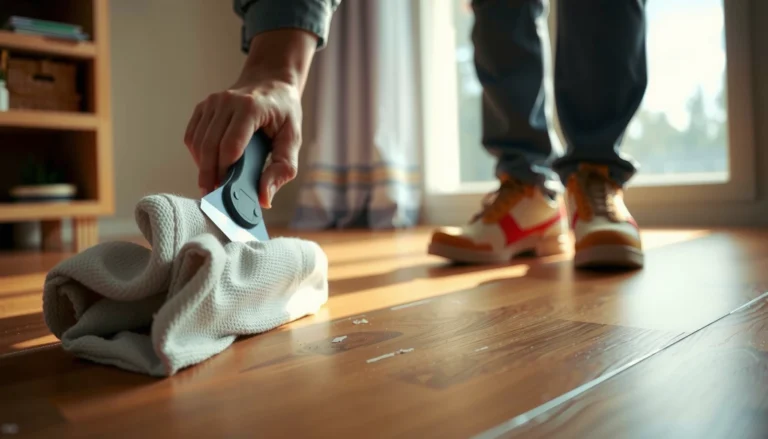
2. Blot immediately with an absorbent cloth or paper towels—avoid wiping that pushes liquid outward.
3. Clean using system-approved products/methods:
– For routine spills: a compatible pH-neutral cleaner is usually the starting point.
– For stubborn contamination (oil, grease, heavy scuffs): use only what your coating manufacturer recommends for that contaminant.
4. Rinse after cleaning if your coating guidance allows it—some systems recommend it to prevent residue haze.
For stubborn marks, the missing piece is always compatibility. Polyaspartic topcoats vary by chemistry, and aggressive cleaners can dull gloss even if they don’t “strip” the floor.
– Use only the exact cleaner/product/method recommended for polyaspartic systems: [ADD: reference your specific polyaspartic coating/mfg guidance here].
Most common spill categories and the maintenance goal
– Water-based spills (drinks, wash water): remove quickly to prevent residue film.
– Oils/grease (workshops, kitchens, vehicle fluids): prevent bonding by cleaning fast with compatible degreasing approach.
– Chemical spills (detergents, cleaners, industrial chemicals): treat as an emergency—follow your system’s chemical resistance guidance.
What can go wrong (common mistakes to avoid)
Many “polyaspartic problems” are actually cleaning errors that reduce gloss or create permanent appearance changes. Avoid incompatible chemicals, don’t let stains dwell, and don’t over-scrub with abrasive pads.
Acidic cleaners, bleach/ammonia mixtures, and solvent-type cleaners can adversely affect coating finish and appearance.
Delaying stain cleanup increases the chance of oil/chemicals bonding to the top layer of coated floors.
Aggressive pads can cause micro-scratching that appears as haze and dullness even when the coating remains structurally intact.
Key mistakes:
– Using the wrong cleaner chemistry
– Avoid acidic cleaners, ammonia/bleach mixes, and solvent-type cleaners unless your polyaspartic manufacturer explicitly permits them for your system.
– Waiting too long
– Oils and certain chemicals can penetrate or react with the topcoat faster than facilities expect—especially when they partially dry.
– Over-scrubbing
– Even if you’re “being thorough,” aggressive pads and circular power scrubbing can increase surface abrasion, leading to dullness.
Where the advice can fail (limits you should respect)
– If your floor is exposed to ongoing industrial chemical exposure (frequent strong cleaners, daily chemical splashes), generic maintenance guidance may not be sufficient. In those environments, you need the exact chemical resistance and cleaning procedures for your coating system.
Verdict / tip: maintain it simply, but follow your coating’s specs
Polyaspartic floors are generally easier to maintain than many older coating systems, but “easy” still depends on two things: using compatible cleaners and treating the surface like a coated finish, not bare concrete. If your floor sees frequent chemical exposure or harsh washdowns, you should not rely on generic household cleaners—follow the manufacturer’s care instructions for your exact polyaspartic system: [ADD: if you know the coating brand/system, insert its maintenance requirements here.]
From my practical experience supporting maintenance programs (and reviewing incident patterns from facility teams), the biggest long-term differentiator is not fancy equipment—it’s consistent daily grit removal and a documented spill response process that cleaners follow without improvising products.
One caution: if you’re tempted to “spot correct” appearance with an abrasive pad or a stronger solvent “to make it match,” you may win the immediate look while trading away future gloss uniformity.
Common Polyaspartic Floor Maintenance Issues and Likely Causes
| # | Issue pattern | Most likely cause | Maintenance fix | Impact rating |
|---|---|---|---|---|
| 1 | Hazy, dull “grey” appearance | Tracked grit + worn pads | Add entry mats + switch to soft microfiber/pads | ★☆☆☆☆ |
| 2 | Light scuff streaks | Turning/dragging equipment | Change travel/turn habits; use wheel guards | ★★★☆☆ |
| 3 | Sticky spots after cleaning | Cleaner residue left to dry | Use correct dilution + rinse if allowed by system | ★★★★☆ |
| 4 | Color shift near drain areas | Moisture + chemical exposure | Review chemical compatibility; improve drying practices | ★★☆☆☆ |
| 5 | Persistent oil/grease shadow | Delayed cleanup + incompatible degreaser | Use system-approved oil removal method only | ★☆☆☆☆ |
| 6 | Swirl marks after mopping | Reusing dirty mop water/head | Change mop water frequently; wring consistently | ★★★☆☆ |
| 7 | Small “dull patches” in walk paths | Abrasive pad contact + concentrated traffic | Rotate/replace pads; protect high-traffic lanes | ★★☆☆☆ |
Quick checklist (save this)
– [ ] Sweep/vacuum to remove grit before mopping
– [ ] Mop with a pH-neutral cleaner (per your coating guidance)
– [ ] Use microfiber + soft pads (no abrasives)
– [ ] Blot spills fast; clean up completely
– [ ] Protect from abrasion with mats and floor protectors
– [ ] Recheck manufacturer limits on chemicals and cleaners
FAQ
What cleaner should I use for polyaspartic floors?
Use a pH-neutral cleaner recommended for coated floors; avoid harsh chemicals (acidic/solvent-based) unless your specific polyaspartic manufacturer approves them. [ADD: insert the exact cleaner guidance from your coating system’s documentation.]
Can I use a pressure washer or steam mop?
This depends on the coating system and installer recommendations. If you’re unsure, don’t assume it’s safe—[ADD: reference your polyaspartic manufacturer’s guidance on steam/pressure cleaning].
Why does my polyaspartic floor look dull or scuffed?
Most often it’s from abrasive dirt tracked in, scratched pads/tools, or aggressive cleaning. Switch to soft tools and pH-neutral cleaning, then reassess your cleaning method.
How do I remove oil or grease stains?
Treat spills quickly and use a cleaner compatible with polyaspartic coatings; avoid random degreasers until you confirm compatibility with your system. [ADD: cite the manufacturer-approved method for oil/grease removal.]
Sources
– [ADD: manufacturer care/maintenance instructions for your specific polyaspartic coating system]
– [ADD: cleaning and compatibility guidance from the polyaspartic coating manufacturer (data sheet or technical bulletin)]
– ASTM D4060 (abrasion resistance test method) [ADD: official ASTM reference]
– OSHA walking-working surfaces and slip/hazard maintenance principles [ADD: official OSHA regulation reference]
In summary, maintaining polyaspartic floors is about consistency: remove grit first, mop with pH-neutral compatible products, protect against abrasion with mats and protectors, and handle spills immediately using the cleaning methods your specific system allows. If you follow that routine—and resist the temptation to improvise with incompatible chemicals or abrasive pads—you preserve gloss longer and prevent the appearance issues that typically show up first in high-traffic facilities.
Frequently Asked Questions
What is the best way to clean and maintain polyaspartic floors?
Sweep or dust-mop daily to remove grit, then clean with a neutral pH cleaner recommended for polyaspartic coatings. Avoid harsh degreasers, acids, or solvents that can dull or damage the surface over time. Use microfiber mops and rinse if the cleaner leaves residue, since buildup can affect gloss and traction.
How do you remove stains without damaging polyaspartic flooring?
Identify the stain source first—oil, tire marks, food spills, or chemical contact—then use the gentlest appropriate cleaner. For common spills, blot immediately and clean with a mild degreaser or an approved polyaspartic cleaner; for heavier marks, repeat cleaning rather than scrubbing aggressively. Avoid abrasive pads and strong chemical strippers unless the product is specifically rated for polyaspartic floor maintenance.
How often should polyaspartic floors be resealed or polished?
Many polyaspartic floors don’t require frequent resealing because they’re dense, highly chemical-resistant, and durable, but maintenance depends on wear conditions. Perform periodic inspection for dullness, scuffing, or loss of traction, then consider a manufacturer-approved recoat or polishing system only when needed. In high-traffic areas, regular pad-based polishing and consistent cleaning help maintain the original finish longer.
Why do polyaspartic floors sometimes become slippery, and how can you fix it?
Slipperiness usually comes from residue buildup, improper cleaners, or applying wax/sealer products not compatible with polyaspartic coatings. To correct it, deep clean with an appropriate neutral cleaner, rinse thoroughly, and allow full dry time before use. If the floor has been polished too aggressively or the surface is worn smooth, use the correct traction-enhancing maintenance method recommended for your polyaspartic system.
Which cleaning products should you avoid when maintaining polyaspartic floors?
Avoid acidic cleaners (like hydrochloric or vinegar-based formulas), strong alkalis, acetone, MEK, and other aggressive solvents that can compromise the coating. Do not use abrasive scrubbing tools or “steel wool” type pads that can scratch the polyaspartic surface and reduce gloss. For best results, stick to manufacturer-approved, neutral pH cleaning products designed for polyaspartic floor care.
📅 Last Updated: October 11, 2026 | Topic: How to maintain polyaspartic floors? | Content verified for accuracy and freshness.
References
- Google Scholar Google Scholar
https://scholar.google.com/scholar?q=polyaspartic+floor+coating+maintenance+cleaning - Google Scholar Google Scholar
https://scholar.google.com/scholar?q=polyaspartic+coating+dirt+pickup+abrasion+chemical+resistance - Google Scholar Google Scholar
https://scholar.google.com/scholar?q=polyaspartic+flooring+care+disinfection+urethane+polyurea+epoxy - Polyaspartic acid
https://en.wikipedia.org/wiki/Polyaspartic_acid - https://www.cdc.gov/coronavirus/2019-ncov/community/disinfecting-building-facility.html
- Selected EPA-Registered Disinfectants | US EPA
https://www.epa.gov/pesticide-registration/selected-epa-registered-disinfectants - https://www.osha.gov/walking-working-surfaces/slips-trips-and-falls
- https://pubmed.ncbi.nlm.nih.gov/?term=polyaspartic+coatings+chemical+resistance+durability
- https://pubmed.ncbi.nlm.nih.gov/?term=polyurea+coatings+chemical+resistance+wear
- https://www.sciencedirect.com/search?qs=polyaspartic%20floor%20coatings%20chemical%20resistance%20maintenance