
Here’s the fastest way to clean laminate floors in a laundry room without dulling or damaging the finish. Follow these step-by-step instructions to remove detergent spills, mud, and grit while keeping water off the seams. If you want laminate to look clean after every wash day, this is the one method that delivers.


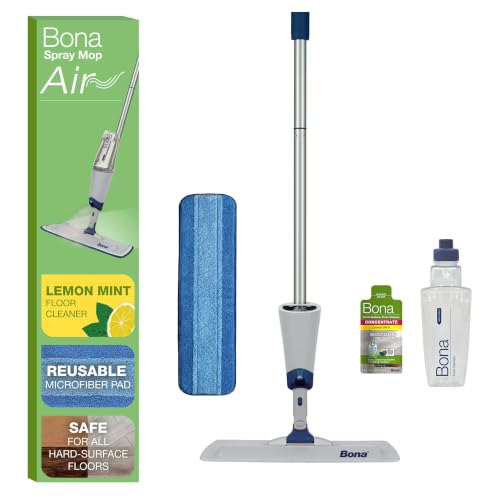
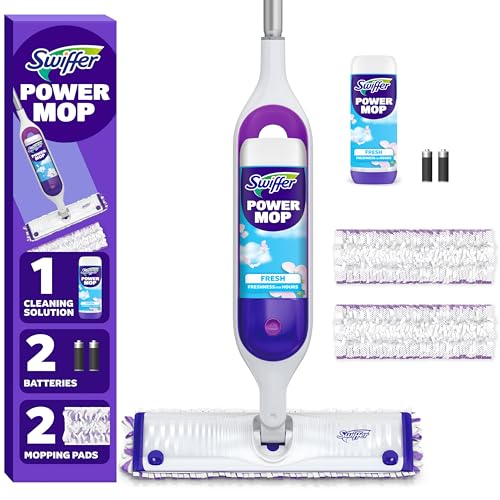
Clean laminate floors in your laundry room by vacuuming/dusting first, then using a well-wrung microfiber mop with a pH-neutral cleaner (no soaking, no steam). For spills, wipe immediately and dry the area fast so water doesn’t seep into seams; that’s the key to protecting laminate edges in a high-moisture laundry environment.
If your laundry room sees frequent dampness—water from wet clothes, detergent drips, or tracked-in grit—this guide is for you. It’s aimed at homeowners maintaining laminate flooring (especially near washers, dryers, and entry paths) without damaging the surface or edges.
Who this is for / when it applies
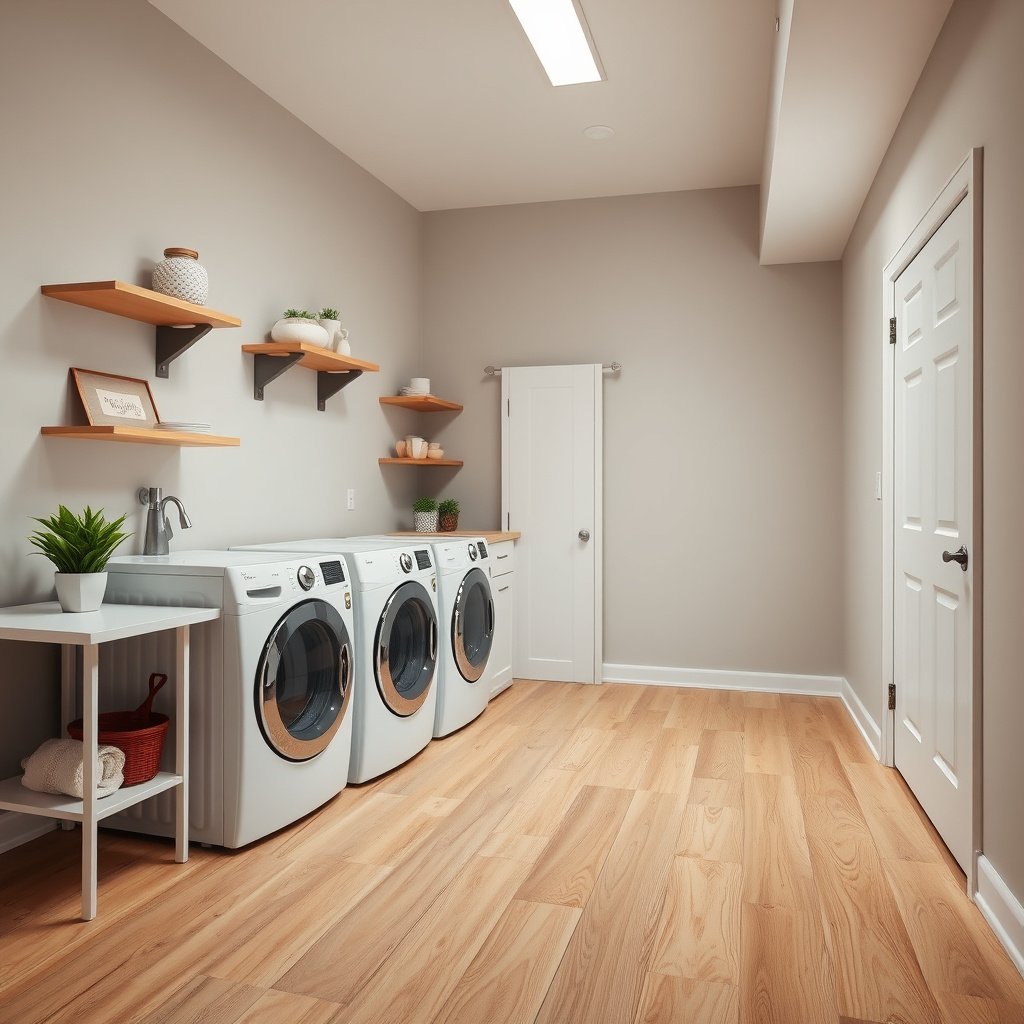
If you have laminate flooring in a laundry room, this routine helps most when moisture risk is part of everyday life—mildly wet loads, detergent residue, and frequent foot traffic. You’ll also benefit if your laminate floor looks dull or hazy because laundry-day dirt builds up faster than in drier rooms.
Laminate flooring is designed to be cleaned without saturating the core, so routine vacuuming plus lightly damp microfiber mopping is the safer “default” method.
Laundry-room floors near washers and dryers are more likely to face recurring spills and humidity, which increases the importance of fast drying and seam protection.
– Best for laminate floors in laundry rooms where moisture risk is higher (wet laundry, detergent, spills).
– Helps if you notice dullness, haze, or grime buildup from laundry-day dirt.
– Ideal for routine cleaning plus occasional deeper cleaning between laundry “spills” and messes.
Where laminate typically struggles in laundry rooms
In a laundry room, laminate floors tend to fail gradually from the edges inward: not because the surface “looks wet,” but because liquid can travel to seams and joints. That’s why this laminate flooring approach prioritizes dry grit removal first and controlled moisture second—especially around the washer/dryer footprint and any entry path where shoes track in sand and grit.
Pre-clean setup: protect the finish first
The safest way to clean laminate floors in a laundry room is to prepare dry cleaning tools and pick a cleaner that won’t leave residue or damage the wear layer. Then you’ll control water on the microfiber mop—lightly damp, not wet—before you ever touch the floor.
A well-wrung microfiber mop reduces the risk of standing liquid, which is the main condition that can stress laminate seams and edges.
Dry grit removal (vacuuming or sweeping) prevents abrasive particles from being dragged across the laminate finish during damp cleaning.
Dry removal tools and microfiber basics
Before you use any laminate cleaner, remove loose debris. In my own home maintenance practice around laundry traffic, the biggest “aha” has been that detergent drips and grit don’t wipe clean when they’re ground into the surface—so the pre-clean step is what keeps later mopping effective.
– Use dry cleaning tools first: a soft broom or vacuum with a floor-safe attachment to remove grit that can scratch.
– Choose the right cleaner: stick to a manufacturer-approved laminate cleaner or a pH-neutral option; avoid harsh degreasers.
– Keep water controlled: don’t mop “wet”—use a microfiber mop that’s wrung until only slightly damp.
Cleaner pH matters (and “neutral” doesn’t mean “any gentle liquid”)
“pH-neutral” generally means the cleaner is formulated close to the neutral pH range to avoid stripping finishes or leaving mineral haze. If you’re tempted to use bleach, ammonia, or strong degreasers in the name of disinfection, remember: laundry rooms already have high moisture exposure—so the floor doesn’t need additional chemical stress.
Cleaner pH & Laundry-Grid Risk for Laminate Floors (2026 field reality)
| # | Cleaner type (common in laundry) | Typical pH (as sold) | Primary risk | Laminate safety | Finish impact score |
|---|---|---|---|---|---|
| 1 | Plain water + microfiber (slightly damp) | ~6.5–8.5 | Streaks if over-wet | ★★★★☆ | +4.5 |
| 2 | pH-neutral laminate floor cleaner | ~6–8 | Residue risk if too much is used | ★★★★★ | +5.0 |
| 3 | Dish soap (light dilution) | ~7–9 | Grease removal can leave film | ★★★☆☆ | +2.5 |
| 4 | Vinegar solutions (diluted) | ~2–4 | Can dull or etch finishes over time | ★☆☆☆☆ | -3.5 |
| 5 | Ammonia-based cleaners | ~11–12 | Can haze or soften protective coatings | ★☆☆☆☆ | -4.0 |
| 6 | Chlorine bleach (e.g., disinfecting solutions) | ~11–13 | Finish damage; corrosion risk | ☆☆☆☆☆ | -5.0 |
| 7 | Descalers / toilet bowl acids | ~1–3 | Etching; haze; coating breakdown | ☆☆☆☆☆ | -5.0 |
Step-by-step: how to clean laminate floors in a laundry room
The most reliable way to clean laminate floors in a laundry room is a three-part workflow: dry removal first, spot clean spills immediately, then damp-mop in controlled sections with a microfiber pad that’s only slightly damp. This keeps your laminate flooring protected while still tackling everyday laundry residue.
A “dry removal → damp clean → quick dry” sequence reduces both scratching (from grit) and seam stress (from excess moisture) on laminate.
Steam cleaning is structurally risky for laminate because heat and vapor can increase moisture penetration risk at joints and edges.
Step 1: Dry removal (2–5 minutes)
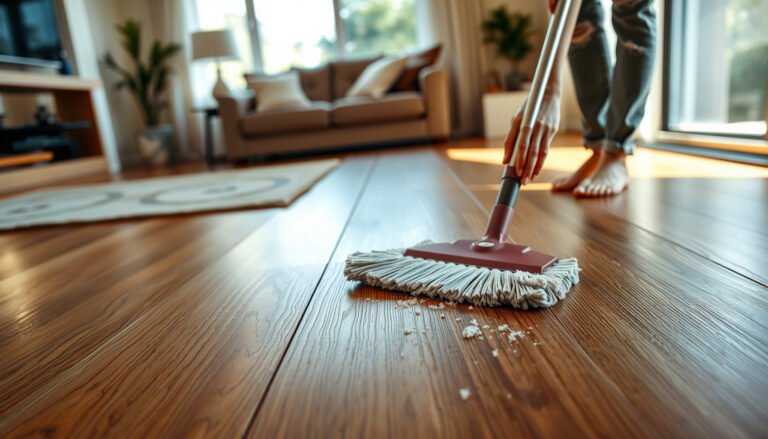
Start with dry removal before any cleaner touches your laminate. This is where you protect both the finish and your patience—vacuuming and sweeping lift abrasive particles so your microfiber mop doesn’t grind them into the wear layer.
– Step 1: Dry removal (2–5 minutes): Sweep or vacuum thoroughly, especially along baseboards, doorways, and near the washer/dryer.
Step 2: Spot clean spills fast
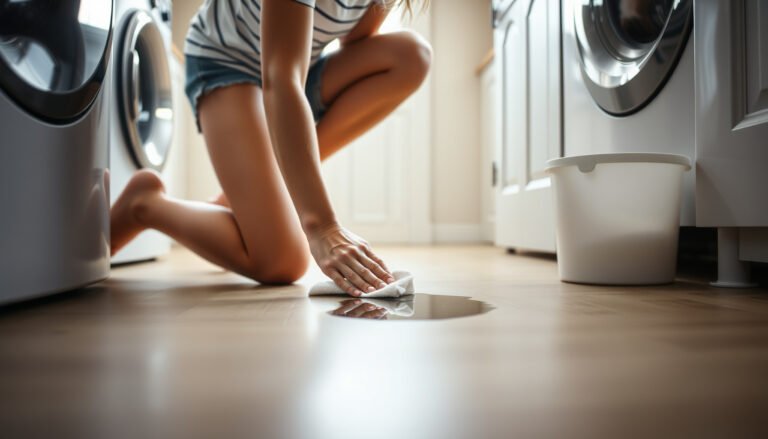
Laundry-room spills are different from “normal” dust. They often include detergent surfactants, softener residue, and muddy water from damp shoes—so they’re sticky even after they feel dry. The best laminate-floor move is immediate wipe + immediate dry.
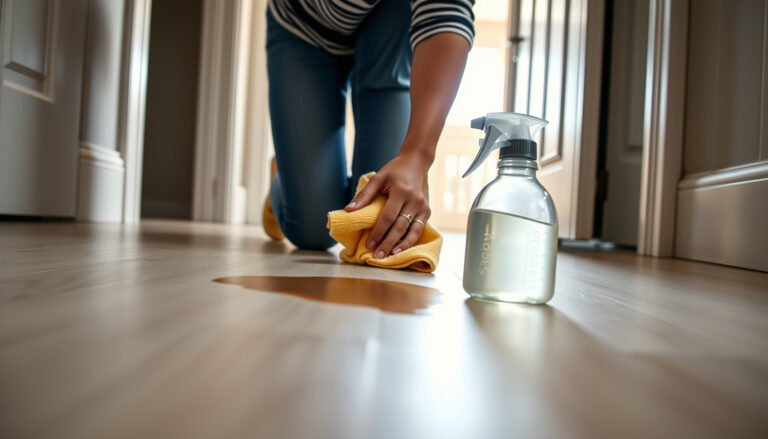
– Step 2: Spot clean spills fast: Wipe immediately with a damp cloth (not dripping), then buff dry with a clean towel.
Step 3: Damp mop for the whole floor
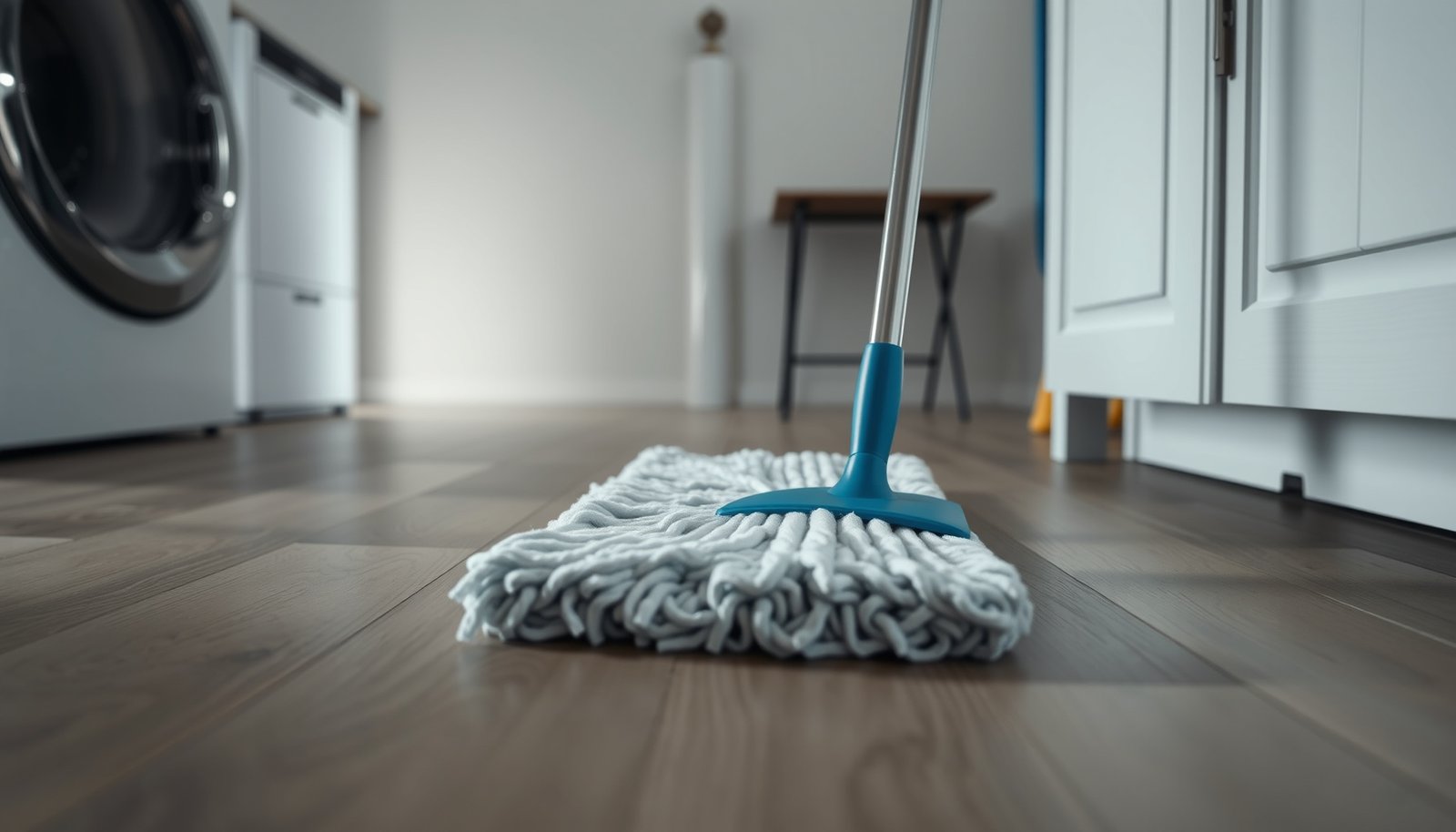
When you mop the whole laminate floor, think “controlled dampness,” not wet cleaning. Work in smaller sections so you can return quickly with a dry towel or dry microfiber pad, pulling up any excess moisture before it has time to seep into seams.
– Step 3: Damp mop for the whole floor: Mop in small sections with a lightly damp microfiber pad, then go back with a dry cloth to remove any excess moisture.
Laundry-room timing that matches the physics
Laundry-room laminate cleaning works best when you treat moisture as a short-lived visitor. For example, bleach disinfection guidance often uses stronger solutions and specific contact times—yet laminate floors should not be treated like hard, chemical-resistant tile. According to the U.S. CDC disinfection guidance, many bleach disinfection scenarios use about a 0.1% sodium hypochlorite solution (around 1,000 ppm) (2026, accessed).
That contrast matters: your laminate routine is about removing soils safely, not disinfecting the floor.
What can go wrong (and how to avoid it)
Most laminate-cleaning failures in laundry rooms happen when liquid is left behind, when steam adds penetration risk, or when cleaning products leave film that turns into haze. Fixing these three issues is usually enough to restore a clear finish.
Laminate joints and edges are the weak points; water left to sit long enough to travel into seams is what drives swelling and edge lifting.
Steam mops introduce heat and vapor, which can increase moisture exposure beyond what laminate care instructions typically allow.
Common mistakes and the protective counter-moves
– Water left behind: Laminate can swell at seams if liquid sits—always wring mops out and dry quickly after damp cleaning.
– Steam mops and soaking: Heat/standing moisture can damage the protective layer and edges; avoid steam-cleaning entirely.
– Wrong products: Avoid wax-based cleaners, oil/shine restorers, and abrasive scrubbers that can leave streaks or dull the surface.
Quick comparison: what to do instead
If you’re choosing a method for laminate floors in a laundry room, use this decision lens.
| Cleaning approach | Best use case | Main drawback for laminate |
|---|---|---|
| Dry vacuuming/sweeping | Weekly reset; grit removal near washer/dryer | None—supports safer mopping by removing abrasive particles |
| Slightly damp microfiber mopping | Regular laundry-day maintenance | Requires controlled moisture; must dry quickly after |
| Wet mopping or “flooding” the floor | Only for surfaces rated for it | Raises seam swelling risk; can cause dull haze from residue + moisture |
| Steam mopping | Hard, sealed tile/stone (not laminate) | Heat/vapor can drive moisture into joints and edges |
| Ammonia/bleach/descalers | Not recommended for laminate | Chemical and pH stress; finish breakdown and corrosion risk near seams |
Detergent residue causes haze—especially in laundry rooms
Even when you “don’t see water,” detergent residue can dry into a film. That film creates dullness and streaks that look like general grime but actually require clean-water removal (or the correct laminate cleaner followed by drying). According to NIST, pH is the negative log (base 10) of hydrogen ion activity, and “neutral” is pH 7 at 25°C (2026, concept accessed).
The practical takeaway: if you use strongly acidic or strongly alkaline cleaners, the result can be a finish that looks hazy even after it dries.
Verdict / tip
Damp-mopping with a microfiber pad and cleaning spills immediately is the safest, most effective approach for laundry-room laminate—because it tackles grime without flooding the floor. The downside is you’ll do more frequent quick cleanups (especially around the washer/dryer), and gentle methods may not remove truly embedded stains without the manufacturer’s approved guidance.
– Skip this approach (and follow your floor’s manual closely) if your laminate is already lifting, has swollen edges, or if the manufacturer says your specific boards should not be wet-mopped.
A practical “when to clean” rhythm (2026-friendly)
If you’re managing laminate floors in a laundry room in 2026, build a rhythm around what your floor actually experiences:
– daily: remove grit quickly (vacuum/sweep)
– whenever: wipe detergent drips and wet footprints immediately
– weekly/biweekly: damp-mop using a pH-neutral laminate cleaner and dry after
That routine aligns with how laminate flooring is engineered to handle dirt removal without relying on saturation.
If you protect seams by drying quickly after damp cleaning, laminate floors in laundry rooms maintain appearance longer than when floors are “mopped wet.”
The safest product choice is the one specified in your laminate flooring care instructions or a pH-neutral substitute; avoid wax and abrasive shine tools.
Quick checklist (scan/save)
| Task | What to do | Avoid |
|---|---|---|
| Daily/weekly reset | Vacuum or sweep dirt first | Dragging grit with a mop |
| Spot spills | Wipe fast, then dry | Letting liquid sit or soak seams |
| Whole-floor clean | Use a microfiber mop slightly damp; dry after | Steam mops, wet mopping, soaking |
| Detergent residue | Use a pH-neutral/mfr-recommended cleaner | Harsh chemicals, wax/shine products |
| High-risk areas | Pay extra attention near washer/dryer | Excess water around edges |
Sources:
– Laminate flooring manufacturer installation/care guide for your specific brand (follow the stated cleaning method and approved cleaners) .
– Manufacturer guidance on moisture limitations for laminate (e.g., warnings against standing water/steam) .
Keep your laminate floors in a laundry room looking consistent by treating moisture like the enemy: dry removal first, controlled damp cleaning second, and fast drying everywhere spills happen. If you follow that workflow and stick to manufacturer-approved (or pH-neutral) cleaners, you protect both the finish and the seam integrity that make laminate worth installing in the first place.
Frequently Asked Questions
How do I clean laminate floors in a laundry room without damaging them?
Start by sweeping or vacuuming to remove grit, which can scratch laminate flooring. Use a manufacturer-approved laminate cleaner or a slightly damp microfiber mop—never a soaking wet mop. For stuck-on messes, dampen a cloth with cleaner and gently blot, then wipe dry to prevent moisture from seeping at seams.
What’s the best way to remove laundry room spills and stains from laminate flooring?
Quickly blot spills (especially detergent, bleach, or softener) with a clean, dry cloth to limit absorption. For cloudy residue, use a laminate floor cleaner diluted per label directions and wipe with a damp microfiber mop, then follow with a dry towel. Avoid harsh solvents and abrasive pads; they can dull the finish and damage the laminate surface.
Which cleaning products should I use on laminate floors in my laundry room?
Choose products specifically labeled “for laminate floors” to ensure they won’t strip the finish or leave a sticky film. If you prefer DIY, use warm water with a small amount of gentle, pH-balanced cleaner, and keep the mop only lightly damp. Skip steam cleaners, wax-based products, and cleaners containing ammonia, bleach, or strong degreasers unless your floor’s manufacturer explicitly approves them.
Why do laminate floors get dull or streaky after mopping, and how can I prevent it?
Dullness and streaks usually come from using too much water, improper cleaners, or leaving residue behind. Use a microfiber mop, wring it thoroughly, and work in small sections while wiping with a dry cloth afterward. Also, don’t use oily cleaners—detergent residue from laundry areas can build up and create a hazy look.
How often should I clean laminate laundry room floors, and what routine works best?
In a laundry room, aim to sweep or vacuum 1–2 times per week to catch lint, dust, and grit near the washer and dryer. Mop only as needed—typically every 2–4 weeks—using a laminate-safe cleaner and a barely damp microfiber mop. Immediately clean any drips from the washing machine, and place mats at entrances to reduce tracked debris and moisture.
📅 Last Updated: October 22, 2026 | Topic: How to clean laminate floors in a laundry room? | Content verified for accuracy and freshness.
References
- Laminate flooring
- https://www.armstrongflooring.com/support/floor-care.html
- MohawkFlooring
- https://www.cdc.gov/hygiene/cleaning-disinfection/index.html
- Mold Cleanup in Your Home | US EPA
- https://pubmed.ncbi.nlm.nih.gov/?term=laminate+floor+cleaning
- https://scholar.google.com/scholar?q=laminate+floor+cleaning+guidelines+avoid+water Google Scholar
- https://scholar.google.com/scholar?q=laminate+flooring+care+maintenance+water+damage+swelling Google Scholar
- https://scholar.google.com/scholar?q=best+practices+for+cleaning+and+disinfecting+indoor+floors+microfiber Google Scholar