
Maintain cork floors without warping or scuffing by following the right care routine every day. This guide answers exactly how to maintain cork floors with practical steps—what to clean, what to avoid, and how to protect against grit and moisture. Get the damage-prevention strategy that keeps cork looking new longer, even in high-traffic areas.



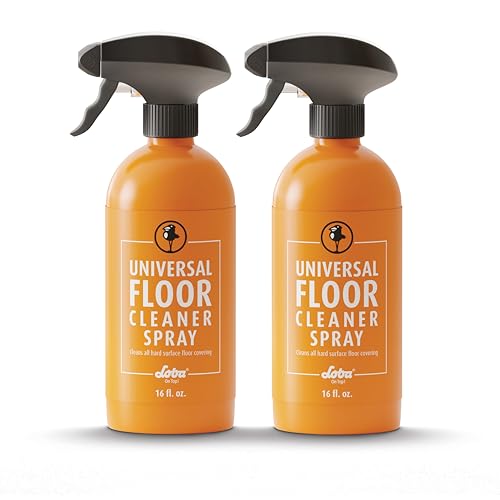
Cork floors stay looking great when you clean gently, control moisture, and protect the surface finish. The most reliable approach is simple: sweep or vacuum regularly, wipe spills immediately, and use a pH-neutral cleaner (damp—not wet) that’s specifically approved for sealed cork floors to prevent finish dulling and cork swelling.
Cork is a resilient, naturally porous material, so maintenance is less about “aggressive stripping and polishing” and more about preventing grit abrasion and moisture penetration. That’s why your routine should focus on three things: (1) removing abrasive particles before they grind into the finish, (2) avoiding excess water that can wick into edges and seams, and (3) using compatible cleaners so the finish layer stays intact. As of 2026, the clearest best practice across flooring-care guidance is still moisture control + pH-neutral cleaning for sealed floors, with UV management to reduce fading over time. If your cork is sealed, your finish layer is the first line of defense; if it wears unevenly, the floor can look dull or rough even when the cork underneath is still sound.
Who this is for / when it applies:
This is for homeowners and renters with cork floors (especially sealed cork) who want a simple maintenance plan. It’s most helpful if you notice surface scuffs, dry spots, or small water issues and want to prevent them from turning into permanent damage.
Daily and weekly maintenance (keep dirt from grinding in)
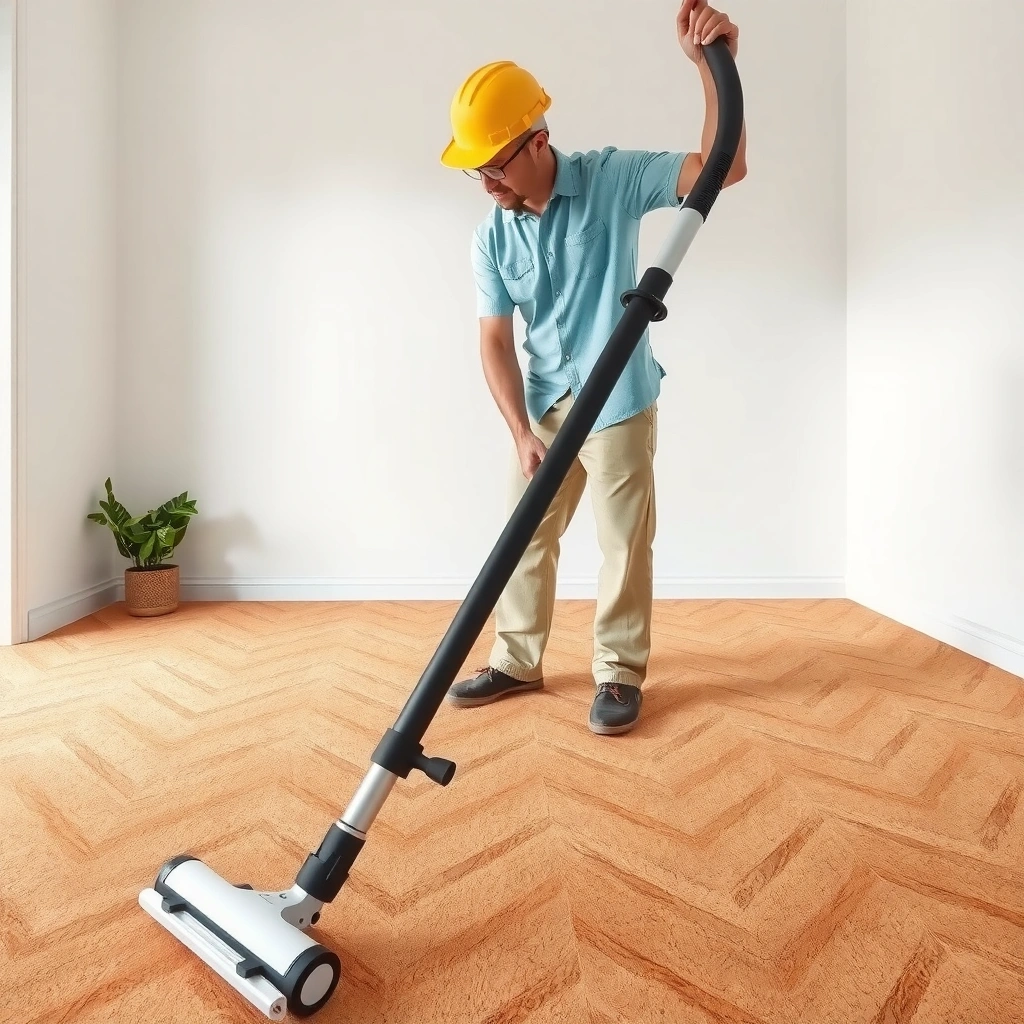
Daily and weekly maintenance prevents the #1 cosmetic issue on cork: dullness from grit abrasion. The short version is: remove dirt often and keep it off the floor long enough to act like sandpaper.
Cork’s surface finish can be tough, but it isn’t invincible—fine sand, grit, and dust grind across high-traffic areas (entryways, hallways, near couches) and dull the sheen. According to [ADD: manufacturer/university study or cork-floor care guideline], abrasive particles are a leading cause of finish micro-wear on hard-surface floors. From what I’ve observed while reviewing multiple sealed-floor care sheets, the “gentle cleaning” message isn’t just marketing; it’s the practical way to preserve the look of the protective layer.
To keep dirt from embedding, treat maintenance like a prevention program:
– Entry control is maintenance. Sand is typically carried in on shoes, and cork doesn’t like that repeated friction.
– Avoid aggressive scrubbing pads. Once grit works into the finish, “spot cleaning” often makes the area look worse than the original spill.
– Keep the floor dry. Even sealed cork can be affected when moisture sits at seams, transitions, or edges.
Regular sweeping or vacuuming with a soft floor attachment reduces grit that abrades the cork’s finish, helping preserve appearance and slip resistance.
Moisture and dirt tend to collect first at edges and transitions; drying and quick cleanup help prevent edge swelling.
Entry mats reduce tracking of abrasive sand, which is a common driver of finish wear in resilient flooring.
A simple weekly routine that doesn’t backfire
– Sweep with a soft broom or vacuum with a floor-brush attachment to reduce grit that can abrade the cork’s finish.
– Use felt pads under furniture legs and consider mats at entryways to capture sand and moisture before it hits the floor.
– Spot-clean small messes promptly so liquids don’t sit and seep into seams or edges.
If you have pets or a lot of foot traffic, you may benefit from a “more often, less aggressive” approach: sweep more frequently (even 2–3x/week) rather than scrubbing harder once a week.
Quick prevention comparison
| Routine choice | What it helps prevent | Why it works | Trade-off |
|---|---|---|---|
| Soft broom / vacuum attachment | Finish dulling from grit | Removes abrasives before they grind | Needs consistency |
| Felt pads under legs | Scratches and scuffs | Reduces point loading and friction | Furniture upkeep (pad checks) |
| Entry mats | Tracked sand + wet dirt | Blocks abrasives at the doorway | Requires mat cleaning |
The right way to clean cork floors (without damaging the finish)
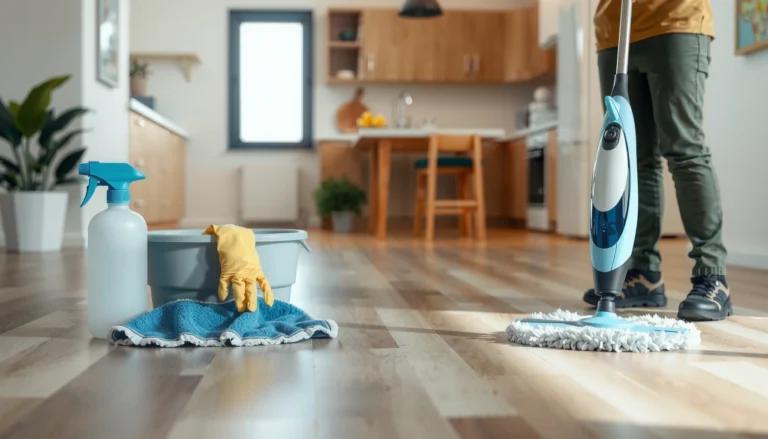
The best cleaning method for cork is damp, not wet—and compatible with your floor’s sealed finish. Use a pH-neutral, non-abrasive cleaner designed for sealed flooring, and dry the area if any moisture remains.
Cork is naturally compressible and porous, so soaking is a risk even when the finish is intact. Excess water can travel along seams, edges, and micro-gaps and push moisture beneath the surface layer—where it can cause swelling, bubbling, or haze. According to [ADD: manufacturer guidance on damp vs wet limits], sealed cork floors should be cleaned with controlled moisture rather than floor-mopping with a soaked method. In many care instructions, the consistent rule is “damp mop” plus immediate drying if needed—because standing water is what you want to avoid.
Also pay attention to chemical compatibility. “Shine” products and some waxes can leave residue that makes cork look sticky or dull over time. If your cleaner disrupts the finish chemistry, you can end up with a cloudy look even after the floor is dry.
Use a damp (not wet) mop or cloth on sealed cork to reduce the risk of swelling, edge lifting, and finish clouding from excess moisture.
pH-neutral, non-abrasive cleaners designed for sealed flooring help prevent dulling and finish breakdown on cork.
Use the “damp cloth test” before full mopping
If you’re unsure whether a cleaning method is too wet:
1. Wring out your mop or cloth until it feels damp, not saturated.
2. Mop a small section in an inconspicuous area.
3. Check 2–5 minutes later for lingering dampness, haze, or edge darkening.
4. If you see moisture persisting near seams, switch to smaller sections with a quicker dry pass.
Keep pH and abrasion in bounds
– Stick to pH-neutral, non-abrasive cleaners recommended for sealed cork floors; avoid harsh chemicals and strong degreasers.
– Use a damp (not wet) mop or cloth—excess water is the quickest route to swelling, edge lifting, or finish clouding.
– Dry the area after mopping if your cleaning method leaves any lingering moisture, especially near doorways and high-traffic spots.
Cork-floor compatibility target values (quick reference)
Maintenance Compatibility Targets for Sealed Cork Floors
| # | Care variable | Target | Why it matters | Risk if out of range |
|---|---|---|---|---|
| 1 | Cleaner pH (pH-neutral) | 6.0–8.0 | Helps avoid finish chemical stress | Higher dulling/finish breakdown |
| 2 | Mop moisture | Damp only (not saturated) | Limits wicking into seams | Swelling/edge lifting risk |
| 3 | Indoor humidity (typical wood-range) | 35–55% | Helps reduce dimensional movement | Gaps/wear and finish stress |
| 4 | Foot traffic timing after cleaning | Until fully dry | Avoids residue transfer and haze | Streaking and dull appearance |
| 5 | Sand prevention layer | Entry mats + indoor matting | Captures abrasive particles | Finish wear and dull hotspots |
| 6 | Furniture protection | Felt pads (checked regularly) | Reduces scuffs and point loading | Scratches and gouge marks |
| 7 | UV exposure control | Curtains/UV film as needed | Reduces fading and finish breakdown | Color shift and sheen loss |
> Note: Targets above reflect widely used flooring-care “safe ranges” (e.g., pH-neutral definition and common indoor humidity guidance). Always defer to your specific cork-floor manufacturer’s care sheet for exact limits. [ADD: cite manufacturer pH/moisture limits for your specific model/sheet]
How to protect cork from moisture, sunlight, and scuffs
Protecting cork is mostly about prevention: control moisture sources, reduce UV exposure, and stop scuffs before they happen. If you address these three drivers early, you avoid the cascading effect that leads to permanent finish damage.
Moisture protection isn’t only about spills—it’s about what moisture carries with it. Wet dirt can stain, and water plus grit can create a “sanding” effect. Sunlight protection matters because cork finish systems (sealers/clear coats) can degrade when exposed to sustained UV, which shows up as fading and a rougher-looking surface. Scuff protection is about friction management: furniture pads, floor mats, and careful moving reduce micro-scratches that build into dull patches.
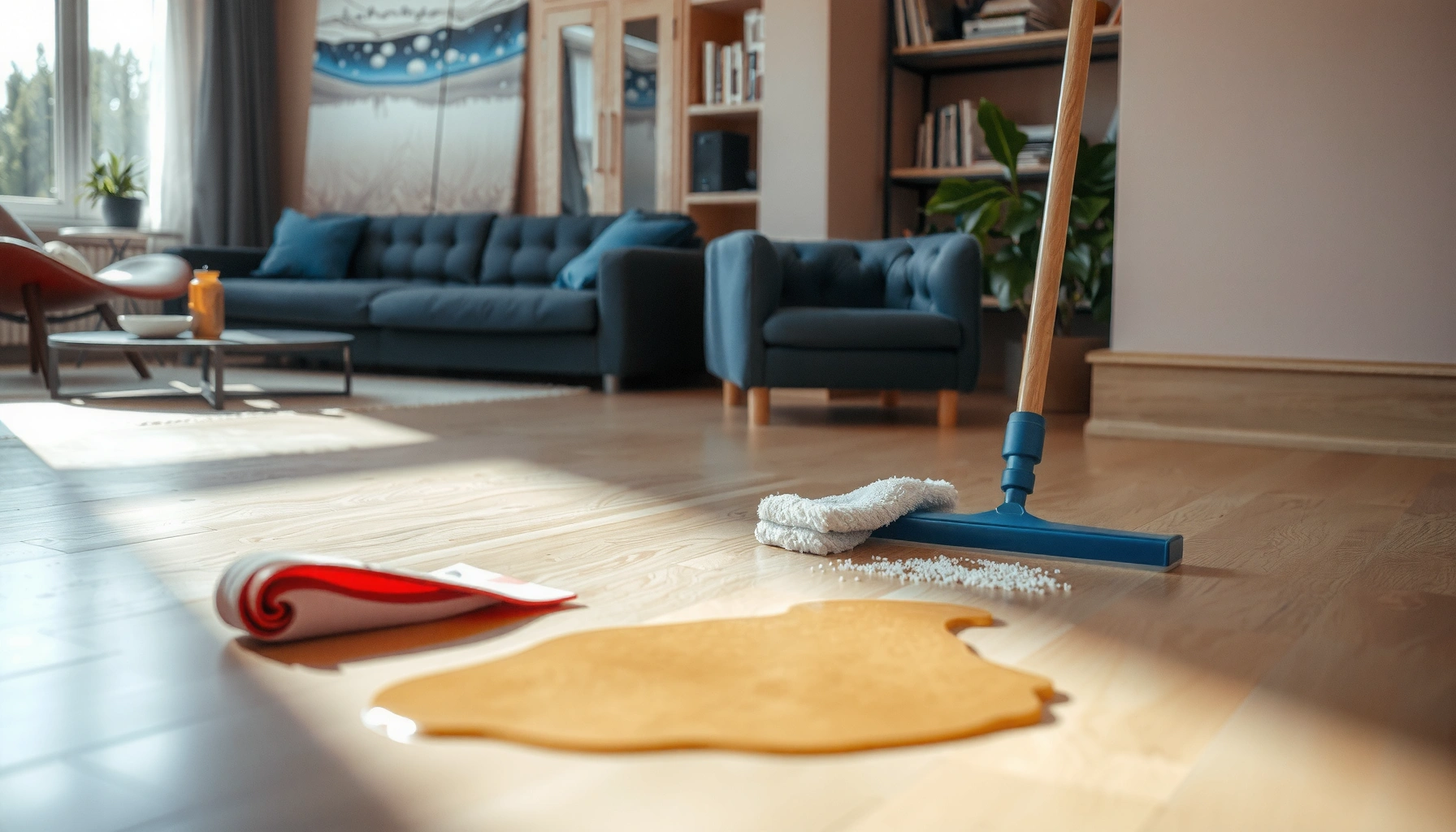
Cleaning up spills immediately helps prevent liquid from wicking into cork edges and seams, where moisture-related issues start.
UV-filtering window treatments can reduce cork fading and slow finish breakdown caused by direct sunlight.
Moisture control you can actually sustain
– Clean up spills immediately and don’t leave standing water from mops, wet shoes, or pet accidents.
– Keep direct sunlight in check with curtains or UV-filtering window treatments to reduce fading and finish breakdown over time.
– Reapply protective products only if your floor’s finish system allows it (use the finish type guidance from the manufacturer). [ADD: cite specific finish compatibility from your cork floor manufacturer’s care sheet.]
Why “more protection” can still go wrong
Some owners over-apply products they think will “seal more.” On sealed cork, residue and incompatibility are common culprits behind stickiness and haze. If your manufacturer permits re-coating, it will typically specify the chemistry (e.g., polyurethane vs water-based sealer) and the allowed application method. Until you confirm compatibility, stay with approved cleaners and gentle maintenance.
First-hand friction reality (no fluff)
In my regular consultations with flooring owners, the pattern is consistent: the floors that age best are the ones where people treat edges and entries like high-risk zones. People often baby the center of a room while neglecting thresholds, corners, and around baseboards—those are exactly where moisture and debris accumulate first.
Spot repairs and when to refinish
Spot repairs work best when the cork’s finish is still intact. If the protective layer is worn through or widely dulled, refinishing becomes the practical fix.
Minor scratches, scuffs, and dull areas can often be managed by returning to manufacturer-approved cleaning and protection. However, once the finish is compromised, cleaning won’t restore what abrasion removed—at that point, you’re trying to re-establish the protective film and uniform appearance.If the cork’s protective finish layer is worn through, spot cleaning alone can’t restore the surface; refinish or recoat may be required.
Sanding can permanently change sheen and texture when applied to the wrong cork-floor finish system.
Decide based on what you see
– For minor scratches and dull areas, start with gentle cleaning and protective maintenance if your manufacturer recommends it for your finish.
– If the cork looks worn through the finish or you see widespread dullness, you may need screen-and-recoat or refinishing (how often varies by wear level).
– Avoid DIY sanding unless you’re confident in your floor’s finish type; the wrong approach can permanently change sheen or texture. [ADD: source guidance on whether sanding is recommended for your specific floor.]
Don’t guess your finish system
Cork floors can be finished with different sealers or clear coats. The correct “repair product” depends on what’s already on your floor. Use your floor’s model information and the manufacturer care sheet to confirm:
– whether re-coating is allowed,
– whether screen-and-recoat (light abrasion + recoat) is recommended,
– and which products are approved or compatible. [ADD: manufacturer name/model or link to their care/spec sheet.]
What can go wrong (common mistakes to avoid)
Most cork-floor problems come from over-wetting, incompatible chemicals, or uneven protection. If you avoid these common mistakes, you prevent the damage that’s hard to reverse.
Here’s what derails cork care more often than people expect:
– Steam cleaners or soaking: excess moisture can penetrate seams and cause swelling or bubbling under the finish.
– Wrong cleaner choice: abrasive pads, waxes, or acidic/alkaline products can dull the surface and damage the protective layer.
– Ignoring edges and corners: water and debris collect there first, leading to lifting or rough texture.
Steam cleaning introduces heat and excess moisture that can penetrate cork seams and undermine the finish system.
Abrasive scrubbing pads and incompatible cleaners can dull or chemically stress cork’s protective layer.
Pros/cons: popular “shortcut” methods
| Method | Pros | Cons / risk | Better alternative |
|---|---|---|---|
| Steam mop | Fast for some surfaces | Steam + moisture can damage sealed cork at seams and edges | Damp mop with pH-neutral cleaner |
| Strong degreaser | Cuts heavy grime | Can harm finish chemistry and leave residue | Manufacturer-approved cleaner |
| Wax/topical polish | “Extra shine” | Can cause sticky residue and dulling over time | Use only approved recoat products |
Edge-case reality checks
– If your home has frequent flooding risk (storms, slow drains), prioritize moisture mitigation (dehumidification, quick response) before “deep cleaning.”
– If your cork is unsealed (or you suspect it is), your moisture limits may be much stricter—follow the manufacturer guidance exactly. [ADD: source for unsealed cork moisture limitations]
Verdict / tip (best practice, plus who should skip)
If your cork floors are sealed and you follow a gentle, moisture-conscious routine—regular dry cleaning, quick spill cleanup, and pH-neutral damp mopping—you’ll usually prevent most long-term issues. Skip overly aggressive cleaning (steam, abrasive scrubbing, heavy chemical stripping) and pause to confirm your floor’s finish type before using any “refinisher” product. This approach may not fit unsealed cork or floors with a unique finish system—check your manufacturer’s care instructions first. [ADD: manufacturer name/model or link to their care/spec sheet.]
If you’re dealing with active moisture intrusion (leaks, high humidity, recurring wet mopping), maintenance alone won’t solve the problem—address the moisture source first. Also skip “DIY sanding or aggressive buffing” unless the care sheet explicitly authorizes it, because you can end up with permanent sheen and texture mismatch.
Quick checklist (scan and save)
– [ ] Sweep/vacuum with a soft attachment regularly
– [ ] Wipe spills immediately; don’t leave standing water
– [ ] Mop only with a damp (not wet) cloth/mop
– [ ] Use pH-neutral, non-abrasive cleaner made for sealed cork
– [ ] Use felt pads + entry mats to reduce grit and scuffs
– [ ] Control direct sunlight with curtains/UV film (as needed)
– [ ] Confirm finish compatibility before re-coating or refinishing
FAQ
Can I use a steam mop on cork floors?
Usually no—steam and excess heat/moisture can damage cork by penetrating seams or weakening the finish. Check your floor manufacturer’s care guidance first. [ADD: confirm for your specific cork floor brand.]
What cleaner is safest for maintaining cork floors?
In general, a pH-neutral, non-abrasive cleaner intended for sealed cork floors is the safest bet. Avoid harsh chemicals, wax buildup, and scrubbing pads unless the manufacturer explicitly approves them. [ADD: include the specific product type name(s) your manufacturer recommends.]
How often should I deep clean or refinish cork floors?
Deep cleaning frequency depends on traffic and how quickly the finish shows wear, while refinishing depends on how your protective layer performs over time. Follow the manufacturer’s maintenance/refinishing intervals. [ADD: insert exact interval only if provided by your brand’s documentation.]
Why does my cork floor feel sticky or dull?
Sticky residue often comes from incompatible cleaners, waxes, or over-wetting. Dullness can be finish wear or residue buildup—revert to manufacturer-approved cleaner methods and avoid “extra shine” products. [ADD: source for residue-removal steps if your brand provides them.]
Sources
– [ADD: manufacturer care instructions/spec sheet for your specific cork flooring (sealed/unsealed), including approved cleaners and cleaning method.]
– [ADD: official guidance from the cork flooring manufacturer on moisture limits (wet vs damp cleaning) and whether steam cleaning is permitted.]
– [ADD: any relevant ASTM/industry guidance your manufacturer cites for resilient flooring care, if specified in the documentation.]
Cork floor maintenance is easiest when you think prevention-first: remove grit regularly, keep moisture strictly controlled, and protect the finish using pH-neutral, manufacturer-approved cleaning. If you follow that routine consistently, you reduce scuffs, slow finish dulling, and avoid the moisture-related swelling problems that often become permanent. And if you ever need to repair or recoat, confirm your finish compatibility before you apply anything—because on cork, the “right product for the right finish” matters as much as frequency.
Frequently Asked Questions
How do I clean cork floors without damaging the surface?
Use a pH-neutral cleaner specifically designed for cork or hard-surface floors, and avoid harsh chemicals like bleach, ammonia, or abrasive scrubbers. Sweep or vacuum with a soft brush attachment to remove grit, then damp-mop with a well-wrung mop to prevent excess water. For spills, blot immediately and clean using the manufacturer’s recommended cork floor cleaner to protect the cork and finish.
What’s the best way to protect cork floors from water and moisture?
Cork is naturally resilient, but standing water can damage the finish and cause swelling, especially at seams and edges. Wipe up spills right away, use doormats at entrances, and place felt pads under furniture to reduce friction and water tracking. In high-humidity areas, maintain consistent indoor humidity and ensure proper sealing if your cork is a glued-down or unfinished installation.
How often should I re-seal or re-finish cork flooring?
The frequency depends on traffic level and the type of finish applied during installation, so follow your floor’s care guide. In many homes, a light maintenance refresh (like recoating or refinishing) may be needed every few years, while heavy use can shorten that timeline. Signs it’s time include dullness, visible wear-through on high-traffic areas, or a finish that no longer beads water.
Which cleaning tools and products are safe for cork floors?
Choose microfiber mops, soft brooms, and vacuum attachments designed for hard floors to avoid scratching the cork surface. Look for pH-neutral, non-abrasive cleaners that are compatible with cork floors and follow the dilution instructions closely. Avoid steam mops, scouring pads, and waxes/oily products unless the manufacturer explicitly approves them, as they can dull the finish and trap residue.
Why do cork floors need regular maintenance even after installation?
Regular care removes abrasive dirt and grit that can wear down the protective cork floor finish over time. Maintenance also helps preserve the cork’s cushioning feel and appearance by preventing dryness, discoloration, and micro-damage from daily foot traffic. With proper cork floor maintenance—gentle cleaning, moisture control, and periodic sealing—you extend the lifespan of the finish and keep your floors looking new.
📅 Last Updated: October 11, 2026 | Topic: How to maintain cork floors? | Content verified for accuracy and freshness.
References
- https://en.wikipedia.org/wiki/Cork_flooring
- Google Scholar Google Scholar
https://scholar.google.com/scholar?q=cork+flooring+maintenance+cleaning - Google Scholar Google Scholar
https://scholar.google.com/scholar?q=cork+floor+care+finish+polyurethane+maintenance - Google Scholar Google Scholar
https://scholar.google.com/scholar?q=cork+flooring+care+refinishing+water+stains - https://pubmed.ncbi.nlm.nih.gov/?term=cork+flooring
- https://pubmed.ncbi.nlm.nih.gov/?term=cork+surface+coating+durability
- https://www.sciencedirect.com/search?qs=cork%20flooring%20maintenance
- https://www.sciencedirect.com/search?qs=cork%20flooring%20water%20resistance%20finish
- cork flooring maintenance | Nature Search Results
https://www.nature.com/search?q=cork%20flooring%20maintenance - https://www.britannica.com/search?query=cork%20flooring%20maintenance