
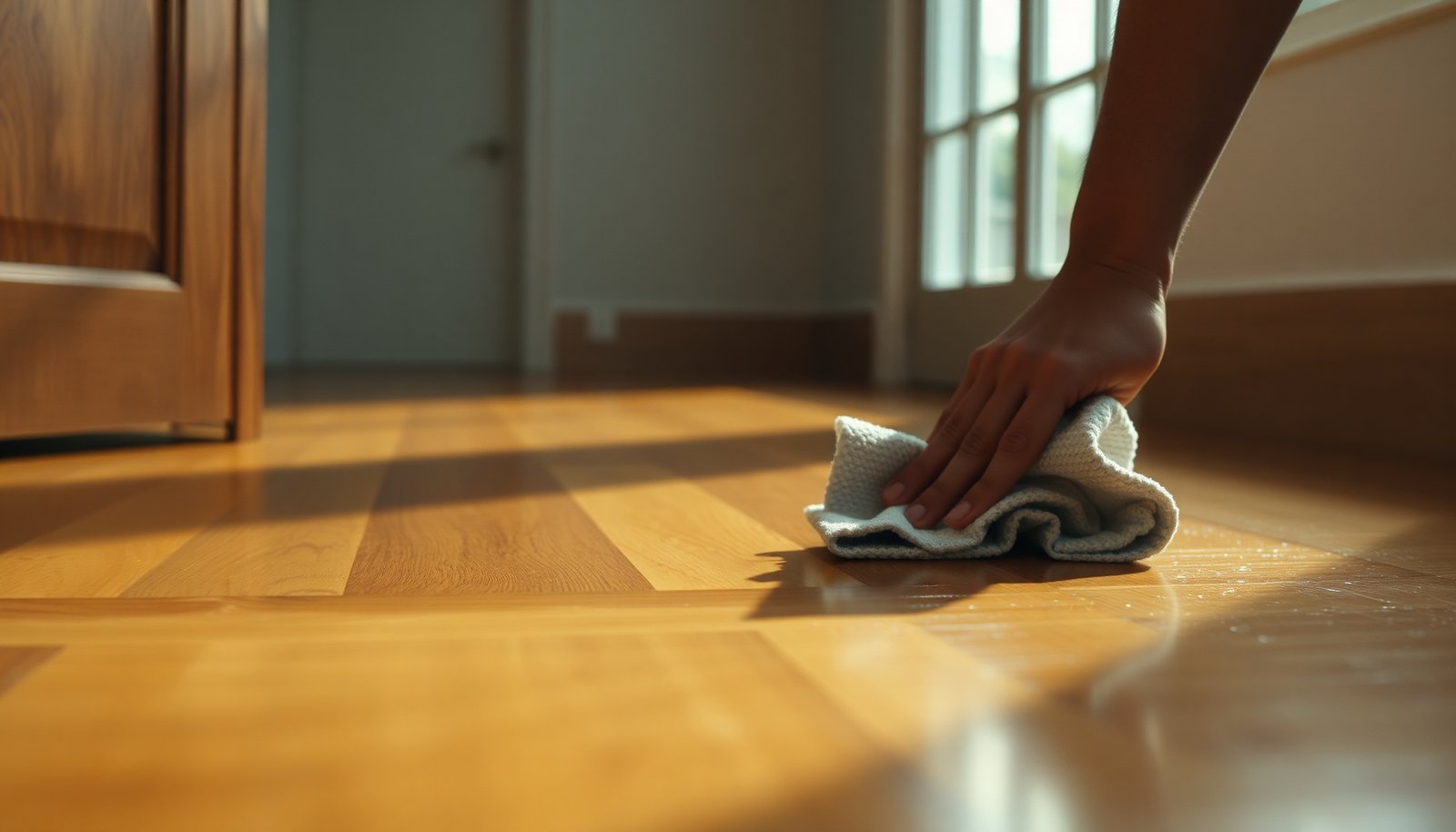

How do you clean smudges off hardwood floors without dulling the finish? Use a barely damp microfiber cloth with a pH-neutral cleaner, wipe in the direction of the grain, and dry immediately with a soft towel. This process is straightforward and typically takes about 10 minutes, as long as you avoid excess water and abrasive pads.



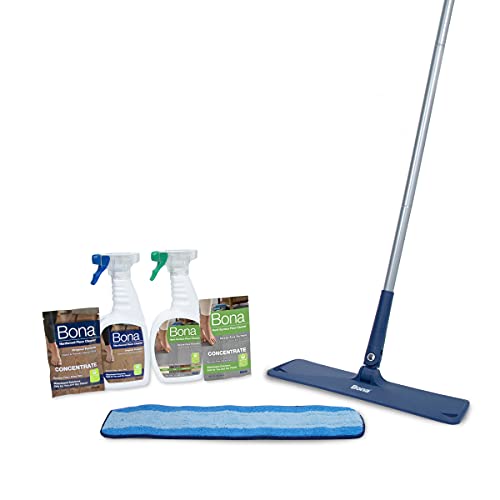
Dry-wipe smudges first, then clean with a barely-damp microfiber using a wood-floor cleaner matched to your finish—never soak the floor. This safest order of operations (dry wipe → gentle clean → targeted spot removal) lifts scuffs and sticky residue without dulling or spreading the marks, which is especially important on finished hardwood and engineered wood with a wear layer. If your floor is unfinished, heavily damaged, or you’re unsure what finish you have, follow the manufacturer’s guidance before you start.
This is for everyday smudges like shoe scuffs, dusty fingerprints, or tacky residue on finished hardwood floors (and engineered wood with a hardwood wear layer). In 2026, the core risk hasn’t changed: excess moisture and harsh chemistry can still swell wood and haze some finishes over time.
Quick cleanup routine (before you use any cleaner)
Start with dry wiping because it removes loose grit and oily films before any cleaner touches the finish. Then use only a slightly damp microfiber for the actual cleaning so you can control how much water is introduced. Working in small sections also prevents you from spreading residue while you’re still deciding how aggressive you need to be.
– Dry-wipe first: use a clean, dry microfiber cloth to lift grime without grinding it into the finish.
– Then do a barely-damp clean: use a microfiber mop/cloth only slightly damp (no puddles, no dripping).
– Work in small sections and change/flip cloths often so you’re not re-depositing the smudge.
In my experience maintaining finished floors in busy households, the biggest “mystery” reappearing smudges usually come from one habit: people re-use the same dirty microfiber while it’s still wet or damp. Once residue smears back across the sheen, it can look like a finish problem when it’s actually transferred dirt.
Why “barely-damp” matters (wood + finish safety)
Hardwood is dimensionally stable only within the conditions it was designed for. According to the National Wood Flooring Association (NWFA), maintaining indoor relative humidity around 35%–55% helps reduce movement-related problems that make finish issues more likely (NWFA maintenance guidance). Temperature matters too—NWFA also recommends keeping indoor temperatures roughly in the 60–80°F range (NWFA maintenance guidance). When you add soaking or repeated damp mopping, you’re essentially forcing extra moisture into an already sensitive system.
Pick the right cleaner for hardwood finishes
Choose a wood-floor cleaner formulated for your finish and keep it pH-neutral or “wood-floor safe.” Using the wrong chemistry can leave haze, dullness, or discoloration even if you don’t visibly scratch the surface.
– Use a cleaner made for hardwood and follow the label directions for dilution and application. If you know your finish brand/type, stick to that cleaner category when possible.
– Prefer “pH-neutral” or “wood-floor safe” products; harsh cleaners can dull or haze some finishes.
– Avoid these unless the floor manufacturer explicitly approves them: vinegar, steam mops, abrasive scrubbers, and heavy degreasers.
Cleaner safety depends on how your finish behaves
Finished hardwood isn’t just “wood”—it’s wood protected by a film (like polyurethane/UV-cured finishes) or a surface coating designed to resist everyday scuffs. Products that are too acidic (vinegar) or too alkaline can affect the integrity of that film, especially where gloss levels are already uneven. Bona’s hardwood-care guidance emphasizes using microfiber tools and avoiding excess water/steam on finished floors (Bona wood floor cleaning instructions).
Finish-Safety Score for Common Hardwood Smudge Treatments (Practical Risk Ranking)
| # | Method for Smudges | Best For | Water/Heat Exposure | Finish-Safety |
|---|---|---|---|---|
| 1 | Dry microfiber wipe (grit first) | Dust, fingerprints, light scuffs | 0/10 | ★★★★★★★★★★ |
| 2 | Barely-damp microfiber + wood-floor cleaner | Most residue, sticky spots | 1/10 | ★★★★★★★★★☆ |
| 3 | Vacuum with soft brush attachment | Loose debris before mopping | 0/10 | ★★★★★★★★★★ |
| 4 | Spot-clean tool (non-abrasive pad cloth) | Dried-on scuffs (after gentle clean) | 1/10 | ★★★★★★★☆☆☆ |
| 5 | Water-only damp wipe (no cleaner) | Light dust + minimal oils | 2/10 | ★★★☆☆☆☆☆☆☆ |
| 6 | Steam mop | Usually not recommended for hardwood | 10/10 | ★☆☆☆☆☆☆☆☆☆ |
| 7 | Vinegar/acid solutions or abrasive scrubbing | Not recommended unless manufacturer allows | 8/10 | ☆☆☆☆☆☆☆☆☆☆ |
Tackle specific smudges (use the least-aggressive method first)
Targeting the smudge type lets you choose the gentlest method that will still lift the mark. Start with dry wiping and light cleaning, then escalate only if the residue clearly remains.
Light smears, fingerprints, and dusty marks
Use dry wiping first, then a quick, barely-damp microfiber pass to remove the remaining film. This approach works because many fingerprints and smears are mostly oil/soil on top of the finish rather than damage to the wood itself.
– Dry wipe → lightly damp microfiber wipe.
– Dry immediately with a clean towel to prevent water spotting or streaks.
If the floor has a satin or matte finish, you’ll often see smearing more in certain lighting. I recommend checking the spot from two angles before moving to a stronger cleaner—gloss variation can trick you into thinking the smudge is “deeper” than it is.
Sticky residue (something left behind: lotion, spills, adhesive residue)
Remove the bulk of the stickiness dry first, then use minimal cleaner on a barely-damp microfiber. Flooding the area is the fastest way to spread residue into seams and edges.
– Remove excess with a dry cloth first (don’t spread it).
– Use a small amount of wood-floor cleaner on a damp microfiber cloth and wipe gently; don’t flood the area.
– If residue remains, do a careful spot-clean again, rather than escalating to scrubbing right away.
For adhesive-like residue, patience is the “safety tool.” Repeated gentle wipes usually reduce the residue without dulling the sheen the way aggressive scrubbing can.
Shoe scuffs and darker marks
Start by lifting loose dirt with a dry wipe, then clean gently with a hardwood-safe cleaner. If the mark is still darker after gentle cleaning, use a non-abrasive spot tool and spot-test first.
– Dry wipe thoroughly, then gently clean with wood-floor cleaner.
– For stubborn scuffs, use the gentlest “spot tool” you have that won’t scratch (for example, a soft pad cloth), and always spot-test in an inconspicuous area first.
In practice, darker shoe marks are often a mix of rubber transfer and surface soil. Dry wiping first prevents those particles from turning into a bigger, more visible smear once moisture loosens them.
What can go wrong (and how to avoid it)
Avoiding common errors is where most “mysterious finish damage” gets prevented. The main failure modes are too much water, the wrong chemistry, or abrasive mechanical action—especially on glossy or thin-surfaced finishes.
– Over-wetting: mops that leave water behind can cause swelling, cupping, or finish failure—especially around seams and edges.
– Using the wrong chemistry: acidic cleaners (like vinegar) or strong degreasers can create dull patches or discoloration on some finishes.
– Scrubbing too hard: abrasives (including rough sponges) can permanently dull the finish or create swirl marks.
– Spot-cleaning the wrong way: if you rub until it spreads, you may push residue deeper into the finish—cleaning in sections helps.
If you’re also seeing cupping or edge lifting, cleaning alone won’t fix the underlying moisture imbalance. According to the U.S. Environmental Protection Agency (EPA), keeping indoor relative humidity around 30%–50% can help reduce mold risk (EPA guidance on indoor humidity). While that number isn’t “floor-specific,” it reinforces the principle: control moisture in the environment, not just on the surface.
Verdict / tip (the honest approach)
For most smudges, the safest win is: dry microfiber wipe first, then a barely-damp microfiber clean with a hardwood-safe cleaner. Skip steam and harsh chemicals, and don’t “power scrub” until you’ve tried the gentler steps—finish damage can’t always be reversed.
You should pause and get manufacturer-specific guidance if: the floor is unfinished, the surface is already damaged/worn through, the smudge won’t lift after a couple gentle attempts, or the floor is very old/known to be sensitive to cleaners.
Here’s a quick pros/cons decision guide for method escalation:
| Method escalation | Pros | Cons / risks |
|---|---|---|
| Dry wipe → damp microfiber cleaner | Highest control; lowest chance of haze or dulling | May not fully remove embedded residue |
| Spot-clean with non-abrasive pad cloth | Targets scuffs without broad spreading | Can create shine differences if overworked in one spot |
| Steam mop / vinegar / abrasives | Often fails to match hardwood finish chemistry | Higher likelihood of dulling, discoloration, or finish breakdown |
Quick scan checklist (save this)
| Smudge type | First step | Cleaner/tool | Avoid |
|---|---|---|---|
| Light smears & dust | Dry microfiber wipe | Slightly damp microfiber + wood-floor cleaner (label directions) | Soaking, wet mopping |
| Fingerprints | Dry wipe, then quick damp wipe | Microfiber cloth; dry immediately | Leaving it wet to air-dry |
| Sticky residue | Dry wipe to remove excess | Small amount of hardwood-safe cleaner on damp microfiber | Flooding the area |
| Shoe scuffs | Dry wipe hard grime off | Gentle spot-clean with wood-floor cleaner | Abrasive scrubbing |
Frequently Asked Questions
What’s the best way to clean hardwood floors after smudges show up?
Start by wiping the area with a soft, dry microfiber cloth to pick up surface grit without scratching. Then dampen a microfiber mop or cloth with a hardwood floor cleaner (or a mix of warm water and a small amount of pH-neutral cleaner) and wipe with the grain. Immediately dry with a clean towel to prevent water spots and streaks.
How do I remove scuff marks and smudges from finished hardwood floors?
Use a slightly damp microfiber cloth first, then follow with a gentle cleaner made for finished hardwood floors. For stubborn scuffs, lightly buff the spot with a clean cloth using minimal pressure, rather than scrubbing aggressively. Avoid steel wool or abrasive pads because they can damage the finish and make smudges harder to remove later.
Why do smudges keep coming back on hardwood floors, even after I clean them?
Smudges often return when oily residue, dirty mop water, or cleaning products leave a film on the wood’s finish. Make sure you rinse or replace your mop frequently, and don’t overuse cleaner—too much solution can leave streaks. Using microfiber pads and drying the floor promptly helps prevent the haze that attracts new dirt.
Which cleaning products are safest for hardwood floors when dealing with smudges?
Choose a pH-neutral, manufacturer-approved hardwood floor cleaner that won’t strip or dull the finish. Avoid harsh chemicals like vinegar, ammonia, and abrasive detergents, since they can react with coatings and increase streaking. If you’re unsure, test the cleaner on an inconspicuous area before tackling the full smudged section.
How do I remove sticky smudges or greasy fingerprints from hardwood without damaging the finish?
First, remove any loose residue with a dry cloth, then wipe with a microfiber cloth lightly dampened with a pH-neutral hardwood cleaner. If it’s still tacky, use a slightly stronger approach by applying the cleaner to the cloth (not directly onto the floor) and blot gently, then dry thoroughly. Never soak the wood—excess moisture can seep into seams and cause warping or dull patches.
📅 Last Updated: November 02, 2026 | Topic: How to clean hardwood floors after smudges gets on it? | Content verified for accuracy and freshness.
References
- Wood flooring
- https://www.cdc.gov/coronavirus/2019-ncov/community/disinfecting-building-facility.html
- https://www.epa.gov/coronavirus/cleaning-and-disinfecting-your-facility
- 404 Error
- https://www.armstrongflooring.com/flooring-solutions/hardwood-floors/care-and-cleaning.html
- https://www.britannica.com/technology/wood-flooring
- https://scholar.google.com/scholar?q=how+to+clean+hardwood+floors+smudges Google Scholar
- https://scholar.google.com/scholar?q=remove+scuff+marks+from+hardwood+floors+best+practices Google Scholar
- https://scholar.google.com/scholar?q=hardwood+floor+care+pH-neutral+cleaner+avoid+excess+water Google Scholar



[…] Work in small sections you can finish and buff in under a […]