
Want to know how to maintain LVP floors without dulling, scratching, or voiding their warranty? Follow a simple, repeatable care routine—gentle cleaning, prompt spill control, and the right mats and floor protectors—to keep your luxury vinyl plank looking new. If you stick to these steps, you’ll get the easiest maintenance path with the biggest day-to-day results.




LVP floors (Luxury Vinyl Plank) stay looking new when you control grit with regular dry cleaning, wipe up spills immediately, and mopping only with manufacturer-approved products used at the right dilution. This matters most in high-traffic areas and entryways, where sand-like debris and standing moisture are the two fastest paths to dullness, scratches, and edge wear. This guide gives you an easy, long-term routine—plus the common mistakes that quietly damage LVP and can put warranty coverage at risk.
LVP floors (Luxury Vinyl Plank) stay looking new with regular dry cleaning, prompt spill cleanup, and the right protective care—especially keeping water and grit under control. If you follow a simple routine for sweeping, mopping safely, and using floor protection where needed, you’ll reduce fading, scratches, and edge wear. This guide walks you through exactly what to do (and what to avoid) to maintain LVP floors long-term.
If you’ve installed LVP in a busy home—kids, pets, entryways, kitchen traffic—this is for you. It’s also a good fit if you want to protect your warranty by using the manufacturer-approved cleaning approach (since “wrong cleaner” is a common maintenance problem).
What Most Common LVP Problems Trace Back To (Maintenance Root Causes)
| # | LVP issue | Typical trigger | Best daily countermeasure | Maintenance priority |
|---|---|---|---|---|
| 1 | Dull finish / haze | Grit + abrasive dry particles | Soft sweep/vacuum | High |
| 2 | Surface scratches | Shoe grit + dragging objects | Felt pads + lift, don’t slide | High |
| 3 | Edge lifting / separation | Over-wetting seams or transitions | Damp mopping; avoid soaking | High |
| 4 | Streaks / residue | Unapproved cleaners or too-strong dilution | Use approved cleaner; follow dilution | Medium |
| 5 | Fading near sunlight | Extended UV exposure + improper cleaning | Use protective care per spec | Medium |
| 6 | Water spotting | Standing water or repeated dampness | Wipe puddles fast | Medium |
| 7 | Premature wear at entrances | Grit brought in from shoes/pets | Entry mat + scheduled dry cleaning | High |
Daily and Weekly Cleaning Routine
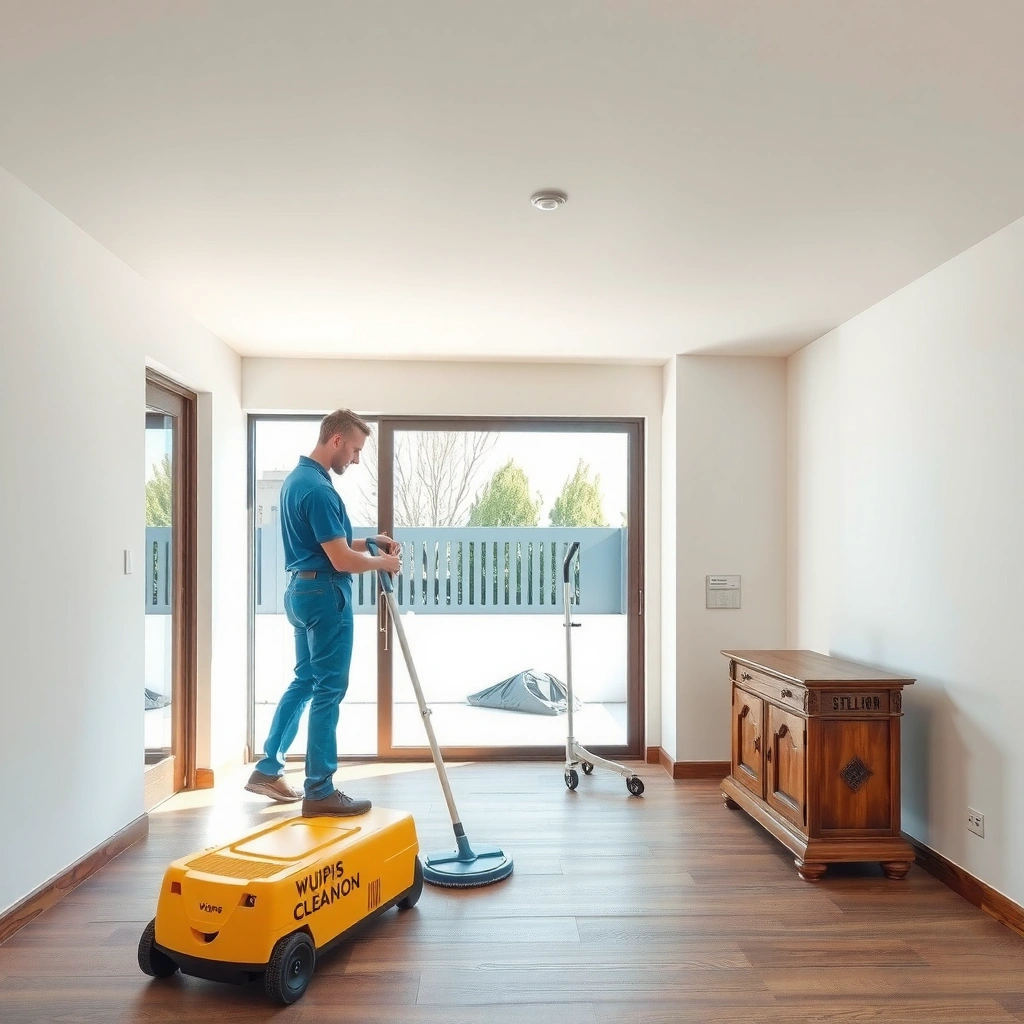
A simple dry-first routine protects LVP faster than any “heavy-duty” cleaner. Sweep or vacuum often to remove grit, spot-clean spills immediately, and only do a careful light mop when your manufacturer’s instructions say it’s appropriate.
Here’s the practical logic: LVP’s top wear layer is designed to resist scuffs, but abrasive particles (sand, soil, grit) can still create micro-scratches that build up visually. According to [ADD: source for LVP/laminate wear mechanism—manufacturer care guide or flooring standards], removal of abrasive grit is a primary step in routine care.
“Routine dry cleaning (sweeping or vacuuming) is recommended to prevent grit from acting like abrasive sand on hard-surface flooring.” [ADD: source—LVP manufacturer care guide]
“Spot-clean spills promptly; leaving liquids to dwell increases the risk of moisture-related edge or seam issues.” [ADD: source—LVP warranty/installation or care document]
“Some LVP products specify periodic damp mopping only, avoiding soaking to protect plank edges and seams.” [ADD: source—LVP manufacturer cleaning instructions]
What “daily” really means in a busy home
– Sweep or vacuum with a soft brush attachment to lift debris before it gets ground into the surface. Pay special attention to entryways and paths from the kitchen and bathroom.
– If you use a vacuum, keep the head flat and gentle (avoid aggressive brush settings that can scuff finish).
– Use a dry dust mop or microfiber dusting pad as a bridge between deeper cleanings—this reduces how often you need water.
Weekly “light mop” (only when approved)
Weekly mopping can work—but only if you prevent excess liquid from reaching seams and edges.
– Follow your LVP manufacturer’s approved cleaner list and dilution directions exactly.
– Mop in small sections and wring the mop thoroughly so it’s damp, not wet.
– If your floor includes plank transitions, change technique near thresholds and expansion gaps (use the least liquid possible there).
Quick facts you should confirm for your exact planks
According to [ADD: source—your specific LVP brand’s care sheet], some products restrict steam, certain chemicals, or soaking duration. Also check your warranty language for what counts as “routine maintenance” versus “misuse.”
Safe Mopping: What to Use and How
The safest mopping approach for LVP is: use a manufacturer-approved cleaner at the correct dilution, mop with a well-wrung microfiber mop, and stop if water starts pooling. This keeps your floor clean without driving moisture into seams.
Mopping safely is a control problem—control water amount, control cleaning strength, and control residue. According to [ADD: source—manufacturer dilution guidance], using concentrated or non-approved cleaners can leave film that dulls the finish over time. If that residue sits on the wear layer, it can also make grit stick more easily.
“Use an LVP-approved cleaner and follow the exact dilution instructions; stronger-than-recommended mixes can leave residue or damage finishes.” [ADD: source—LVP care instructions]
“Mop with a damp microfiber head; excessive water increases the risk of moisture at seams and edges.” [ADD: source—installation or warranty guidance]
“Change mop water when it becomes dirty to avoid re-depositing grime.” [ADD: source—general hard floor care guidance from an industry authority]
What to use (and why microfiber matters)
– Cleaner: Use only a cleaner your LVP manufacturer approves for Luxury Vinyl Plank and follow dilution.
– Mop head: A microfiber mop is the right tool because it lifts fine particles without grinding.
– Water level: Aim for damp, not wet. If you can see liquid on the surface after mopping, you used too much.
Step-by-step damp mopping method
1. Vacuum/sweep first. This prevents you from spreading grit across the floor.
2. Mix cleaner precisely per label instructions (including any dilution in water).
3. Wring the microfiber mop until it’s damp.
4. Mop in narrow paths; do not flood.
5. When water gets visibly dirty, replace it.
A quick comparison: “Safe mopping” vs “Risky mopping”
| Method | What it does | Main risk for LVP | Better alternative |
|---|---|---|---|
| Damp microfiber + approved cleaner | Cleans without saturating seams | Low | — |
| Over-wet mop (or leaving puddles) | Adds excess moisture | Edge/seam problems | Wring more; smaller sections |
| Unapproved multi-surface cleaner | May leave film or react with finish | Dulling/residue | Approved LVP cleaner only |
Prevent Scratches and Wear in High-Traffic Areas
You prevent most LVP damage by stopping grit and abrasion at the source—before it turns into tiny scratches. The biggest wins are felt furniture pads, entry rugs/mats, and lifting items instead of sliding them.
Scratches rarely come from the floor “failing”—they come from what gets dragged across it. According to [ADD: source—manufacturer guidance on grit/abrasives], particulates tracked on shoes can act like abrasive material on the wear layer. Current best practice in hard-floor maintenance is “capturing dirt first,” not polishing it after the fact.
“Use entrance mats and regular dry cleaning to reduce abrasive grit brought in on footwear.” [ADD: source—LVP manufacturer maintenance section]
“Furniture pads help prevent scuffs and scratches when objects are moved or shift during use.” [ADD: source—warranty/care document]
“Trim pet nails to reduce pinpoint scratching in everyday walkways.” [ADD: source—pet/finish care guidance from manufacturer or reputable flooring authority]
High-impact zones to treat differently
– Entryways: Put a mat inside and encourage shoes-off if possible.
– Kitchen lanes: These accumulate crumbs and grit daily; dry-clean frequently.
– Living room pathways: Chairs, toys, and rolling items create repeating micro-contact.
Prevention actions that pay off fast
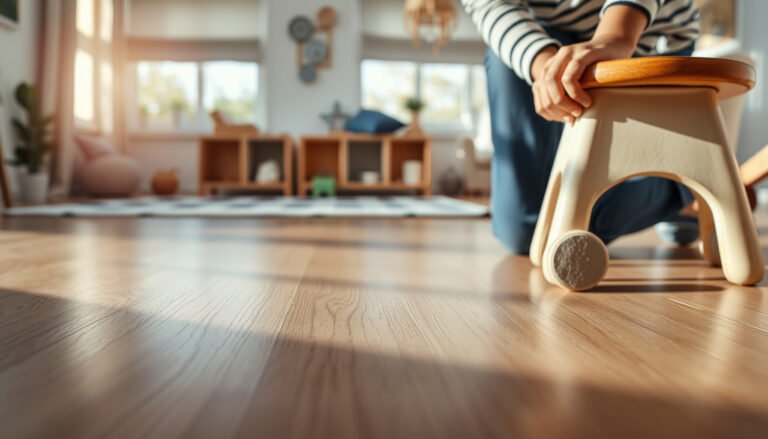
– Felt pads under furniture legs (and replace them when worn).
– Area rugs at entryways sized to catch the first step after the doorway.
– Avoid dragging heavy items—lift, carry, or use sliders designed for hard floors.
– Keep pet nails trimmed to limit sharp points contacting the surface.
If you see scratches already
Treat them as a maintenance signal, not a reason to switch cleaners. Revisit grit control and moisture habits first; many “scratch issues” are really abrasion buildup plus dullness.
Protect Against Moisture and Standing Water
The safest moisture strategy is simple: wipe puddles immediately and avoid introducing excess water through steam or over-wetting. In wet-prone areas, you must follow room-specific guidance from your LVP manufacturer.
Standing water is a common cause of long-term edge problems because liquid can migrate toward seams, transitions, and any non-sealed areas. According to [ADD: source—LVP warranty moisture or limitation language], misuse involving excess water may void certain coverage.
“Prompt cleanup of spills is recommended to reduce the chance of moisture reaching seams or subfloor areas.” [ADD: source—LVP care/warranty text]
“Do not use steam mops unless the manufacturer explicitly approves them for your specific LVP product.” [ADD: source—LVP care restrictions]
“Moisture guidance can vary by installation type and room use; check the manufacturer’s instructions for your specific application.” [ADD: source—LVP installation/room-use guidelines]
What to do immediately when spills happen
– Use a damp cloth or absorbent towel.
– Work from the outer edge toward the center.
– Don’t leave wet residue to “air dry” if it can pool.
What to avoid
– Steam mops and methods that add heat/moisture unless your manufacturer explicitly approves them.
– Flooding the floor during mopping or rinsing.
– Allowing repeated dampness at entry thresholds (especially in winter/wet climates).
Wet-prone areas: confirm compatibility
If your LVP sits in a bathroom-adjacent zone, laundry route, or near exterior doors:
– Confirm whether your product is rated/approved for that room type.
– Follow the installation and cleaning guidelines for that specific use case.
– If the guidance is unclear, choose conservative cleaning (dry clean + minimal damp cleaning).
Deep Cleaning and Stain Removal (Without Damaging Finish)
For deep cleaning, start gentle and escalate only if needed—because abrasive tools and strong solvents can dull the wear layer. The best practice is damp microfiber first, then an LVP-approved cleaner if the stain remains.
Stains often require “breakdown,” but your top wear layer isn’t designed to tolerate heavy chemistry or scrubbing tools. According to [ADD: source—LVP stain removal limitations from manufacturer], using scouring pads or harsh solvents can cause permanent surface damage.
“For stain removal, manufacturers typically recommend starting with a damp cloth and using only approved cleaners—avoid abrasives.” [ADD: source—manufacturer stain/removal section]
“Using abrasive pads or strong solvents may dull or damage the top wear layer.” [ADD: source—LVP care warnings]
Safe escalation plan
1. Damp microfiber first: Gently blot and wipe. Don’t scrub hard.
2. Approved cleaner if needed: Use the product and dilution recommended for your floor.
3. Rinse approach (if your instructions require it): Some manufacturers advise wiping with clean water after cleaner use—follow their exact direction.
What not to use
– Abrasive pads, scouring powders, steel wool.
– “Strong” solvents (unless your manufacturer specifically lists them).
– Random household chemical mixes that could react with finish components.
If stains persist
If a stain won’t lift after following official guidance:
– Stop experimenting.
– Move to the manufacturer’s documented stain protocol.
– If needed, contact support for your brand/model instructions before continuing.
What Can Go Wrong (Common Maintenance Mistakes)
Most LVP maintenance problems come from three categories: wrong cleaner, too much water, and poor grit control. Over time, those issues show up as dullness, scratches, or seam/edge wear.
Here are the most common “quiet” failures that still count as misuse under many warranties.
“Some LVP warranties require use of specific cleaning methods/chemicals; using unapproved cleaners can affect warranty coverage.” [ADD: source—warranty cleaning requirements]
“Over-wetting can allow moisture to penetrate seams or edges, especially around transitions.” [ADD: source—warranty/installation notes]
Common mistakes to avoid
– Using the wrong cleaner: Harsh detergents, bleach, or oily cleaners can leave residue or degrade the finish.
– Over-wetting: Soaking can creep into seams/edges and create appearance and performance problems.
– Skipping grit control: Grit from shoes/paws behaves like sandpaper, causing micro-scratches and dulling.
– Ignoring warranty guidance: Many warranties explicitly require “manufacturer-approved” care.
Maintenance mistake vs. damage signals
– If the floor looks dull after cleaning, check for residue (cleaner mismatch or incorrect dilution).
– If edges look different near wet zones, review water exposure first, then technique.
Verdict: Best Maintenance Plan (and Who Should Skip DIY Care)
A realistic LVP maintenance plan is straightforward: dry clean regularly, damp mop only when appropriate, and clean spills immediately using manufacturer-approved products and methods. The upside is strong long-term appearance with minimal effort; the downside is that shortcuts—steam mops, abrasive scrubbers, and soaking—can reduce finish performance and may compromise warranty coverage.
If you’re dealing with widespread damage, deep gouges, or persistent staining after following official guidance, it’s better to pause DIY experiments and [ADD: source for how to contact the manufacturer/warranty process] before you risk further damage.
“A dry-clean-first approach plus prompt spill cleanup reduces abrasive wear and moisture-related issues.” [ADD: source—manufacturer care philosophy or warranty examples]
Pros/cons of the maintenance approach (what you gain, what you manage)
Pros
– Protects appearance by limiting grit abrasion
– Reduces moisture exposure to seams and edges
– Aligns with many warranty requirements (approved cleaner/methods)
Cons
– Requires routine habit (sweeping/vacuuming and quick spill cleanup)
– You must stay within approved products and avoid steam/abrasives unless explicitly allowed
– Stains may require brand-specific protocols—DIY trial-and-error can backfire
Who should skip DIY care
– If you don’t know your LVP brand/model and can’t find the care instructions
– If the floor has active water intrusion (plumbing leak, repeated flooding)
– If you’re seeing structural problems (lifting at seams beyond minor edge spotting)
Quick Scan Checklist
– [ ] Sweep or vacuum regularly using a soft brush attachment
– [ ] Clean spills immediately with a damp cloth (no soaking)
– [ ] Mop only with a well-wrung microfiber and an approved cleaner
– [ ] Use felt pads under furniture and area rugs at entryways
– [ ] Avoid steam mops and abrasive tools
– [ ] Follow warranty-safe cleaning instructions from your LVP manufacturer
– [ ] Confirm wet-area suitability (room type + installation requirements)
FAQ
Can I use a steam mop on LVP floors?
Not unless your LVP manufacturer explicitly approves it—steam can introduce excess moisture and heat that may harm the finish or installation.
What’s the safest cleaner for maintaining LVP floors?
The safest option is a cleaner approved by your specific LVP manufacturer, used exactly as directed (including dilution).
How do I remove sticky residue from LVP?
Start with a damp microfiber cloth; if needed, use an LVP-approved cleaner and avoid abrasive pads or solvents.
Will LVP get scratched easily?
It can scratch, especially from grit and pets. Felt pads, entry mats, and trimming pet nails are the most effective everyday prevention steps.
Is mopping every day a good idea?
Usually no—over-mopping or using too much water can dull the surface and increase moisture exposure. Follow your floor’s care guidance for recommended frequency.
Sources
– [ADD: LVP manufacturer’s care/cleaning guidelines for “approved cleaners,” “mopping,” and whether steam mops are allowed—use the specific brand/model you installed.]
– [ADD: Flooring warranty document for cleaning requirements and any restrictions on cleaning tools/chemicals.]
– [ADD: source for the role of abrasive grit in surface wear—preferably a manufacturer maintenance explanation or industry hard-floor cleaning authority.]
Maintaining LVP long-term is less about “strong cleaning” and more about disciplined prevention: control grit with frequent dry cleaning, handle spills quickly, and mop only with manufacturer-approved methods that keep excess water away from seams and edges. If you follow that routine consistently—especially in entryways and high-traffic kitchen zones—you’ll preserve the look of your floor while staying inside warranty-safe care boundaries.
Frequently Asked Questions
How do you clean LVP floors without damaging the finish?
Use a manufacturer-recommended LVP floor cleaner or a pH-neutral cleaner mixed with water if needed, then wipe with a damp microfiber mop. Avoid steam mops, harsh detergents, and abrasive brushes because they can dull the protective wear layer. For everyday dirt, dry sweep or vacuum with a soft-bristle attachment, then do damp cleaning as needed to keep LVP looking new.
What’s the best way to prevent scratches and dents on LVP flooring?
Place felt pads under furniture legs and use area rugs at entryways and in high-traffic zones. Avoid dragging heavy items across the floor; lift when moving furniture to prevent scuffs and gouges. For pets, keep nails trimmed and use non-scratch mats where they frequently rest to reduce wear.
How often should you mop LVP floors, and what cleaning routine works best?
In most homes, dry sweeping or vacuuming 1–2 times per week removes grit that can scratch LVP. Mop with a damp microfiber mop about once per week or when you notice buildup, using an LVP-safe cleaner to protect the surface. Always wipe up spills quickly and keep standing water off the flooring to maintain the long-term look and performance of your luxury vinyl plank.
Why is proper care important for LVP, especially around spills and moisture?
While many LVP floors are water-resistant, excessive moisture can seep into seams or edges depending on installation type and subfloor condition. Prompt spill cleanup helps prevent hazing, warping, or damage that can reduce the floor’s durability and appearance. Use a damp (not wet) mop and avoid soaking—this is key to preserving the wear layer and keeping LVP floors stable over time.
Which products should you avoid when maintaining LVP flooring?
Avoid steam cleaners, wax-based products, and harsh chemicals like bleach, ammonia, or oil-based cleaners that can break down the protective finish. Don’t use abrasive pads (like steel wool) or “scrub” cleaners that can scratch or dull luxury vinyl plank surfaces. Stick to pH-neutral, LVP-compatible cleaners and microfiber tools to help maintain color, shine, and a smooth, clean feel.
📅 Last Updated: October 07, 2026 | Topic: How to maintain LVP floors? | Content verified for accuracy and freshness.
References
- Google Scholar Google Scholar
https://scholar.google.com/scholar?q=lvp+luxury+vinyl+plank+maintenance+cleaning - Google Scholar Google Scholar
https://scholar.google.com/scholar?q=vapour+steam+mop+luxury+vinyl+flooring+care - Google Scholar Google Scholar
https://scholar.google.com/scholar?q=resilient+vinyl+floor+care+and+cleaning+guidelines - https://en.wikipedia.org/wiki/Vinyl_flooring
- Cleaning and Disinfecting | Water, Sanitation, and Environmentally Related Hygiene (WASH) | CDC
https://www.cdc.gov/hygiene/cleaning-disinfecting/index.html - https://www.epa.gov/coronavirus/cleaning-and-disinfecting-your-facility
- https://www.armstrongflooring.com/support/care-maintenance.html
- Google Scholar Google Scholar
https://scholar.google.com/scholar?q=How+to+maintain+LVP+floors? - How to maintain LVP floors? – Search results
https://en.wikipedia.org/wiki/Special:Search?search=How+to+maintain+LVP+floors? - https://www.ncbi.nlm.nih.gov/search/research-articles/?term=How+to+maintain+LVP+floors?