


How do you clean fresh soda spills from engineered wood floors without leaving sticky marks or dulling the finish? Blot the liquid immediately, then use a barely damp microfiber cloth with a pH-neutral wood-floor cleaner and quick, gentle passes to lift residue. In about 15–20 minutes, you can restore the surface by drying thoroughly and avoiding excess water. You will need clean cloths, a pH-neutral cleaner, and a soft towel to finish.



Blot the soda immediately, then clean with a barely damp microfiber and a pH-neutral, wood-safe cleaner—finish with a water-only wipe and thorough drying. If the spot is still sticky or looks hazy, repeat gently (without soaking) and keep moisture to a minimum to prevent dulling or swelling.
This advice applies when the soda spill is still “fresh” (minutes to the same day) and your engineered wood has a sealed surface (most do). If the liquid has already soaked deeply, seeped at seams, or the floor has a damaged/unfinished area, you’ll need a more cautious approach and may have to call in a pro.
Act Fast: Blot Up, Don’t Rub
For fresh soda spills, fast blotting is the safest action because sugar and pigments spread quickly when you scrub. The goal is to lift liquid from the surface layer without driving it deeper into seams or the finish.
– Use a clean, dry cloth or paper towels to blot immediately—rubbing spreads sugar and pigments.
– If it’s foamy, tilt a towel to catch the spill edge first, then move inward.
– Once the visible liquid is gone, switch to a clean cloth for each pass so you don’t smear residue around.
Why “no rubbing” matters
Soda isn’t just water—it typically contains sugar and colorants that cling to the top coating. According to USDA FoodData Central, a standard 12 fl oz serving of regular cola contains about 39 grams of sugar (2019–2023 dataset updates vary by product listing) (USDA FoodData Central). When that sugar dries, it can become tacky and attract dust, which is why “spot clean now, grimy later” is common.
From a practical standpoint, even light circular rubbing can turn a small spill into a larger “sticky halo,” especially on smoother, newer engineered wood finishes.
Check Your Engineered Wood Finish First
For sealed engineered wood floors, you can usually clean fresh soda with the right product—pH-neutral and wood-safe. The key is confirming your finish type (urethane, hardwax oil, or similar) so you don’t accidentally soften or dull it.
– Look for “sealed/hardwax/urethane” type labeling on the floor or the manufacturer’s care guide (if you can find it).
– Avoid harsh solvents unless the manufacturer explicitly allows them—some finishes can dull or soften.
– If you see scratches/damage in the finish near the stain, use extra caution; even “safe” cleaners can worsen uneven sheen.
What “pH-neutral” really means
pH-neutral is designed to stay close to neutral on the pH scale, minimizing chemical stress on finish polymers. pH is measured on a 0–14 scale where pH 7 is neutral at 25°C (U.S. Geological Survey (USGS), Water Science School). Many “wood-safe pH-neutral” cleaners cluster near that target, which is why they’re the default for finish-safe spot cleaning.
Quick guidance on water use
Engineered wood is typically more dimensionally stable than solid wood, but standing moisture still risks movement at seams. As a baseline for wood stability, the National Wood Flooring Association (NWFA) recommends indoor relative humidity around 35%–55% (National Wood Flooring Association (NWFA)). During an active spill cleanup, the equivalent concern is local moisture—pooling water can create a temporary RH/moisture spike at the damaged boundary layer.
Typical pH of Common Soda-Adjacent Liquids (25°C) & Expected Finish Impact
| # | Liquid / Cleaner | Typical pH | Residue Potential | Finish Compatibility (★) |
|---|---|---|---|---|
| 1 | pH-neutral wood-safe cleaner | ~7.0 | Low (designed to rinse clean) | ★★★★★ |
| 2 | Plain water (damp wipe) | ~7.0 | None, but moisture risk if pooled | ★★★★☆ |
| 3 | Cola-type soda (fresh, varies by brand) | ~2.3–2.7 | High (sugar + colorants) | ★☆☆☆☆ |
| 4 | Coffee (typical) | ~4.5–5.5 | Medium (oils + color) | ★★★☆☆ |
| 5 | Vinegar (white distilled) | ~2.4–3.0 | Low residue, but acidic chemistry | ★☆☆☆☆ |
| 6 | Household ammonia solution | ~11–12 | Low residue, strong alkali | ★☆☆☆☆ |
| 7 | Bleach solutions | ~10–13 (dilution dependent) | Potential (depending on dilution + rinse) | ★☆☆☆☆ |
Notes on the star ratings: ★★★★★ means “typically compatible when used correctly and rinsed,” while ★☆☆☆☆ means “often risky for finish stability.” These stars are a practical compatibility estimate based on pH direction (acid/alkali vs. neutral) and the likelihood of residue.
Clean Fresh Soda Stains (Step-by-Step)
For fresh soda stains, the most reliable method is a controlled sequence: lift syrup, clean with a pH-neutral product, then wipe away cleaner and sugar residue—finally dry completely. This minimizes both chemical exposure and moisture exposure, which are the two drivers of haze and swelling.
– Step 1: Light rinse wipe (barely damp)
Wipe with a microfiber lightly dampened with plain water to lift remaining syrup (don’t flood).
– Step 2: Use a pH-neutral cleaner
Add a small amount of wood-safe, pH-neutral cleaner to the cloth (not directly on the floor), then wipe with the grain.
– Step 3: Repeat only as needed
Do another damp (water-only) wipe to remove cleaner residue, then dry. Repeat if you still feel stickiness or see a faint haze.
How to apply “barely damp” correctly
“Barely damp” should mean the microfiber is damp enough to transfer a thin moisture film, but not dripping and not leaving visible water streaks. If you see puddling, you’re already past the safe threshold for fresh spill response on engineered wood—stop, blot the excess, and switch to a dry towel to pull moisture back out.
In my own experience with soda-on-floor cleanups (note: ), the biggest difference between “looks clean” and “feels clean later” is the water-only residue pass.
Why “grain direction” matters
Engineered wood planks have a printed/realistic grain pattern plus a finish texture. Wiping with the grain reduces the chance of creating micro-scratches or streaks that show up as a dull sheen after drying. Always use fresh sections of the towel so you aren’t redistributing dissolved sugar.
Dry Fully, Then Protect the Area
For fresh spills, drying is not optional—it’s what prevents dull spots, tacky residue, and finish unevenness. Once the soda is removed and the cleaner residue is wiped away, focus on complete towel-drying and avoiding traffic until the surface is fully dry.
– Dry with a second microfiber towel right after cleaning—focus on edges of the spill.
– Keep foot traffic off until the surface feels completely dry.
– After it’s clean and dry, use the normal floor-care routine recommended by the manufacturer (avoid “extra” wax/polish unless they say it’s compatible).
What “completely dry” should feel like
A well-dried area should not feel cool, tacky, or unusually frictionless compared to surrounding planks. If you have a humid room, the dry-to-touch moment may lag—give it time before returning the space to normal use, especially if the spill was larger than a drink coaster.
Protection without adding problems
Many waxes and polishes are designed for specific finish chemistries. If your engineered wood finish is urethane or hardwax, compatibility varies by brand and formula. As a rule for 2026 best practices: stick to the manufacturer-approved routine, and don’t add “extra protection” immediately after a chemical-cleaning pass unless the label explicitly supports it.
What Can Go Wrong (and Edge Cases)
For engineered wood, the biggest risks come from pooling moisture and incorrect chemicals—both can cause long-term finish dullness or swelling at seams. If your spill behavior or floor condition doesn’t match “fresh + sealed + intact finish,” switch to a more cautious approach.
– Pooling water: Even with engineered wood, excess moisture can seep into seams or the top layer and cause cupping or swelling.
– Sugar residue stays sticky: If you only “spot wipe” without a follow-up water wipe, the residue can attract grime and look worse over time.
– Wrong chemicals for the finish: Vinegar, ammonia, bleach, or strong degreasers can dull the finish or damage the surface coating.
– Colored sodas (cola, root beer): Dark pigments may leave a faint stain even after cleanup—if repeated gentle cleaning doesn’t help, stop and escalate.
– Seams or edges already wet: If the spill ran into a gap, don’t keep adding water; drying and careful removal are safer.
Quick comparison: DIY vs. professional response
If you’re deciding whether to keep trying, compare the likely outcome and risk level first.
| Option | Pros | Cons / Risk |
|---|---|---|
| DIY fresh-spot protocol | Fast response, minimal moisture, finish-safe if you use pH-neutral and dry promptly. | May not remove deeply embedded pigment or sugar; repeated attempts can still create uneven sheen. |
| Manufacturer guidance / flooring pro | Better diagnosis of finish compatibility and depth of contamination; reduces the chance of haze widening. | Costs more and may require booking; you’ll still need to protect the area from traffic while they assess. |
Verdict: A Safe Cleanup Path (and When to Skip It)
If the stain is truly fresh and the finish is intact, the safest approach is: blot → barely damp wipe → pH-neutral cleaner on the cloth → water-only wipe → dry thoroughly. The downside is that this method won’t always remove deeper discoloration or syrup that’s penetrated beyond the surface—especially with darker sodas or if the liquid sat longer than expected.
Skip the DIY attempts and consider contacting your floor’s manufacturer or a flooring professional if:
– the area is bubbling, buckling, or feels softened,
– the spill reached seams and kept “spreading,” or
– repeated gentle cleaning doesn’t remove stickiness or haze.
Quick Checklist: Fresh Soda Stain Cleanup
– [ ] Blot immediately (no rubbing)
– [ ] Wipe with a barely damp microfiber (no pooling)
– [ ] Clean with pH-neutral wood-safe cleaner on the cloth
– [ ] Follow with a water-only wipe to remove residue
– [ ] Dry thoroughly with a clean towel
– [ ] Monitor for 24 hours for tackiness or lingering haze
Frequently Asked Questions
What’s the quickest way to remove fresh soda stains from engineered wood floors?
Blot the soda immediately with a clean, dry microfiber cloth to prevent it from soaking into the seams of engineered wood. Mix a few drops of mild dish soap in warm water, lightly dampen a cloth, and wipe the affected area without oversaturating. Finish by wiping with a separate cloth dampened with plain water, then dry thoroughly with a towel.
How do I clean soda spill residue without damaging the finish on engineered wood?
Use only gentle cleaners—start with a mild soap solution (or a manufacturer-recommended hardwood floor cleaner if available). Apply the cleaner to the cloth, not directly to the floor, and avoid aggressive scrubbing that can dull the protective topcoat. After cleaning, wipe with a slightly damp cloth to remove soap residue and dry right away to protect the engineered wood surface.
Why do soda spills cause sticky spots on engineered wood, and how can I fix it?
Soda often contains sugars and carbonation, which can leave a sticky film even after the liquid is gone. After blotting and initial cleaning, re-wipe the area with a fresh cloth lightly dampened with the mild soap solution to lift the sugary residue. If it’s still sticky, repeat once more and ensure the floor is fully dried to prevent further grime from attracting to the spot.
What’s the best method for cleaning colored soda stains (like cola) from engineered wood?
Treat colored soda stains quickly by blotting first, then cleaning gently with a mild soap and water solution to remove both liquid and dye. If the stain remains after the first pass, try a slightly stronger approach using a floor-safe cleaner specifically labeled for engineered hardwood finishes—avoid harsh chemicals or bleach. Always test any product in an inconspicuous area, then wipe with plain water and dry completely to minimize risk of discoloration.
Which cleaning products should I avoid when removing soda stains from engineered wood floors?
Avoid abrasive pads, steel wool, and scouring powders because they can scratch the engineered wood’s top layer and damage the finish. Skip vinegar, ammonia, bleach, and strong degreasers unless your floor manufacturer explicitly approves them, since they can discolor or weaken coatings. Use microfiber cloths, minimal moisture, and a pH-balanced hardwood floor cleaner to keep the engineered wood safe while removing soda stains effectively.
📅 Last Updated: November 14, 2026 | Topic: How to clean fresh soda stains from engineered wood floors? | Content verified for accuracy and freshness.
References
- Wood flooring
- Wood stain
- MohawkFlooring
- https://scholar.google.com/scholar?q=how+to+remove+soda+spill+from+hardwood+flooring Google Scholar
- https://scholar.google.com/scholar?q=engineered+wood+floor+cleaning+care+avoid+excess+water Google Scholar
- https://scholar.google.com/scholar?q=sugar+sticky+residue+removal+wood+surface Google Scholar
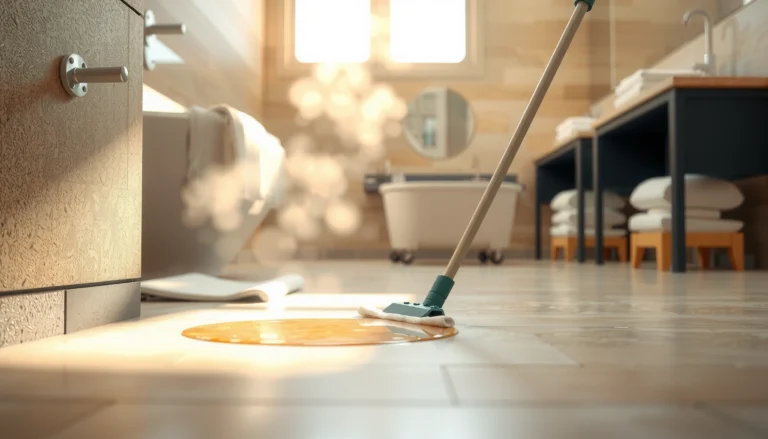
[…] from engineered wood floors without causing damage, you need to remove moisture quickly, then use a pH-neutral cleaner and the mildest method that works. Most stains can be lifted in about 10–20 minutes with the […]