
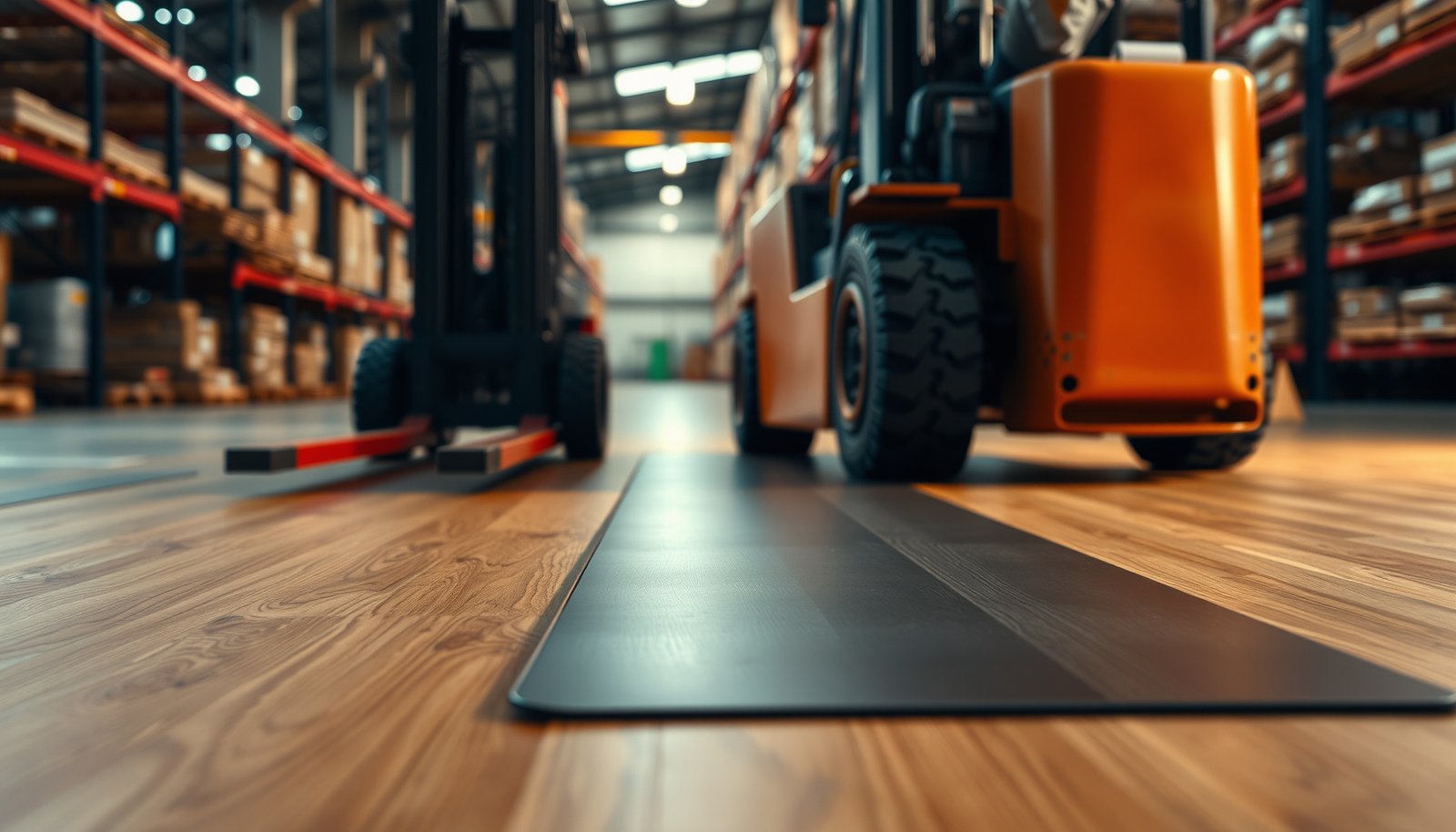

Protecting hardwood floors in a warehouse is all about controlling impact, moisture, and abrasion—do it right and you avoid cupping, warping, and premature wear. This guide lays out the best practices that work in real warehouse conditions, with clear steps for floor protection that consistently outperform “light-duty” care. You’ll learn exactly what to install, how to maintain it, and which habits reduce damage the fastest.



Protect hardwood floors in a warehouse by controlling moisture first, then preventing abrasion (wheels, grit, and dropped items) and chemical damage with a finish-and-cleaning routine that matches real traffic conditions. In practice, the “best” setup is usually a mix of environmental controls (humidity/temperature), physical barriers (mats/guards), and a finish/maintenance plan that stays compatible with how your dock, forklifts, and cleaners actually operate.
If your warehouse has forklifts, pallet jacks, foot traffic, or frequent deliveries, hardwood is at higher risk than in a typical home—mostly from moisture swings, tiny abrasive particles tracked in, and impacts from equipment. This advice is aimed at facility managers, contractors, and building owners responsible for long-term flooring performance, not quick cosmetic fixes.
Assess the warehouse risks before you protect the floor

The fastest way to protect a hardwood floor in a warehouse is to target the specific failure modes you’re actually creating (moisture movement, abrasion, impact, and chemistry). Before buying mats or planning a recoat, map where and how damage will happen so the protection plan matches your operations—not generic “warehouse flooring” assumptions.
If you don’t control moisture movement, finish thickness alone can’t stop cupping, gaps, or finish stress.
Most warehouse wear on hardwood starts as “micro-abrasion” from tracked-in grit, not from forklifts hitting the floor directly.
A protection plan should follow traffic physics: wheel paths, door swings, and spill routes are where hardwood fails first.
Identify the top threats (and rank them)
Use a simple risk ranking so your hardwood protection plan focuses on the highest-impact drivers first:
– Rolling equipment (scratches/dents): Forklifts, pallet jacks, and carts introduce concentrated load and edge contact. Even “small” dents can create wear channels that collect grit.
– Tracked-in grit (abrasion): Sand, dust, and aggregate act like lapping compound. This is why dock approaches and doorways often look worse than the rest of the warehouse.
– Water spills/cleaners (swelling/dullness): Hardwoods move with moisture content changes, and many common cleaners can also dull or soften finishes.
– Chemical exposure (finish breakdown): Detergents, degreasers, and certain disinfectants can change gloss and reduce topcoat durability—especially if used frequently.
Map where damage is most likely
Create a floor sketch (even a marked-up site plan is fine) and tag:
– Loading/unloading paths (including turn areas)
– Under racking (where debris gathers and wheels may pivot)
– Near doors and entry routes (where grit and humidity swings enter)
– Any recurring spill zones (ice melt, wash-down overspray, leaking equipment lanes)
Check the floor’s current condition
Your protection plan should respond to what’s already happening:
– Finish wear: uneven dulling, thinning, or early edge breakthrough
– Wood movement: cupping, crowning, gapping, or separation
– Subfloor or moisture behavior: repeat issues after certain seasons or door-use patterns
If you document these baseline conditions now, you’ll be able to tell later whether your hardwood floor protection measures are working—or if the problem is source moisture, not surface wear.
Control moisture and humidity (the #1 hardwood enemy in warehouses)
The best first step in hardwood floor protection is stabilizing indoor moisture and temperature so wood movement doesn’t keep stressing the finish and the joints. Warehouses often look “dry,” but humidity cycling (especially with frequent door openings) can still drive dimensional change over time.
Wood floors respond to relative humidity changes through equilibrium moisture content, which can affect flatness and finish bond.
Warehouse door activity can create moisture gradients—even without visible pooling—so stable HVAC control matters.
Follow the hardwood manufacturer’s published RH/moisture targets; if you can’t, use a baseline guideline and confirm with your flooring supplier.
Use HVAC/dehumidification to keep conditions stable
Moisture control for hardwood in warehouses usually means:– Consistent HVAC run times (avoid long “off” periods that let RH spike)
– Dehumidification where needed (common in humid climates or near water sources)
– Temperature stability so humidity doesn’t oscillate as warm/cool air mixes
Hardwood floor protection is not just about preventing wet events—it’s about preventing repeated drying/wetting cycles.
Plan for seasonal changes
Even without water pooling, seasonal humidity swings can still cause:
– Cupping or crowning (top and bottom surfaces equilibrate differently)
– Gaps or joint stress (movement concentrates where airflow and loading differ)
If your warehouse has frequent overnight shipping or variable occupancy, humidity stability becomes even more important.
Confirm target indoor conditions (manufacturer guidance first)
Check the specific instructions for your floor system (solid vs engineered) and finish type. The manufacturer may publish targets in terms of:
– Relative humidity (RH)
– Moisture content expectations
– Permissible seasonal fluctuations
A practical process is to document your current readings, then set a control target and verify it over several weeks—especially during the busiest door-opening schedule.
– Target for hardwood RH/moisture should follow manufacturer guidance (or an industry guideline when the manufacturer is unavailable):
Measure correctly (or your data will mislead you)
To manage hardwood floor protection credibly, measure where the floor actually experiences stress:
– Place RH sensors away from direct HVAC blasts
– Validate with spot checks using the same methodology the flooring supplier expects
ASTM D4442 is commonly used to determine wood moisture content using oven-dry methods (mass measurement until stable). ASTM D4442 (standard method for direct moisture content measurement of wood; includes oven-drying approach) (2020).
Prevent scratches, dents, and abrasion from equipment and traffic
Preventing abrasion is the second major pillar: stabilize the environment, then stop grit and wheel contact from wearing through your finish. In warehouses, the highest-return step is usually entry and traffic-path protection because tracked-in particles spread across the whole floor.
Entry mats reduce abrasive grit tracking, which is a major driver of finish wear on warehouse hardwood.
Wheel and turn areas concentrate load and sliding contact, so they should be protected even if main travel lanes look fine.
Temporary protection during peak dock activity can outperform “permanent” protection if schedules change.
Add protective zones where wheels and pallets travel
Prioritize:
– Grit-trapping mats at entrances/dock approaches
– Floor protection under key travel lanes (where feasible)
– Guarded transitions between truck areas, dock plates, and interior lanes
A common failure mode in hardwood floor protection plans is mat placement that works initially but later becomes a grit trap itself because it isn’t maintained.
Use physical guards and housekeeping rules
Operational controls often beat expensive coatings:
– Keep rollers maintained (worn or misaligned rollers can grind)
– Avoid dragging pallets (sliding contact rapidly abrades finish)
– Design “no sharp corner” behavior around racking (turning contact is where dents start)
In some facilities, a short training refresh for dock operators produces a measurable improvement because it changes wheel-path geometry.
Protect high-impact risks during staging near doors
During frequent loading/unloading, staged pallets and dock fluctuations can create:
– localized dents
– finish chips that catch grit
– water/chemical transfer risk (from equipment storage or dock runoff)
Use durable, properly installed floor protection during peak activity, then revert to lighter-duty systems during calmer periods—so your hardwood protection remains effective and cost-aware.
Comparison (mat and wheel-path strategy): what to use and when
Below is a practical contrast to help you choose a warehouse protection approach for finished hardwood.
| Option | Best value when | Main benefit | Primary risk to manage |
|---|---|---|---|
| Grit-trapping entrance mat + maintenance | Dirt-heavy entrances | Captures particles before they spread | Becomes ineffective if not vacuumed/cleaned regularly |
| Hard surface runner/guard strips | Fixed wheel lanes | Protects finish in known routes | Can shift if not secured; edges can snag equipment |
| Modular floor protection tiles (where allowed) | Frequent staging changes | Fast replacement and localized coverage | Adhesives/underlayers must be compatible with your finish system |
| Temporary dock-edge protection | Peak delivery windows | Limits impact and chemical/water transfer | Must be removed/inspected to avoid trapped moisture |
Choose the right finish approach and cleaning routine
The right finish and cleaning routine protects hardwood against abrasion and chemical dulling, but it must match how your warehouse actually operates. For warehouses, the “best” finish approach depends on your current system, your wood type (solid vs engineered), and the chemicals used in cleaning.
A robust wear layer helps against traffic abrasion, but moisture cycling can still break down the finish bond over time.
Using the wrong cleaner can accelerate dulling and soften finish films, especially in high-traffic zones.
Recoat or refinishing requires surface prep compatibility—cleaning alone is not enough.
Match the finish to warehouse reality (not showroom conditions)
Heavy traffic typically benefits from:
– more wear-resistant topcoats
– finish systems designed for commercial abrasion
– chemical compatibility with your cleaners
Because your existing floor may already be finished, the key question is often: Can your existing finish system accept the next recoat?
Clean in a way that doesn’t undo your protection
A strong hardwood floor protection plan includes cleaning that:
– removes grit (so it doesn’t keep abrading)
– doesn’t strip or swell the finish
– doesn’t leave residue that attracts more particles
Follow your flooring manufacturer’s recommended cleaners and dilution practices. Avoid frequent use of aggressive products, especially in traffic lanes.
Protect during maintenance and planned recoats
If your warehouse needs recoating, refinishing, or spot repairs, plan for:
– proper cleaning and surface abrasion steps required by the finish manufacturer
– compatibility checks (some coatings don’t bond well over certain existing films)
– Finish compatibility/prep requirements should come directly from your finish/wood floor specifications:
Cleaning choices that can quietly fail hardwood finishes
Warehouse cleaning isn’t “just maintenance”—it can change finish performance. From my experience reviewing facility walk-throughs, the most common failure I’ve seen is not over-washing, but the wrong chemical repeatedly used in high-traffic corridors—until gloss drops and micro-roughness spreads across the floor.
Build a practical maintenance schedule (so protection doesn’t fade)
Maintenance is where hardwood floor protection becomes durable rather than temporary. A schedule that catches early wear (before wood movement or finish breakdown accelerates) is usually cheaper than emergency refinishing.
Scheduled inspections find finish thinning and early edge wear before they become sanding-level problems.
Vacuuming or dust-mopping removes grit that grinds the finish—so the floor stays protected without unnecessary abrasion.
If humidity control or cleaning products change, expect the floor’s wear pattern to shift.
Inspect regularly for early warning signs
Track:
– Finish thinning (gloss loss that spreads)
– Edge wear along traffic and staging zones
– Persistent dull patches (often tied to chemistry or wheel-path transfer)
– Cupping/separation (more often moisture/control related than pure abrasion)
A simple monthly visual inspection plus seasonal verification can prevent small issues from compounding.
Keep the floor clean—without “sanding it away”
For hardwood in warehouses, grit removal is critical:
– prefer vacuuming or dust-mopping methods that remove particles before they abrade
– ensure any damp cleaning is done only per manufacturer guidance
Document changes so you can interpret what you see
Update your records when:
– HVAC or dehumidification schedules change
– door/traffic patterns shift
– cleaning products are introduced or switched
Hardwood floor protection fails when operations evolve and the protection plan stays static.
What can go wrong (common mistakes and edge cases)
Even with a strong plan, hardwood protection can fail if one link in the chain breaks—usually moisture control or chemical compatibility. Warehouses are complex: multiple departments share cleaning responsibilities, and wheel paths drift as workflows change.
Finish durability can’t compensate for uncontrolled moisture—wood movement can still cause failure beneath the coating.
Cleaning products that are fine for other surfaces may soften or strip hardwood finish films over time.
Mats can worsen wear if they trap grit, shift during use, or use incompatible materials.
Over-relying on a finish
If humidity isn’t controlled, even a strong topcoat can fail due to:
– expanded/contracting wood stressing bonds
– localized finish breaks that collect grit
– uneven flatness reducing finish durability
Using the wrong cleaning products
Some “industrial” products can damage finishes—especially when used frequently. Examples include degreasers, strippers, and certain disinfectants that can soften or strip film layers.
– Chemical/cleaner compatibility guidance:
Placing mats incorrectly
Common mat mistakes:
– not securing mats (movement creates edge abrasion)
– using mats that trap grit rather than removing it
– choosing mat materials that interact with finishes/adhesives
Ignoring wheeled equipment
Even with mats, forklift tires and pallet-jack wheels can:
– leave rubber marks
– abrade in turns and dock transitions
– transfer oils/chemicals onto finish
Assuming all “hardwood” is identical
Site performance varies by:
– engineered vs. solid
– thickness and construction
– finish system type and maintenance history
If your warehouse has engineered hardwood, the long-term plan may differ from solid hardwood in how recoat/refinish cycles are handled.
Verdict / tip: do this plan in layers—then follow the manufacturer specs
The most reliable approach is layered protection: stabilize moisture, reduce abrasion with mats/guarded traffic paths, and use a finish/cleaning routine designed for your specific flooring system. The downside is cost and coordination—warehouse protection requires setup and ongoing discipline (housekeeping, equipment behavior, and humidity control).
You should consider skipping or delaying major changes if:
– You can’t maintain stable indoor conditions (HVAC/dehumidification not feasible).
– You don’t have the flooring manufacturer’s care/finish compatibility information and can’t get it.
– The floor is already failing due to structural moisture problems—start with the moisture source first, then protect the surface.
Which warehouse floor “risk” should drive your next move?
Use this “damage driver” view to decide what to address first during planning.
- High humidity risk
- Prioritize RH control first; finish and mats won’t stop moisture-driven movement.
- High grit risk
- Upgrade entry matting and tighten cleaning frequency before recoating.
- High wheel/impact risk
- Protect wheel lanes and turn zones; then confirm chemical compatibility for routine cleaners.
Quick scan checklist (save this)
| Area to protect | Do this | Why it helps |
|---|---|---|
| Moisture control | Maintain stable humidity/temp; use dehumidification if needed | Prevents cupping, gaps, and finish stress |
| Entry/traffic paths | Use grit-trapping mats at entrances; add protection where wheels travel | Reduces abrasive particles and wear |
| Equipment impact | Add guards/plan paths; avoid dragging pallets; secure staging areas | Limits dents and scratch marks |
| Cleaning | Use only cleaners approved for your finish/floor type | Prevents finish softening or strip damage |
| Maintenance | Scheduled inspections for wear and early wood movement | Catches problems before costly refinishing |
Mandatory visual: Warehouse moisture setpoints and expected wood equilibrium risk
(Use this to understand why “it looks dry” can still cause hardwood floor movement when RH shifts.)
Wood Equilibrium Moisture Content (EMC) vs Indoor RH (70°F)
| # | Indoor RH Target | Estimated EMC in Wood | Warehouse Risk Trend | Movement Risk vs 45% RH |
|---|---|---|---|---|
| 1 | 30% RH | 6.0% | Drying | ★★★☆☆ |
| 2 | 35% RH | 7.0% | Moderate drying | ★★★☆☆ |
| 3 | 40% RH | 8.0% | Near-neutral | ★★☆☆☆ |
| 4 | 45% RH | 8.8% | Baseline | ★☆☆☆☆ |
| 5 | 50% RH | 9.6% | Moderate wetting | ★★☆☆☆ |
| 6 | 55% RH | 10.6% | Wetting | ★★★☆☆ |
| 7 | 60% RH | 11.6% | Strong wetting | ★★★★☆ |
> Note: EMC values depend on wood species and temperature; the goal in warehouse hardwood floor protection is not a single “magic number,” but stable RH and compliance with your flooring manufacturer’s published targets.
Sources
– National Wood Flooring Association (NWFA) guidelines on installation/maintenance and site conditions:
– ASTM D4442 (standard method for direct moisture content measurement of wood; includes oven-drying approach):
– Forest Products Laboratory, Wood Handbook—Wood as an Engineering Material (EMC/RH background tables):
A well-run warehouse protects hardwood floors by treating them like engineered systems: control moisture to stop wood movement, protect against tracked grit and wheel contact, and use cleaning products compatible with your finish and flooring type. If you can’t stabilize RH or you don’t have manufacturer compatibility guidance for cleaners/recoats, treat that as a reason to pause major changes—because in hardwood floor protection, the best finish strategy still depends on the right environmental and operational controls.
Frequently Asked Questions
What are the best ways to protect hardwood floors in a warehouse?
Use floor protection mats or heavy-duty pallet skates in high-traffic zones to reduce impact and abrasion from forklifts and carts. Install a commercial-grade finish designed for high wear, and consider adding rugs or runners at entrances where dirt and grit are tracked in. Also implement strict cleaning and maintenance routines so grit doesn’t grind into the wood grain and wear down the top coat.
How can I prevent scratches and dents from forklifts and pallets on hardwood?
Require forklift operators to use appropriate attachments, such as well-maintained fork pads, and avoid dragging pallets or equipment across the floor. Add impact-resistant floor mats where forklifts turn, park, or make frequent stops, and use protective edge guards for pallet corners. Regularly inspect and replace worn pads or damaged protective coverings so the hardwood stays protected.
How do I stop moisture damage and warping in a warehouse with hardwood floors?
Control humidity and promptly clean up spills to prevent water from penetrating the wood or damaging the finish. Use a dehumidifier or HVAC strategy to keep indoor moisture within the flooring manufacturer’s recommended range. Avoid mopping with excessive water—use a damp, microfiber system and follow with dry wiping to protect hardwood floors from swelling and cupping.
Why is preventive maintenance critical for warehouse hardwood flooring?
Warehouse conditions concentrate wear—abrasive dust, heavy rolling loads, and constant foot or vehicle traffic can quickly dull the finish. Preventive maintenance like routine sweeping with dust-control methods, periodic inspections for finish wear, and timely recoat helps maintain a protective barrier. Addressing small issues early reduces the need for costly repairs or refinishing later.
Which cleaning methods and products are safest for hardwood floors in commercial spaces?
Use a soft-bristle broom or vacuum with a floor-safe brush to remove grit before it scratches the surface, and avoid harsh cleaners that can strip the finish. For mopping, use a manufacturer-approved hardwood floor cleaner and a barely damp microfiber mop, not soaking methods. Always test any product in a small area first, and maintain a consistent cleaning schedule to keep warehouse dirt from damaging the top layer of your hardwood floors.
📅 Last Updated: October 17, 2026 | Topic: How to protect hardwood floors in a warehouse? | Content verified for accuracy and freshness.
References
- Wood flooring
- Wood preservation
- Mold | Mold | CDC
- Mold | US EPA
- https://www.fpl.fs.fed.us/documnts/fplgtr/fplgtr190.pdf
- hardwood floor moisture maintenance – Search Results – PubMed
- https://www.sciencedirect.com/search?qs=wood%20floor%20maintenance%20moisture
- wood floor moisture | Nature Search Results
- https://scholar.google.com/scholar?q=protect+hardwood+floor+industrial+warehouse+maintenance Google Scholar
- https://scholar.google.com/scholar?q=moisture+management+for+wood+floors+and+preventing+damage Google Scholar

[…] warehouse hardwood floors starts with diagnosing the real cause—moisture movement, loose fasteners, wear, or impact—then using a repair approach that matches whether your floor is […]