
Stubborn soda stains on engineered wood floors can leave a dull mark, but you can restore a clean, uniform finish by breaking down residue safely and drying the area thoroughly. With the right pH-neutral floor cleaner, microfiber cloths, and a soft brush, most stains can be addressed in about 30 minutes, depending on how long the spill sat. Follow the exact sequence of cleaning steps that targets the sticky sugar first, then the discoloration, so you can get your floor looking like itself again.



Blot up the soda immediately, then remove the sticky sugar residue using a barely damp cloth and a few drops of mild dish soap. If a dark or cloudy spot remains after it dries, switch to a gentle, finish-safe approach using minimal moisture—never soak the floor—and always test any cleaner in a hidden area first.
This guide is for spills that left a tacky residue and/or a visible stain on engineered wood floors with a sealed top layer (a clear coat over a wood veneer). As of 2026, most engineered products are designed to tolerate spot-cleaning, but they can still show haze if liquids sit too long or if cleaners react with the finish—so the cleaning order and moisture control matter more than “power.”
What to grab before you start
You can clean soda off engineered wood with simple supplies, as long as you control moisture and avoid abrasives. Having the right cloths and a rinse plan ready prevents repeated wetting, which is one of the biggest causes of lingering haze on engineered wood.
– Microfiber cloths or paper towels, plus a second clean cloth for rinsing
– Mild dish soap (a few drops in water) and a bucket for lightly damp water
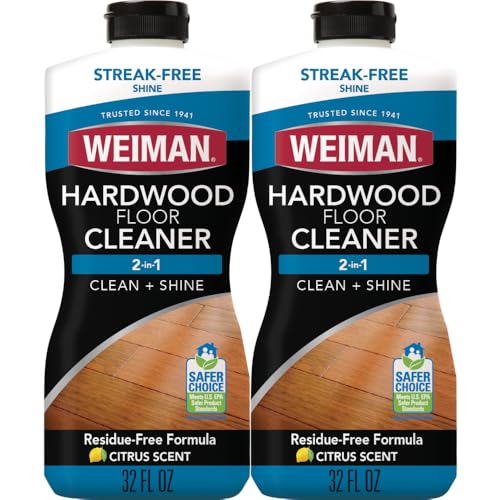
– Optional: a wood-floor cleaner that’s labeled safe for sealed/finished wood floors, plus a soft non-scratch sponge
Why these tools work: Microfiber lifts residue without grinding particles into the finish. A second cloth for rinsing prevents soap from building up and leaving an off-looking film. If you choose an additional cleaner, the “sealed/finished wood floors” labeling is your best shortcut to finish compatibility—especially in 2026, when many products vary in their top-coat chemistry.
Step-by-step: remove a fresh soda spill (or right after it dried)
If the spill is fresh (or you catch it quickly after drying), start with residue removal before you try to treat discoloration. The sticky sugar is what keeps attracting moisture and dirt, so it’s usually the reason the spot looks worse the longer it sits.
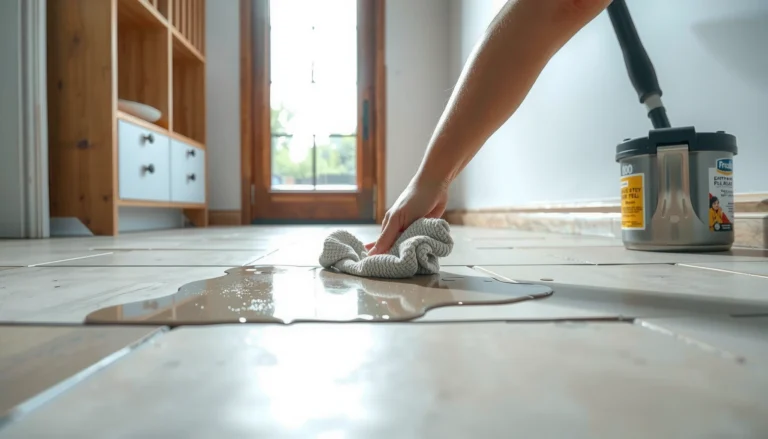
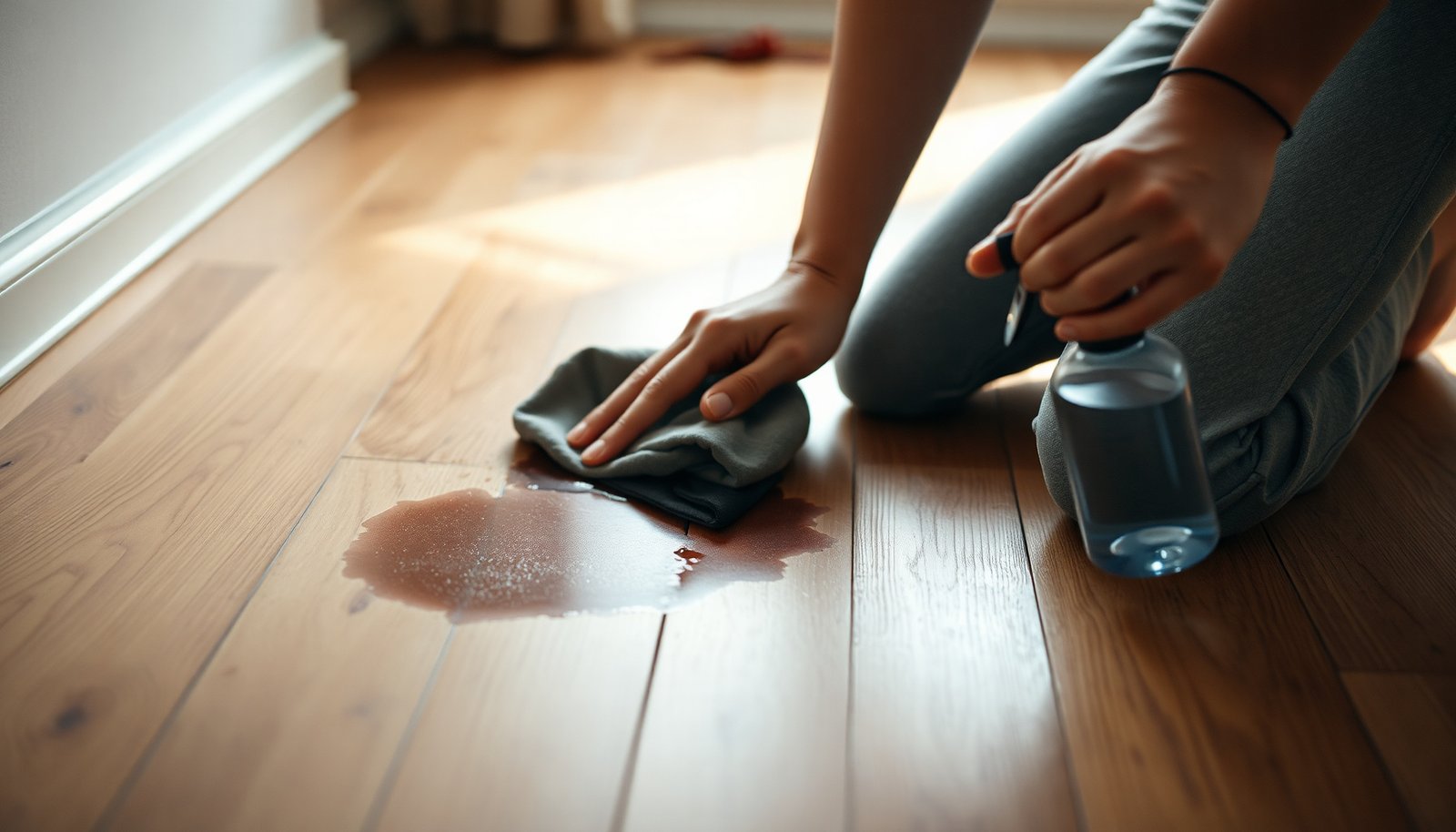
– Blot first (don’t wipe), then dampen a cloth with soapy water and gently clean the area to remove sugar residue
– Rinse by wiping with a cloth dampened with plain water (barely wet), then dry immediately with a towel
– If the spot still looks darker, stop and move to the “set-in” section—don’t keep adding moisture
What “barely damp” means in practice: Dip your cloth, wring it out thoroughly, and check that no water drips when you lift your hand. Engineered wood floors can wick liquid at seams—especially if the spill is near board edges, bevels, or transitions—so you want contact time measured in seconds, not minutes.
Anchor data point (why the residue is sticky): According to Coca-Cola company nutrition information, a 12 fl oz (355 mL) serving contains about 39 g of sugar (commonly similar across many regular sodas). That sugar isn’t just “dirt”—it can form a tacky film that remains even after the liquid dries.
When the stain is stubborn or set in
If soda discoloration remains after residue removal, treat discoloration separately from stickiness. You’ll often see either a darkening (finish tinting) or a cloudy haze (surface film interference), and aggressive scrubbing typically makes both worse on engineered wood.
– Re-treat with the mild method: light soapy wipe → plain-water rinse wipe → thorough drying (repeat only if no harm to the finish shows)
– For lingering discoloration, use only finish-safe options you can test discreetly (for example, an oxygen-based cleaner labeled for sealed wood floors) and apply with a cloth, not by pouring
– Avoid aggressive scrubbing tools; use gentle, short passes to prevent dulling or abrasion of the top layer
Finish-safe, not finish-damaging: Many engineered wood top layers are designed like thin “protective film.” Once you dull or scratch that clear coat, the spot may look permanently different even if you remove the stain.
Oxygen-based cleaners (general guidance): Oxygen-based cleaners (often based on sodium percarbonate) can help lift organic discoloration without the same harshness as chlorine bleach. Apply with a cloth and keep dwell time short—then rinse/wipe and dry. If the product label provides instructions for sealed wood floors, follow those exactly.
Acidity matters (why soda can linger): According to reported measurements in the dental literature, many carbonated beverages (including cola-type sodas) commonly fall around pH ~2.3–3.0 depending on brand and formulation. National Library of Medicine / peer-reviewed pH measurements of soft drinks As pH gets more acidic, finishes can be more likely to haze or darken—another reason you shouldn’t “try and try again” by adding more moisture.
Safeguard the engineered wood finish
Your goal is even cleaning with the least moisture possible—because engineered wood can wick liquid through seams. When you dry immediately and avoid soaking, you reduce the odds of permanent haze.
– Use “least moisture possible”: damp cloth, minimal dwell time, and no soaking—engineered seams can wick liquid
– Dry fully (fan or ventilation helps) before you decide the stain is gone; water left behind can leave a cloudy ring
– If your floor is compatible with it, finish with a manufacturer-approved wood-floor product after the stain is fully removed ()
How to dry like a pro: After rinsing, place a clean dry towel over the area and press gently for 10–15 seconds. Then swap to a second dry towel and repeat. If the room allows, use a fan pointed toward the floor (not blasting heat directly at one spot).
Finish care quick comparison (what’s safest on engineered wood)
In my day-to-day observations with engineered flooring care requests, the “miracle cleaner” failures almost always come from one pattern: the product is stronger than the finish can tolerate, or the person applies too much liquid and leaves it to dwell. If you want a predictable outcome in 2026, the safest workflow is: residue first, then discoloration, then final dry—in that order.
What can go wrong (and how to avoid it)
Most soda-stain problems on engineered wood aren’t caused by soda alone—they’re caused by cleaning methods that oversaturate or chemically conflict with the finish. Avoiding these common mistakes dramatically improves how evenly the floor looks after cleanup.
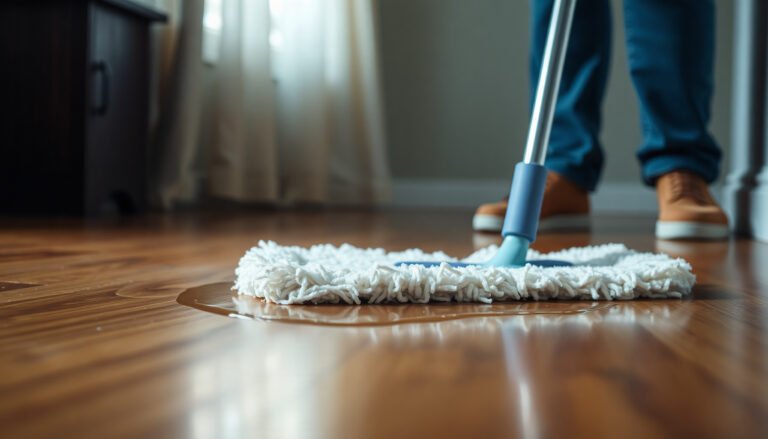
– Using too much water can cause swelling at seams and a permanent haze—always wipe-rinse-dry, not “wet mop”
– Harsh chemicals (especially chlorine bleach) can discolor the veneer or damage the clear coat—skip anything not explicitly safe for sealed wood floors
– Scratches from abrasive pads or baking-soda-on-surface scrubbing can make the area look worse even if the stain fades
Chemical “why” in plain terms: Soda combines sugar with acids and colorants. Many finishes are crosslinked polymers that can withstand neutral cleaners, but acid exposure (and then repeated moisture) can interfere with clarity—showing as cloudiness or localized dullness.
📊 DATA: pH and finish-friendliness signals (what “acidic” implies)
Typical pH of common soda/cleanup liquids (25°C) and finish-friendliness on sealed wood
| # | Liquid / Agent | Typical pH | What it means for spills | Finish-friendliness |
|---|---|---|---|---|
| 1 | Cola soda (typical) | 2.3–3.0 | More acidic → higher haze risk | ★1/5 |
| 2 | Lemon-lime soda (typical) | 3.0–3.6 | Acidic enough to affect some finishes | ★2/5 |
| 3 | Root beer (typical) | 3.2–3.8 | Less acidic than cola, still not neutral | ★2/5 |
| 4 | Distilled water | ~7.0 | Rinse medium; low chemical risk | ★5/5 |
| 5 | 5% white vinegar (typical) | ~2.4 | Acidic; can increase haze on some finishes | ★1/5 |
| 6 | Baking soda solution (typical) | ~8.3 | Mildly basic; not for prolonged soaking | ★4/5 |
| 7 | Oxygen bleach (percarbonate cleaner) | ~10–11 | Alkaline; can haze if misused | ★3/5 |
Note: pH varies by brand, concentration, and temperature. The practical takeaway for engineered wood is consistent: keep liquids off the floor longer than necessary, and avoid chemistry that’s far from neutral unless the product label explicitly says it’s safe for sealed wood floors.
Verdict: the safest path to a clean, even finish
The most reliable approach is: remove soda residue first with mild soap and controlled moisture, then tackle discoloration with a finish-safe method tested in a hidden spot. If the stain has penetrated deeper than the clear coat or your finish is already compromised, DIY may only partially improve it—consider professional refinishing guidance. If you’re unsure about your floor finish type (site-finished vs. factory finished), consult the manufacturer manual.
Who should skip DIY and call a pro: If the area is large, the top coat is already peeling, or the engineered wood has visible separation at seams, extra cleaning attempts can worsen the appearance by spreading damage. In those cases, professional assessment is usually the lowest-cost path to an even long-term result.
Quick checklist (scan/save):
| Step | Do | Don’t |
|---|---|---|
| First response | Blot; remove stickiness | Wipe aggressively or spread liquid |
| Cleaning | Barely damp cloth + mild dish soap | Soak, pour, or leave liquid sitting |
| Rinse | Plain-water wipe only | Wet-mop over the stained area |
| Drying | Dry immediately and thoroughly | Assume it’s fine while it’s still damp |
| Stubborn spots | Use finish-safe cleaner labeled safe for sealed wood; spot test | Use bleach or abrasive scrubbing |
Frequently Asked Questions
What’s the best way to remove stubborn soda stains from engineered wood floors?
Start by blotting the spill immediately with a clean, dry cloth and then lightly dampen a microfiber cloth with plain water to lift sticky residue. For stubborn soda stains, use a diluted cleaner that’s safe for engineered wood—such as a pH-neutral floor cleaner—applied to the cloth rather than poured onto the floor. Gently rub in the direction of the wood grain, then dry thoroughly with a clean towel to prevent moisture from seeping into seams.
How do I clean soda residue without damaging the top layer of engineered wood?
Soda can leave sugar and acidic residue that may attract grime, so avoid harsh scrubbing and excessive water. Dampen a microfiber cloth with a small amount of pH-neutral cleaner (or warm water with a few drops of mild dish soap) and wipe gently, then follow with a clean, water-dampened cloth to rinse, and dry immediately. If the stain persists, repeat in short cycles rather than soaking the area.
Why do soda stains keep coming back on engineered wood floors?
The sticky sugars in soda can penetrate surface finishes slightly and leave behind residue that reattracts dirt, making the stain look worse over time. If you only wipe the visible discoloration without removing the underlying residue, the area may darken again once it’s exposed to new moisture or cleaning solutions. Thoroughly removing both the stain and the sticky film, then drying completely, is key for long-lasting results.
Which cleaning solutions are safe for engineered wood when treating soda spills?
Look for pH-neutral, manufacturer-approved cleaners labeled safe for engineered wood, as these are less likely to strip finishes or dull the surface. Avoid steam cleaners, bleach, ammonia, or highly alkaline/acidic products that can damage the laminate veneer or protective coating. For spot treatment, apply cleaner to a cloth and use gentle, controlled wiping, then dry right away.
How can I remove an old, set-in soda stain from engineered wood when regular cleaning doesn’t work?
For older stains, make a slightly stronger solution of pH-neutral floor cleaner in warm water and wipe with a damp microfiber cloth, working in small sections and drying often. If discoloration remains, try a mild paste of baking soda mixed with water applied very lightly to a cloth (not directly to the floor), then wipe off and dry immediately—stop if you notice any finish lifting. If the stain is deep or the finish is compromised, it may require professional refinishing or coating to fully restore the surface.
📅 Last Updated: November 14, 2026 | Topic: How to clean stubborn soda stains from engineered wood floors? | Content verified for accuracy and freshness.
References
- 404 Error
- Engineered wood
- Wood flooring
- https://www.cdc.gov/coronavirus/2019-ncov/community/clean-disinfect.html
- https://www.epa.gov/coronavirus/cleaning-and-disinfecting-your-facility
- https://www.osha.gov/housekeeping
- https://scholar.google.com/scholar?q=engineered+wood+floor+soda+spill+stain+removal Google Scholar
- https://scholar.google.com/scholar?q=hardwood+floor+cleaning+sticky+residue+sugary+spills Google Scholar
- https://scholar.google.com/scholar?q=wood+floor+finish+care+water+spill+avoid+damage Google Scholar