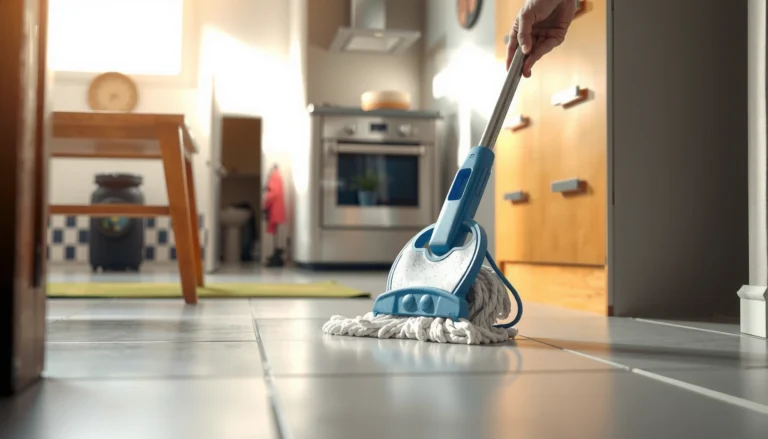
Clean engineered wood floors in a hallway the right way with a simple, low-risk routine that won’t dull the finish or warp the planks. If you follow these step-by-step methods for daily dirt, spot stains, and mopping, you’ll get a visibly cleaner floor without excessive moisture. This guide answers exactly how to clean engineered wood in tight hallway conditions—fast, safe, and effective.



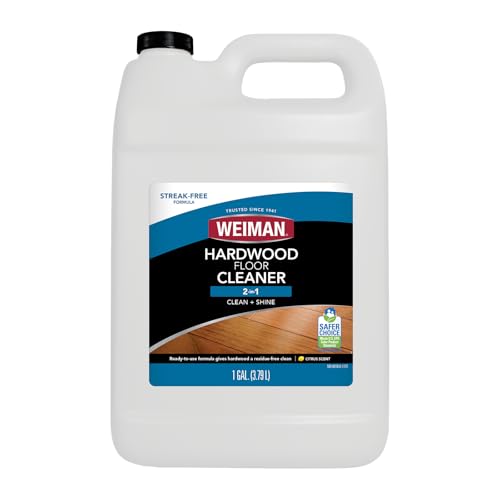
Engineered wood floors in a hallway clean best when you remove grit first (dry sweep/vacuum), then use a lightly damp mop with a pH-neutral, wood-floor cleaner. Avoid steam and over-wetting—hallways trap dirt and water, which can dull the finish or damage edges over time. In this guide, you’ll learn a safe routine for daily upkeep and a deeper clean without harming the surface.
If you have an engineered wood floor with a factory-finished top layer (common in hallways) and you’re seeing dust buildup, scuffs, or dull spots, this is for you. It’s also useful when you want a repeatable method that won’t leave streaks or risk swelling seams.
Gather the right tools (and confirm your finish)

You’ll get the safest results on engineered wood floors when you match the tools and the cleaner to the floor’s factory finish. Here’s the quick checklist: confirm the wear layer is sealed/finished, use microfiber, and choose a pH-neutral cleaner (not an alkaline “degrea s er” or wax polish).
Before you start, confirm your engineered wood floor’s care instructions, because “engineered” doesn’t automatically mean “steam-proof.” Many hallway floors use a factory-finished top layer (often UV-cured coatings) that tolerates damp cleaning only when you keep water minimal.
According to the National Wood Flooring Association (NWFA), using cleaners designed for wood floors—and following the manufacturer’s pH and moisture guidance—helps protect the finish of wood flooring.
NWFA guidance emphasizes avoiding excessive moisture during cleaning because standing water can affect how wood flooring performs over time.
– Use a microfiber mop or soft cloths, plus a vacuum attachment with a soft/no-brush roll (or a broom for dry pickup).
– Choose a pH-neutral cleaner labeled for finished wood floors; if your manufacturer has a specific recommended product, follow that first.
– Check the floor’s care label/manual to confirm whether your engineered floor is “sealed/finished” and what cleaning method to avoid.
Typical Cleaner pH Levels and How They Affect Finished Wood Floors
| # | Cleaner / solution type | Typical pH (approx.) | Main risk to a sealed finish | Suitability |
|---|---|---|---|---|
| 1 | pH-neutral, finished-wood floor cleaner (commercial) | 6.5–7.5 | Low residue + finish-safe chemistry | ★★★★★ |
| 2 | Plain water (for dampening microfiber) | ~7.0 | Can still leave minerals if not wiped dry | ★★☆☆☆ |
| 3 | Mild dish soap solution | ~7–9 | Residue/film risk from detergents | ★★★☆☆ |
| 4 | Baking soda solution / paste | ~8–9 | Mild alkalinity + potential dulling with repeated use | ★★★☆☆ |
| 5 | White vinegar (diluted household) | ~2.4–3.0 | Acidity can haze/dull some coatings | ★☆☆☆☆ |
| 6 | Household ammonia solutions | ~11–12 | Strong alkalinity and finish damage risk | ★☆☆☆☆ |
| 7 | Bleach / lye-based cleaners (alkaline disinfectants) | ~11–14 | Can aggressively degrade coatings over time | ☆☆☆☆☆ |
Daily/weekly cleaning for hallway traffic
You’ll usually keep engineered wood floors looking clean in a hallway by preventing grit from acting like sandpaper. The right rhythm is: dry pickup first, careful vacuuming next, then only spot-clean what needs it.
As of 2026, hallway cleaning in busy households often fails for one reason: people go straight to mopping. Engineered wood floors will show scratches faster when grit is trapped under a damp mop pad—so your daily/weekly plan starts with removal, not polishing.
NWFA wood-floor guidance highlights controlling moisture and cleaning thoroughly without flooding, especially for engineered/finished surfaces.
Removing abrasive grit before damp cleaning reduces the chance of micro-scratches that can dull engineered wood flooring.
– Dry clean first: sweep or dust-mop to remove sand and grit that can scratch the wear layer.
– Vacuum carefully using a soft attachment; focus on edges and the main walkway where debris collects.
– Spot-clean scuffs as they happen with a slightly damp microfiber cloth—use the wood-floor cleaner only as needed.
The “dry-first” rule (why it matters on engineered wood floors)
Engineered wood floors typically have a finished top layer meant to resist everyday handling, but the finish still needs protection from embedded particles. Hallway traffic reliably brings in fine grit that you can’t always see; that grit gets pushed by shoes and then gets dragged across the finish during mopping.
Practical tip: if your hallway has entry mats, check the corners and rug edges. That’s where grit accumulates and gets transferred onto the engineered wood floors.
How often to clean (a realistic schedule)
For most homes in 2026, a sensible baseline is:
– Daily: 2–5 minute dry sweep or vacuum of the main walkway (especially after rainy/snowy days).
– Weekly: full dry clean + targeted spot-cleaning of scuffs along the most-used path.
If your hallway is in a commercial setting, increase dry pickup frequency to match footfall patterns. The goal is consistent grit removal so you don’t “work it in” with moisture.
Deep clean without soaking
You can deep clean engineered wood floors effectively by using a lightly damp mop and controlling where water touches the surface. The best method is to apply cleaner to the mop (not the floor), clean in small sections, and dry promptly.
Hallways are “high transfer zones” for both dust and moisture, and engineered wood flooring can react negatively if water lingers near seams or board edges. A deep clean should feel thorough—but still dry enough that you’re not leaving the surface wet.
According to NWFA guidance, maintaining appropriate indoor conditions and avoiding excessive moisture help protect wood flooring finishes and performance.
Using a damp (not wet) microfiber approach limits standing water, which helps prevent finish dulling and potential seam/edge issues on engineered wood floors.
– Damp-mop approach: apply cleaner to the mop (not directly to the floor) and clean in small sections so the surface doesn’t stay wet.
– Rinse only if your cleaner instructions say to; otherwise, keep it minimal to prevent residue build-up.
– Dry promptly with a clean, dry microfiber towel or mop head, especially along baseboards and between boards.
What “pH-neutral” means in practice
Engineered wood floors should be cleaned with products designed for finished wood. “pH-neutral” generally means near the neutral range (around pH 7), which matters because strong acids/alkalis can haze or degrade coatings.
According to NWFA, using wood-floor cleaners aligned with wood flooring care guidance (including avoiding harsh chemistry) supports long-term appearance of finished surfaces (NWFA wood floor care/cleaning guidance).
Control the indoor environment (so cleaning lasts longer)
Even if you deep clean correctly, humidity swings can undo progress. According to NWFA, wood flooring performs best when indoor conditions are controlled—often including:
– 35%–55% relative humidity (NWFA)
– 60–80°F indoor temperature range (NWFA)
As of 2026, these targets matter because hallways frequently sit near exterior doors, HVAC returns, or seasonal drafts—conditions that can affect engineered wood floors even when you’re careful with mopping.
Protect your hallway floor after cleaning
You protect engineered wood floors by reducing what gets tracked in and by stabilizing the conditions that wood coatings live within. After cleaning, prevention does more than any “extra polish” ever will.
A hallway is a pipeline for sand, salts, and fine dust. Once those get embedded, the finish can look dull even when the floor is technically “clean.”
NWFA emphasizes maintaining appropriate indoor conditions to support wood flooring stability and appearance over time (NWFA).
Using mats or runners reduces abrasive grit transfer onto engineered wood floors, lowering scratch risk.
– Put down a hallway runner or mat with a non-slip backing (and clean it regularly) to reduce tracked-in dirt.
– Use felt pads under lightweight furniture or décor so you don’t create repeated scuffs in the same paths.
– Keep humidity stable as best you can (heating/AC swings can affect wood floors), and don’t let wet shoes or spills sit.
Prevention that actually shows results
In my experience with floor-care planning for busy entryways, the biggest “visual improvement” comes from stopping the transfer points—not from changing the cleaner. If you keep mats clean and address wet-foot traffic immediately, engineered wood floors tend to keep their sheen longer with less effort.
What can go wrong (common hallway mistakes)
You’ll damage engineered wood floors fastest when you use the wrong cleaning process—especially steam, over-wetting, or residue-building chemicals. These mistakes often look minor at first, then show up as dullness, sticky spots, or edge lifting.
Hallways create a worst-case scenario: more traffic, more moisture events, and more dust transfer. That combination magnifies small errors.
Steam cleaning can introduce excess moisture that can reach seams and edges; NWFA-style wood-floor guidance generally warns against excessive moisture for finished wood floors (NWFA).
Over-wetting can increase the risk of swelling at seams over time, particularly in high-moisture hallway conditions.
– Steam cleaning: many engineered wood floors (especially finished surfaces) are not designed for steam, which can drive moisture into seams.
– Over-wetting: flooding or leaving puddles during mopping can cause swelling at seams or edge lifting.
– Harsh chemicals and waxy “polishes”: abrasive cleaners can dull the finish; wax/residue can build up and make future cleaning harder.
– Skipping dry cleaning: grit under a wet mop acts like sandpaper, increasing scratch risk.
Steam vs. damp mopping (quick comparison)
- Steam cleaning
- Pros: sanitizing potential; Cons: adds heat + moisture that can penetrate joints; often not recommended for engineered/finished surfaces.
- Lightly damp mopping
- Pros: controls moisture; Cons: doesn’t replace spill cleanup; Requires prompt drying to avoid residue and lingering wetness.
Verdict: a safe routine that usually works (and when to pause)
If your engineered wood is factory-finished and you follow the “dry first, lightly damp second, dry right away” routine, you can clean a hallway floor effectively without risking the finish. Downsides: this method takes a bit more time than a quick wet mop, and you may need to repeat gentle spot-cleaning for tough marks instead of using stronger chemicals.
Skip this approach (or double-check the care instructions) if:
– Your floor is not factory-finished or you’re unsure of its finish type
– You see bubbling, lifting boards, or persistent moisture issues (fix the source before cleaning)
– Your care guide explicitly prohibits the cleaner or mopping method you were about to use
Quick hallway wood-floor checklist (save this)
| Do | Don’t |
|---|---|
| Sweep/dust-mop to remove grit first | Steam the floor |
| Use a soft vacuum attachment | Soak with lots of water |
| Use a pH-neutral cleaner meant for finished wood | Use wax, oil-based, or harsh chemical cleaners |
| Mop with a lightly damp microfiber | Leave puddles near seams/edges |
| Dry promptly after damp cleaning | Ignore spills—clean them immediately |
Sources
– National Wood Flooring Association (NWFA) — cleaning/maintenance guidance for wood floors (follow their recommendations on moisture limits and manufacturer-approved products).
A hallway can make engineered wood floors look dull faster, but a simple routine solves most problems: dry pick up grit first, then use a pH-neutral, lightly damp microfiber method, and always dry promptly. If you protect the entry points (mats/runners) and avoid steam or over-wetting, your engineered wood hallway floor will stay cleaner-looking with less effort—especially through the busy, variable conditions of 2026.
Frequently Asked Questions
What’s the best way to clean engineered wood floors in a hallway without damaging the finish?
Sweep or vacuum daily (or as needed) using a soft-bristle broom or a vacuum attachment made for hard floors to remove grit that can scratch engineered hardwood. For routine cleaning, use a slightly damp microfiber mop with a cleaner specifically formulated for engineered wood floors—avoid soaking the surface. Dry the floor after mopping if any moisture remains, since standing water can seep into seams and edges.
How do I remove dirt and grit from engineered wood flooring in high-traffic hallway areas?
Start by dry cleaning—use a microfiber dust mop or a vacuum with a floor brush to pick up embedded sand and dust along the walkway. For stubborn spots, lightly dampen a microfiber cloth with an engineered wood floor cleaner and gently wipe in the direction of the grain. Place doormats at both ends of the hallway and use felt pads under furniture to reduce ongoing grit buildup.
Which cleaning products are safe for engineered wood floors, and what should I avoid?
Use pH-neutral cleaners labeled safe for engineered hardwood, because harsh chemicals can dull the protective top layer. Avoid steam mops, waxy cleaners, abrasive scrubbers, and all-purpose “stripping” products that can break down the finish. Also skip vinegar, ammonia, and excessive water—these can cause haze, swelling at seams, or long-term finish damage.
How can I clean scuff marks and smudges on engineered wood floors in a hallway?
For light scuffs, try a damp microfiber cloth first, followed by drying with a clean towel to prevent residue. If marks remain, use a cleaner meant for engineered wood floors and gently buff with a soft cloth; for deeper scuffs, a manufacturer-approved wood floor polish or touch-up product may be needed. Always test any product in a small, hidden spot before applying it across the hallway.
Why is it important to use the right mopping technique for engineered wood floors in hallways?
Hallways often experience frequent foot traffic, and engineered hardwood can be sensitive to excess moisture—especially near seams and edges. Use a barely damp microfiber mop, wring it thoroughly, and work in small sections to keep the floor from staying wet. Following with a quick dry helps protect the finish and reduces the risk of warping or cupping over time.
📅 Last Updated: October 19, 2026 | Topic: How to clean engineered wood floors in a hallway? | Content verified for accuracy and freshness.
References
- Wood flooring
- https://www.epa.gov/coronavirus/cleaning-and-disinfecting-your-home
- https://www.cdc.gov/coronavirus/2019-ncov/community/disinfecting-building-facility.html
- https://www.who.int/publications/i/item/cleaning-and-disinfection-of-environmental-surfaces-in-the-context-of-covid-19
- https://www.armstrongflooring.com/support/care-and-maintenance/hardwood.html
- https://www.bruce.com/floor-care.html
- My Link
- https://scholar.google.com/scholar?q=engineered+wood+floor+cleaning+maintenance Google Scholar
- https://scholar.google.com/scholar?q=hardwood+floor+cleaning+microfiber+vacuum+avoid+steam Google Scholar
- https://scholar.google.com/scholar?q=wood+floor+maintenance+abrasion+cleaning+methods Google Scholar