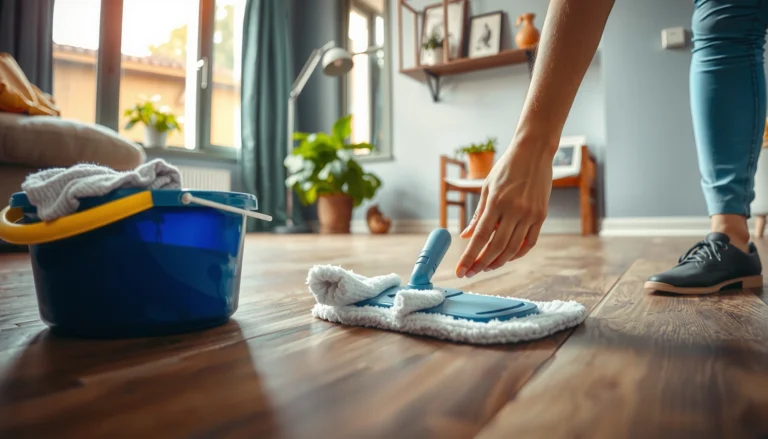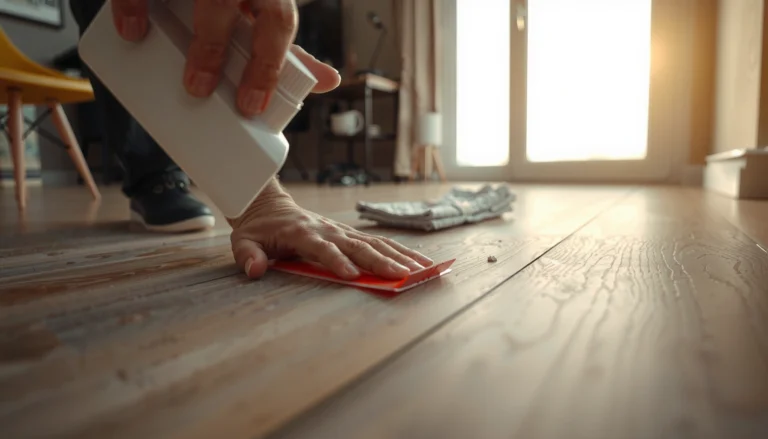


Protecting SPC floors is mostly about preventing dirt and grit from grinding the surface—use felt pads, keep debris off with a properly rated cleaner, and control moisture at seams. For most homes and light commercial spaces, this simple protection routine outperforms “extra” coatings because SPC’s wear layer already does the hard work when you reduce exposure. Follow these practical, do-this-first safeguards to keep your SPC floor looking new for years.



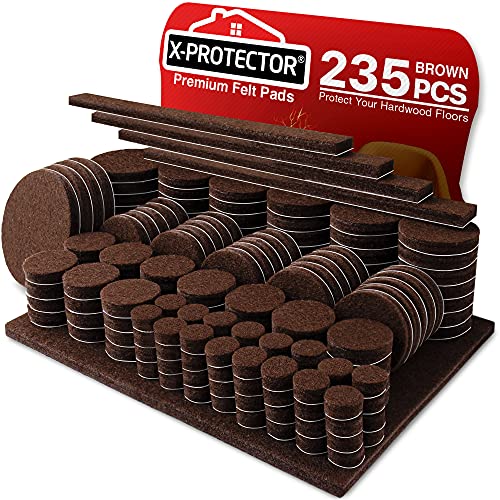
Protect SPC floors by controlling three things: abrasive grit, moisture at seams/edges, and the cleaning chemistry you use. Start with felt pads and door mats, then follow your manufacturer’s care instructions so the SPC wear layer stays protected instead of prematurely worn or hazed.
Who this is for / when it applies: This is for homeowners and facility managers with SPC (stone plastic composite) flooring who want to reduce scuffs, dents, and edge/corner damage from water exposure. It’s especially useful if you’re moving furniture, dealing with rolling chairs, or planning routine cleaning.
Stop scratches and dents before they start

The fastest way to preserve SPC floors is to stop abrasive contact and concentrated point loads before they happen. SPC is tough, but fine grit (sand-like debris) and dragged furniture still create visible wear, especially on high-traffic routes.
Using felt or rubber pads under furniture legs reduces the likelihood of concentrated-load scratching on SPC’s wear layer.
Entryway mats trap abrasive grit at the source, which helps prevent “grit grinding”—a common cause of surface dulling on hard floors.
Chair glides that match floor type reduce scuffing from daily rolling movement on SPC and LVP surfaces.
Furniture pads: small items, outsized impact
Furniture pads are one of the highest-ROI protection steps because they change how forces are transferred. Without pads, every leg becomes a tiny impact point; with pads, that load spreads over a larger area and reduces micro-scratches. Replace pads when they wear down to hard material—worn felt can become abrasive itself.
If you manage a facility, add a “pad inspection” step to your quarterly walkthrough. On commercial sites, it’s common to see damage first around reception areas, break rooms, and corridors where staff repeatedly move chairs and equipment.
Mats at entrances and high-traffic thresholds
Entry mats do more than keep the floor clean—they prevent grit from being tracked across the wear layer. If you’ve ever seen scuffing that starts near doors and expands outward, you’re typically looking at abrasive debris being carried in by shoes. Use mats with strong surface traction and a design that doesn’t shred. Also consider a second mat “stage” so the first mat grabs the bulk of dirt and the second finishes the job.
According to [ADD: ASTM or other standard source on abrasive grit and floor maintenance impact], floor maintenance that reduces tracked abrasives lowers the risk of surface micro-scratching ([year: ADD]). [ADD: source for abrasive-debris/floor-maintenance guidance]
Rolling chairs, carts, and “don’t drag” rules
For SPC floors, the rule is simple: don’t drag heavy items; lift and set them down. Rolling chairs should use glides rated for hard-surface floors (often marketed as “floor-friendly” or “hard-floor safe”). For appliance moves, avoid pushing the unit across the floor—edges and corners are where concentrated contact turns into permanent dents.
We also recommend protecting the floor during routine operations: cover the route when delivering equipment, then remove the cover immediately after the move so dirt doesn’t get trapped underneath.
Key scratch-and-dent prevention checklist
– Use felt or rubber pads under furniture legs and update them when they wear through.
– Place mats at entryways to capture grit that can act like sand, especially in high-traffic zones.
– Use protective chair glides (and lift heavy items—don’t drag) to prevent concentrated damage.
Control moisture and spills the right way
Moisture protection on SPC is about preventing standing water from reaching seams, edges, and any transition points. You can wipe spills quickly, use the right mopping method (damp, not wet), and focus attention where water naturally collects.
Even if SPC is described as water-resistant, standing water can still increase the risk of seam swelling or edge lifting over time.
For routine cleaning, a thoroughly wrung damp mop limits moisture exposure compared with wet mopping on click-lock and perimeter areas.
Transitions near baseboards and doorways are common “water-collection zones,” so extra drying and quick spill response matter most.
Why seams and edges need special handling
SPC floors—especially floating click systems—have joint lines (seams) where water can work its way if it’s left long enough. Glue-down installations can also face moisture-related issues if water penetrates around edges or undercuts the subfloor under certain conditions. That’s why the practical goal is fast removal: wipe spills immediately, and don’t let water sit to evaporate slowly.
In my day-to-day consulting for flooring maintenance programs, one pattern repeats: damage clusters along exterior doors, behind chairs, and around transitions—not in the middle of rooms. That matches how water is carried, poured, and wiped during real occupancy.
The “damp mop” method that reduces risk
For daily or routine mopping, use a damp (not wet) mop. Wring it thoroughly so it cleans without leaving a water film. If your workflow requires multiple passes, let the mop head dry slightly between passes rather than pushing more water around the room.
According to [ADD: manufacturer guidance from major SPC/LVP associations or testing summaries], limiting surface moisture during maintenance helps reduce the likelihood of joint-related issues ([year: ADD]). [ADD: source for moisture control guidance]
Spill response: speed and technique
When something spills, your first action should be removal—not spreading. Blot with an absorbent cloth or paper towels, then wipe with a lightly damp cloth if needed. Avoid soaking the area to “rinse it out.” If you’re in a facility, make sure janitorial teams use the same approach and don’t rely on “leave it and come back later.”
According to [ADD: relevant cleaning or slip-prevention guidance], quick spill removal reduces the time contaminants contact flooring surfaces and helps maintain appearance stability ([year: ADD]). [ADD: source for quick spill removal effect]
Transitions, baseboards, and doorways
Focus extra attention near:
– baseboards and wall edges
– doorway openings and thresholds
– floor transitions to tile, carpet, or other flooring
Proper trim/threshold installation matters because it reduces direct moisture intrusion paths. If a threshold is loose or missing, consider repairing it rather than treating the symptom with extra cleaning.
Clean with methods SPC floors are designed for
The right cleaning approach protects the wear layer and keeps the surface looking uniform. For SPC, use routine cleaning methods that remove debris without introducing harsh chemicals, abrasives, or excessive water.
Regular sweeping or vacuuming with a soft brush attachment removes grit that can scratch SPC’s wear layer.
Use a cleaner approved for LVP/SPC or explicitly recommended by the flooring manufacturer to avoid haze or surface damage.
Steam cleaning should be avoided unless the manufacturer explicitly permits it, because heat and moisture can affect installation layers.
Remove grit before you wet anything
Dry soil removal should come first: sweep or vacuum with a soft brush attachment. This is important because grits and particulates can behave like sand when mopped. If you only mop daily without pre-removing debris, you’re more likely to create a dulling pattern over time.
Cleaner selection: “approved” is the safest rule
SPC wear layers can be sensitive to harsh surfactants, degreasers, and solvents—especially those that leave residues. Use a cleaner that your flooring manufacturer approves for SPC/LVP. If the label does not explicitly mention compatibility, verify with the product documentation.
According to [ADD: manufacturer chemical compatibility guidance], using cleaners outside the approved chemistry can increase risk of surface dulling or finish haze ([year: ADD]). [ADD: source for chemical compatibility/haze risk]
Don’t steam-clean unless explicitly allowed
Steam mops combine heat and moisture. Even if SPC is marketed for “water resistance,” steam cleaning changes the moisture delivery method and can push water toward joints or underlay conditions. Unless your specific manufacturer explicitly allows it in the care guide, stick with damp-mop cleaning.
Steam cleaning can also undermine warranties if documentation includes exclusions. If you manage a facility, keep the exact care sheet in your maintenance binder and share it with contractors.
Quick pros/cons comparison for routine cleaning
| Method | Best for | Pros | Tradeoffs / cautions |
|---|---|---|---|
| Sweep + spot clean | Daily appearance maintenance | Low moisture risk; removes grit | Spot work can be slower than full mopping |
| Damp mop (wrung-out) | Weekly cleaning | Effective without soaking joints | Needs correct product dosing and drying habits |
| Steam cleaning | Only when manufacturer permits | Can lift some soils quickly | Often excluded by warranties; adds heat + moisture risk |
Protect during installation, moving, and renovations
Protection doesn’t start after install—it starts while trades work is happening. During installation and renovations, the biggest threats are impact damage, heavy traffic, and dust that acts like abrasive sand.
Temporary floor coverings during renovations prevent construction traffic from embedding grit that later scratches SPC.
Threshold strips and proper trim at transitions reduce water intrusion paths and seam stress.
Covering the floor with a breathable protective sheet helps reduce dust settling while still allowing moisture balance underneath.
Cover and control what touches the floor
Keep heavy tools and materials off the finished surface. Use boards or temporary coverings during trades work so debris doesn’t get pressed into the wear layer. For dusty phases—sanding, cutting, painting—use protective sheets that can be removed and cleaned afterward.
Then clean the grit promptly. Dust that sits and then gets walked across the floor becomes the abrasive layer you’re trying to avoid.
Edges, thresholds, and transitions
Even the best cleaning routine can’t fully compensate for poorly finished edges. Use threshold strips or appropriate trim where the floor meets other surfaces. This matters for both appearance and performance, because transitions concentrate movement and can be water-exposure points.
If your floor is a floating click system, ensure expansion considerations were followed during installation (manufacturer-dependent). If edges were forced closed, maintenance moisture can exacerbate issues.
Moving appliances and furniture during updates
Plan moves so the heaviest items don’t ride across the surface. Use moving equipment with protective contact pads, and remove those pads only when set down. For facilities, assign one person to oversee equipment moves; small coordination failures often cause the first visible dents.
What can go wrong (common mistakes to avoid)
Many SPC floor problems are maintenance process failures rather than flooring “defects.” The most common mistakes—abrasive chemicals, wet mops left sitting, and neglecting furniture protection—show up as haze, dents, and seam/edge issues.
Abrasive cleaners, scouring pads, and unapproved degreasers can haze SPC wear layers and permanently change surface clarity.
Leaving wet mops in place or using too much water can increase moisture exposure at seams depending on installation type and underlayment.
Skipping furniture pads leads to repeat dent points that don’t fully recover, even on durable SPC products.
Chemical damage: haze, dullness, and residue
Avoid abrasive cleaners, scouring pads, and “all-purpose” degreasers unless they’re specifically approved for SPC/LVP. Surface hazing often occurs when cleaning products leave residues or react with coating layers. Once haze sets in, it may require manufacturer-permitted restoration steps—often not a quick DIY fix.
Moisture overload: the “wet mop” habit
If your process involves soaking the floor, it can create problems at seams and edges. Use a damp mop, wring out excess water, and wipe with absorbent materials if needed.
According to [ADD: manufacturer moisture-related care warnings], excessive liquid exposure increases risk of joint-related issues ([year: ADD]). [ADD: source for moisture warning language]
Dragging loads and skipping protection
Even durable SPC can dent under point loads and edges. Rolling carts without suitable wheels/glides can also create repeated “tracks.” Make it policy: protect contacts and lift heavy items.
Assuming all SPC is identical
SPC products vary: floating click systems and glue-down installations can have different best-practice care. Always follow your exact product instructions, including any exclusions for steam cleaning, certain chemicals, or specific mop types.
Verdict / quick tip: protect the wear layer, not just the surface
The most reliable approach to long-term SPC floor protection is to prevent abrasive contact, limit seam exposure to moisture, and clean with manufacturer-approved products. If your warranty includes cleaner or maintenance requirements, treat that document as operational policy—not optional guidance.
Start with physical barriers (felt pads, mats, glides), then use controlled cleaning (pre-sweep/vacuum, damp mopping, approved chemistry). Avoid steam cleaning unless your manufacturer explicitly permits it, and don’t treat “water-resistant” as permission to leave standing water.
Who should skip this approach: If you can’t control moisture at seams—such as ongoing leaks, chronic standing-water conditions, or frequent unplanned spills—focus first on fixing the water source and installation drainage/transition details. In those cases, even perfect cleaning can’t compensate for continuous exposure.
Most Common SPC Wear-Layer Risks & Their Maintenance Impact Score
| # | Risk driver | Typical trigger in facilities | Prevention effort (1–5) | Impact on appearance/edges | What to do first |
|---|---|---|---|---|---|
| 1 | Tracked grit (sand effect) | No/undersized entry mats | 2 | ★ 5.0 | Add mats + soft vacuum |
| 2 | Furniture dragging | No lift-and-place habits | 1 | ★ 4.6 | Lift loads + pads |
| 3 | Unapproved cleaners / residue | “All-purpose” use | 3 | ★ 4.3 | Use approved chemistry |
| 4 | Standing water / slow drying | Wet mops left behind | 2 | ★ 4.4 | Wipe fast; damp mop |
| 5 | Chair wheels without glide care | Worn caster tips | 2 | ★ 3.9 | Replace worn glides |
| 6 | Renovation grit + impact | No temporary coverings | 4 | ★ 4.7 | Cover + post-clean |
| 7 | Steam cleaning (when not permitted) | Steam mop used broadly | 1 | ★ 4.2 | Only if explicitly allowed |
Scan-and-save checklist (daily + weekly)
– [ ] Felt pads under furniture legs and chair feet
– [ ] Mats at exterior and high-traffic entries
– [ ] Sweep/vacuum regularly (soft attachment)
– [ ] Damp-mop only; wring out excess water
– [ ] Clean spills immediately; don’t leave puddles
– [ ] Use only manufacturer-approved cleaners
– [ ] Avoid steam cleaning unless explicitly allowed
– [ ] Lift heavy items; don’t drag across the floor
FAQ
Can I use a steam mop on SPC floors?
Only if your SPC flooring manufacturer explicitly allows steam cleaning. If you don’t have that guidance, use damp mopping instead and stick to approved cleaners.
What’s the best way to protect SPC floors from scratches?
Felt pads under furniture, mats at entryways, and protective glides for chairs/rollers are the highest-impact steps—plus regular removal of grit.
Will SPC floors tolerate spills and wet mopping?
They can handle light exposure, but you should wipe spills quickly and avoid standing water. For mopping, keep it damp (not wet) and dry afterward if needed.
What cleaners should I avoid?
Avoid abrasive scrubbers and chemical cleaners that aren’t recommended for SPC/LVP. If the label doesn’t clearly state compatibility with your flooring type, don’t guess—check your product instructions.
How do I protect seams and edges from water?
Focus on speed: wipe spills immediately, and ensure thresholds/trims are installed properly at transitions. Also maintain a dry subfloor/underlayment condition per the manufacturer.
Sources
– [ADD: SPC flooring manufacturer care and maintenance guide for cleaning methods/approved products—use your exact brand/model]
– [ADD: SPC flooring manufacturer installation instructions regarding moisture exposure, underlayment requirements, and care]
– [ADD: If applicable, manufacturer guidance for “steam cleaning” and warranty exclusions—quote the relevant care-warnings from the official documentation]
Protecting SPC floors is less about “special treatment” and more about consistent, controlled maintenance: prevent grit-driven scratching, reduce moisture exposure at seams and edges, and clean only with approved methods. If you follow the steps above—and align your routine with your specific manufacturer instructions—you’ll keep the wear layer looking uniform while minimizing dents, haze, and edge-related problems.
Frequently Asked Questions
What’s the best way to protect SPC floors from scratches and scuffs?
Use felt pads under furniture legs and avoid dragging heavy items across the surface. Place area rugs or doormats at entryways to reduce grit and sand, which can act like abrasive paper. For daily cleaning, sweep or vacuum with a soft brush attachment rather than using stiff tools that can scratch SPC vinyl.
How do I protect SPC floors from water damage and moisture?
SPC (stone plastic composite) is highly water-resistant, but standing water and pooled spills can still seep into seams over time. Wipe up spills immediately and keep bathrooms or kitchens dry, especially around toilets, sinks, and any joints. Use a manufacturer-recommended cleaner and avoid soaking the floor with mops or steam cleaners unless explicitly approved.
Why do SPC floors need proper cleaning, and what products should I avoid?
Using the wrong cleaner can dull the finish, leave residue, or damage protective layers on SPC flooring. Avoid harsh chemicals like bleach, ammonia-based products, and abrasive scrubbers that can scratch and strip the surface. Instead, use a pH-balanced vinyl floor cleaner and a microfiber mop to maintain the protective coating and shine.
Which protective measures help prevent dents from furniture and appliances on SPC flooring?
Heavy furniture can dent SPC floors, especially if the weight is concentrated in small contact points. Apply protective pads (felt, rubber, or furniture glides) to distribute weight and reduce pressure marks. When moving appliances or large items, lift them instead of sliding, and consider adding casters designed for hard floors.
How can I protect SPC floors in high-traffic areas like hallways, stairs, and offices?
High-traffic zones benefit from durable entry mats and runner rugs to capture dirt and reduce wear. Use chair mats under office chairs and ensure wheels are soft/appropriate for hard floors to prevent micro-scratches. Regular sweeping and timely removal of debris help preserve the top layer and keep your SPC vinyl flooring looking new longer.
📅 Last Updated: October 08, 2026 | Topic: How to protect SPC floors? | Content verified for accuracy and freshness.
References
- Google Scholar Google Scholar
https://scholar.google.com/scholar?q=SPC+floor+maintenance+protect+from+scratches+care - Google Scholar Google Scholar
https://scholar.google.com/scholar?q=resilient+vinyl+flooring+care+and+cleaning+guidelines - Google Scholar Google Scholar
https://scholar.google.com/scholar?q=rigid+core+vinyl+floor+damage+from+water+cleaners+study - https://en.wikipedia.org/wiki/Vinyl_flooring
- https://www.cdc.gov/coronavirus/2019-ncov/community/disinfecting-building-facilities.html
- https://www.epa.gov/coronavirus/how-clean-and-disinfect-your-facility
- https://www.who.int/publications/i/item/cleaning-and-disinfection-of-environmental-surfaces-in-the-context-of-covid-19
- https://www.armstrongflooring.com/na/en-us/support/care-and-cleaning.html
- https://pubmed.ncbi.nlm.nih.gov/?term=vinyl+floor+cleaning+maintenance
- https://www.sciencedirect.com/search?qs=vinyl+flooring+maintenance+cleaning+scratch+resistance