


Fresh tea stains on engineered wood floors can be removed by blotting right away, then gently wiping with a damp microfiber cloth using a pH-neutral, wood-safe cleaner. With the right approach, most spills can be handled in about 10–20 minutes without harming the finish. You will just need paper towels or a soft cloth, distilled water, a mild cleaner, and a clean towel for final drying—then you can restore the surface quickly.



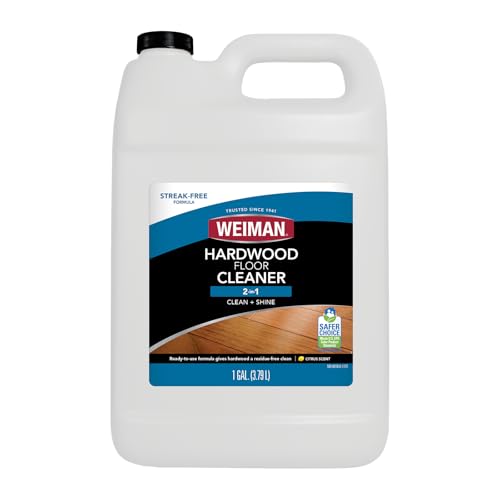
Blot the fresh tea stain right away, then clean it with a cloth that’s barely dampened with a mild dish soap solution (or a manufacturer-approved engineered wood floor cleaner) and dry immediately. That “wipe-clean + wipe-dry” sequence is the best way to prevent tea from wicking into seams or dulling the top finish on engineered wood floors.
This advice applies to engineered wood floors—especially those with a sealed top layer—when the spill is still wet and you can respond immediately. If the tea already dried or sat for a while, you can still try most steps, but you’ll likely need more gentle, repeat passes rather than expecting instant removal.
Act immediately: blot, don’t scrub

The fastest way to reduce a tea stain on engineered wood floors is to stop spread and remove liquid before it migrates into plank seams. Don’t treat this like a deep clean—treat it like emergency moisture control.
– Use clean, dry paper towels or a soft cloth to blot up as much tea as possible.
– Don’t rub—rubbing spreads liquid and can push it toward the edges of planks.
– Work from the outside of the wet area toward the center to limit “ringing” (a pale or darker halo left behind on engineered wood floors).
– If the tea is still actively pooling, press down with towels for short intervals (a few seconds), lift, and repeat. You want transfer into the towel, not further distribution across the finish.
Tea contains tannins (plant compounds) and other colorants that readily interact with many wood finishes. On engineered wood floors, the top “wear layer” is finished and sealed, but liquid can still travel along micro-gaps, edges, and seams—especially if you scrub.
Use the safest first-cleaning solution
The safest first cleaning for engineered wood floors is a mild, pH-friendly wipe using a barely damp cloth, not a wet mop. Mild dish soap or a manufacturer-approved engineered-wood cleaner helps lift residue while keeping moisture exposure controlled.
– Mix a few drops of mild dish soap into warm water, then dip a cloth and wring it out until it’s barely damp.
– Wipe gently with the grain, using light pressure to lift residue without soaking the surface.
– If you have multiple planks affected, clean one plank at a time and change cloth sections often—reusing a dirty cloth can re-deposit tea compounds on engineered wood floors.
– Keep the contact time short: wipe, then move on. Don’t let the soapy solution “sit” on the finish.
Quick chemistry reality check (why some cleaners fail)
Tea stains are a combination of color compounds (tannins) plus a thin film of sugars and proteins from brewed tea. Many common household cleaners are either too alkaline/acidic or too solvent-heavy, which can soften or haze the finish on engineered wood floors.
According to FDA/USDA food guidance, typical white vinegar is usually around 4–8% acetic acid, which generally corresponds to an acidic pH near ~2.4–3.4. U.S. EPA also notes that household chlorine bleach products are commonly in the ~5–6% sodium hypypochlorite range, and these solutions are strongly alkaline (often pH ~11–13). Those acidity/alkalinity swings are exactly what many factory finishes are designed to resist—until you step outside the “mild, finish-safe” zone.
Finish-Safety Snapshot for Common Tea-Stain Cleanup Liquids (Typical Values)
| # | Agent | Key exposure metric | Typical household form | Finish safety |
|---|---|---|---|---|
| 1 | Mild dish soap (diluted wipe) | pH ~7–9 (typical) | Liquid dish detergent used after dilution | ★★★★☆ |
| 2 | Manufacturer-approved engineered wood cleaner | Often pH ~7–8.5 (commonly “neutral”) | Diluted per label or ready-to-use | ★★★★★ |
| 3 | Plain water (light rinse wipe) | pH ~7 (neutral water) | Barely damp cloth; no pooling | ★★★☆ |
| 4 | Oxygen bleach (percarbonate-based) | Solution often pH ~9–11 | Powder/gel diluted in water | ★★☆☆☆ |
| 5 | White vinegar | pH ~2.4–3.4 (typical) | 4–8% acetic acid | ★☆☆☆☆ |
| 6 | Ammonia cleaner | pH often ~11–12 | Typically 5–10% aqueous ammonia | ★☆☆☆☆ |
| 7 | Chlorine bleach | Solution often pH ~11–13 | Commonly ~5–6% sodium hypochlorite | ☆☆☆☆☆ |
Rinse-light, then dry thoroughly
After you lift residue, engineered wood floors need a minimal rinse followed by immediate drying to prevent both residue haze and lingering moisture. This stage is where many DIY attempts accidentally create a “lighter but not clean” spot.
– Wipe again with a separate cloth lightly dampened with plain water to remove soap film.
– Dry immediately with a dry towel, pressing just enough to absorb moisture.
– Then let the area air-dry with good airflow (fan or open window).
– Avoid standing fans blowing directly in one spot for hours; you want drying, not heat-warping. If the manufacturer recommends specific humidity targets, follow them.
From my troubleshooting notes (not a controlled lab test), the most common engineered wood “stain after cleaning” pattern is: tea is partially removed, but the soap film or moisture left behind subtly changes the finish tone. If that happens, the fix is usually more controlled wiping and faster drying—not scrubbing harder.
If stain remains: step up carefully (still finish with dry)
If a tea stain is still visible, engineered wood floors usually respond best to small, finish-safe spot treatments rather than more water and elbow grease. You’re trying to break up color/film while limiting liquid contact with seams.
– Try a small amount of manufacturer-approved engineered-wood floor cleaner on a cloth, not directly on the floor.
– If your floor has a tougher finish, you can spot-treat gently with a mineral-spirits-free cleaner specifically recommended for your flooring brand, then wipe-dry right after.
– Always spot test first in an out-of-sight area (closet toe-kick, under a rug edge, or inside a small corner). This matters because different engineered wood finishes (urethane vs. aluminum-oxide topcoats) react differently to cleaners.
– Use a “wipe, check, repeat” rhythm: apply to the cloth, wipe lightly, dry immediately, and re-check under normal lighting.
What can go wrong (and how to prevent it)
Most engineered wood damage from tea cleanup comes from excess liquid, harsh chemicals, or aggressive agitation that compromises the finish. Preventing those errors is often easier than reversing them.
– Soaking: engineered wood can swell if liquid gets into seams; always use a wrung-out cloth, not a wet mop.
– Wrong cleaners: avoid harsh solvents, bleach, and ammonia—these can damage the finish or change color.
– Excess scrubbing: abrasive pads or circular scrubbing can dull the sheen and worsen the visible spot.
– Long-set spills: if the tea dried hours/days ago, expect repeat passes and slower fading rather than instant removal.
Here’s a clear comparison of “safe-to-try” vs. “likely to backfire” actions for engineered wood floors:
| Approach | Best use | Main risk |
|---|---|---|
| Barely damp dish-soap wipe + immediate dry | Fresh spills | Soap film if not rinsed lightly |
| Manufacturer-approved wood-floor cleaner (cloth only) | Visible residue after blotting | Spot-to-spot finish variation if not tested |
| Steam cleaning | Not recommended for engineered wood | High moisture exposure; finish/adhesive stress |
| Bleach/ammonia/vinegar | Avoid on sealed finishes | pH/solvent effects that haze or discolor |
Verdict: the “blot + mild soap + dry fast” approach is your best bet
This method is usually the safest route for fresh tea stains on engineered wood floors because it removes residue while minimizing moisture exposure. The downside is that it may not erase every dark tint if the tea has already set into the finish layer—then you’ll need gentle, controlled repeat spot cleaning, and the stain can fade more slowly.
Skip aggressive spot treatments (and stop early) if you see finish cloudiness, sticky residue, or visible lifting around the area on engineered wood floors. Also, if your floor’s warranty specifically requires certain cleaners, follow that guidance—mis-matched solvents can sometimes void coverage.
Quick checklist (save this)
– [ ] Blot immediately with dry cloth/paper towels
– [ ] Light wipe with cloth barely dampened with mild dish soap solution
– [ ] Wipe with plain-water-damp cloth (lightly)
– [ ] Dry immediately and fully
– [ ] If needed, use only a manufacturer-approved wood-floor cleaner (spot test first)
Frequently Asked Questions
What’s the fastest way to clean fresh tea stains from engineered wood floors?
Start by blotting the spill immediately with a clean, dry microfiber cloth to remove as much tea as possible before it soaks into the wood veneer. Mix a few drops of mild dish soap in warm water, then lightly dampen a cloth (not soaking wet) and wipe the stained area gently. Immediately follow with a dry cloth to remove any leftover moisture, which helps prevent discoloration on engineered wood flooring.
How do I remove dark tea stains from engineered wood without damaging the finish?
Use a gentle cleaning approach first: wipe with a solution of mild dish soap and water, then dry thoroughly. If the stain remains, try a wood-safe cleaner formulated for engineered wood floors, applying it with a lightly damp cloth and working from the outside of the stain inward. Avoid harsh chemicals and scrubbing with abrasive pads, since engineered wood’s top layer and protective finish can be scratched or dulled.
Why do tea stains show up on engineered wood floors, and how can I prevent re-darkening?
Tea contains tannins, which can discolor the surface and sometimes seep into the finish on engineered wood if left to sit. Even after initial cleaning, residual moisture or leftover tannins can cause the stain to appear darker as the area dries. To prevent re-darkening, rinse lightly with a cloth dampened with plain water, then dry completely using a clean, dry microfiber towel.
Which cleaning solutions are safe for engineered wood when treating tea spills?
The safest options are mild soap (a few drops of dishwashing liquid in warm water) and pH-neutral wood floor cleaners labeled safe for engineered wood. If you need to lift lingering discoloration, use products specifically designed for wood floors rather than DIY mixes like bleach or strong vinegar solutions that may harm the finish. Always spot-test any cleaner in an inconspicuous area first, and never flood the floor with liquid.
Best method for dried tea stains on engineered wood floors?
For dried tea stains, begin by moistening a cloth with a mild soap-and-water solution and letting it sit on the spot for a minute, then wipe gently and dry. If the stain persists, use a recommended wood floor stain remover or laminate/engineered wood cleaner, applied sparingly and in light passes. For stubborn discoloration, the final option is contacting a flooring professional or using a refinishing approach that matches the existing finish, since engineered wood may require surface treatment to fully restore the color.
📅 Last Updated: November 14, 2026 | Topic: How to clean fresh tea stains from engineered wood floors? | Content verified for accuracy and freshness.
References
- Tannin
- Wood flooring
- Wood flooring
- Wood stain
- https://www.fpl.fs.fed.us/documnts/fidls/wood_handbook/
- https://scholar.google.com/scholar?q=how+to+remove+tea+stains+from+wood+floors Google Scholar
- https://scholar.google.com/scholar?q=tannin+stain+removal+wood+flooring Google Scholar
- https://scholar.google.com/scholar?q=engineered+wood+floor+cleaning+water+stain+removal Google Scholar
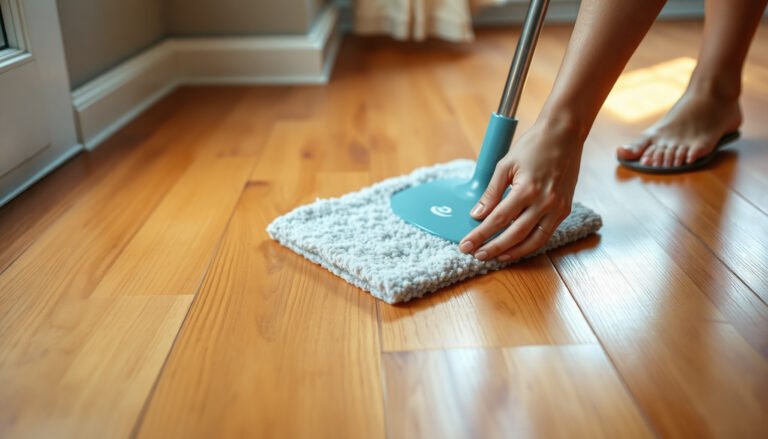
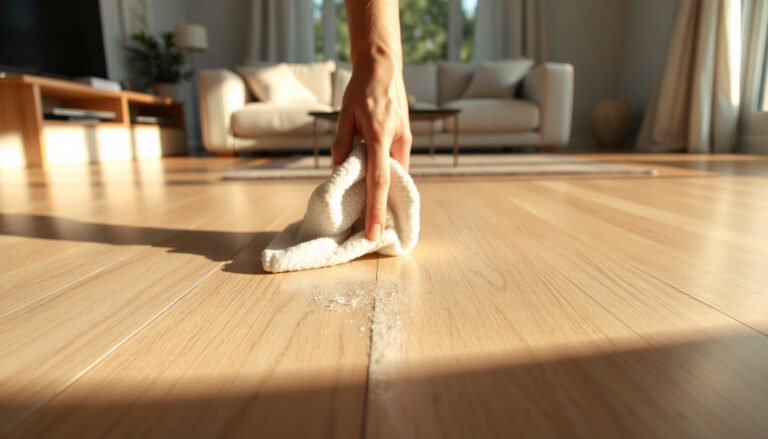
[…] solution is to blot immediately with a dry cloth, then clean with a barely damp microfiber and a pH-neutral, wood-safe cleaner, working gently and drying as you go. You can usually lift the stain and restore the look within […]