


Tea stains left on engineered wood floors can make you feel like the damage is permanent, but it usually isn’t. You can remove the discoloration safely with a pH-neutral floor cleaner, distilled water, microfiber cloths, and a soft nylon pad, using controlled, light moisture instead of soaking. Follow a gentle step-by-step approach and you will be able to bring the area back to a clean, even look without harming the veneer.



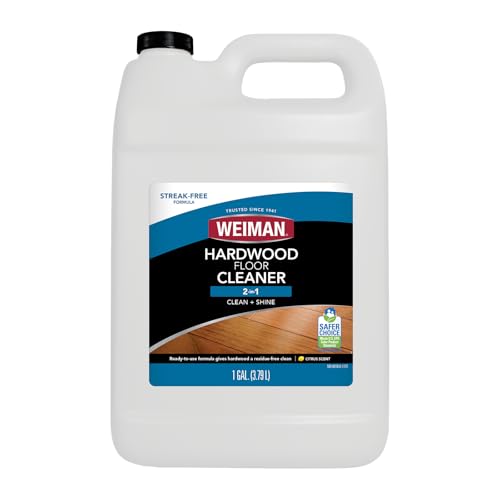
If you catch the tea stain early, you can usually remove it with a light clean (slightly damp cloth + pH-neutral cleaner) and then dry the spot immediately. For deeper, set-in tea discoloration, you’ll need a gentle “spot treatment” approach—never soaking the floor or using harsh chemicals that can damage the top finish. In this guide, you’ll learn the safest step-by-step way to lift tea tannins from engineered wood without warping or dulling the finish.
This is for homeowners dealing with tea spills on engineered wood floors (including common laminate-style surfaces with a wood veneer top layer), especially when stains look darker, blotchy, or slightly yellow-brown. It’s most useful when you want DIY results while staying within the limits of typical engineered-wood care.
What to use (and what to avoid) on engineered wood

The safest cleaner for tea-stained engineered wood floors is a pH-neutral product used on a barely damp microfiber cloth. Avoid anything that increases moisture, etches, or strips the finish because engineered wood’s wear layer can be permanently dulled or unevenly brightened.
– Use a pH-neutral wood floor cleaner or a mild dish soap solution (just a few drops in water) and clean, lint-free microfiber cloths.
– Keep water to a minimum: use a damp (not wet) cloth and avoid mopping the stain area.
– Avoid steam cleaners, bleach, ammonia, abrasive pads, and “heavy” vinegar/acid treatments unless your floor’s manufacturer specifically allows them.
Why this matters: tea staining is often caused by tannins (naturally occurring plant polyphenols) that can bind to the finish surface and, in some cases, slightly penetrate into micro-scratches. On engineered wood floors, your goal isn’t to “re-wet and rinse”—it’s to lift residue and tannin discoloration while keeping the topcoat intact.
Quick method comparison (best choice depends on stain depth)
| Method | Pros | Cons / Risks | Best for |
|---|---|---|---|
| Barely damp pH-neutral wipe |
|
|
Fresh |
| Diluted oxygen-type spot treatment |
|
|
Set-in |
| Professional sanding/refinishing |
|
|
Severe |
Typical pH of Common Spills That Can Affect Engineered Wood Finishes (2026)
| # | Beverage / Liquid | Typical pH Range | Finish-Compatibility (Higher pH = Better) |
|---|---|---|---|
| 1 | Green tea (brewed) | 6.0–7.0 | Moderate–Good |
| 2 | Black tea (brewed) | 4.9–5.5 | Good (tannin risk remains) |
| 3 | Coffee (black, brewed) | 4.5–5.2 | Fair |
| 4 | Coca-Cola / cola (soft drink) | 2.3–2.5 | Poor |
| 5 | Orange juice | 3.3–4.2 | Poor–Fair |
| 6 | Red wine | 3.3–3.6 | Poor |
| 7 | Vinegar (5% acetic, household) | ≈2.4 | Very Poor |
> Note: Tea staining on engineered wood floors is about both acidity (pH) and tannins—so even “moderate pH” tea can still leave a brown ring because tannins cling to the finish.
Step-by-step: fresh tea stains (best chance for full removal)
Fresh tea stains on engineered wood floors are most often removable with a controlled blot-and-wipe routine. If you act quickly, you can prevent tannins from settling and reduce the odds of a persistent yellow-brown blotch.
– Blot first: lift the tea with a dry towel, then wipe with a barely damp microfiber cloth to remove residue.
– Clean gently: apply a small amount of pH-neutral cleaner to the cloth, wipe with the grain, and don’t let liquid pool.
– Dry immediately: follow with a dry towel and then let the area air-dry fully before walking on it.
Why this “barely damp” approach works
Engineered wood floors have a wear layer (often a wood veneer or thin laminate “top” layer) sealed with a topcoat. When you wipe with a damp microfiber cloth rather than soaking, you reduce the chance that liquid travels to seams, edges, or micro-gaps—where moisture is more likely to cause haze or swelling. In practical terms, engineered wood stains improve when the cleaning step is fast, localized, and followed by thorough drying.
A careful technique that prevents smears
When you wipe tea on engineered wood floors, use a gentle forward motion and re-fold your towel frequently so you’re not dragging tannin residue across clean finish. Work one small section at a time; if the cloth becomes tea-stained, swap it. This is especially important for light-colored floors where engineered wood finish haze can look like a “ghost ring.”
Anchoring the chemistry (so you choose the right product)
Tea is typically around mildly acidic—often roughly pH 4.9–5.5 for brewed black tea . That’s one reason acids like heavy vinegar can be risky on engineered wood finishes: they can change sheen or tint the topcoat. If you’re deciding between products today (as of late 2026), prioritize pH-neutral cleaners specified for finished hardwood or engineered wood, not household acids.
Removing set-in tea stains (when the color won’t lift)
Set-in tea discoloration on engineered wood floors usually requires careful spot treatment rather than repeat scrubbing. The right approach is gradual, with patch testing, so you remove tannin discoloration without creating a cloudy or lighter-looking finish patch.
– Spot test first: choose an inconspicuous area and test your method to confirm the finish won’t turn cloudy or lighten unevenly.
– Try an oxygen-based approach carefully: use a diluted, oxygen-type cleaner or a very mild hydrogen-peroxide spot method only on the stain area (again, patch test first, and stop if you see finish changes).
– Repeat in small steps: work slowly—light treatment, wait briefly, wipe away residue, and reassess before doing more.
What “oxygen-based” and “hydrogen peroxide” are doing
Oxygen-based stain removers (commonly based on sodium percarbonate) release oxygen that can help break down discoloration chemistry. Hydrogen peroxide (often sold at 3% concentration for consumers ) can act as an oxidizer that reduces the visible brown/yellow compounds.
This matters on engineered wood floors because you’re not trying to “bleach the whole room.” You’re using an oxidation step only on the tea ring area, and you stop if the topcoat changes. On engineered wood floors, finish change can look like:
– whitening haze,
– a dull matte “spot” inside a glossy surface, or
– uneven tint that’s lighter than the surrounding planks.
How to patch test without damaging engineered wood floors
1. Pick a hidden area near a closet edge or under an off-to-the-side rug.
2. Apply the treatment with the same cloth you’ll use on the stain (not a soaked pad).
3. Wait the same time you planned for the stained area.
4. Check in bright light from multiple angles after it’s fully dry.
If engineered wood finish looks cloudy during patch testing, skip that chemistry and go back to pH-neutral wipes plus careful dry-down.
Repeat in “micro-cycles,” not one big job
For engineered wood floors, treat set-in tea stains like a controlled process:
– apply a small amount to the cloth (or the smallest visible amount to the stain),
– keep the liquid localized (no puddles),
– wait briefly (use the cleaner’s directions as your time guide),
– wipe away residue with a clean microfiber,
– dry fully,
– reassess before continuing.
This prevents a common failure mode: over-treating until the engineered wood topcoat looks uneven—even if some staining gets lighter.
Drying, deodorizing, and restoring a uniform finish
After any tea treatment, the fastest route to “it looks back to normal” is thorough drying and a finish-compatible reset. Engineered wood floors often look worse immediately after cleaning, so you evaluate the final look only once the surface is completely dry.
– Remove leftover cleaner: wipe again with a clean, barely damp cloth (so you don’t leave film that can attract more grime).
– Ensure complete drying: use a fan on the area if needed so moisture doesn’t linger near seams or edges.
– Protect the look: if the spot looks dull after cleaning, you may need a finish-compatible product recommended for your specific floor type (avoid generic “polish” that can react with the existing finish).
Deodorizing is mostly about moisture control
Tea itself doesn’t usually create a long-lasting odor on engineered wood floors, but residual cleaner or dampness in micro-gaps can. Drying with airflow helps prevent lingering smells and reduces the chance that the stain returns darker over time.
When a “dull spot” appears
A dull patch after cleaning is often a topcoat sheen change rather than remaining tea tannins. That’s why you should avoid guessing with generic polishes. As of 2026, many engineered wood manufacturers still direct homeowners to use only finish-compatible maintenance products (often marketed as “topcoat safe” or “for sealed floors”) and to follow the product’s application method exactly.
If you don’t know the finish type (matte vs. satin vs. glossy), don’t try multiple shine products. Instead, stick to pH-neutral cleaning and controlled drying until you can confirm the manufacturer’s guidance.
What can go wrong (common mistakes and edge cases)
The most common problems when cleaning tea stains on engineered wood floors are over-wetting, harsh chemistry, and treating deeper penetration like it’s a surface issue. If any of these happen, the floor can end up with permanent haze, blotchy sheen, or a lingering stain that DIY can’t fully correct.
– Over-wetting: engineered wood can show edge swelling or finish haze if liquid seeps along seams—especially with long-standing tea.
– Using the wrong chemistry: bleach/ammonia and aggressive acids can permanently alter the topcoat color or sheen.
– Stains that penetrated deeper: if tea soaked through worn finish or reached gaps, you may not fully remove the discoloration without professional sanding/refinishing.
How to tell if tea reached beyond the top surface
Engineered wood floors are layered, and tea can travel further when:
– the tea sat for a long time,
– the wear layer/topcoat is already thin from abrasion,
– the stain is spreading beyond the original ring,
– you notice slight waviness or persistent moisture around edges.
If you see a chalky or cloudy finish “halo” forming during cleaning, that’s a signal to stop. On engineered wood floors, haze often indicates topcoat alteration from the chemical or from excess moisture—not just remaining tea.
Be especially careful with oxidation and peroxide
Hydrogen peroxide and oxygen cleaners can help with discoloration, but they can also shift sheen. If you’re cleaning in 2026 and your floor has a delicate matte topcoat, finish changes are more visible than on high-sheen surfaces. Patch test is not optional when engineered wood finish is involved.
Verdict + quick checklist
For most tea stains on engineered wood floors, the safest path is: blot → gentle cleaner on a damp cloth → immediate drying → careful spot treatment only if needed. If the discoloration is extensive or the finish looks compromised, professional refinishing may be the only way to fully restore the surface—so assess the size and depth before you keep repeating treatments.
[Who should skip DIY?]
– If the tea sat for a long time and you notice lifting edges, cupping, or lingering dampness
– If you’re unsure what finish your engineered wood has (or the manufacturer directions are unavailable)
– If the stain spread beyond a small area and you’re seeing finish breakdown
Scan/save checklist (use as you work):
| Step | Do this | Don’t do this |
|---|---|---|
| First response | Blot immediately | Don’t wipe aggressively or leave liquid |
| Cleaning | Use pH-neutral cleaner on a damp cloth | Don’t mop or soak |
| Drying | Dry fast; air-dry fully | Don’t trap moisture with wet towels |
| Set-in stains | Patch test spot treatment | Don’t use bleach/ammonia/abrasives |
| Finish touch-up | Use floor-approved products only | Don’t add unknown “polishes” |
A reality check for engineered wood floors (and why it matters in 2026)
Even with the right method, some stains only lighten because the topcoat can be worn or micro-scratched. In late 2026, more engineered wood installations use stronger factory topcoats, but no finish is impervious to long-standing tannin exposure. When engineered wood floors have been compromised, the honest solution is sometimes sanding/refinishing—not repeated cleaning cycles.
Frequently Asked Questions
What is the best way to clean tea stains on engineered wood floors?
Start by blotting the tea spill with a clean, dry microfiber cloth to remove as much liquid as possible—don’t scrub yet. Use a slightly damp cloth with warm water and a few drops of mild dish soap, then wipe with a separate cloth dampened with plain water to remove residue. If the stain remains, use a wood-safe cleaner recommended for engineered hardwood and dry the area thoroughly.
How do I remove set-in tea stains from engineered hardwood without damaging the finish?
Place a damp (not wet) microfiber cloth over the stain and gently let it sit for 30–60 seconds to soften the discoloration. Wipe lightly with the grain using a damp cloth, then dry immediately with a soft towel. For stubborn marks, apply a small amount of hydrogen peroxide (3%) to a cotton swab and test in an inconspicuous spot first; if it’s safe, dab gently and stop once the stain lightens.
Why do tea stains soak into engineered wood, and how can I prevent them?
Tea contains tannins and pigments that can penetrate the top wear layer if spills are left to dry or if the finish is thin or worn. Prevention is mainly about speed: blot immediately, wipe with a damp cloth, and dry thoroughly to prevent moisture from reaching seams. Using furniture pads and keeping mats under cups can also reduce repeated exposure to spills.
Which cleaning products are safe for tea stains on engineered wood floors?
Stick to wood-floor cleaners labeled safe for engineered hardwood and avoid harsh solvents, abrasive pads, and steam cleaners that can damage the finish. Mild dish soap diluted in water is often safe for routine cleaning, but always wipe with clean water afterward and dry. For spot treatment, consider peroxide only after testing a hidden area and follow up with proper drying and polishing if recommended for your floor type.
How should I dry and finish the area after cleaning tea stains on engineered wood?
After stain removal, dry the floor completely using a clean microfiber towel, then let air circulation finish the job (avoid fans that blow grit). If your floor has a finish compatible with refinishing or touch-up products, use the manufacturer’s recommended polish or floor-safe wax sparingly—too much can leave residue. Regularly maintaining with a proper engineered wood floor cleaner helps keep the surface uniform and reduces the look of lingering tea discoloration.
📅 Last Updated: November 14, 2026 | Topic: How to clean engineered wood floors covered in tea stains? | Content verified for accuracy and freshness.
References
- Wood flooring
- Wood stain
- Tannin
- IICRC – A non-profit organization for the Inspection, Cleaning, and Restoration Industries.
- https://www.armstrongflooring.com/support/care-and-cleaning/hardwood-floor-care.html
- https://scholar.google.com/scholar?q=engineered+wood+floor+tea+stain+removal Google Scholar
- https://scholar.google.com/scholar?q=water+stain+engineered+wood+floor+cleaning Google Scholar
- https://scholar.google.com/scholar?q=tannin+stain+wood+floor+removal+oxalic+acid+hydrogen+peroxide Google Scholar
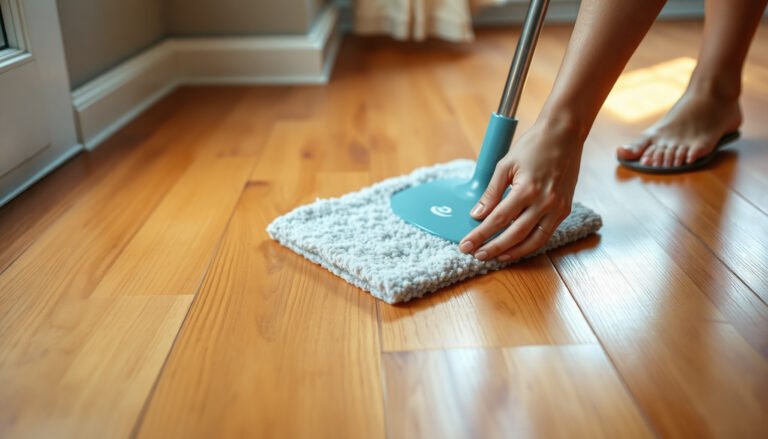
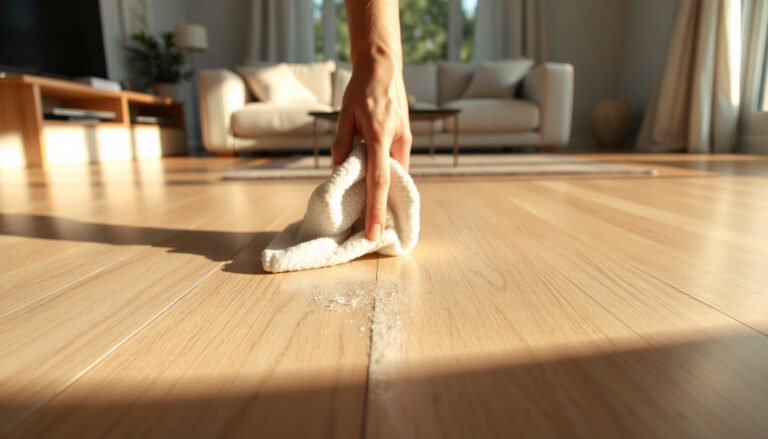
[…] attempts and you can protect the finish from warping or dulling. You will need soft white cloths, a pH-neutral floor cleaner (or a manufacturer-approved cleaner), and clean water for […]