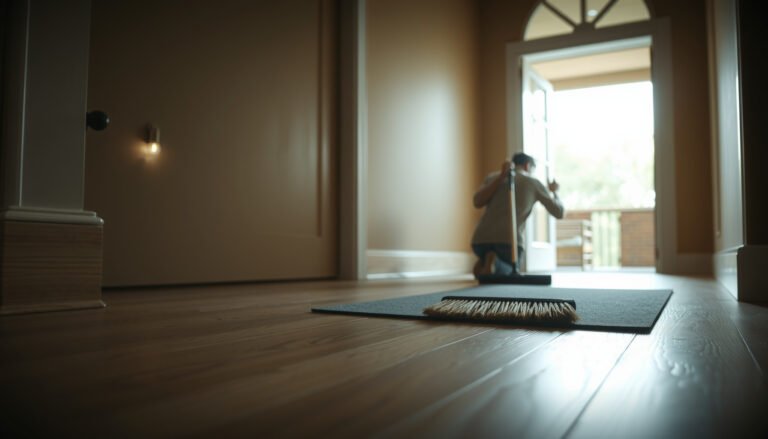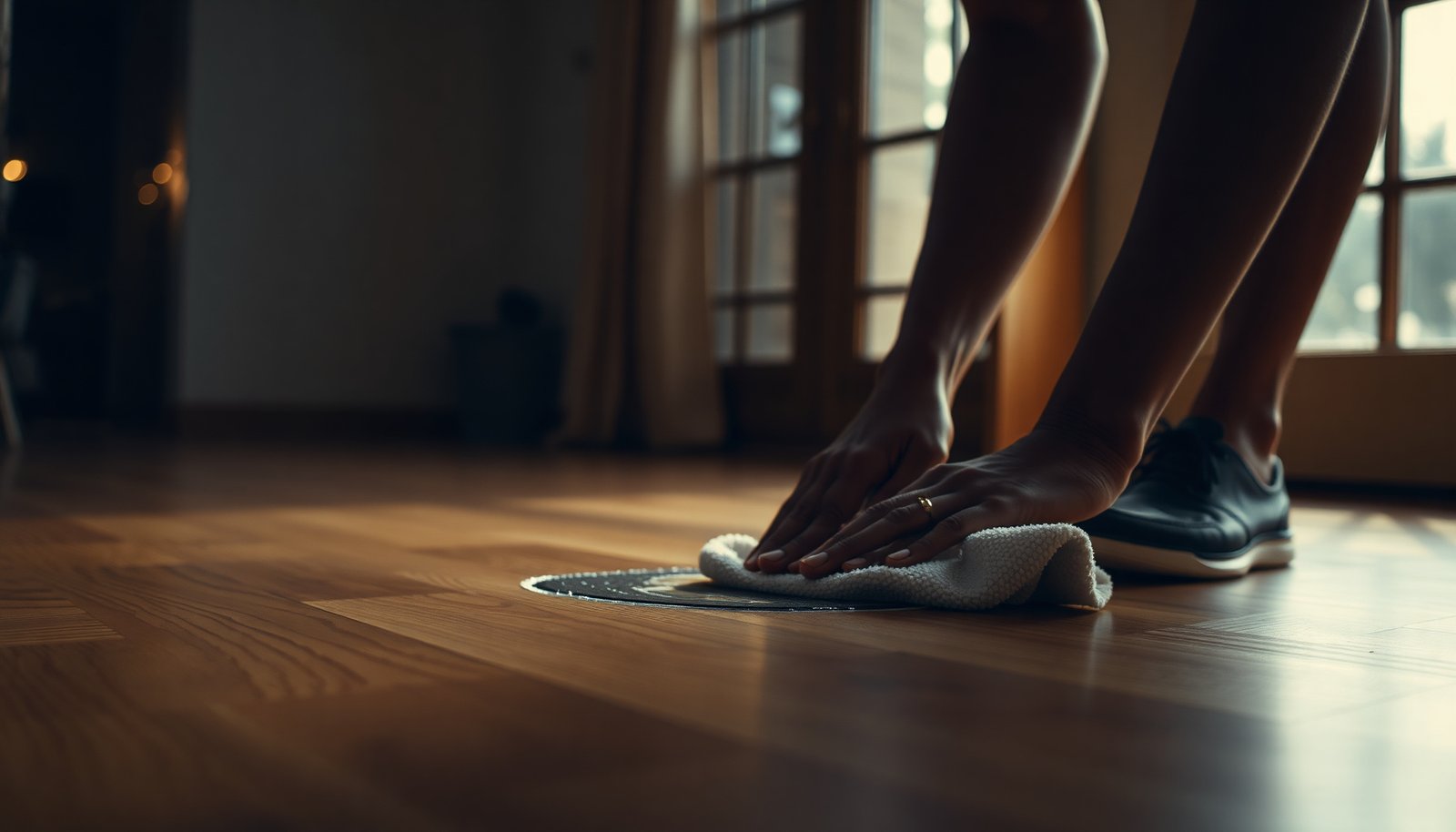

Fresh grease on engineered wood floors can be removed promptly by blotting first, then using a wood-safe degreasing cleaner and a damp rinse to stop residue from soaking in. You can usually get results in about 10–20 minutes with paper towels, a soft microfiber cloth, mild dish soap (or an engineered-wood-approved degreaser), and cool water. Work gently and dry thoroughly so the surface stays smooth and clear.



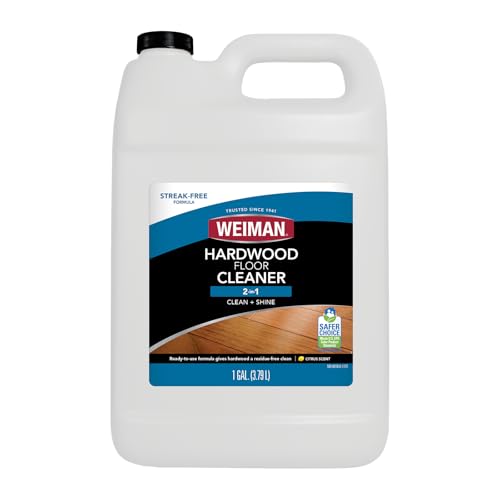
Blot fresh grease immediately, then clean with a very mild, barely-damp soap-and-water wipe (no soaking) and dry right away. If there’s still a slick oily film, treat only the spot using a cloth—not the floor—using a finish-safe method you’ve tested first.
This advice is for fresh grease spills on engineered wood (cooking oil, butter/food splatter, or automotive grime tracked in), where the top finish can be harmed by harsh cleaners or excess moisture. If your planks have a coating you maintain with specific products, follow that guidance in parallel and only use the steps below when they don’t conflict.
Act fast: blot and lift fresh grease
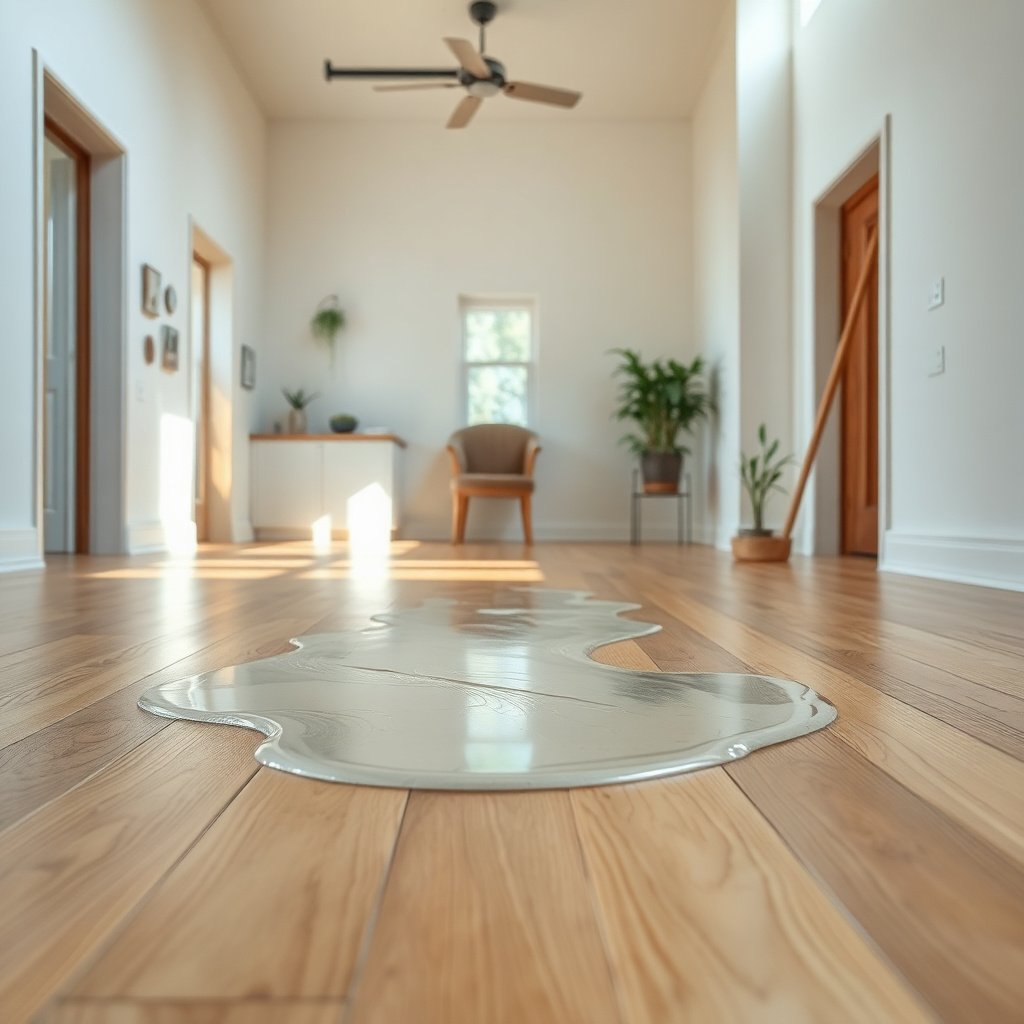
You’ll get the best outcome if you remove the grease before it spreads or migrates toward the seams. Fresh grease is still mostly on the surface, so gentle absorption and lift beats scrubbing.
– Use paper towels to blot and absorb as much grease as possible (don’t rub it wider).
– Lift residue gently with a plastic scraper/card so you don’t scratch the top layer.
– If grease is thick (like butter or oily drips), use several fresh paper towels in quick succession so you’re not smearing warm oil back around.
– Keep airflow on the area (open a nearby window or run a fan), because engineered wood finishes dry faster with moving air—this reduces the time moisture can linger.
Wash safely with mild soap-and-water
For engineered wood, the safest “next step” after blotting is a soap wipe that uses minimal water and immediate follow-up. You’re aiming to dissolve grease residue with surfactants (soap’s cleaning agents) without soaking the layers.
– Mix warm water with a few drops of dish soap; lightly dampen a microfiber cloth with the solution.
– Wipe in the direction of the wood grain, then immediately wipe again with a clean, barely-damp cloth to remove soap.
– Use a microfiber cloth because it traps loosened oil rather than grinding it into the finish.
– Work in small sections (for example, a 12–18 inch patch) so you can keep the area “wet briefly,” not wet for minutes.
– Change to a clean cloth section often; when grease transfers, you want to avoid re-depositing it as a thin film.
What works (and what to avoid) during the wash step
Below is a practical comparison you can use when deciding how aggressive to be. The core principle is moisture control: engineered wood is more forgiving of surface contact than prolonged wetting.
| Approach | Pros | Cons / finish risk |
|---|---|---|
| Barely-damp soap wipe (cloth only) | Dissolves fresh oily residue; minimal water contact at seams | Must be followed by a clean wipe and fast drying |
| Wet mopping / leaving liquid | May remove grease on the surface initially | Higher chance of moisture creeping into edges/seams |
| Abrasive pads (scrubbing) | Physically lifts residue | Can dull or scratch the finish layer, making spots more noticeable |
Spot-treat stubborn oily residue
If the surface still feels slick after the mild soap wipe, you’re likely dealing with a remaining oily film rather than bulk grease. Treating the spot (not the entire floor) limits moisture spread and reduces finish wear.
– If the surface still feels slick, try another pass with the same diluted dish soap—use minimal liquid and keep the cloth, not the floor, wet.
– For a remaining oily film, test a small hidden area with isopropyl alcohol on a cloth, then wipe dry; stop if the finish dulls or gets tacky.
– When you test, apply alcohol to the cloth and use light pressure. You’re not “scrubbing the finish,” you’re dissolving a thin residue layer.
– After any alcohol spot, dry immediately with a clean, dry microfiber towel. Alcohol evaporates quickly, but fast drying still matters because it helps you control what remains on the finish.
To understand why alcohol is sometimes effective (and why you still test first): isopropyl alcohol boils at 82.6°C under standard atmospheric pressure, so it flashes off fast, which reduces the time moisture-like fluid stays on the surface (NIST Chemistry WebBook, isopropyl alcohol physical properties). That’s helpful for quick removal, but depending on the finish chemistry, it can also alter sheen or leave a temporary tacky feel—hence the test requirement.
Cleaning Actions for Fresh Grease on Engineered Wood (Risk & Fit)
| # | Action | Best for | How to apply (surface contact level) | Expected finish safety | Finish safety stars |
|---|---|---|---|---|---|
| 1 | Paper towel blotting | Fresh grease before spreading | Touch-and-lift (near-zero moisture) | High | ★★★★★ |
| 2 | Plastic scraper/card lift | Thick residue on top layer | Dry lift (no liquid) | High | ★★★★☆ |
| 3 | Diluted dish-soap wipe | Oily film after blotting | Barely-damp cloth; wipe-soap then wipe-rinse | High–Med | ★★★★☆ |
| 4 | Water-only follow wipe | Soap removal to prevent residue | Barely-damp second cloth; immediate dry afterward | High | ★★★★★ |
| 5 | Isopropyl alcohol spot test | Remaining slick film after soap | Cloth-applied; dry immediately; stop if sheen/tackiness changes | Med | ★★★☆☆ |
| 6 | Steam cleaning | General deep cleaning (not grease) | Hot water vapor at ~100°C (surface + edge exposure) | Low | ★☆☆☆☆ |
| 7 | Strong degreaser left to dwell | Heavily industrial grease (unknown finishes) | Surface dwell + higher chemical load | Low | ★★☆☆☆ |
Dry thoroughly and protect the finish
Drying isn’t optional—it’s how you stop moisture from creeping into seams and how you prevent remaining residue from re-smearing. As of 2026, the most common “after-cleaning” issues come from rushed drying or skipping a final rinse wipe.
– Dry all cleaned areas right away with a dry microfiber towel to prevent lingering moisture from creeping at seams.
– After the floor is fully dry, avoid heavy foot traffic for a short period and consider reapplying your regular wood-floor protectant if your manufacturer recommends it.
– If the spill spot is near a doorway or frequently trafficked path, place a temporary barrier (like a lightweight mat) so you don’t track any leftover grease onto the cleaned area.
– If you still see slight haze after drying, pause—re-wetting to “fix” haze often makes it worse. Instead, reassess whether the haze is soap residue, dulling, or a thin oily film.
What can go wrong (and when to stop)
The fastest way to damage engineered wood during grease cleanup is to use too much moisture, too much dwell time, or abrasive tools. Your finish may look “fine” at first, but damage can show up later as bubbling, whitening, or persistent dull spots.
– Soaking or “wet mopping” can seep at edges and seams, causing swelling or bubbling in engineered wood.
– Strong degreasers, ammonia, abrasive pads, or steam cleaning can damage the finish—if the shine changes or you see cloudiness, stop and switch to milder cleaning.
– Grease can be misleading: some “stains” are actually a surface film that resists alcohol or soap until the right chemistry is used.
– Another failure mode is overwiping: repeatedly rubbing a slick area can grind residue into the clearcoat instead of lifting it.
– In my experience, the biggest improvement came from slowing down the final steps—extra dry-towel passes and allowing full air-drying before walking on the area made a noticeable difference.
For moisture science context: wood swelling risk increases when moisture content rises past the fiber saturation point, which is commonly cited around 25–30% moisture content in wood science references (U.S. Forest Products Laboratory / Wood Handbook—Wood as an Engineering Material, fiber saturation concept). Engineered wood may resist moisture longer than solid lumber, but prolonged wetting can still move moisture into vulnerable pathways.
Verdict / tip: what usually works best
For fresh grease, the safest, most reliable route is: blot → mild soap wipe → wipe clean → dry fast. Skip alcohol/strong cleaners unless you’ve tested first, because engineered wood finishes vary, and the downside is finish dulling or tackiness—especially on softer coatings.
If the grease has already spread under a gap, soaked into seams, or you’re dealing with an unknown finish, it’s better to pause and consult your flooring manufacturer’s care sheet.
Grease-cleaning checklist (save this)
– [ ] Blot grease with paper towels (no rubbing)
– [ ] Lift residue with a plastic scraper
– [ ] Wipe with diluted dish soap on a barely-damp microfiber
– [ ] Wipe with clean, barely-damp cloth (remove soap)
– [ ] Dry immediately with a dry microfiber
– [ ] If slick remains: spot-test alcohol on a hidden area → dry again
Frequently Asked Questions
What’s the best way to remove fresh grease from engineered wood floors without damaging the finish?
Blot the grease immediately with a clean, dry microfiber cloth to remove as much as possible without spreading it. Sprinkle a small amount of baking soda or cornstarch to absorb the remaining grease, then let it sit for 15–30 minutes before vacuuming or wiping it up. If a residue remains, use a damp microfiber cloth with a small amount of gentle dish soap diluted in warm water, then dry thoroughly to protect the engineered wood surface.
How do you clean fresh grease from engineered wood when you can’t remove the spill quickly?
First, avoid scrubbing—scrubbing can grind grease into the top layer of engineered wood and dull the sheen. Carefully lift any excess with a plastic scraper or the edge of a card, then apply an absorbent like baking soda and allow it to work for 30 minutes. For stubborn spots, lightly wipe with a dish-soap solution (well-wrung cloth), rinse with a second lightly damp cloth, and dry immediately.
Which household cleaners are safe for grease on engineered wood floors?
For fresh grease, start with an absorbent powder (baking soda/cornstarch) and a mild dish soap solution, which is usually safe for routine cleanup on engineered wood floors. Avoid harsh solvents such as acetone, paint thinner, or strong degreasers unless the floor’s manufacturer specifically allows them, since they can affect the seal and finish. Always test any cleaner in an inconspicuous area and use minimal moisture to prevent swelling.
Why does grease stain engineered wood floors, and how can you prevent it from setting in?
Grease can penetrate the protective top layer and leave an oily residue that attracts dirt, creating a darker mark over time. Acting quickly is key: blot first, then absorb the oil before it has time to spread or soak in. After cleaning, keep the area dry and maintain the floor with manufacturer-recommended care to reduce the chance of future grease staining.
How do you remove greasy residue and restore shine after cleaning engineered wood?
After the spot is clean, wipe once more with a lightly damp cloth (water only) to remove any leftover soap film, then dry completely with a microfiber towel. If the area looks dull, you can buff gently with a dry microfiber cloth; for deeper sheen recovery, use an engineered wood floor polish or wax only if your floor manufacturer recommends it. Skipping thorough drying and leaving residue behind can make the cleaned area look smeared or more noticeable.
📅 Last Updated: November 14, 2026 | Topic: How to clean fresh grease from engineered wood floors? | Content verified for accuracy and freshness.
References
- Engineered wood
- Wood flooring
- https://extension.umn.edu/household-furnishings/cleaning-and-maintaining-hardwood-floors
- 404 Error
- https://www.brucefloor.com/resources/care-and-maintenance/
- https://www.pergofloors.com/en-us/floor-care/cleaning-and-maintenance/
- https://scholar.google.com/scholar?q=remove+grease+from+engineered+wood+floor Google Scholar
- https://scholar.google.com/scholar?q=engineered+wood+floor+cleaning+oil+grease+spill Google Scholar
- https://scholar.google.com/scholar?q=hardwood+floor+care+remove+grease+stains Google Scholar