


Grease on engineered wood floors often gets grimy fast, and wiping it with the wrong cleaner can dull the finish or damage the top layer. You can remove it safely and quickly by using the right degreasing method and the correct approach for sealed versus unsealed surfaces—typically in about an hour for a small spot. Start by gathering a few basics: a soft microfiber cloth, a pH-neutral wood floor cleaner (or an appropriate grease remover), and clean water for rinsing. Once you follow the steps in the right order, your floors will look clean again without guesswork.



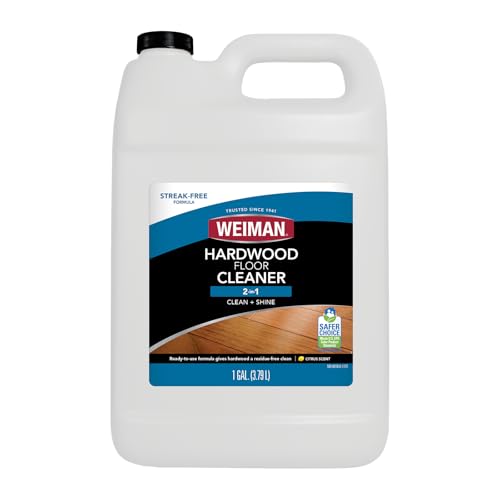
Blot and lift the grease first, then use a wood-safe degreaser method (warm water + a small amount of dish soap, or a dedicated wood-floor degreaser) rather than soaking the floor. Work in small sections, rinse lightly, and dry immediately to protect the engineered wood finish and core. This guide shows the safest order of operations so you remove grease without turning it into a bigger, smeary film.
If you’ve got cooking grease, oily footprints, or residue from a spill on engineered wood, the “right” cleaner depends on whether the stain is fresh or set and how your floor is finished. The steps below are designed for typical sealed/finished engineered wood and focus on degreasing without over-wetting or using harsh solvents.
Gather what you need (and skip the risky stuff)

Have everything ready so you can lift oil fast and avoid wetting engineered wood longer than necessary. The goal is simple: keep liquids off the surface (especially away from seams) while using gentle agitation to break the grease’s grip.
For finished engineered wood, this “damp cloth” workflow protects what matters most: the top wear layer and the coating system. In my own maintenance routine, I use the same setup every time because it prevents the common mistake of returning to the area later with a soaked mop.
– Use soft microfiber cloths/paper towels, warm water, mild dish soap (or a wood-floor degreaser labeled safe for finished wood), and a bucket.
– Avoid soaking tools (steam mops, wet mops), and be cautious with strong solvents like acetone/paint thinner—they can damage finishes.
– Have a dry towel ready for immediate drying after any rinse.
– Optional but helpful: a plastic scraper with a dull edge (for stuck residue only after softening), and painter’s tape to mark off a “small section” while you work.
Quick chemistry reality check (why “warm + light soap” works)
Grease removal depends on changing the grease from a stubborn film into something water-assisted cleaning can lift. Warm water helps grease soften—many common fats begin transitioning toward liquid in the ~30–40°C range, which makes them easier to move with surfactants. For example, butter’s melting range is roughly in the low-to-mid 30s °C depending on formulation (NIST Chemistry WebBook (accessed 2026)).Also, dish soaps work because surfactants form micelles (tiny grease-carrying spheres), which can suspend oily residue so it wipes away rather than smearing. A reference point: the critical micelle concentration of sodium dodecyl sulfate (an anionic surfactant) is about 8.2 mM at 25°C (CRC Handbook (2023 edition)), supporting the general principle that small, controlled detergent amounts matter.
Remove fresh grease without spreading it
Start with blotting so you lift oil before it smears into a wider film. Fresh grease is the easiest case: your first job is to remove as much bulk oil as possible without pushing it across the surface.
Lightly dampen a cloth with your warm soapy solution (not the floor), then dab and gently wipe in the direction of the wood grain. Avoid circular “buffing” at this stage, because that can redistribute oil and create swirl marks that are harder to remove later.
Then rinse with a separate cloth lightly dampened with clean water, and dry right away with a microfiber towel. This rinse/dry step is what separates “grease removal” from “grease + soap residue,” which can leave hazing or a cloudy film.
Fresh-grease step sequence that’s hard to mess up
– Blot first: Press a dry microfiber/paper towel on the grease; lift, replace, repeat.
– Dampen control: Cloth should feel damp, not wet—no dripping, no pooling.
– Soapy lift: Dab/short-wipe with grain direction.
– Minimal rinse: Wipe again with a clean, lightly damp cloth (not a second full wash).
– Immediate dry: Finish with a dry microfiber towel to protect the finish.
Lift dried or set-in grease safely
Start by softening the residue so you can lift it with controlled moisture rather than aggressive scrubbing. Dried grease behaves like a stuck film—if you jump straight to soap-water, you’ll often smear it into a larger, dull-looking patch.
For dried spots, soften the residue first: place a barely damp cloth over the area for a few minutes (don’t let puddles form). Then use the degreasing step (mild dish soap or a wood-floor degreaser) with gentle agitation—small circular motions only if needed, and always followed by wiping with the grain.
From there, repeat in rounds. Fewer, controlled passes are usually safer than aggressive scrubbing that can dull the finish or “burnish” residue into the coating.
Why “rounds” matter for engineered wood
Engineered wood floors typically have a protective topcoat over a layered core. When you scrub too hard or too long, you can increase wear—especially at the edges of the spot where residue gathers. Working in rounds also reduces the time water sits on the surface, which matters because engineered wood is still vulnerable to moisture if liquid finds its way into seams.
Choose the right degreaser strength (without overdoing it)
Use the mild approach first because it’s the best balance of grease-fighting power and finish safety. If mild soap-water doesn’t move the residue after a careful round, step up to a wood-floor degreaser designed for finished wood.
Mild approach: a few drops of dish soap in warm water is often enough for light grease films and fresh smudges. Stronger approach: if soap-water doesn’t cut it, use a product specifically meant for finished wood floors (follow the label exactly and test in a hidden spot first).
Also pay attention to early warning signs. If you see hazing, stop and switch to gentler solution and more careful rinsing/drying—over-wetting or leaving residue behind often causes cloudy patches.
How grease “state” affects cleaning difficulty
Heavier, higher-melting greases tend to stay more solid at typical indoor temperatures, so they need better softening and more controlled detergent action. Warm water helps, but it should still be applied via a cloth (not poured).
To make this practical, here’s a quick reference linking common cooking fats to likely grease mobility at room temperature.
Grease Mobility at Room Temperature (Common Cooking Fats)
| # | Fat/grease | Typical melting range (°C) | Room-temp behavior | Grease mobility score |
|---|---|---|---|---|
| 1 | Canola oil | ~ -5 to -10 | Stays liquid; spreads as thin film | ★★★★★ |
| 2 | Olive oil | ~ -6 to -3 | Remains fluid; easier to lift | ★★★★★ |
| 3 | Coconut oil | ~ 24 to 26 | Partial solidity; softens with warmth | ★★★★☆ |
| 4 | Butter (fat) | ~ 32 to 35 | Semi-solid; can leave dull film | ★★★☆☆ |
| 5 | Palm oil | ~ 33 to 39 | Softens slowly; more residue risk | ★★★☆☆ |
| 6 | Lard | ~ 35 to 40 | Often waxy at room temp | ★★☆☆☆ |
| 7 | Beef tallow | ~ 44 to 50 | Stays solid; hardest to lift | ★☆☆☆☆ |
Method note: This “mobility score” is a practical heuristic based on whether the grease melting range is below or near typical indoor temperatures (~20–22°C). Higher mobility generally means less force and fewer rounds to clear residue.
Mild vs. dedicated degreaser: a practical comparison
Use this comparison to choose strength without damaging the engineered wood finish.
| Option | Pros for engineered wood | Cons / where to stop |
|---|---|---|
| Warm water + a few drops of mild dish soap | Lower risk to most sealed finishes; good for fresh/light grease films | May leave hazing if soap residue isn’t rinsed and dried immediately; weaker on heavy, set grease |
| Dedicated wood-floor degreaser (label-safe for finished wood) | Designed for wipe-based use; often stronger for set-in spots without harsh solvents | Can dull or react with certain finishes if over-applied; always test in a hidden area first and follow dwell/rinse instructions |
What can go wrong (and how to prevent it)
Most cleaning failures on engineered wood come from over-wetting, skipping rinse/dry, or using the wrong chemical strength for the finish. If you prevent those three issues, grease removal is usually straightforward.
Swirls and streaks happen when wiping redistributes oil or when oily soap film remains. Rinse with a lightly damp cloth (cloth only—no flooding) and dry immediately.
Finish damage is another risk: harsh chemicals, abrasive pads, or steel wool can dull or strip coatings. Stick to microfiber and wood-safe cleaners only, and treat the finish like a protective layer that you want to preserve, not “polish away” residue.
Water getting into seams is the structural problem behind many “cloudy spots.” Engineered wood can still be vulnerable if liquid pools at edges. Never flood the surface and keep cloths only lightly damp.
“All-purpose” cleaners are also a common culprit because they may leave residue or contain additives that don’t play well with certain topcoats. If the label doesn’t mention finished hardwood/wood floors, avoid it.
Verdict: the safest method to clear grease (and who should skip DIY)
For most sealed/finished engineered wood, the safest path is: blot/lift → gentle degrease with lightly damp cloth → light rinse → thorough drying. Use dish soap first (for fresh/light grease) and only step up to a wood-floor degreaser if needed.
Skip the DIY approach—or at least pause and test carefully—if your floor has an unknown/very delicate finish, the grease penetrated heavily, or the spot is near expansion gaps/edges where moisture can travel. If the area looks cloudy after cleaning, stop and reassess rather than repeatedly scrubbing.
Grease-removal quick checklist (save this)
– [ ] Blot first (don’t wipe) to lift as much oil as possible
– [ ] Use a lightly damp microfiber cloth—avoid soaking the floor
– [ ] Clean with warm water + a small amount of dish soap or a wood-safe degreaser
– [ ] Wipe gently with the grain; repeat in small rounds
– [ ] Lightly rinse (cloth only), then dry immediately with a towel
– [ ] Test any stronger cleaner in a hidden spot first
Frequently Asked Questions
What’s the safest way to remove grease from engineered wood floors?
Start by blotting excess grease with a paper towel—don’t scrub, which can smear oil into the finish. Use a wood-floor-safe cleaner like a degreasing solution diluted per label directions, applied with a damp microfiber cloth (not soaking the floor). After lifting the grease, rinse lightly with a clean, water-dampened cloth and dry immediately to protect the engineered wood’s top layer.
How do I clean cooking oil or greasy footprints from engineered hardwood without damaging the finish?
For fresh grease, place a small amount of dish soap solution (a few drops in warm water) onto a microfiber cloth and gently wipe the spot. If the grease has set, use a specialized degreaser labeled for finished wood floors, letting it dwell briefly before wiping. Always keep the surface damp—not wet—and follow with thorough drying to avoid water spots or finish breakdown.
Why is it important to avoid soaking engineered wood when removing grease?
Engineered wood floors have a real wood veneer over layers that can be affected by prolonged moisture, especially at seams and edges. Soaking can cause swelling, dulling, or separation, particularly if grease has been loosened and then allowed to penetrate. Using minimal moisture with microfiber cloths and immediate drying helps keep the grease from spreading while protecting the floor.
What’s the best method to remove heavy or baked-on grease stains from engineered wood?
For stuck-on grease, try a targeted degreaser and work in small sections, applying the cleaner to the cloth rather than directly onto the floor. Gently wipe until the residue lifts, then repeat as needed—avoid aggressive scrubbing pads that can scratch the finish. Finish by wiping with a clean damp cloth to remove any cleaner film, then dry completely.
Which household cleaners work best for grease on engineered wood floors?
Mild dish soap and warm water often work well for everyday grease smears because they cut oil without harming most finishes when used sparingly. For tougher spots, look for a cleaner specifically designed for “finished wood,” “engineered hardwood,” or “wood floor degreaser.” Avoid harsh chemicals like bleach or strong solvents (including acetone), as they can strip the sheen and damage the protective topcoat.
📅 Last Updated: November 14, 2026 | Topic: How to clear grease from engineered wood floors? | Content verified for accuracy and freshness.
References
- Wood flooring
- Grease
- Dishwashing
- https://www.cdc.gov/coronavirus/2019-ncov/community/clean-disinfecting/index.html
- https://www.epa.gov/saferchoice/cleaning-products
- 404 Error
- https://www.armstrongflooring.com/support/floor-care.html
- https://scholar.google.com/scholar?q=engineered+wood+floor+grease+stain+cleaning Google Scholar
- https://scholar.google.com/scholar?q=how+to+remove+grease+from+wood+floors Google Scholar
- https://scholar.google.com/scholar?q=wood+floor+cleaning+oily+residue+best+practices Google Scholar
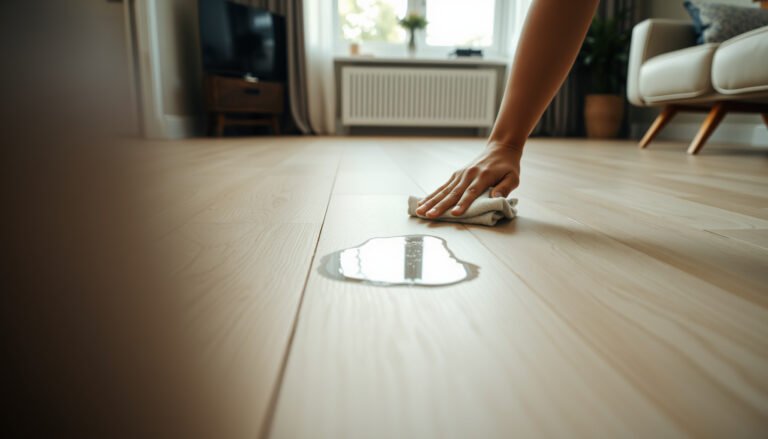
[…] clean grease from engineered wood floors, blot up the excess first, then wipe the spot with a pH-neutral wood floor cleaner lightly dampened on a microfiber cloth, and dry immediately with a towel. You’ll need paper […]