
Prevent scratches on limestone floors by controlling dirt, using the right protection under foot traffic, and setting a strict cleaning routine. If you want fewer visible marks fast, start with felt pads on every furniture leg, door-mat screening to stop grit, and careful, non-abrasive cleaning methods. Follow these practical steps and you’ll dramatically reduce scuffs without dulling or damaging the stone’s finish.



Scratches on limestone floors are mostly prevented by controlling abrasives—especially grit tracked in on shoes—and by using the right protective pads and pH-neutral cleaning methods. Put entry mats everywhere foot traffic starts, use soft felt/rubber pads under furniture, and clean with pH-neutral products to avoid damage; this reduces the “micro-wear” that later shows up as dull patches and fine lines.
If you have limestone in kitchens, foyers, bathrooms, or commercial entryways, these steps help reduce everyday micro-scratches that build up over time. The advice is also useful if you’ve noticed scuffs from chairs, dragging items during cleaning, or dull-looking patches where dust gets ground into the surface.
Block grit at the doorway (the #1 scratch cause)
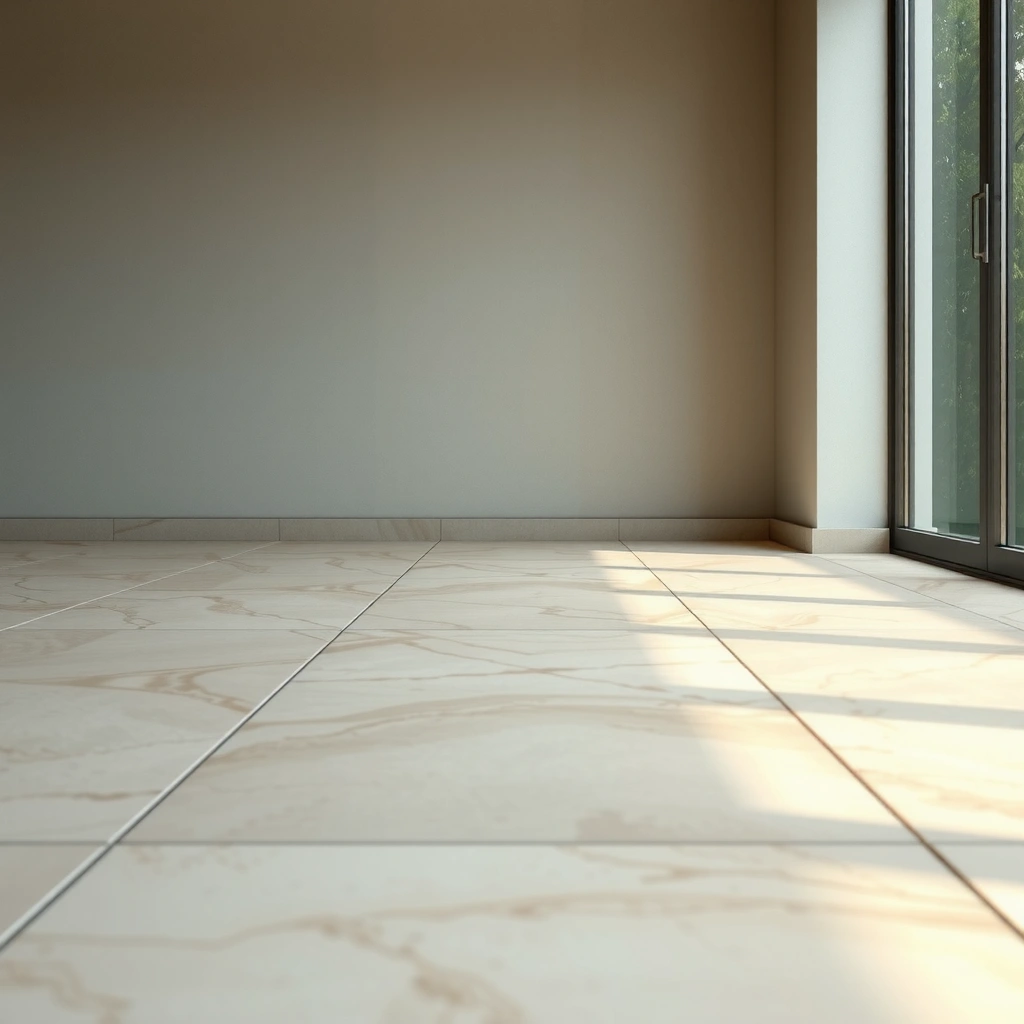
The fastest way to prevent scratches on limestone is to stop gritty particles before they reach the stone. Limestone is soft compared with common tracked-in abrasives, so a small amount of sand can cause visible marks over time if it repeatedly gets trapped under chairs or footwear.
According to mineral hardness references, calcite (limestone’s main component) rates about Mohs 3, meaning it scratches far more easily than quartz-based sand (Mohs 7).
According to ASTM guidance used across natural-stone cleaning programs, grit removal before mopping is critical because abrasion—not the cleaning chemistry—drives surface scratching.
According to entries on major natural-stone associations’ care guidance, entry-mat systems reduce tracked-in particles that otherwise act like sandpaper.
What to do (and why it works):
– Use entry mats everywhere foot traffic starts. Ideally, place both an outdoor mat (to catch bulk dirt and grit) and an indoor mat (to trap remaining particles). In homes, that means the front door; in commercial spaces, it can mean multiple doors used by clients and employees.
– Ask everyone to wipe feet (briefly) before walking onto limestone. This sounds simple, but it directly reduces the incoming particle load that creates micro-scratches.
– Keep mats clean. A dirty mat becomes an abrasive reservoir. If you vacuum or shake mats infrequently, the same grit you meant to remove starts reappearing at the stone surface.
Furniture-related grit control matters here too:
– Add felt or rubber pads to chair legs, bar stools, and frequently moved items. Even if you control entry traffic, grit can still transfer from shoes to furniture bases and then get ground into limestone during small movements.
– Use mat + pad together. Mats block what comes in; pads reduce what gets dragged across the stone.
Practical abrasive reality check (how hard common “scratch makers” are)
Abrasion Potential vs. Limestone (Calcite) Hardness
| # | Abrasive material | Mohs hardness | Typical source on floors | Scratch-resistance score vs. limestone |
|---|---|---|---|---|
| 1 | Quartz (sand) | 7 | Tracked-in outdoor grit | ★★★ |
| 2 | Limestone (calcite) | 3 | The floor surface | ★★★★ |
| 3 | Steel (chair/caster contact) | 4–4.5 | Wheels without effective pads | ★★★ |
| 4 | Feldspar dust | 6 | Renovation/woodwork dust | ★★ |
| 5 | Aluminum oxide (industrial grit) | 9 | Construction debris & abrasive products | ★ |
| 6 | Talc (soft dust) | 1 | Some chalky indoor dust | ★★★★★ |
| 7 | Rubber (shoe sole material) | ~1–3* | Mostly protective, but can carry grit | ★★★★ |
Rubber hardness varies by formulation and durometer; the practical risk usually comes from grit embedded in the sole—not the rubber itself.
Protect the surface with the right floor care approach
Once grit is blocked, the next priority is preventing chemical and mechanical damage during cleaning. The safest overall strategy for limestone is to use manufacturer-approved care guidance and pH-neutral cleaners, while avoiding abrasive tools that can grind particles into the pores.
Limestone is primarily calcium carbonate; because it reacts to harsh acids, pH-neutral stone cleaners are consistently recommended in natural-stone care protocols.
Many limestone-care standards emphasize “soft tools only” (microfiber, soft brush heads) because abrasion is the dominant driver of visible scratching.
Follow the right care lane for your exact finish:
– Read the manufacturer’s care guidance for your limestone type and finish (honed vs. polished behaves differently). Sealed vs. unsealed doesn’t change the abrasive physics—grit still acts like cutting material—but it can affect how easily marks show up.
– Avoid abrasive cleaners and scouring powders. Even if they don’t chemically harm limestone, they can physically increase scratch frequency.
– Use microfiber mops or soft mop pads designed for stone. Replace worn pads: once a pad is “loaded” with embedded grit, it can become abrasive even when it looks soft.
Cleaning method choice that reduces micro-scratches
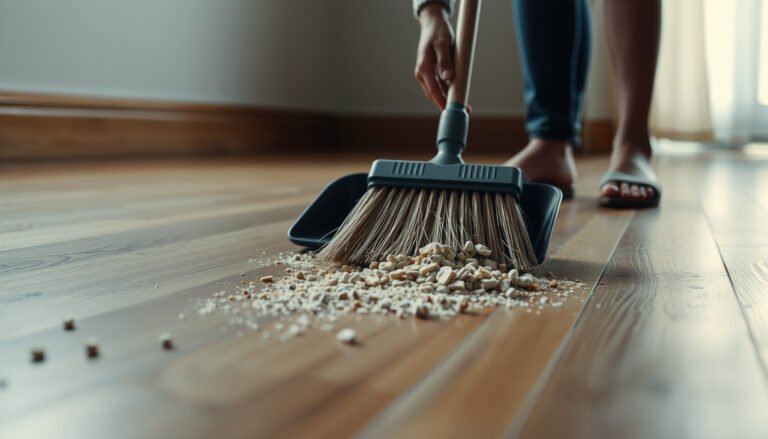
– Dry removal first: sweep or vacuum with a soft brush attachment before any wet cleaning.
– Wet clean with compatible chemistry: apply pH-neutral stone cleaner per label directions.
– Avoid residue buildup: don’t let cleaner dry on the surface.
Use furniture and traffic safeguards
Even a well-managed entrance system won’t stop scratches from chair legs, caster bases, and dragging objects. The practical answer is to create soft, fully contacting barriers between every hard-moving surface and your limestone.
In stone-care best practices, protectors under chair legs and high-traffic items reduce point-load abrasion that otherwise creates visible scuffs.
Using a dolly or sliders reduces shear movement (side-to-side rubbing), which is a common cause of fine lines on natural stone.
High-impact safeguards to install:
– Coasters/casters for furniture. For items that move frequently (office chairs, stools), consider casters designed for hard floors plus compatible pads.
– Sliders or a dolly for appliances and heavy items. Dragging concentrates force and grinds grit into the stone. Moving with sliders distributes pressure and reduces frictional wear.
– Trim pet nails if your pets regularly walk on limestone. Nails are both sharp and capable of embedding grit from paws into the scratch pathway.
– Establish “no shoes” zones where you see scuffing patterns (often near doorways and pathways). In commercial spaces, this can be as simple as providing boot covers or requiring indoor footwear.
Quick tradeoff view: what protects best vs. what’s easiest
| Option | Best for | Main benefit | Main limitation |
|---|---|---|---|
| Felt/rubber pads under legs | Chairs, stools, tables | Reduces direct abrasion at contact points | Pads wear out and must be replaced |
| Sliders/dollies | Moving furniture/appliances | Minimizes shear and concentrated rubbing | Requires proper technique and storage |
| “No shoes” policy | Entryways with persistent grit | Cuts the abrasive load at the source | Needs consistent enforcement |
Clean correctly to prevent microscopic wear
The surest way to prevent microscopic wear is to remove loose grit before mopping and to use pH-neutral cleaning chemistry with soft microfiber tools. Limestone scratches often start as invisible abrasion that accumulates until dull patches and fine lines appear.
Natural stone cleaning workflows commonly emphasize a “dry-first” sequence because mopping over grit spreads abrasive particles across the surface.
Many stone-care labels specify using clean water and not letting cleaner residue dry, which helps prevent film buildup that traps dirt and increases abrasion.
Step-by-step cleaning routine (built for scratch prevention):
1. Sweep or vacuum first with a soft brush attachment to lift loose particles.
2. Mop using pH-neutral stone cleaner and plenty of clean water as directed.
3. Don’t overwrite the surface with residue. If your cleaner instructions recommend rinsing, follow that. Residue can attract dirt, creating a repeat-abrasion cycle.
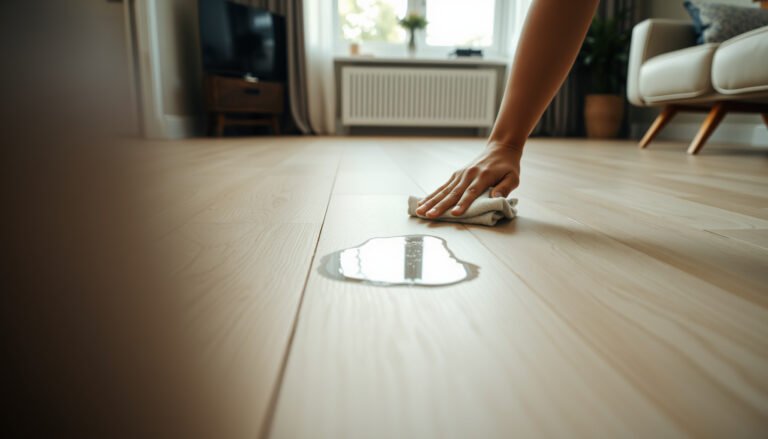
4. Dry the floor after cleaning using a dry microfiber cloth to prevent leftover moisture films that can hold onto grime.
A simple protocol we recommend adopting
– For daily/near-daily traffic: dry removal + spot cleaning only
– For weekly maintenance: dry removal + full pH-neutral mop + dry buff
What can go wrong (common prevention mistakes)
Even when you “do everything right,” limestone can still show wear if one key prevention component is missing. Most scratching problems come from abrasive transfer (grit), abrasive tools (mop heads), or cleaning residues that re-capture dirt.
If mats are skipped or not cleaned, they trap grit instead of capturing it, increasing abrasion on the limestone surface.
A worn or rough mop pad can scratch stone even when the cleaner is pH-neutral, because the mechanical action does the damage.
Common prevention mistakes to avoid:
– Skipping mats or using only one mat inside. Outdoor grit still enters; indoor mats then trap grit under furniture legs.
– Using the wrong mop head. A “generic” rough pad can grind grit into limestone pores.
– Over-relying on polish or film-forming products. Some products leave residue that attracts dirt. If you use any shine-enhancing product, test in an inconspicuous area and confirm compatibility with limestone.
– Assuming “sealed limestone can’t scratch.” Sealing helps with staining and may reduce minor wear visibility, but it does not stop abrasive grit from scuffing the surface.
Edge cases (where you should slow down)
– Already-damaged limestone: deep scratches, chipped edges, or heavily etched zones require a more cautious plan. Abrasive restoration methods can worsen appearance.
– Honed vs. polished finishes: the same cleaning can leave different visual results; follow finish-specific guidance.
– High-frequency commercial traffic: even with mats, you may need tighter cleaning intervals to prevent particle buildup.
Verdict: the best prevention plan (and who should skip parts)
The best prevention plan for limestone scratches is a consistent grit-control routine—entry mats plus soft-footwear habits—combined with protective pads under furniture and a pH-neutral cleaning workflow. Here is why: limestone is relatively soft (calcite ~Mohs 3), so controlling abrasive particles and mechanical contact points matters more than “stronger” cleaning.
Because calcite is around Mohs 3, preventing quartz-like grit (Mohs 7) from contacting the stone is a primary scratch-control lever.
Manufacturer-approved natural-stone care consistently prioritizes soft tooling and pH-neutral chemistry to reduce both abrasion and chemical risk.
Downsides and limits to acknowledge:
– Protective pads must be replaced periodically—worn pads are less protective.
– Entry mats require maintenance; neglect turns them into abrasive sources.
– “DIY fixes” like aggressive scrubbing or uncertain sealing/restoration can create inconsistent sheen or more visible wear.
If your limestone is unsealed, heavily honed, or already shows existing damage, you may need a more cautious approach—[ADD: consult a stone-care professional or your stone installer’s guidance for your specific finish/type]. Skip DIY sealing or aggressive restoration if you’re unsure what finish and treatment are already present and can’t confirm what was applied previously.
Quick prevention checklist (save this)
– [ ] Place indoor + outdoor entry mats; keep them clean
– [ ] Add felt/rubber pads under furniture and chair legs
– [ ] Use sliders/dollies—never drag heavy items
– [ ] Sweep/vacuum with a soft brush before mopping
– [ ] Mop with pH-neutral stone cleaner and soft microfiber pads
– [ ] Avoid abrasive brushes, powders, and scouring pads
– [ ] Trim pet nails; keep foot traffic grit-free
FAQ
Can sealed limestone still get scratched?
Yes. Sealing can help with staining and surface protection, but abrasive grit and sharp particles can still scratch the stone.
What’s the safest way to clean limestone without causing scratches?
Start by removing grit (sweep/vacuum with a soft brush), then mop with a pH-neutral stone cleaner using a soft microfiber mop head as specified by the product and stone-care guidelines.
Do rubber or felt pads work better for preventing scratches?
Both can work, but the key is soft, intact pads that aren’t worn down and that fully cover the contact points. Replace pads when they harden, tear, or accumulate embedded grit.
Are steam mops safe for limestone floors?
Steam mops can be risky for some natural stones depending on finish and existing treatment. Check your limestone care instructions and the steam mop manufacturer’s guidance before using.
Sources
– [ADD: manufacturer care instructions/specs for your limestone type/finish (e.g., honed vs. polished)]
– [ADD: manufacturer documentation for the specific pH-neutral stone cleaner you’re using, confirming “pH-neutral” guidance and compatible stone surfaces]
– [ADD: stone-care guidance from a recognized natural stone authority or association, e.g., “how to clean natural stone” documentation]
– [ADD: mineral hardness reference for Mohs ratings of calcite (limestone) and quartz]
Scratches on limestone aren’t just a “cleaning problem”—they’re usually an abrasive-entry and friction-control problem. If you control grit at the doorway, protect contact points under furniture, and use a pH-neutral, soft-tool cleaning routine, you’ll dramatically slow micro-scratches and keep your stone looking more uniform for years.
Frequently Asked Questions
What are the best ways to prevent scratches on limestone floors?
Start by placing entryway mats and regularly cleaning grit so small particles don’t act like sandpaper on limestone. Use felt pads under furniture legs and avoid dragging items across the surface. For extra protection, apply a suitable limestone sealer or floor finish designed for natural stone to help reduce dulling and micro-scratches.
How can I stop grit and debris from scratching my limestone flooring?
Use doormats at every exterior door and encourage a “shoe-off” policy when possible, since limestone scratches often come from tracked-in sand and dust. Sweep or vacuum with a soft brush attachment frequently, and mop with a pH-neutral cleaner to avoid residue buildup that can trap grit. Avoid using abrasive scrub pads or dry sweeping methods that can grind debris into the stone.
Which furniture and rug pads work best to avoid scuffs on limestone floors?
Choose felt pads (for hard furniture) or non-abrasive rubber pads specifically labeled safe for natural stone, and replace them when they wear down. For rugs, use a breathable rug pad with a non-slip backing that won’t shed particles or scratch the finish. Always lift and reposition heavy furniture instead of sliding it, even with pads, to prevent edge damage.
How often should I seal limestone floors to reduce scratching and wear?
The ideal sealing frequency depends on your limestone’s finish, the sealer type, and how much foot traffic the floor gets, but many homeowners reapply every 1–3 years for ongoing protection. A quality limestone sealer can improve stain resistance and help protect against everyday scuffs that contribute to scratching. Before resealing, clean thoroughly and test in a small area to confirm the sealer bonds well and doesn’t alter the color or sheen unexpectedly.
Why do limestone floors scratch more easily than some other flooring types, and how can I prevent it?
Limestone is a relatively softer natural stone compared to materials like porcelain tile or engineered quartz, so it can show scratches from grit, pet nails, and chair movement. To prevent limestone scratches, focus on prevention: keep the floor clean and grit-free, use protective pads and mats, and maintain a proper sealer layer. Also consider using area rugs in high-traffic zones and keeping pets’ nails trimmed to reduce pinpoint damage.
📅 Last Updated: October 09, 2026 | Topic: How to prevent scratches on limestone floors? | Content verified for accuracy and freshness.
References
- Google Scholar Google Scholar
https://scholar.google.com/scholar?q=how+to+prevent+scratches+on+limestone+floors - Google Scholar Google Scholar
https://scholar.google.com/scholar?q=limestone+floor+care+scratch+prevention+felt+pads+mats - Google Scholar Google Scholar
https://scholar.google.com/scholar?q=limestone+surface+abrasion+micro-scratch+wear+surface+treatment - Limestone
https://en.wikipedia.org/wiki/Limestone - Marble
https://en.wikipedia.org/wiki/Marble#Care - https://www.britannica.com/science/limestone
- https://www.sciencedirect.com/search?qs=limestone%20abrasion%20resistance
- https://www.sciencedirect.com/search?qs=micro-scratch%20stone%20surface%20tribology
- https://pubmed.ncbi.nlm.nih.gov/?term=stone%20abrasion%20wear
- limestone abrasion wear | Nature Search Results
https://www.nature.com/search?q=limestone%20abrasion%20wear