


Protect vinyl floors by preventing scratches and blocking moisture—use a good entry mat, felt pads, and immediate spill cleanup. Then keep cleaning gentle (no steam, minimal water) and control heavy traffic from chairs, shoes, and moving days. This guide walks you through the most effective apartment-friendly steps. As of 2026, these renter-proof habits are still the fastest way to reduce scuffs, dulling, and edge-related issues on vinyl plank (LVP) and vinyl tile (LVT).



If you live in a rental and want to avoid permanent damage or warranty issues, these tips are for you—especially if your vinyl plank/vinyl tile gets tracked-in dirt, has kids/pets, or sees frequent chair movement.
Block dirt and scratches at the door and under furniture

According to the Wentworth grain-size scale (1922), “sand” particles typically fall in the range of 0.062–2 mm, which is abrasive enough to grind into vinyl finishes when it gets repeatedly foot-pressed.
According to the Wentworth grain-size scale (1922), “silt” is commonly 0.004–0.062 mm and “clay” is typically <0.004 mm; even smaller particles can still dull vinyl over time because they move as dust and paste under shoes.
– Put a mat at every entry so grit doesn’t get ground into the vinyl surface.
Use a mat with a textured top and a non-slip backing that can handle apartment traffic (including wet boots). Place it far enough into the doorway that people step on it before their soles reach the vinyl.
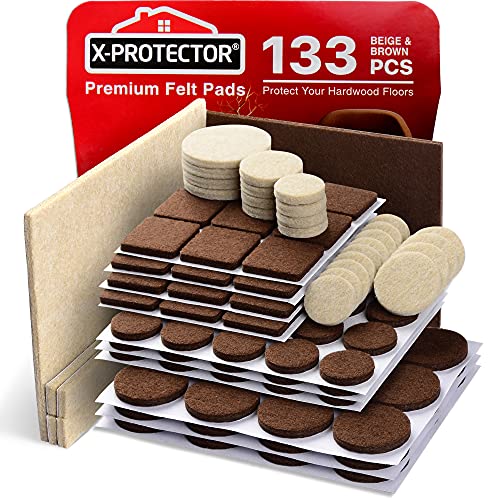
– Use felt pads (not bare plastic) under furniture legs and replace them when they wear through.
Felt helps prevent point-contact abrasion. The key is thickness and coverage: small, thin pads wear out faster, so check edges around chair/desk legs and replace as soon as you notice slick plastic showing through.
– Use protective chair mats for rolling chairs and avoid dragging items across the floor.
Rolling casters concentrate force; a dedicated chair mat reduces both scratching and finish dulling. For big moves (tables, dressers, large boxes), use a lift-and-carry approach or temporary runners instead of sliding across vinyl.
Quick sizing logic: why mats matter so much for vinyl floors
Vinyl floors don’t need to be “sandblasted” to scratch—they only need consistent grit contact. Door mats work because they interrupt the abrasion loop: fewer particles reach the floor, so there’s less grit available to act like tiny sandpaper.
Particle Sizes Commonly Tracked Indoors (Linked to Scratch Risk)
| # | Grit class | Typical size range (mm) | Common entry source | Median size (mm) |
|---|---|---|---|---|
| 1 | Gravel | 2–64 | Outside walkways, stair gravel | 33 |
| 2 | Coarse sand | 0.5–1 | Concrete dust, road grit | 0.75 |
| 3 | Medium sand | 0.25–0.5 | Dirt tracked from shoes | 0.375 |
| 4 | Fine sand | 0.125–0.25 | Gravel dust, patio dirt | 0.1875 |
| 5 | Very fine sand | 0.062–0.125 | Dry dust from shoes | 0.093 |
| 6 | Silt | 0.004–0.062 | Street dust, tracked soil | 0.033 |
| 7 | Clay | <0.004 | Mud residue, fine dust | 0.002 |
These size bands matter because abrasion risk rises when gritty particles are both present and repeatedly pressed into vinyl floors by foot traffic. Wentworth, C.K. (1922), grain-size classification
Guard against moisture and standing water
Moisture protection is about preventing water from sitting long enough to affect seams, edges, and subfloor conditions. For vinyl floors, standing water is the main apartment-level risk because it can travel under planks/tiles—especially where borders, transitions, and seam lines exist.
If water sits at vinyl seams or edges, the risk is not “surface damage only”—it can involve water migration toward the subfloor, which can affect the long-term performance conditions in warranties.
For many resilient flooring systems, manufacturers emphasize damp cleaning rather than saturating—because excess water can move past the surface and into vulnerable joints.
– Wipe spills right away and keep wet cleaning from turning into “wet floors for hours.”
The practical rule: if liquid is still visible after a minute or two, you’re already late. Use a microfiber cloth or paper towels to remove liquid first, then spot-wipe with minimal moisture.
– Add water protection in high-risk spots (sink area, fridge leaks, pet water bowls) using absorbent mats/trays.
In apartments, these are the repeat offenders. Put a tray or absorbent mat under pet bowls and into any likely drip zone under appliances.
– If your vinyl has seams/edges, treat them carefully—standing water near borders can cause long-term issues.
Pay extra attention when cleaning around baseboards, cabinets, and transition strips. Even when the floor is marketed as “water-resistant,” the edges and installed seams are usually the weak points.
Click-lock vs glue-down: how moisture exposure can differ
Floating (click-lock) vinyl and glue-down vinyl can behave differently when water is involved, mainly because of how the system interfaces with the subfloor.
| Type | Moisture risk focus | Apartment-friendly safeguard |
|---|---|---|
| Click-lock / floating LVP-LVT | Edges and plank-to-plank joints where water can seep under | Spot-dry quickly; avoid “mop left damp” zones at seams |
| Glue-down vinyl | Adhesive performance and bond integrity when saturated | Damp-mop only and follow the cleaner rules in the care guide |
Maintain the floor with a safe cleaning routine
A safe routine keeps grit from turning into abrasion and prevents dulling from residue. For vinyl floors in apartments, the best day-to-day approach is gentle removal of particles (sweep/vacuum) followed by controlled damp mopping only when needed—using an approved vinyl cleaner.
According to manufacturer care guidance for resilient vinyl flooring (varies by product), excessive water and standing moisture are commonly discouraged, and damp cleaning is preferred over soaking.
Using a soft-brush vacuum attachment supports scratch prevention because it removes loose grit without aggressive contact that can mark the vinyl finish.
– Sweep or vacuum regularly with a soft-brush attachment to remove grit before it scratches.
Focus on entry paths, under dining chairs, and along baseboards where dust collects. Replace or clean vacuum brushes if they’re stiff or worn.
– Mop only as the manufacturer recommends: use a damp (not soaking) approach and a cleaner that’s approved for vinyl.
Damp mopping means the mop is wet enough to lift residue but not dripping. If you see puddling or a dull film forming as you go, you’re adding too much moisture or using the wrong cleaner.
– Avoid harsh chemicals and steam cleaning unless your floor’s care guide explicitly allows it.
Steam can introduce heat and saturated moisture—both of which can be problematic depending on installation method (especially glue-down) and warranty terms. When in doubt, follow the “Cleaning/maintenance” section from the specific product documentation.
From my perspective as an apartment floor caretaker, the hardest part is consistency—not effort.
Protect it during daily life and move-in/move-out
Apartment life adds pressure points: moving furniture, dragging boxes, and heavy rolling chairs. Vinyl floors hold up best when you use lift-and-place habits, temporary protection during heavy work, and targeted rugs only where they reduce impact without trapping moisture.
Lift-and-place movement reduces surface abrasion because it prevents micro-scraping from friction—the primary trigger for visible scuffs on vinyl floors.
Rugs can reduce wear in high-traffic zones, but many vinyl manufacturers caution against prolonged moisture trapped under rugs, especially near seams and borders.
– Use “lift, don’t drag” habits for furniture and boxes; consider temporary runners for heavy work.
For items like dressers and couches, use sliders or protective blankets, and keep rough corners from scraping the surface.
– Place rugs in high-traffic zones to reduce wear, and choose ones that won’t trap moisture underneath.
Prefer breathable rugs and keep them clean and dry. If you use a rubber-backed rug, ensure it’s compatible with resilient floors and doesn’t cause moisture buildup.
– If you’re rearranging for seasons, clean first—moving grit later just re-scratches the surface.
Rearranging is when dust bunnies become floor scratches. Vacuum/sweep the area before moving furniture back into place.
What can go wrong
Even with good habits, vinyl floors in apartments can be damaged by predictable mistakes. The common failure modes are moisture saturation, abrasive debris cycles, and cleaning products that don’t match the finish chemistry.
Too much water is risky because excess moisture can still seep at seams/edges and create conditions that many vinyl warranties treat as outside normal maintenance.
Wrong cleaners can dull the finish or leave residues that attract more dirt, increasing the “grit → abrasion” loop on vinyl floors.
– Too much water: even if the floor is marketed as water-resistant, excess moisture can still seep at seams/edges.
“Water-resistant” is not “water-proof under prolonged exposure.” Treat any puddling as an immediate cleanup event.
– Wrong cleaners: products not intended for vinyl can dull the finish or leave residues that attract more dirt.
If you’re switching products, test a small inconspicuous area first and wait for full drying before judging results.
– Skipping the manufacturer’s care rules: vinyl types (LVP/LVT, click-lock vs. glue-down) can have different do/don’t guidance.
Your best protection is always the specific documentation for your floor model—especially for cleaning tools, chemicals, and steam.
– Damaged pads or missing mats: worn felt pads and dirty door mats turn normal life into steady abrasion.
Door mats also need cleaning: when a mat is clogged with grit, it becomes less effective and can sometimes act like a transfer surface.
Verdict / tip
If you do just three things—(1) use mats, (2) keep furniture protected with felt pads/chair mats, and (3) clean with minimal moisture—you’ll prevent the most common vinyl-floor problems in apartments. The downside: these routines take small ongoing effort (pad checks, spill response, regular gentle cleaning). Skip this approach only if your goal is short-term “good enough” flooring care and you don’t care about scuffs, dulling, or potential warranty disputes—because vinyl protection is mostly about prevention, not repairs.
Quick checklist (scan/save)
| Situation | What to do | Quick reason |
|---|---|---|
| Doorway traffic | Use entry mats at entrances | Stops grit from scratching the surface |
| Furniture | Felt pads under legs; chair mats under rollers | Reduces abrasion and scuffs |
| Spills | Wipe immediately; avoid “soak and wait” | Limits moisture damage near edges |
| Mopping | Damp mop only with vinyl-approved cleaner | Prevents residue and excess water |
| High-traffic areas | Add breathable rugs/runners | Spreads wear and reduces foot impact |
| Cleaning tools | Soft-brush vacuum/sweep | Removes dirt before it grinds in |
Frequently Asked Questions
How can I protect vinyl floors from scratches and scuffs in an apartment?
Place felt or rubber pads under furniture legs and use area rugs or doormats at entryways to reduce grit that can scratch vinyl plank floors. For everyday items like chairs and rolling stools, choose soft-glide or casters designed for hard floors. Avoid dragging appliances or heavy décor across the surface—lift and carry when possible to prevent scuffing.
What’s the best way to prevent water damage on vinyl floors?
Wipe up spills immediately and keep water away from seams and edges, especially around sinks, bathrooms, and laundry areas. Use a damp (not soaking) mop and avoid steam cleaners, which can push moisture into vinyl flooring installation gaps. If your apartment has frequent wet traffic (kids, pets, or heavy rain), add a washable mat and keep a microfiber cloth handy for quick cleanup.
Which cleaning products are safest for vinyl plank or sheet vinyl floors?
Use a cleaner specifically labeled for vinyl floors or a mild, pH-balanced solution to protect the finish and prevent dullness. Avoid harsh chemicals like bleach, ammonia, or abrasive scrubbers that can damage the protective wear layer. Stick to microfiber mops and soft cloths, and follow the manufacturer’s guidance for your particular vinyl flooring type.
How do I stop dents and wear marks from furniture and heavy appliances?
Use furniture cups, coasters, and floor protectors to distribute weight—this is especially important for couches, dressers, and dining tables. If you move furniture often, add glides or rolling protector mats instead of relying on bare feet or direct contact. For stubborn marks, use gentle cleaning first, then check with your vinyl flooring manufacturer for recommended spot-cleaning methods.
Why do vinyl floors get dull or streaky, and how can I keep them looking new?
Dullness and streaks often come from residue buildup, improper cleaners, or over-wetting during mopping. Clean regularly with a vinyl floor–safe cleaner, and rinse lightly if the product suggests it, then dry with a microfiber cloth to prevent haze. Using doormats, reducing tracked-in dirt, and avoiding greasy cleaners can keep your vinyl floors glossy and stain-resistant over time.
📅 Last Updated: October 26, 2026 | Topic: How to protect vinyl floors in a apartment? | Content verified for accuracy and freshness.
References
- Vinyl flooring
- https://www.armstrongflooring.com/care-and-maintenance/vinyl-floor-care.html
- Luxury Vinyl | Mannington
- MohawkFlooring
- Home – Tarkett Commercial
- https://scholar.google.com/scholar?q=protect+vinyl+flooring+from+scratches+maintenance Google Scholar
- https://scholar.google.com/scholar?q=luxury+vinyl+plank+floor+care+moisture+prevention+furniture+pads Google Scholar
- https://scholar.google.com/scholar?q=resilient+floor+covering+care+and+maintenance+vinyl+cleaning+guidelines Google Scholar
[…] shoes off, and trim pet nails and keep them managed. Combine that with simple friction control—felt pads under furniture and area rugs in high-traffic zones—and you’ll sharply reduce micro-scratches before they […]