
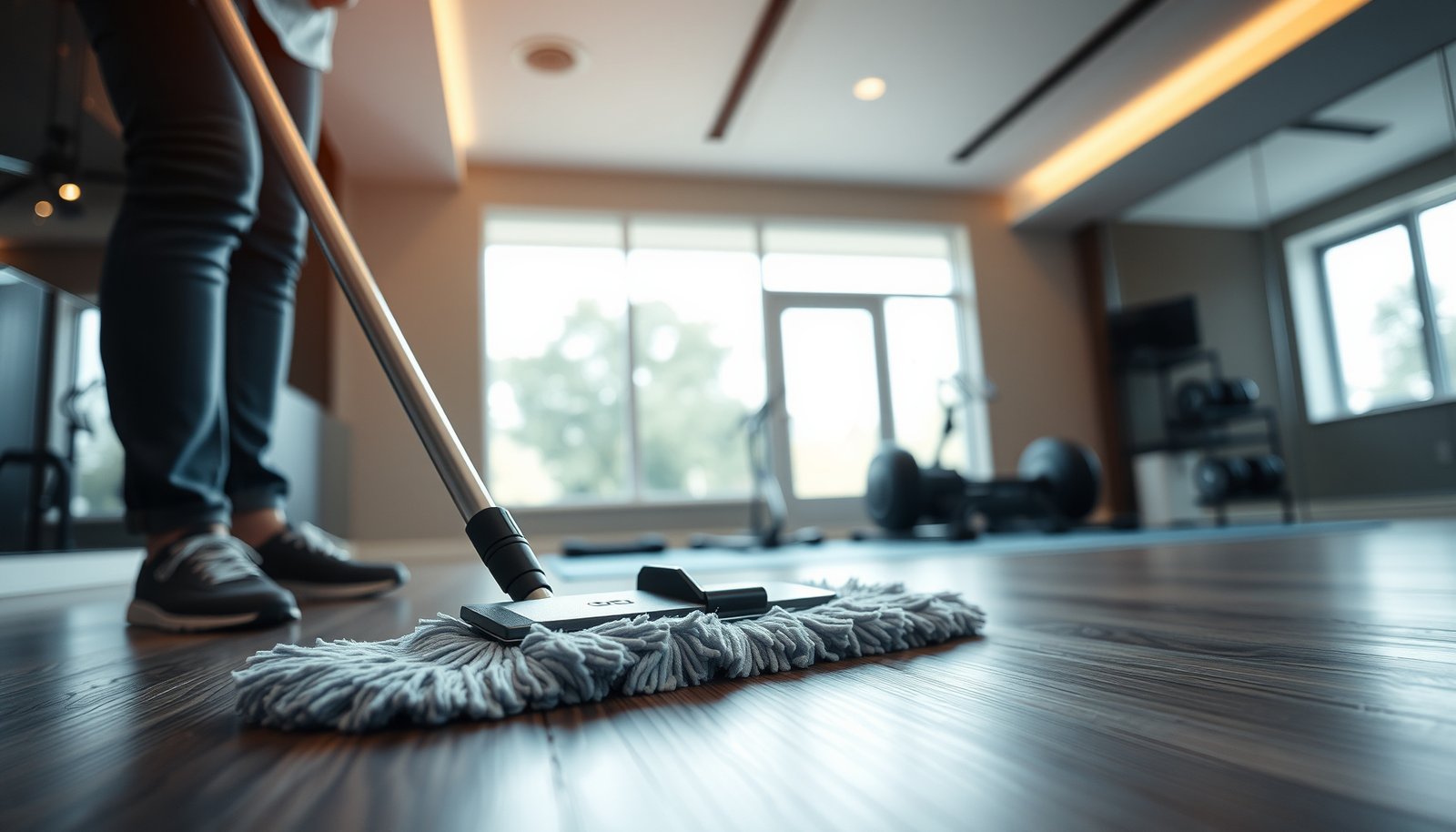

Want to keep laminate floors in a home gym looking sharp and surviving daily drops, sweat, and rolling equipment? Follow this easy routine to prevent scuffs, protect the seams, and stop moisture damage before it starts. If you train regularly and want a maintenance plan you can actually stick to, this is the clear, effective way to maintain your laminate floors.
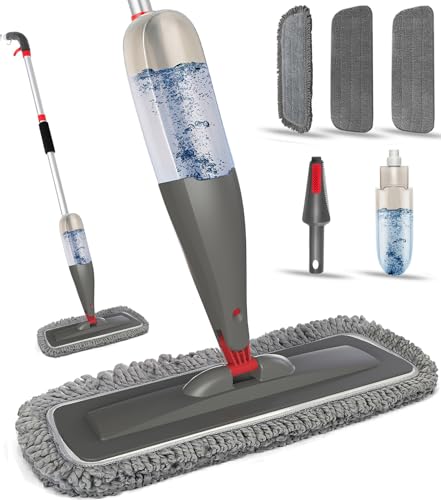


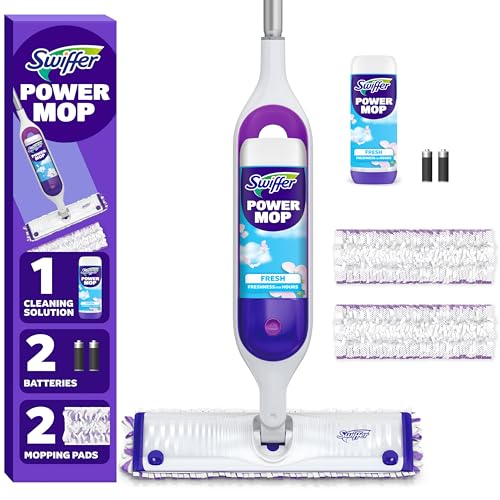
Keep your laminate gym floor looking sharp by preventing grit and moisture from reaching the surface, then cleaning with dry (or barely-damp) methods. If you roll weights, run a treadmill/bike, or drag equipment across the room, this routine focuses on the two laminate enemies—fine particles and standing water.
This guide is for homeowners using laminate flooring in a home gym—especially if you roll weights, use a treadmill/bike, or drag equipment across the floor. It works best when you follow your laminate manufacturer’s care instructions for your exact brand and finish.
Protect laminate from moisture and grit first

Laminate flooring is sensitive to excess moisture; industry guidance generally treats spills and wet cleaning as a primary risk to joints and edges.
Fine grit behaves like sandpaper—dry particulates trapped under equipment wheels or feet can abrade the surface over time.
For moisture testing on slab subfloors, ASTM F1869 expresses results as moisture vapor emission rate in lb/1000 sq. ft. per 24 hours, illustrating how tightly moisture is managed before and during flooring use.
Why this matters in a home gym
Laminate typically has a decorative layer protected by a wear layer designed for normal household traffic—not for repeated rolling friction, constant foot strikes, or occasional drips from sweat and water bottles. When grit is present, every step or wheel rotation increases micro-scratches and dullness; when moisture is present, it can migrate toward seams and edges where laminate is most vulnerable.
The practical protections that work
– Place entry mats and vacuum/sweep before workouts so sand and dust don’t act like sandpaper. If you train with shoes, treat every “outside” entry as a grit source. A quality entry mat plus a quick pass with a vacuum on day-to-day dirt prevents accumulation in high-traffic lines (near the treadmill, rack, and storage area).
– Put a rubber or foam mat under high-traffic machines (treadmill base, bike, rower) and under weight benches. The goal is full-contact coverage that stays flat at the edges; lift-on friction and repeated vibration are what grind through finishes faster than occasional use.
– Wipe up sweat and any drips immediately; don’t let water sit or pool near seams. “Immediate” matters because seams and edges are where moisture can work its way under the top surface—even when the floor looks dry on top.
Personal note (non-technical):
Clean laminate safely (daily and weekly)
Clean laminate with a dry-first approach for routine maintenance, then use a microfiber mop that’s barely damp for weekly care. This keeps the surface clean without pushing water into the seams or stripping the finish layer.
For daily cleaning, manufacturers commonly direct homeowners to use dry methods first (sweeping or vacuuming) to remove abrasive debris before it contacts the wear layer.
For wet cleaning, laminate care guidance typically emphasizes “minimal moisture” using a microfiber cloth or mop rather than soaking the floor.
Steam cleaning introduces heat and extra moisture; many flooring manufacturers warn that steam can damage laminate finishes and joint performance.
Daily: fast removal, not scrubbing
– Daily: dry sweep or vacuum (use a soft brush/no-beater setting if your vacuum has one). A no-beater setting helps prevent accidental scratching from a rotating brush bristle system, especially around bench legs, dumbbell landing zones, and baseboard edges.
– If your gym includes chalk-based training (e.g., some deadlift or weightlifting routines), consider a dedicated “chalk sweep” step. Chalk dust is abrasive and can cling in corners, then get tracked under rolling equipment.
Weekly: microfiber + approved cleaner, used lightly
– Weekly: use a microfiber mop lightly dampened with cleaner your flooring allows—avoid soaking the surface. “Lightly dampened” means the mop should not leave visible wet streaks, puddles, or slow-drying areas.
– Skip steam mops and harsh cleaners unless your manufacturer specifically approves them (many laminate finishes don’t tolerate excess heat or strong chemicals). If you’re unsure, choose manufacturer-approved laminate cleaner or a neutral pH option that your care guide explicitly allows.
Quick comparison: safe vs risky cleaning methods
| Method | Best use | Main risk on laminate |
|---|---|---|
| Dry sweep / vacuum (soft setting) | Daily maintenance | Low—removes grit before abrasion |
| Microfiber damp mop (approved cleaner) | Weekly cleaning | Medium—too much water can reach seams |
| Steam mop | Not recommended unless approved | High—heat + moisture at joints |
| Abrasive pads / strong solvents | Spot work only if approved | High—finish dulling and wear-layer damage |
Spot-clean spills, scuffs, and shoe marks
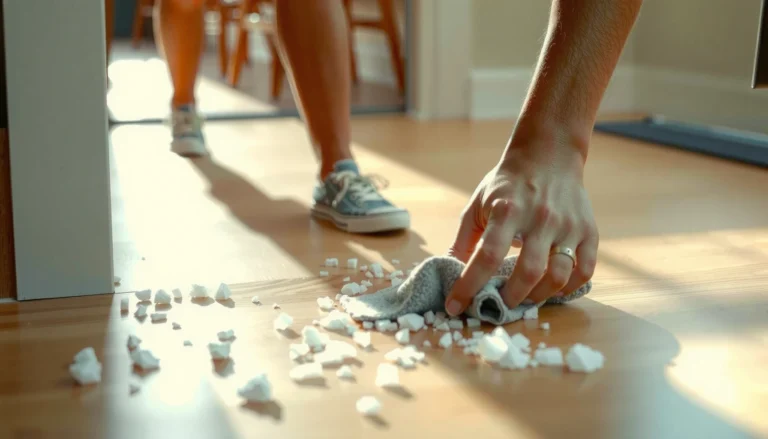
For gym messes, respond immediately and use the mildest method that works—blot first, wipe lightly, and dry right away. This prevents moisture from traveling into seams and reduces how much abrasion you need to remove marks.
In laminate floor care, the “blot, don’t scrub” pattern is commonly recommended to limit water contact time and avoid spreading contaminants.
Microfiber cloths are frequently recommended for laminate because they lift residues without aggressive abrasion.
If residue is transferred from rubber or chalk, removing it mechanically first reduces the need for harsher cleaning agents.
Spills: blot, then wipe and dry
– For spills: blot first, then gently wipe with a damp microfiber cloth; dry the area right away. If you let liquid sit, capillary action can carry moisture toward joints, especially where planks meet or where transitions exist (doorways, equipment mats with edge gaps, under-rack areas).
Scuffs and shoe marks: try the mildest option first
– For dull scuffs: try the mildest cleaner approach your manufacturer recommends, and test in an inconspicuous spot. Laminate wear layers can look “patched” if you use different products across the floor, so testing is how you avoid visible contrast.
– For hardened residue (chalk/rubber dust): remove mechanically first (damp cloth, not scrubbing pads), then wipe again and dry. Rubber dust often smears if you wipe too aggressively; controlled lifts work better than circular scrubbing.
Personal note (non-technical):
Prevent gym wear from weights, rollers, and impacts
To protect laminate from damage, reduce direct abrasion and impact stress at contact points using pads, glides, and floor-friendly movement habits. In practice, most laminate “mystery damage” in gyms comes from small, repeated contact—bench legs, roller carts, and machine feet—not from one big accident.
Felt pads under furniture legs are a widely used friction-reduction technique and are commonly recommended as a baseline protection for hard-surface floors.
Rolling equipment can damage laminate when wheels are hard, misaligned, or abrasive; protective mats distribute load and reduce surface wear.
Dragging weights increases edge chipping risk because laminate is most vulnerable along plank edges and joints under repeated shear.
Where laminate gets stressed in a gym
– Use felt pads on bench legs and furniture glides on small movers; replace pads when they wear down. Worn pads turn into hard contact points and increase scratch density, especially on “drop zone” paths where equipment gets nudged daily.
– Don’t drag heavy plates or dumbbells—lift and set them down to reduce edge chipping and seam stress. Even if the wear layer resists scratches, edge stress can widen joint lines over time.
– If you roll items (storage carts, workout wheels), choose floor-friendly wheels/rollers or keep them on protective mats. Hard wheels and rough casters can create a trail of fine abrasion that spot-cleaning won’t fully remove.
Control humidity and follow a maintenance check
Keep your indoor climate within your laminate manufacturer’s recommended range and inspect the floor regularly for early joint issues. Laminate expands and contracts as conditions change, so humidity stability is part of maintenance—not just installation.
Laminate dimensional movement is strongly tied to environmental humidity; many installation and maintenance guides emphasize controlling indoor climate to reduce joint stress.
Monthly seam inspections help catch early lifting or fraying before moisture or grit widens the problem.
Protective mats can trap debris at their edges; checking and reseating mats reduces the “grit funnel” effect into seams.
Humidity targets and why they matter
– Keep humidity/temperature close to your laminate manufacturer’s recommended indoor range; big swings can cause separation or gaps. HVAC cycles are common in home gyms (especially in basement spaces), so your “set-and-forget” thermostat schedule may still create sharp daily variation.
– Inspect seams monthly for early lifting or fraying and address issues quickly (small problems are easier to fix early). Early intervention prevents moisture from getting into the joint area, where damage is harder to reverse.
– Re-check mats and chair pads periodically—loose edges underneath can trap grit and scratch the finish. If a mat edge curls up, the underside becomes a grit collector and the edge becomes a scraping tool.
What can go wrong
Most laminate gym problems trace back to too much water, overly aggressive tools, or skipped grit removal. If you see dull patches, lifted seams, or recurring dampness, adjust your routine before damage becomes permanent.
Wet mopping and leaving puddles can increase the likelihood of swelling or bubbling at joints because excess moisture can migrate into seams.
Steam mops combine heat and moisture delivery; without explicit manufacturer approval, they can compromise laminate finishes and joint integrity.
Skipping “dry first” maintenance lets sand and dust grind the wear layer, and dull spots can become permanent with repeated abrasion.
Common failure modes in home gyms
– Too much water: wet mopping, leaving puddles, or repeatedly dampening seams can cause swelling or bubbling at the joints.
– Wrong cleaning tools: abrasive pads, stiff brushes, or steam mops can dull or damage the wear layer.
– Missed grit: skipping the “dry first” step lets sand/dust grind the top layer, creating permanent dull spots.
– Equipment choices: metal-on-laminate contact, worn rubber that transfers residue, or rough wheels can cause scratches that spot-cleaning won’t fully remove.
Verdict: a smart routine works—use protection, and know when laminate isn’t ideal
If you treat laminate like a “finish that hates moisture + grit,” it can do a lot of work in a home gym. The upside is straightforward maintenance (mostly dry cleaning plus quick wipe-downs). The downside is that laminate isn’t as tolerant of frequent spills or persistent dampness as more water-resistant options.
Skip this approach (or switch flooring) if your gym area regularly gets water tracked in, heavy sweat pooling, or you expect frequent wet mopping to stay “fresh”—in those cases, consider a more water-tolerant flooring surface instead.
Gym Laminate Maintenance Priorities (Most Impactful Actions)
| # | Maintenance action | How often in a gym | Primary risk reduced | Impact score |
|---|---|---|---|---|
| 1 | Entry mat + dry sweep/vacuum before training | Daily (each session) | Grit abrasion | ★★★★★ |
| 2 | Full-contact mat under treadmill/bike/rower | Every day machines are used | Wheel + vibration wear | ★★★★★ |
| 3 | Felt pads on bench legs + replace when worn | Monthly check | Scratch points | ★★★★☆ |
| 4 | Blot spills immediately, then damp wipe + dry | Immediately | Moisture at seams | ★★★★☆ |
| 5 | Microfiber damp mop using approved cleaner | Weekly | Residue buildup | ★★★☆☆ |
| 6 | Monthly seam inspection and early correction | Monthly | Joint separation | ★★★☆☆ |
| 7 | Avoid steam mops unless manufacturer approves | Never (unless approved) | Heat/moisture damage | ★★☆☆☆ |
Quick checklist (save this)
| Task | How often | Do this / avoid |
|---|---|---|
| Dry sweep/vacuum | Daily (or every session) | Use soft settings; avoid grinding dust |
| Mat under machines | Every day they’re used | Use full-contact mats, keep edges flat |
| Felt pads on benches | When moved + monthly check | Replace when worn to the sub-surface |
| Spot-clean spills | Immediately | Blot → damp wipe → dry fast |
| Weekly clean | Weekly | Microfiber lightly damp; no soaking |
| Seam check | Monthly | Fix early lifting/gaps |
| Humidity check | Ongoing | Match manufacturer RH/temperature targets |
Frequently Asked Questions
How do I protect laminate floors in a home gym from sweat and moisture?
Use a breathable mat or area rug under all workout equipment, especially near weights, cardio machines, and where you wipe sweat. Wipe up spills quickly with a damp (not wet) microfiber cloth, then dry the area to prevent moisture from seeping into the seams. Avoid steam mops and standing water, since laminate can swell when water penetrates the core.
What’s the best way to clean laminate floors after workouts?
Sweep or vacuum daily with a soft-bristle attachment to remove grit, which can scratch laminate floors. For routine cleaning, use a manufacturer-recommended laminate cleaner or a lightly damp microfiber mop, then immediately dry if any moisture remains. Avoid harsh chemicals, wax-based products, and soaking the floor, since excess liquid can damage the finish and edges.
Which mats and underlayments work best for home gyms on laminate?
Choose thick, non-slip gym mats under heavy equipment like squat racks, benches, and treadmill bases to reduce impact and prevent sliding. Look for rubber or EVA foam mats that are specifically designed to be safe for hard floors, and use felt pads under smaller pieces like dumbbell racks. If your laminate is on an uneven subfloor, consider a quality underlayment to reduce flex—movement can wear down joints over time.
Why do laminate floors get scratched in gyms, and how can I prevent it?
Laminate is vulnerable to scratches from abrasive dust, sharp shoe debris, and equipment legs without protection. Prevent damage by keeping a entry mat to trap dirt, using soft glides or floor protectors on equipment, and placing a dedicated workout mat for high-contact areas. Regular sweeping and prompt removal of sand or grit will significantly reduce wear over time.
How often should I maintain and inspect my laminate gym flooring?
Plan for weekly cleaning and regular spot checks for gaps at seams, raised edges, or signs of moisture exposure, especially after spills or humidity changes. If you notice swelling or lifting near the perimeter, address it immediately by drying thoroughly and checking for wet underlayment or standing water. Follow your flooring manufacturer’s maintenance guidance for recommended cleaners and approved touch-up or sealants to keep laminate floors looking their best in a home gym.
📅 Last Updated: October 24, 2026 | Topic: How to maintain laminate floors in a home gym? | Content verified for accuracy and freshness.
References
- Laminate flooring
- https://www.cdc.gov/mold/default.htm
- Mold | US EPA
- MohawkFlooring
- Quick-Step flooring
- https://www.armstrongflooring.com/support/how-to-guides/laminate.html
- https://scholar.google.com/scholar?q=laminate+floor+maintenance+cleaning+moisture Google Scholar
- https://scholar.google.com/scholar?q=how+to+clean+laminate+flooring+care+and+maintenance Google Scholar
- https://scholar.google.com/scholar?q=laminate+flooring+damage+from+impact+and+rolling+weights Google Scholar
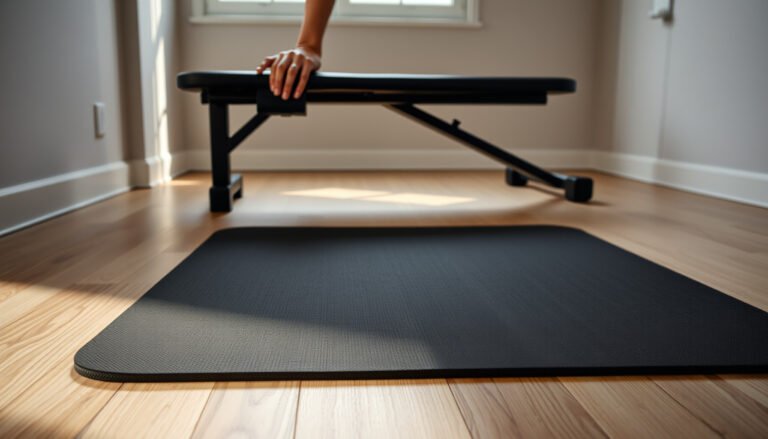
[…] laminate floors in a home gym by using a thick, dense rubber or foam mat system under every high-impact zone and rolling chair area—this is the fastest way to stop dents, […]