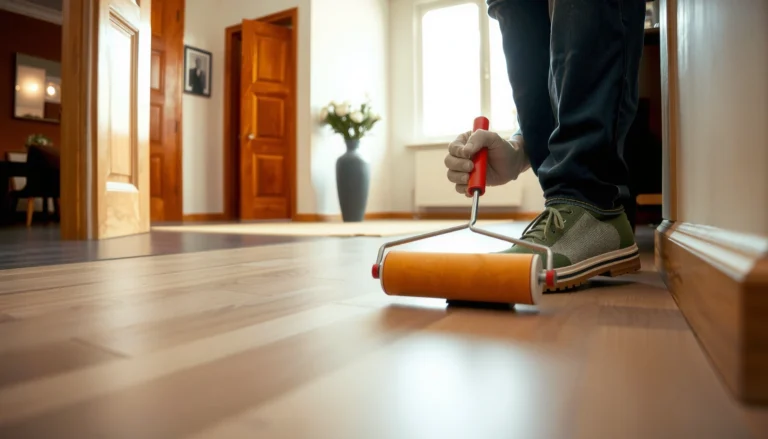


Prevent water damage to granite floors with the most reliable routine: stop spills fast, use the right sealant, and control moisture at entry points. This guide answers exactly how to protect granite from staining, etching, and seepage with proven steps you can apply immediately. Follow these actions in the right order, and you’ll keep your floors looking like new for years.




Preventing water damage to granite floors is mostly about stopping moisture from penetrating and preventing spills from sitting long enough to stain. Seal granite according to your specific stone/sealer instructions, wipe up water immediately, and use pH-neutral cleaners so you don’t weaken the protective barrier over time.
If your granite lives in kitchens, entryways, bathrooms, or any space with regular splashes, this guide focuses on practical, repeatable habits you can actually maintain. It’s designed for business operators and homeowners alike—where daily workflow (foot traffic, cleaning routines, wet weather tracking) determines how long granite stays beautiful.
Know how granite gets damaged by water

Water damage to granite is less about “water touching the surface” and more about water staying there long enough to penetrate or to carry staining agents deeper. Granite is naturally porous (even when it’s dense), so prolonged wetting can lead to discoloration, especially if the stone is under-sealed or its sealer has aged.
Granite’s water risk comes from two pathways: (1) absorption that can bring dissolved dyes/oils into pores, and (2) maintenance chemistry that can degrade sealing and surface finish. Currently (and especially as of 2024–2026), the most reliable approach is to treat granite like a system: stone finish + sealant chemistry + cleaning method + moisture exposure.
Granite is a natural stone; water can penetrate pores and carry staining compounds when it remains long enough on the surface.
Water exposure can worsen existing issues such as worn sealing, hairline cracks, or installation details that allow moisture to travel beneath edges.
One key reason this matters: “sealed” granite is not the same as “waterproof granite.” Sealing typically reduces absorption rate—it doesn’t stop leaks behind edges, nor does it prevent staining if liquid sits on the surface long enough for transfer to occur.
What’s happening at the stone level (why time matters)
Water damage is usually time-dependent. A few droplets that are promptly wiped typically leave minimal risk; puddles or repeated damp mopping are different. In practical terms, the longer the contact time, the more opportunity you give for moisture (and whatever it’s carrying) to enter pore pathways.
According to ASTM C97 (a standard test method for water absorption in masonry/stone products), specimens undergo controlled drying and water exposure to quantify absorption potential (the method includes standardized heat drying and immersion steps) ASTM C97/C97M. While this test measures material behavior under lab conditions (not your home), it’s a useful anchor for understanding why “soak time” influences outcomes.
From a maintenance standpoint, the most common real-world triggers are:
– tracked rain/snow melt at entry doors
– bathroom splash and standing wet zones
– kitchen sink and dishwasher spray patterns
– mopping practices that leave damp film at edges and seams
Seal granite correctly (and re-seal on schedule)
If you want the highest protection, seal granite using the exact system recommended for your stone finish and sealer type—and then re-seal based on actual wear. This is the fastest way to reduce stain penetration from everyday moisture, but it only works when you match the sealer chemistry to the granite and follow cure/coverage requirements precisely.
Proper sealing reduces absorption and helps limit staining, but it requires correct surface prep, application, and cure timing to perform as intended.
Re-sealing is not optional in high-moisture areas; sealers wear unevenly under traffic, cleaning, and splash patterns.
Sealing also needs to respect finish. Polished, honed, and leathered granite behave differently because surface texture changes how the sealer spreads and how moisture moves across micro-features.
Match the sealer to your granite finish and conditions
Use a granite/sealer system specifically intended for natural stone and your finish type (polished/honed/leathered). Then follow manufacturer coverage and dwell/cure instructions exactly.
– Coverage: Apply enough material to reach the intended film/penetration level (under-application often looks “fine” at first but protects less).
– Cure time: Many sealers require a wait period before heavy water exposure.
– Ventilation and temperature: Cure performance is sensitive to conditions; follow label ranges.
[ADD: source for the exact cure/wait instructions from your sealer manufacturer.]
Build a re-seal schedule around moisture exposure (not guesswork)
A common failure mode is assuming sealing is “once and done.” In wet splash zones, sealers typically degrade faster due to repeated surface wetting and cleaning chemistry.
To set a defensible re-seal schedule, track:
– how often the area gets wet (splash frequency)
– how aggressive your cleaning is (especially alkaline/acidic residue)
– traffic patterns (edges and seams often wear first)
– visual indicators (darkening that persists after drying can be a sign of reduced repellency)
According to the Marble Institute of America (MIA), sealers are designed to reduce absorption and staining, not to permanently waterproof stone Marble Institute of America (MIA) stone care guidance. That guidance aligns with what operators see in the field: the “performance layer” changes over time even when the granite still looks intact.
Quick comparison: what “good sealing” looks like
Here’s a practical way to interpret whether sealing is still doing its job (always confirm with the sealer label test instructions if provided):
| Observation on granite | Likely meaning | What to do next |
|---|---|---|
| Water beads strongly and dries without dark spots | Repellency is still active | Maintain cleaning routine; plan re-seal per label |
| Water darkens the stone and stays visible longer | Increased absorption | Re-check cleaning chemistry; schedule re-seal |
| Dark spots appear near edges/penetrations | Possible edge/joint moisture path | Inspect grout/caulk/leaks; sealing alone won’t fix the source |
Wipe spills fast and manage splash zones
The fastest way to prevent water damage is to remove moisture before it can penetrate or carry contaminants into pores. Wipe up spills quickly—especially colored liquids, oily residues, and anything that can leave dissolved solids.
Blotting spills immediately reduces contact time, which lowers the chance of staining compounds migrating into granite pores.
Splash zones concentrate repeated wetting at predictable edges; controlling those zones reduces recurring water exposure more than spot-cleaning alone.
In kitchens and entryways, the most damaging factor is often not “one big spill,” but repeat exposure at the same locations—door thresholds, in front of sinks, around pet water bowls, and along bathroom base areas.
Use a simple, repeatable “spill routine”
A reliable routine should be short enough that your team (or you) will actually do it every time:
1. Clear loose debris (so it doesn’t grind into pores during wiping).
2. Blot, don’t smear. Use absorbent towels or paper to lift liquid.
3. Rinse only if needed and only as instructed. Some stone-safe cleaners require minimal water; excess rinsing can re-wet the surface.
4. Dry thoroughly. Don’t leave damp film at seams and edges.
If you routinely mop, switch from soaking methods to damp-cleaning methods and always dry. A damp finish that “air dries” can be the same as leaving water in place long enough to matter—particularly in low-ventilation rooms.
Control doorways and tracked water
Entryways are where outdoor moisture becomes indoor moisture. Use a water-trapping mat system (not just a decorative rug) at exterior doors and transitions. The goal is to:
– capture water before it reaches granite
– reduce the number of wet footprints that repeatedly re-wet micro-areas
Replace mats when they saturate; saturated mats can become a moisture source themselves.
Use the right cleaners and avoid the wrong ones
Cleaner chemistry is a direct part of water damage prevention because it protects—or undermines—the seal layer. The safest approach is pH-neutral, natural-stone-compatible cleaners used exactly as directed.
Using pH-neutral stone cleaners helps avoid chemical reactions that can degrade stone surfaces and compromise sealer performance.
Avoid acidic cleaners (including vinegar and many descalers) because acid can etch stone finishes and weaken protective systems over time.
Why pH matters (and where people go wrong)
Many homeowners assume “gentle” cleaners are safe on granite. In practice, acids and some solvents can be damaging—even if they don’t visibly ruin the surface immediately. Acidic products can:
– etch or dull polished finishes
– accelerate breakdown of certain sealer chemistries
– make granite more prone to staining because protection becomes uneven
According to common natural-stone care guidance, cleaners for stone surfaces should be pH-neutral (often described as roughly neutral to slightly alkaline, depending on the product and stone type) Marble Institute of America (MIA) natural stone cleaning guidance. Always verify the label language for “natural stone” compatibility.
What to avoid (especially in commercial maintenance)
– acidic cleaners: vinegar, lemon-based products, “descalers,” and grout haze removers that are not explicitly stone-safe
– abrasive scrubbers that can dull finish and damage micro-texture
– steam cleaning unless the stone/sealer manufacturer explicitly authorizes it
About steam: some sealers may tolerate it; others can be compromised by heat and moisture cycling. If you’re managing a property, confirm with manufacturer documentation before steaming granite.
Pros/cons: pH-neutral cleaner vs. “general purpose” degreaser
| Option | Pros | Cons |
|---|---|---|
| pH-neutral stone cleaner | Compatible with natural stone; helps maintain sealer performance | Must be used correctly and may require multiple passes for heavy soils |
| General-purpose degreaser | Cuts grease faster for some soils | Can leave residues that change absorbency and can stress sealers if not stone-compatible |
Protect high-risk areas (mats, caulk, and traffic control)
Even the best sealed granite can still be vulnerable at edges, joints, and penetrations because water often travels along the weakest path. Protect splash and tracking zones with mats, and inspect caulk/grout lines so water can’t migrate underneath the stone.
Water commonly enters through edges, grout joints, and caulk lines, so sealing the surface alone may not stop damage if the perimeter is compromised.
Traffic control and mat placement reduce repeated wetting cycles—one of the biggest drivers of long-term staining.
Mats: reduce exposure, not just “look pretty”
Use water-trapping mats at exterior entrances and in front of sinks. For commercial settings, treat mats like maintenance equipment:
– clean or replace them on a schedule
– ensure they remain effective at capturing water during peak usage
– avoid curling or gaps that let water bypass the mat
Caulk and grout inspections: where water can hide
Check the lines where granite meets:
– walls
– tubs/showers
– vanity bases
– thresholds
– transition strips
If caulk is cracked, recessed, or missing, water can travel through the gap and reach areas that aren’t protected by surface sealer. That can lead to dark spotting that keeps returning even after surface cleaning.
From a maintenance perspective, this is why “spot sealing” isn’t a complete solution. If the water path originates behind edges, sealing can only slow the symptom.
What can go wrong (common mistakes to avoid)
Most water damage failures happen because people treat sealing and cleaning as one-time tasks. The most common issues are waiting too long to clean, using the wrong chemistry, or skipping manufacturer cure/compatibility requirements.
Waiting for spills to dry often increases staining risk because dyes/oils have more time to migrate into pores.
Sealing does not replace leak repair; if water enters through grout or perimeter joints, staining can continue despite a fresh sealer.
Ignoring sealer cure time can lead to early performance loss, especially in areas exposed to daily wetting.
Here are the pitfalls to avoid:
– Waiting too long to clean spills. Oils, sauces, and colored liquids can create permanent discoloration if left to sit.
– Over-relying on a sealant. Sealed stone can still stain if water repeats long enough or if the seal wears unevenly.
– Using the wrong chemistry. Acidic cleaners, harsh detergents, and unverified “general purpose” products can compromise protection.
– Skipping manufacturer dwell/cure instructions. Many sealers require specific wait periods before heavy water exposure.
[ADD: source for the exact cure/wait instructions from your sealer manufacturer.]
A note on “I didn’t see damage right away”
Granite staining and edge-related issues sometimes reveal themselves later—after repeated wetting cycles—so it’s easy to misattribute the cause. For example, a perimeter leak may not show until cleaning schedules change, weather turns wetter, or humidity increases.
Verdict: what to do first (and who should skip DIY sealing)
Start with fast cleanup habits plus pH-neutral cleaning, then address sealing using the product and timing instructions that match your granite finish and household moisture level. If your floors show visible cracking, repeated dark spotting that returns in the same areas, or signs of grout/edge leaks, prioritize fixing the water path before sealing—sealing rarely solves an active ingress route.
Skip DIY sealing if you can’t follow prep/curing steps precisely, if your granite has unknown prior sealers, or if you’re unsure about compatibility with an existing protective coating. For high-traffic commercial sites or moisture-sensitive areas, it’s often safer to have a stone-care professional confirm compatibility and application method.
Quick scan checklist (save this):
– [ ] Blot spills immediately; don’t let water puddle
– [ ] Use pH-neutral stone-safe cleaner only
– [ ] Avoid acidic/abrasive cleaners and unchecked steam use
– [ ] Use mats in splash/entry areas
– [ ] Inspect caulk/grout lines for gaps or wear
– [ ] Seal granite using the manufacturer’s prep, coverage, and recoat guidance
Granite Water-Risk Scenarios and Protection Priority (Operational View)
| # | Area / scenario | Primary moisture pathway | Typical failure signal | Protection priority |
|---|---|---|---|---|
| 1 | Exterior door thresholds | Tracked rain/melt | Recurring darkening that follows foot traffic | High |
| 2 | In front of kitchen sink | Splash + frequent damp mopping | Water spotting after cleaning | High |
| 3 | Bathroom base perimeter | Caulk/joint leakage + splash rebound | Dark bands at wall edges | High |
| 4 | Kitchen cooking area (condensation) | Steam/condensation residue + wipe-down wetting | Dull patches after repeated cleaning | Medium-High |
| 5 | Dishwashing splash zone | Periodic high-wetting events | Water persistence longer than usual | Medium |
| 6 | Laundry room spills | Detergent-laden water + tracked residue | Uneven appearance after rinses | Medium |
| 7 | Low-splash corridors | Occasional damp mopping | Minimal staining but slow sealer wear at seams | Lower |
FAQ
How often should I re-seal granite floors?
It depends on traffic and moisture exposure, but the re-seal interval must follow your sealer’s guidance for your installation and finish. [ADD: re-seal interval from your specific sealer manufacturer instructions.]
Can I use vinegar to clean granite?
In most cases, no—vinegar is acidic and can damage stone finishes and/or degrade sealers. Use a pH-neutral cleaner labeled for natural stone instead. [ADD: confirm with your granite or sealer manufacturer.]
Will a granite sealer prevent all water stains?
Sealing helps reduce penetration, but it’s not a permanent shield. Repeated water exposure, spills left to sit, and leaks behind edges can still cause staining.
What’s the best way to handle standing water on granite?
Dry it promptly: blot with absorbent towels, then wipe with a stone-safe cleaner if needed, and finish with thorough drying.
Sources
– [ADD: manufacturer instructions/spec sheet for your granite sealer (prep steps, curing time, coverage, compatibility, and recoat guidance).]
– Marble Institute of America (MIA) stone care guidance (approved approaches to cleaning/safe chemistry and the role/limitations of sealing).
– [ADD: manufacturer guidance for cleaning granite/natural stone (approved cleaner types, pH-neutral requirements, and prohibited chemicals like acids).]
– [ADD: granite stone care guidance from the stone supplier/fabricator or an official natural-stone association resource, if available.]
Granite water damage is preventable when you treat moisture management as a system: seal correctly (with exact cure/coverage instructions), wipe up quickly, and clean with pH-neutral chemistry that won’t erode the protective layer. Pair that with splash control (mats) and joint inspections (caulk/grout/edges) so water doesn’t find a path around the sealer.
Frequently Asked Questions
What are the best ways to prevent water damage to granite floors?
The most effective way to prevent water damage to granite floors is to keep moisture from penetrating the stone by using a high-quality granite sealer and maintaining it over time. Promptly clean up spills and avoid letting water sit for long periods, especially in wet areas like kitchens, entryways, and bathrooms. Use protective mats in high-traffic zones to reduce tracking in water and grit that can accelerate staining.
How often should I seal granite floors to protect them from water?
Sealing frequency depends on the type of granite, the sealer used, and how much foot traffic and moisture the floor receives, but many homeowners re-seal every 1–3 years. If your granite is frequently exposed to spills or mopping, you may need to seal closer to the lower end of that range. You can test whether your stone needs sealing by performing a simple water beading test—if water darkens the surface or soaks in quickly, it’s time to reapply sealer.
Which cleaning methods and products help prevent water damage on granite?
Use pH-neutral cleaners designed for natural stone and avoid harsh chemicals, acidic cleaners, and vinegar that can break down protective coatings and increase water absorption. Mop with minimal water—damp, not soaking wet—and dry the surface after cleaning to prevent moisture from lingering in seams or seams around edges. Microfiber mops and soft cloths help control water while reducing the risk of streaking and residue buildup.
How do I handle spills and standing water to protect granite from staining?
Blot spills immediately with an absorbent cloth and rinse the area with clean water if needed, then dry thoroughly. Don’t let puddles sit, even if the granite looks dry—moisture can seep through grout lines, into honed surfaces, or through microscopic pores. For recurring wet spots, identify the source (leaky plumbing, dripping faucets, or inadequate drainage) and address it quickly to prevent repeated water exposure.
Why is water damage prevention more important for honed or porous granite finishes?
Honed granite typically has a more matte, textured surface that can trap moisture more easily than highly polished finishes, increasing the risk of darkening and staining. More porous stones are also more likely to absorb water before a sealer fully protects them, making routine sealing and careful cleaning critical. Keeping these floors dry, sealed, and protected with mats can significantly reduce water-related damage over time.
📅 Last Updated: October 09, 2026 | Topic: How to prevent water damage to granite floors? | Content verified for accuracy and freshness.
References
- Google Scholar Google Scholar
https://scholar.google.com/scholar?q=prevent+water+damage+granite+floor+sealing+hydrophobic+treatment - Google Scholar Google Scholar
https://scholar.google.com/scholar?q=granite+porosity+water+absorption+sealers+silane+siloxane - Google Scholar Google Scholar
https://scholar.google.com/scholar?q=maintenance+cleaning+natural+stone+granite+water+repellents+best+practices - Granite
https://en.wikipedia.org/wiki/Granite - https://en.wikipedia.org/wiki/Porosity
- https://www.britannica.com/science/granite
- https://pubmed.ncbi.nlm.nih.gov/?term=hydrophobic+treatment+natural+stone+water+absorption
- https://pubmed.ncbi.nlm.nih.gov/?term=silane+siloxane+stone+sealers+water+repellency+study
- https://www.sciencedirect.com/search?qs=hydrophobic+treatment+natural+stone+water+absorption
- https://www.sciencedirect.com/search?qs=sealing+natural+stone+granite+water+penetration+maintenance