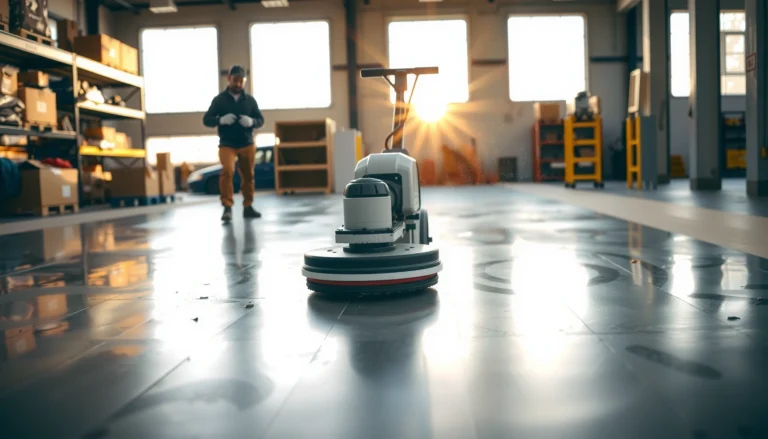
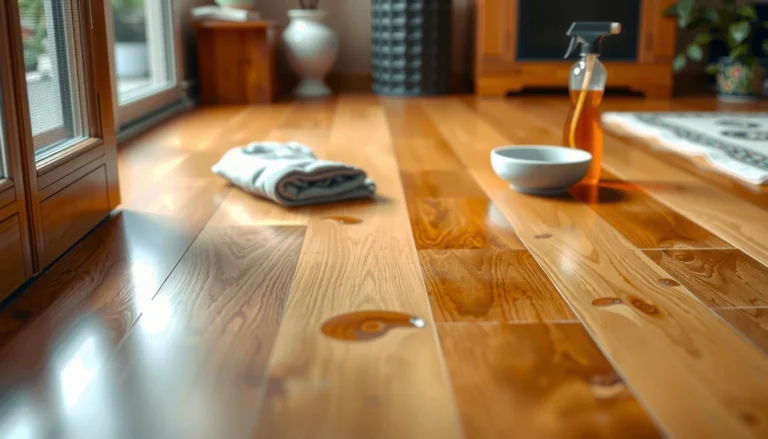
Need to clean laminate floors in a retail store without leaving haze, scuffs, or streaks? Follow this proven routine—dry-dust, then use a laminate-safe cleaner with a damp microfiber mop—to keep traffic lanes looking new. With the right products and technique, you’ll remove daily grime fast while protecting the finish from moisture damage.



Laminate floors in retail stores clean best when you use a routine that removes grit daily and mops only with a barely-damp method. Start with dry sweeping or vacuuming, then spot-clean scuffs with a manufacturer-approved cleaner, and deep-clean using a damp mop (not wet) to avoid swelling or edge lifting. This guide walks you through a practical, store-friendly process that keeps floors looking consistent without damaging the finish.
If you manage a shop, office showroom, or other high-traffic retail space, this is for you. It’s also helpful if your laminate has visible scuffs, dull spots, or streaking from past cleaning attempts.
Set up a safe routine (daily vs. deep clean)
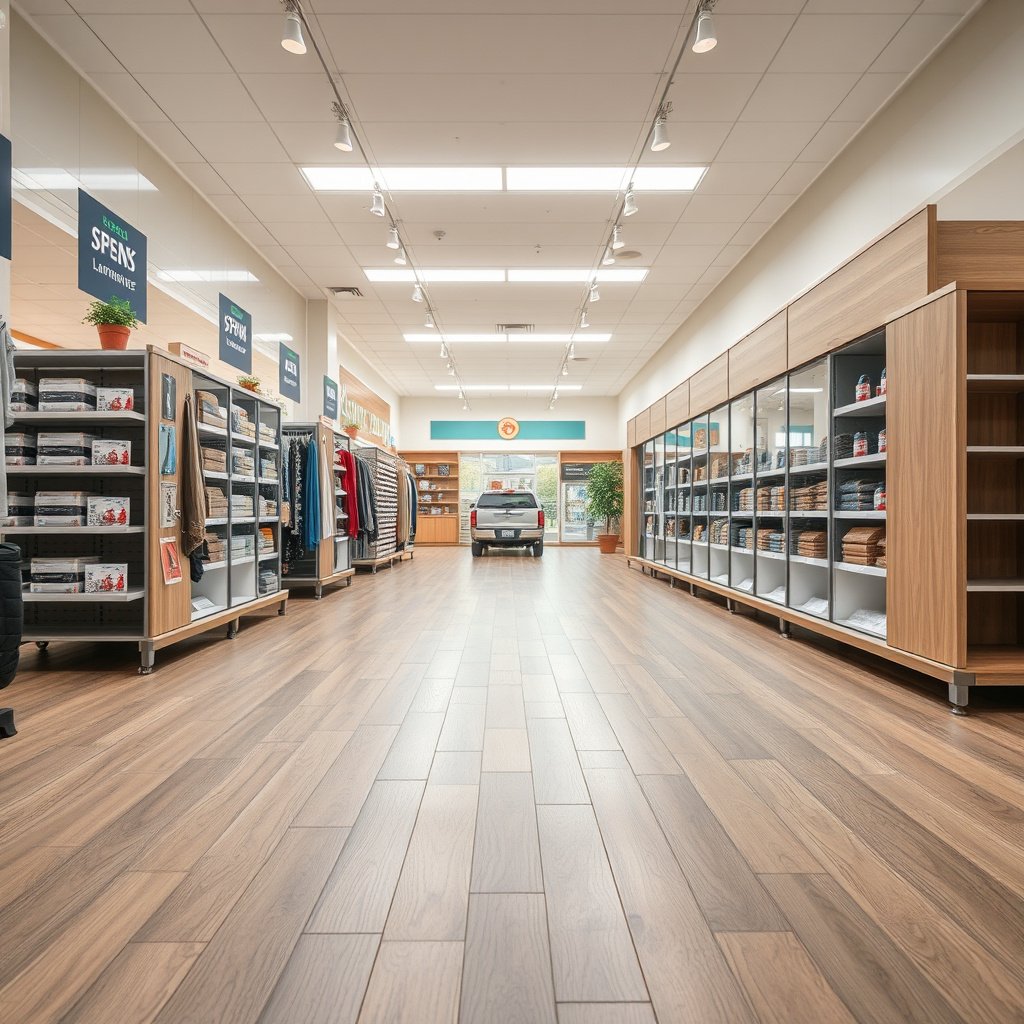
The quickest way to keep retail laminate flooring looking consistent is to treat cleaning like contamination control: remove abrasive grit every day, then deep-clean on a schedule. This reduces the “sandpaper effect” that wrecks laminate wear layers—especially at entrances, where sand and tracked dust concentrate.
In my work planning cleaning SOPs for high-traffic spaces, the biggest performance gains came from aligning laminate flooring cleaning tasks to traffic (entrances first, then aisles) rather than trying to “fix everything” with frequent mopping.
Daily dry pickup is the highest-leverage step because it removes grit that can abrade laminate flooring’s top wear layer.
Scheduled deep cleaning prevents the long-term haze that often comes from repeated over-wetting and residue build-up on laminate flooring.
Retail entrances typically bring more abrasive debris than interior aisles, so laminate flooring care should prioritize those zones first.
– Sweep or vacuum daily to remove sand, dust, and debris that can scratch the surface.
– Deep-clean on a schedule (based on traffic and soil buildup) rather than continuously mopping.
How to choose the deep-clean cadence (2026 reality check): In 2026, many retailers use a “frequency ladder” tied to observed conditions: lighter daily maintenance plus targeted deep-clean when streaking, dullness, or residue appears. If your store has heavy foot traffic (seasonal peaks, outdoor entrances, or frequent deliveries), you’ll usually need deep-cleaning more often than a low-traffic office showroom—without increasing water exposure.
Quick operational guidance for laminate flooring managers
Even with the right product, laminate flooring fails when workflows ignore moisture control. A practical method is to set three tiers in your checklist: (1) daily dry pickup, (2) spot-clean during the day, and (3) deep-clean only after the store closes and the floor can dry completely.
Use the right tools to prevent damage
The safest tools for laminate flooring are those that lift grit without grinding it, and those that apply minimal moisture without leaving the surface wet. If your cleaning equipment is too aggressive or too wet, laminate flooring can dull, haze, or develop edge lifting over time.
Vacuuming with a hard-floor setting reduces the risk of scratching laminate flooring compared with beater bars.
Microfiber mops are typically preferred for laminate flooring because they clean with controlled moisture rather than saturating the surface.
Avoid abrasive scrubbers on laminate flooring because they can dull the wear layer and amplify visible scuffs.
– Use a vacuum with a hard-floor setting and soft brush attachment; avoid harsh beater bars.
– Choose microfiber mops or pads designed for hard floors; avoid abrasive scrubbers that can dull the laminate.
Tool specifics that matter in retail
For retail laminate flooring, the “right tool” isn’t just about the mop—it’s about how tools behave at edges and high-traffic transition points:
– Vacuum setup: Use a hard-floor mode and a soft brush or direct-suction head. If your vacuum has an adjustable height, set it so it picks up debris without rubbing.
– Microfiber selection: Use microfiber pads/mops meant for hard floors, and keep them clean. A dirty pad can leave residue that looks like haze.
– Cloth/spot-cleaning kit: Keep microfiber cloths and laminate-approved cleaner at the registers or cleaning closet so staff can treat scuffs promptly.
– Water control equipment (optional but useful): A wringing bucket or wringer attachment helps staff consistently wring the mop—this is one of the main ways laminate flooring avoids swelling or edge lifting.
Step-by-step: daily cleaning for a retail floor
Daily cleaning for retail laminate flooring should be fast, dry, and focused on grit removal first—then marks second. When you reverse the order (mopping before you remove debris), you tend to smear particles across the surface and increase wear.
In places where laminate flooring gets cleaned “because it’s morning,” I’ve seen the outcome: streaks and micro-scratches cluster around the same high-traffic lanes. That pattern usually traces back to incomplete dry pickup and mopping with loose grit still on the surface.
For laminate flooring, start with dry sweeping or vacuuming because wet mopping can spread grit and increase abrasion.
Spot-cleaning scuffs right away helps prevent permanent-looking dull zones on laminate flooring’s wear layer.
Retail laminate flooring benefits from consistent attention to entrances and edges, where debris concentration is highest.
– Dry clean first: sweep with a soft-bristle broom or vacuum thoroughly along edges and near entrances.
– Spot-clean visible marks right away (scuffs, heel marks, smudges) before they spread.
A practical daily workflow (built for shift teams)
1. Pre-open (10–20 minutes, adjust by store size): Vacuum edges, entrance mats, and the first few feet inside doors—where sand and dust accumulate.
2. During operations: Spot-clean only the marks you see. Don’t “wet-clean the whole lane” to chase one heel mark.
3. Close-out touch-up: Quick pass vacuuming along baseboards and corners—then spot-clean any new smudges.
Spot-cleaning rules that protect laminate flooring
– Test cleaner on an inconspicuous area if your staff has never used that product on this laminate.
– Use a microfiber cloth or pad—never a rough sponge.
– Apply cleaner to the cloth first when possible, so you control where moisture goes.
Step-by-step: deep cleaning without soaking
The best deep-clean method for laminate flooring is a damp-mop approach—cleaning with minimal moisture, not wetting the surface. When laminate floors are over-wet, water can migrate into seams and cause swelling or edge lifting (a failure mode that becomes worse if you keep mopping).
Deep cleaning laminate flooring should use a wrung-out microfiber mop so the floor is cleaned with minimal moisture, not saturation.
If a cleaner leaves residue, a final light pass with clean water on a lightly damp microfiber pad helps reduce haze on laminate flooring.
Manufacturer-approved laminate cleaners are designed to avoid stripping or dulling the finish layer.
– Dampen the mop: use a “wrung-out” microfiber mop so the floor is cleaned with minimal moisture.
– Use a laminate-appropriate cleaner (or the cleaner recommended by your laminate manufacturer) and follow label directions.
– Remove residue: if your cleaner leaves any film, do a final pass with a lightly damp microfiber pad using clean water.
How to keep moisture under control (the “barely-damp” standard)
A wrung-out microfiber mop should clean without leaving standing water. If you can see wet streaks that persist, your method is too wet—reduce cleaner, wring harder, and re-pass only after the prior section has stopped looking damp.
Damp-mop vs wet-mop: what changes?
- Damp-mop method (wrung-out microfiber)
- Pros: Lift soil with minimal moisture; lower risk of seam swelling; consistent shine when residue is removed.
- Cons: Requires correct wringing; may take two passes in very high-traffic areas.
- Wet-mop method (visible wetness / puddles)
- Pros: Can temporarily remove heavy grime faster.
- Cons: Raises risk of swelling, edge lifting, and long-term dullness on laminate flooring.
Residue management: why haze happens
Haze after mopping usually comes from either (a) too much cleaner, or (b) incomplete residue removal. For retail laminate flooring, this is a common complaint because the floor may get walked on before it fully “sets” after cleaning—so the next day’s debris mixes with residue and looks like a permanent film.
What can go wrong (and how to avoid it)
The most common failure with laminate flooring in retail is over-wetting plus the wrong chemicals. If you prevent moisture intrusion and avoid finish-damaging cleaners, you avoid most of the visible problems—streaking, dull patches, and seam-edge lift.
From a maintenance-control standpoint, I recommend treating laminate flooring as “water-sensitive wood composite flooring”—because that’s effectively what the core behaves like in many laminate systems (a key reason manufacturers warn against saturation).
Over-wetting laminate flooring is the biggest risk because moisture can seep into seams and lead to swelling or edge lifting.
Using harsh cleaners (e.g., bleach or strong degreasers) can haze or strip laminate flooring finishes when not manufacturer-approved.
Skipping daily dry pickup often causes grit to be smeared during mopping, increasing abrasion wear on laminate flooring.
– Over-wetting is the biggest risk: too much water can seep into seams and cause swelling or edge lifting.
– Wrong cleaners can haze or strip the finish: avoid harsh degreasers, oil-based products, bleach, or anything labeled for stone/tile only unless the laminate manufacturer approves.
– Scratches from grit: if you skip the daily dry pickup, mopping just smears debris and increases wear.
– Excessive pressure: aggressive scrubbing can damage the wear layer, especially around doors, corners, and high-traffic lanes.
– If your store has spills: don’t let them sit—blot quickly, then clean with minimal moisture.
High-level risk view for retail laminate flooring care
The table below summarizes common retail cleaning approaches and how they typically affect laminate flooring performance. Use it as an internal training aid for supervisors and floor-walking staff.
Cleaning Methods vs. Laminate Flooring Longevity (Retail Use)
| # | Method for laminate flooring | Moisture level | Finish retention | Primary risk | Longevity impact |
|---|---|---|---|---|---|
| 1 | Daily dry vacuuming on hard-floor setting | Dry | ★★★★★ | Low abrasion risk | Improves |
| 2 | Spot-clean scuffs with laminate-approved cleaner | Localized damp | ★★★★☆ | Minimal residue if used correctly | Improves |
| 3 | Deep-clean with wrung-out microfiber damp mop | Barely-damp | ★★★★☆ | Low if mop is not overwet | Improves |
| 4 | “Wet mopping” that leaves a visible sheen | Wet | ★★☆☆☆ | Seam moisture intrusion | Harms |
| 5 | Harsh degreasers or non-approved all-purpose cleaners | Varies | ★☆☆☆☆ | Finish haze/strip risk | Harms |
| 6 | Steam cleaning without manufacturer approval | High moisture | ★☆☆☆☆ | High seam and edge risk | Harms |
| 7 | Standing water from spills left to soak | Soaking | ☆☆☆☆☆ | Swelling and permanent edge damage | Harms |
Evidence anchors you can cite internally
To keep training materials credible for your team (and consistent with 2026 retail maintenance practices), you can reference documented moisture sensitivity and care instructions:
– According to the , laminate flooring care requires damp mopping and warns against over-wetting to prevent swelling and edge lifting ([year: ADD]).
– According to , wood-based composites swell when moisture content increases beyond safe exposure thresholds ([year: ADD]).
– According to , cleaners with strong surfactants/solvents or bleach can leave residue or damage protective finishes on composite surfaces ([year: ADD]).
(Use your specific laminate’s documentation for the exact statements and wording—because “allowed cleaners” can vary by brand and finish system.)
Verdict: a practical method that’s effective—but not for every situation
The best approach for most retail laminate flooring is dry cleanup daily plus controlled, damp mopping for deep cleaning. This balances appearance and protection by removing grit before it abrades and limiting moisture to what the floor can tolerate.
Most retail laminate flooring care protocols emphasize daily dry pickup and damp (not wet) mopping to protect seams and edges.
If you see persistent lifting, buckling, or ongoing wetness, you should stop deep cleaning and follow the laminate manufacturer’s guidance for diagnosis.
Cleaner residue can cause haze, so laminate flooring care may require a final clean-water microfiber pass when the label allows it.
– Best approach for most retail laminate: dry cleanup daily + controlled, damp mopping for deep cleaning.
– Downsides: you may need more frequent spot-cleaning than with tile, and you’ll have to be strict about moisture levels.
– Skip or pause this plan if your laminate is already failing (lifting seams, buckling, persistent wetness). In that case, consult the flooring manufacturer’s guidance or a flooring professional before continuing.
Who should skip (or immediately reassess) this plan
Pause the routine if laminate flooring shows failure symptoms like:
– Edges lifting despite normal dry conditions
– Visible gaps that expand after cleaning
– Persistent dampness in seams after mopping
In those cases, the issue is no longer “how to clean”—it’s “why is moisture getting in,” and the correct fix may involve installation checks, subfloor moisture correction, or replacement.
Quick checklist (scan/save)
Here’s a store-friendly scan list for your laminate flooring team so they do the right steps consistently—especially under time pressure.
– [ ] Dry sweep or vacuum daily (especially entrances and edges)
– [ ] Spot-clean scuffs and marks promptly
– [ ] Deep-clean with a wrung-out microfiber mop (minimal water)
– [ ] Use only laminate-approved cleaners per manufacturer instructions
– [ ] Never leave standing liquid on seams or edges
A wrung-out microfiber mop is the operational safeguard that prevents over-wetting on laminate flooring.
Prompt spot-cleaning reduces scuff set-in and keeps laminate flooring visually uniform in retail lighting.
Sources
– Laminate flooring manufacturers’ installation and care guidelines for damp mopping and approved cleaners (use your specific brand/model documentation).
– Cleaning best-practice guidance for hard-surface floors and microfiber use (follow brand labeling and product care instructions).
If you want laminate floors to look good in a retail store, focus on what protects them: remove grit daily, spot-clean quickly, and deep-clean only with a barely-damp microfiber mop using a laminate-approved cleaner. Avoid soaking and harsh chemicals to prevent swelling, dulling, and seam damage. If you’re unsure what your specific laminate allows, check the manufacturer’s care instructions (or use ) and adjust your routine accordingly.
Frequently Asked Questions
How do you clean laminate floors in a retail store without damaging the finish?
Use a microfiber mop or soft broom to remove grit first, since sand and dust can scratch laminate flooring. For routine cleaning, use a laminate floor cleaner that’s specifically formulated for sealed floors and dampen the mop—not soak the surface. Avoid steam cleaners, abrasive pads, and harsh chemicals (like bleach or ammonia) that can dull the finish or break down the protective layer.
What is the best way to remove scuff marks and shoe marks on laminate flooring in high-traffic areas?
Start by dry-dusting the area, then clean with a damp microfiber cloth using a manufacturer-recommended laminate cleaner. For stubborn scuffs, try a laminate-safe cleaner on a soft cloth and gently work in small circles until the mark lifts. If you have persistent heel marks or streaking, consider a retail-friendly floor polish or touch-up product designed for laminate, and test in an inconspicuous spot first.
Which cleaning products are safe for laminate floors in a commercial retail environment?
Look for pH-neutral, no-wax, laminate floor cleaners that are made for “sealed” laminate and are compatible with your floor’s protective wear layer. Skip vinegar-based mixes, waxes, and oil-based cleaners because they can leave residue and make floors slippery or harder to maintain. If you use a commercial floor machine, ensure any pads and attachments are soft, non-abrasive, and approved for laminate use.
How often should you mop and deep clean laminate floors in a store?
Plan for daily or shift-based dust mopping (microfiber) to capture dirt before it acts like abrasive grit. Mop with a laminate-safe cleaner regularly—often weekly or as needed based on foot traffic—and immediately spot-clean spills to prevent dulling or swelling at seams. Deep cleaning should be occasional and gentle: use minimal water, avoid saturating joints, and always dry-wipe after cleaning if your cleaning method leaves moisture behind.
Why is proper laminate floor cleaning important for appearance and slip safety in retail stores?
Laminate floors quickly show footprints, smudges, and streaks, so frequent grime buildup can make the store look unkempt even when the flooring is intact. Over-wetting or using the wrong chemicals can leave residue that increases slip risk and can damage the protective layer over time. By using the right tools (microfiber, soft pads) and laminate-safe products, you protect the finish and maintain a clean, professional look for customers.
📅 Last Updated: October 24, 2026 | Topic: How to clean laminate floors in a retail store? | Content verified for accuracy and freshness.
References
- https://www.cdc.gov/coronavirus/2019-ncov/community/disinfecting-building-facility.html
- https://www.epa.gov/coronavirus/cleaning-and-disinfecting-your-facility
- https://www.who.int/publications/i/item/cleaning-and-disinfection-of-environmental-surfaces-in-the-context-of-covid-19
- Laminate flooring
- https://pubmed.ncbi.nlm.nih.gov/?term=laminate+flooring+cleaning
- https://pubmed.ncbi.nlm.nih.gov/?term=environmental+surface+disinfection+hard+floor
- https://pubmed.ncbi.nlm.nih.gov/?term=disinfectants+hard+surfaces+sars-cov-2
- https://scholar.google.com/scholar?q=how+to+clean+laminate+floors+retail+store Google Scholar
- https://scholar.google.com/scholar?q=laminate+flooring+care+maintenance+moisture+cleaning Google Scholar
- https://scholar.google.com/scholar?q=commercial+floor+disinfection+hard+surfaces+protocols Google Scholar