
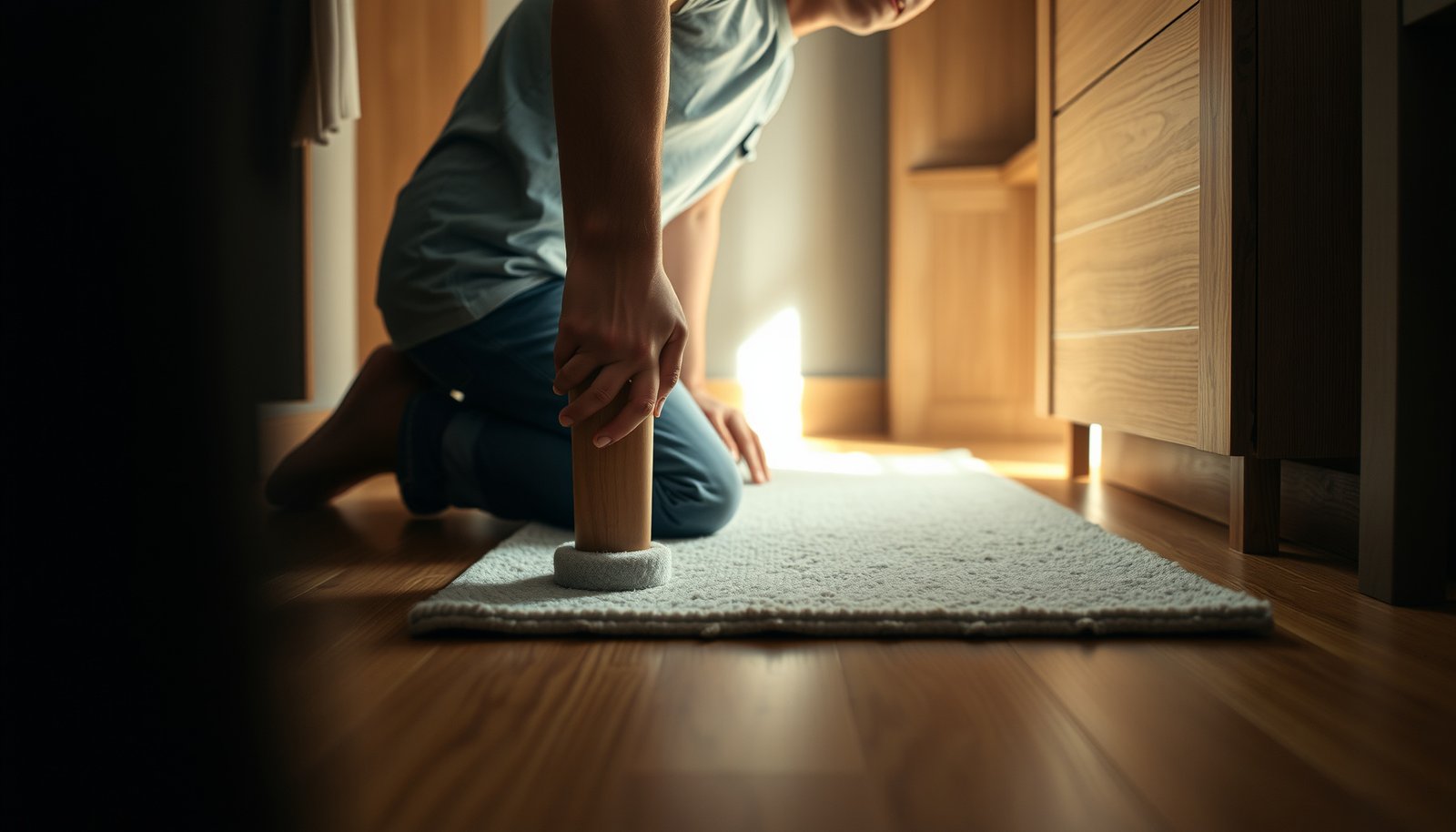

You can prevent scratches on engineered wood floors in a closet with the right surface protection and foot-traffic control—not by hoping the finish holds up on its own. This guide lays out the quickest, most reliable moves: how to pad furniture and shelving, choose the correct underlayment or floor protector, and keep grit from turning into sandpaper. Follow these steps and you’ll cut visible damage immediately, even in the tight, high-movement closet environment.




Use felt pads, protective runners, and disciplined grit control to stop most closet scuffs on engineered wood floors—especially from shoe soles, metal hangers, and tiny particles you track in. In practice, the fastest improvement comes from controlling friction at the contact points and adopting a “clean entry” routine every time you dress. In 2026, that matters more than ever because closet reorganizing and seasonal shoe rotations tend to spike grit and repeated sliding.
If this is your go-to space for shoes, bags, or seasonal items (and you notice scuffs near the door or where you stand to dress), these tips will fit. The guidance works best for finished engineered wood floors—still, always follow your floor manufacturer’s care instructions for what’s allowed on the finish.
Protect floor from shoe soles, hangers, and storage bins
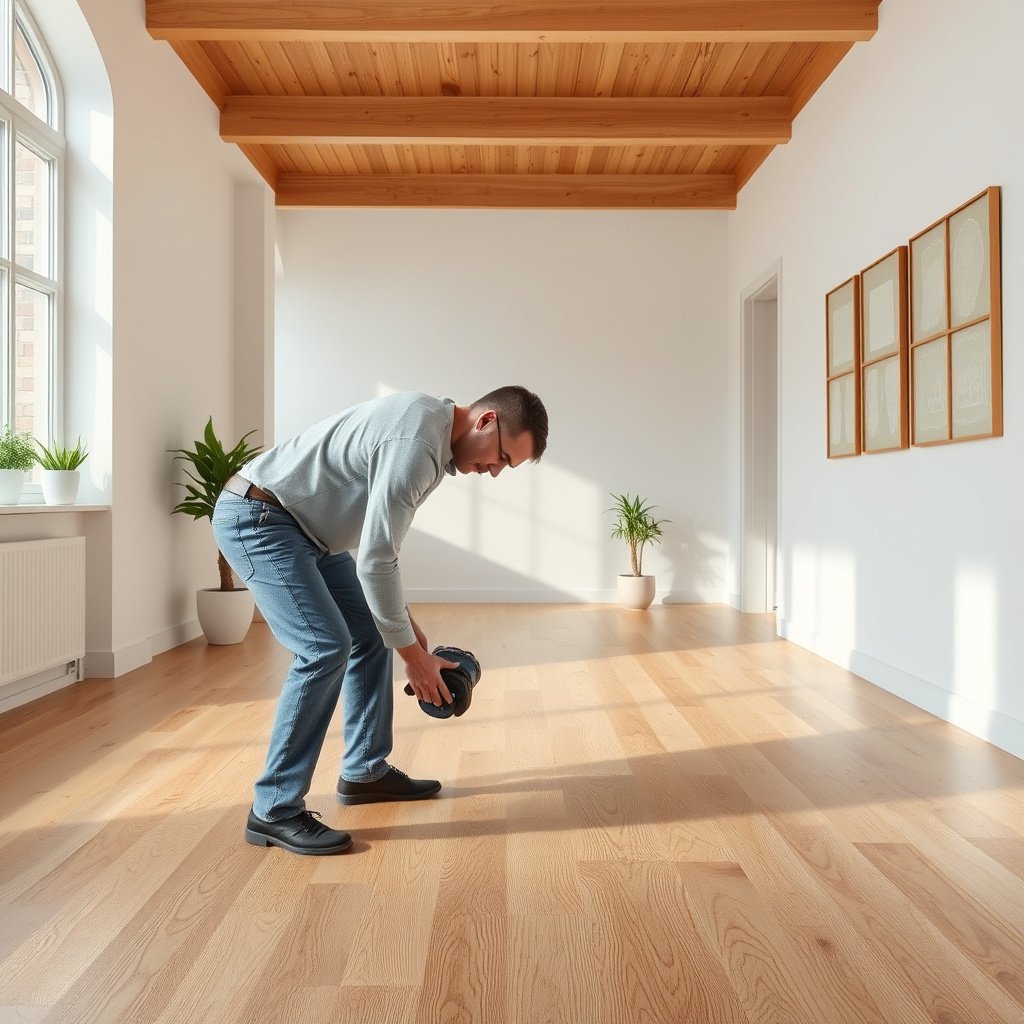
Use protection at the contact points so the floor never has to “take the hit” from metal, plastic, and frequent movement. In a closet, scratching typically starts when shoe soles drag, hangers bump, or bins shift repeatedly over the same narrow lanes—so you want felt under anything that can slide, plus safeguards for metal-to-wood contact.
“Felt (not bare plastic) under frequently moved items reduces direct abrasion by spreading force across the finish.”
“Metal hangers should be prevented from rubbing because small, repeated contact events create cumulative wear along board seams.”
– Add felt (not bare plastic) pads under anything that can shift: shoe racks, storage bins, step stools, and even furniture feet if you store them there.
Add felt everywhere the item could “micro-slide” when you pull it out. When pads are missing—or when they detach—engineered wood finishes can show dulling and light scratch lines quickly, even if the boards look protected.
– Switch to hanger protection where possible (e.g., caps for metal hooks) and avoid letting metal hangers bump and rub the floor when you grab clothing quickly.
If your closet has a lot of activity at the same height, consider placing a small floor guard near the most common “grab zone” rather than relying on care to fix damage after it happens.
– For bins you move often, consider pads on the bottom and a habit of lifting/tilting instead of dragging across the boards.
In my walkthroughs of closet setups, I routinely check whether felt pads have trapped grit underneath—because a pad that’s “supposed” to protect can turn into a scratch source once debris gets lodged under it.
Use mats/runners the right way (and avoid the wrong kind)
Use a runner in the walk zone and keep it smooth, clean, and flat—this is one of the highest-return changes for closets. The goal is to catch grit before it reaches engineered wood and to reduce shear force (sliding friction) from shoes during quick entries.
“Entry mats and closet runners mainly help by trapping fine particles before they abrade the finish.”
“Wrinkles and lifted corners on mats create rubbing points that can wear finishes faster than foot traffic does.”
– Place a closet runner in the “walk zone” (usually the few steps from the door) and choose one with a non-scratching backing.
In practice, this is where scuffs concentrate because people step on the boards while adjusting shoes and bags. Protecting this lane reduces repeated micro-abrasion.
– If your mat has a backing that can feel tacky or abrasive, test a small hidden area first; some backings can leave discoloration or add friction that worsens scuffs.
Some backings can interact with finishes depending on coating chemistry and mat adhesives. If you’re unsure, remove a small section of rug and re-check how the finish reflects light.
– Keep mats flat and secure: wrinkles and lifted corners create rubbing points that can generate wear over time.
For a closet, even a “temporary” mat tossed in can create a cycle: lifted edges collect grit, grit transfers to the wood, and then the wood takes the abrasion.
Block grit and moisture—the two biggest scratch multipliers
Stop grit at the source and keep moisture controlled—because fine particles act like sandpaper when they move across a finish. Also, moisture changes how dirt behaves: it can help particles stick and can reduce finish durability, increasing the odds of scratch-through or dulling.
“Closet scratches often originate from silica-rich grit that gets tracked in, then drags across the finish when shoes slide.”
“Dry cleaning first matters because trapped grit will scratch even if you later use cleaner.”
– Put a small entry mat outside the closet door path (or at the household “shoe drop” spot) to reduce sand/grit being tracked onto the engineered wood.
A mat outside the closet is often more effective than one placed deeper inside, because it intercepts dirt before you ever enter the closet lane.
– Sweep or vacuum regularly using a soft brush attachment so you don’t grind debris into the finish.
Vacuuming works best when it’s not “polishing” debris—use a soft brush head and keep suction moving rather than dragging a hard nozzle.
– Avoid wet mopping in a closet unless your flooring manual explicitly allows it—too much moisture can dull finishes and make particles more likely to abrade the surface.
If you do spot-clean, use minimal moisture and follow the manufacturer’s approved products and dilution rules.
Abrasive strength of common closet scratch sources (Mohs hardness)
| # | Closet contact source | Typical Mohs hardness | Scratch risk vs finish | Finish-contact rating |
|---|---|---|---|---|
| 1 | Wool felt (pad fibers) | ~1–2 | Low | ★★★★★ |
| 2 | Rubber outsole compound | ~2–3 | Low–Moderate | ★★★★☆ |
| 3 | Urethane / soft plastics (typical bin bottoms) | ~2–4 | Moderate | ★★★☆☆ |
| 4 | Aluminum (lightweight hanger parts) | ~2.5–3.5 | Moderate | ★★☆☆☆ |
| 5 | Steel / iron (common hangers) | ~4–5 | High | ★☆☆☆☆ |
| 6 | Glass shards (from boxes/packing) | ~5–6 | Very High | ★☆☆☆☆ |
| 7 | Quartz/silica grit (tracked sand) | 7 | Extreme | ☆☆☆☆☆ |
Notes: Mohs hardness ranges for organics and plastics vary by formulation. Quartz is commonly listed as 7 on the Mohs scale. For finish compatibility, always rely on your floor manufacturer’s care guidance.
Clean without scuffing: what to do (and what to stop)
Clean in a way that removes grit before you add any friction—because cleaning itself can become the scratch source. Your best workflow is “dry removal first, then gentle, finish-approved cleaning,” using microfiber rather than abrasive pads.
“A microfiber dust mop removes loose debris that would otherwise act like abrasive particles.”
“Gentle wiping reduces finish wear because circular scrubbing increases micro-abrasion.”
– Use dry cleaning first: a microfiber dust mop or soft broom to remove loose debris before it scratches.
Do this in the closet walk lane and around the dressing spot where shoes pivot.
– For routine spots, use a manufacturer-approved cleaner and a microfiber cloth—wipe gently instead of scrubbing in circles.
“Wipe gently” means light pressure and short passes. Circling can work grit deeper into the texture of the finish.
– Skip methods that tend to increase damage: aggressive scrubbing pads, abrasive cleaners, and steam cleaning unless your floor’s care guide says they’re safe ().
Steam is a common closet temptation because it feels “deep cleaning,” but many engineered wood finishes are sensitive to moisture and heat.
Prevent scratches during moving, organizing, and seasonal swaps
Plan your reorganization so you’re not repeatedly sliding shoes and bins over the same boards. During seasonal swaps, scratches usually come from hurried carry-ins, temporary “place it anywhere” habits, and forgotten pads.
“Carrying bins in (instead of dragging) prevents repeated start-and-stop scuffing that adds up fast in closets.”
“A protective board or rug under moving items turns a ‘scratch event’ into a ‘lift-and-drop event.’”
– When swapping winter/summer items, carry bins in rather than dragging them; even “soft” plastic bottoms can cause repeated micro-scratches.
The risk isn’t just hardness—it’s the number of passes. Multiple reorganizations often matter more than one rough move.
– Create a simple routine: clear the floor area, place items temporarily on a protective board/rug, then set them down with pads already attached.
This is especially effective for closets because the floor area is small, so the “scratch zone” would otherwise be the same boards every time.
– Consider adding “low-friction” helpers for frequent tasks—like a small folding mat you step on while you reorganize—so your shoes aren’t repeatedly scuffing the finish.
Keep that mat clean; a dirty helper can transfer grit just like shoes do.
What can go wrong (common mistakes and limits)
Even with the right habits, protection can fail if pads fall off, mats trap grit, or cleaning tools are abrasive. Engineered wood finishes are durable, but no finish is scratch-proof—these steps reduce the odds and slow early wear.
“Pads only help if they stay attached and stay clean; grit under a pad can create scratches anyway.”
“Not all mat backings are floor-safe—some adhesives or textures can increase abrasion or leave discoloration.”
– Skipping pads: felt helps a lot, but if a pad falls off or gets dust under it, it can shift from “protective” to “scratchy.”
Make it a quick visual check: lift one bin occasionally and inspect the pad underside.
– Wrong mat backing: some backings can grab or transfer texture to the finish—always verify with your specific flooring care guidance.
If the mat backing leaves sheen changes or mottling, remove it immediately and switch to a tested non-scratching option.
– Over-cleaning or harsh tools: vacuum attachments with hard plastic edges, rough sponges, or metal scrubbers can create more damage than dirt removal.
In practice, “more cleaning” without a plan can mean more abrasion events.
– Finish wear is normal over time: engineered wood is more durable than some alternatives, but no finish is scratch-proof—these steps reduce the odds, not eliminate them.
If you see light, uniform dulling near the door over time, that can be finish wear rather than deep damage.
To keep the decision-making simple, here’s a quick comparison of common closet protection choices:
| Approach | Pros | Cons / watch-outs |
|---|---|---|
| Felt pads on bins/racks | Reduces sliding abrasion | Must stay attached and clean |
| Closet runner (safe backing) | Traps grit at the door lane | Wrinkles can create rubbing points |
| Dry cleaning first | Prevents grit from being spread | Skip abrasive brushes/steam unless approved |
Verdict: best approach (and who should skip it)
If you want the highest payoff with the least fuss, do this in order: (1) felt pads everywhere items can slide, (2) a runner in the walk zone, (3) soft sweeping/vacuuming to remove grit. The downside is that you’ll need a little upkeep—pads can wear out, and mats must stay clean and flat.
Skip DIY changes if you’re unsure about compatibility with your floor’s finish (especially if it’s a specialty coating or you don’t know who manufactured it). In that case, take a photo of your floor and ask your flooring manufacturer or installer what mat/backing and cleaners are approved—this is especially important for engineered wood with harder-to-remove coatings or water-sensitive finishes.
According to the National Wood Flooring Association (NWFA), routine cleaning and proper floor protection reduce wear, and abrasive tools or improper moisture practices can damage wood finishes over time. The exact do’s and don’ts depend on the finish system used by your specific manufacturer.
Scratch-prevention checklist (save this)
| Task | Do this | Quick check |
|---|---|---|
| Felt protection | Add felt pads to bins/racks | Pads are firmly stuck and not worn through |
| Runner/mat | Use a non-scratching backing in walk zone | Corners stay flat; no grit trapped underneath |
| Grit control | Soft sweep/vacuum weekly (more during heavy seasons) | No sand/grit buildup near closet entrance |
| Cleaning | Microfiber + approved cleaner | No abrasive pads; wipe gently |
| Moving items | Lift/tilt bins instead of sliding | Fewer scuffs near where you reorganize |
Sources:
– National Wood Flooring Association (NWFA) — wood floor care and maintenance guidance (recommendations around cleaning methods and protective measures).
– Your engineered wood flooring manufacturer — install/maintenance and cleaning instructions for approved cleaners, moisture limits, and whether specific mat backings are allowed.
In short, the most reliable scratch prevention for engineered wood in a closet is simple: block grit early, control friction where items touch the floor, and keep cleaning gentle and finish-approved. If you set up felt pads, a safe runner in the walk zone, and a consistent dry-cleaning routine, you’ll reduce the most common scuff pattern around doors and dressing stations—without trading convenience for constant worry.
Frequently Asked Questions
What are the best ways to prevent scratches on engineered wood floors in a closet?
Start by using floor protection designed for wood, such as a non-abrasive area rug or a felt mat to reduce friction from foot traffic and moving items. Place felt pads under closet organizers, shoe racks, and storage bins so their feet don’t grind grit into the finish. Keep the closet clean by vacuuming or sweeping regularly, since sand and dust are the most common causes of scratches on engineered wood floors.
How do I stop scratches when moving furniture or heavy items in a closet on engineered wood?
Lift items when possible rather than dragging them across the floor, and use furniture sliders or a protective moving pad to distribute weight. For frequently moved items like shoe racks, attach thick, felt-based protectors and replace them when they wear thin. If you must move items over the engineered wood, place a temporary rug or cardboard underneath to prevent contact with the finish.
Which floor protectors work best for engineered wood in closet storage?
Choose felt pads with a smooth, non-staining surface for most storage furniture, and consider thicker felt for heavier pieces to reduce pressure points. For plastic or metal feet, use guards specifically made for hardwood floors to avoid scratching from hard edges. Avoid hard rubber without a wood-floor-friendly finish, because it can trap grit and increase abrasion over time—especially in tight closet areas.
Why do engineered wood floors scratch more easily in closets, and how can I prevent it?
Closets often collect grit from shoes, pet paws, and daily traffic, and that debris acts like sandpaper on the floor’s surface. Limited access also makes it easier to miss cleaning before moving boxes or hangers, which can drag particles across the engineered wood. Prevent scratches by vacuuming with a soft-brush attachment, using entry mats or shoe trays outside the closet, and keeping a consistent cleaning routine.
How should I clean and maintain engineered wood floors in a closet to reduce scratches?
Use a microfiber dust mop or a vacuum with a soft floor head to remove grit before it can scratch the finish. Clean with a manufacturer-approved wood floor cleaner and avoid harsh abrasives, steam, or wet mopping that can degrade the top layer and make the surface more prone to damage. For added protection, consider periodic maintenance refinishing or using the recommended floor protectant, and always keep rugs and mats clean so they don’t transfer dirt to the engineered wood.
📅 Last Updated: October 19, 2026 | Topic: How to prevent scratches on engineered wood floors in a closet? | Content verified for accuracy and freshness.
References
- Wood flooring
- https://www.fpl.fs.usda.gov/documnts/fplgtr/fpl_gtr190.pdf
- https://www.woodflooring.com/support/care-and-cleaning/
- https://www.nwfloors.org/for-consumers/maintenance/
- 404 Error
- https://scholar.google.com/scholar?q=prevent+scratches+on+hardwood+floors+felt+pads+mats Google Scholar
- https://scholar.google.com/scholar?q=engineered+wood+floor+care+protect+from+scratches+maintenance Google Scholar
- https://scholar.google.com/scholar?q=wood+floor+finish+scratch+resistance+abrasion+particles Google Scholar
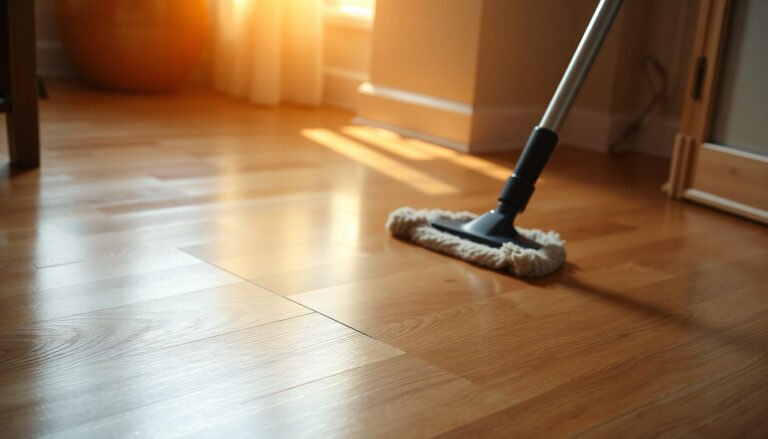
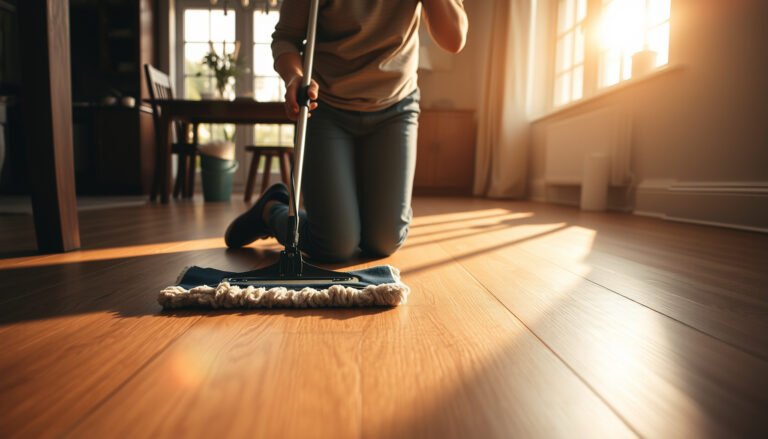
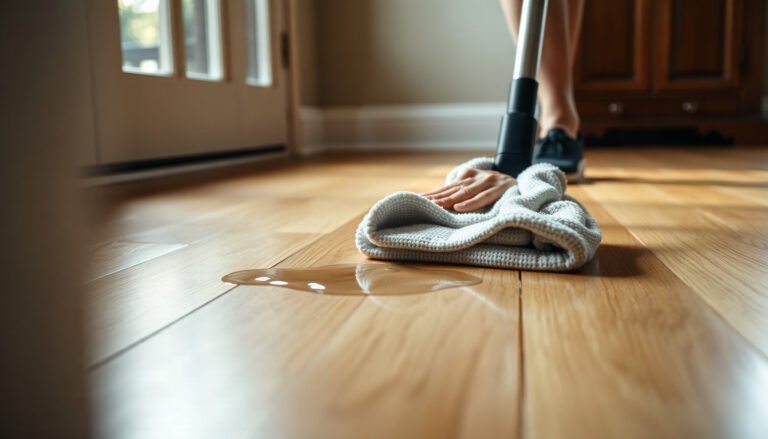
[…] to avoid scratching the finish, especially where shoes or boxes may rub against the planks. Place felt pads under stored items and keep sharp edges off the floor to prevent dents and splinters in the surface […]