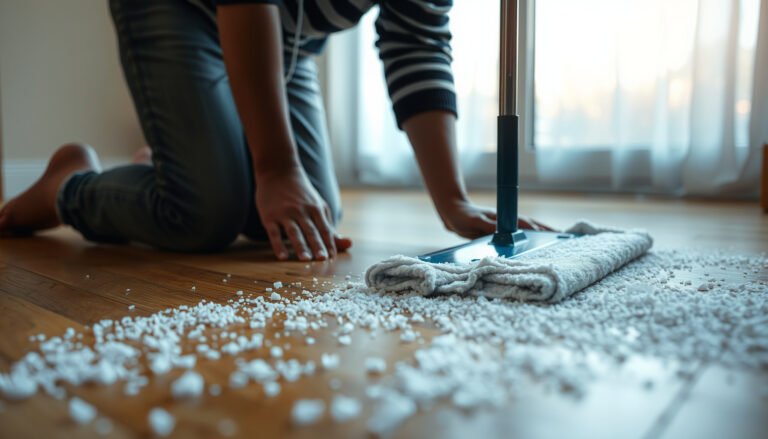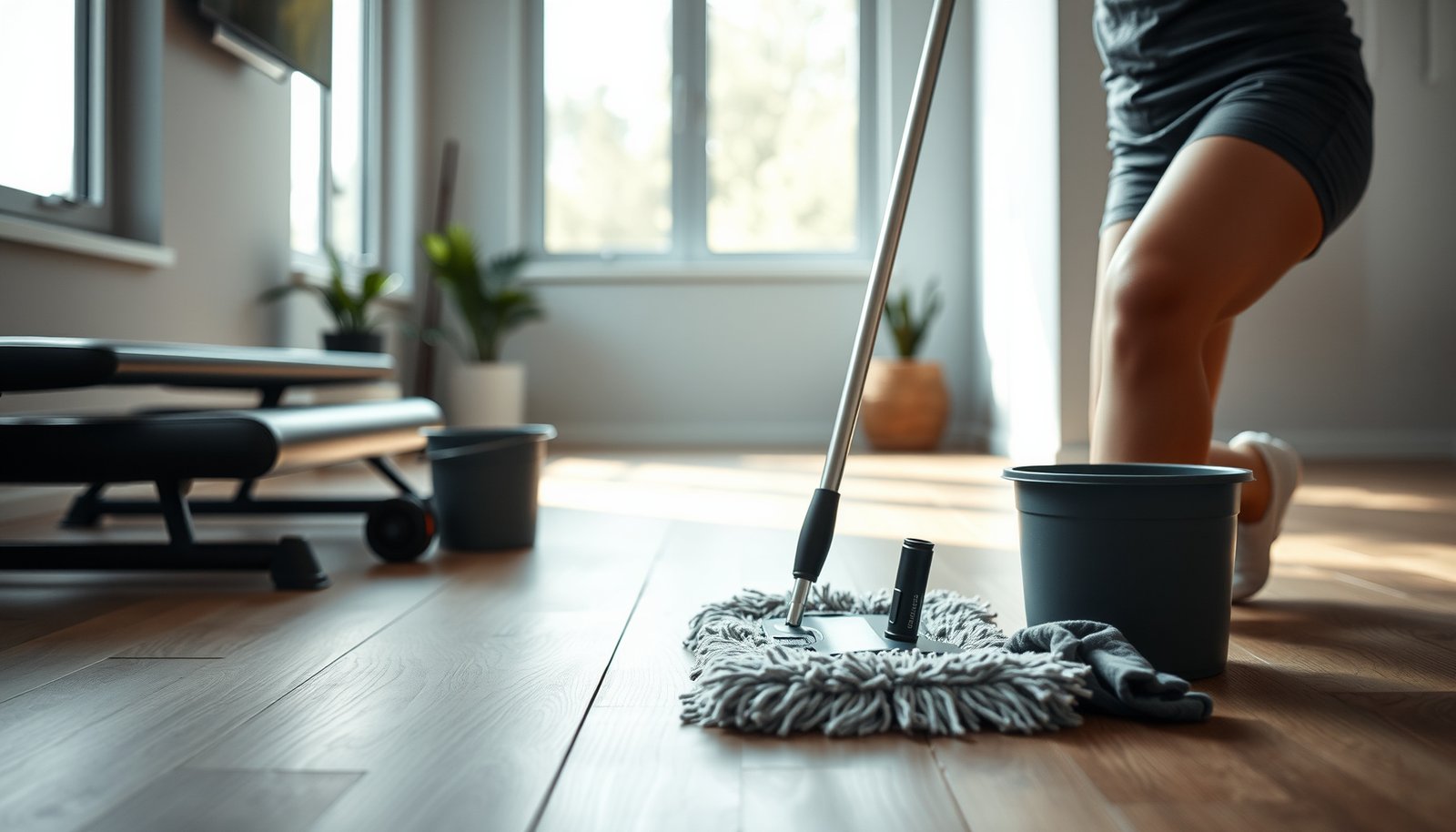

You can clean laminate floors in a home gym quickly without damaging the finish—this guide shows the winning method for daily dust, weekly grit, and sticky sports messes. Expect a simple routine using the right cleaner and a microfiber mop, plus a no-warp approach that protects seams from moisture. Follow these steps and your gym floor stays brighter and safer under heavy foot traffic.



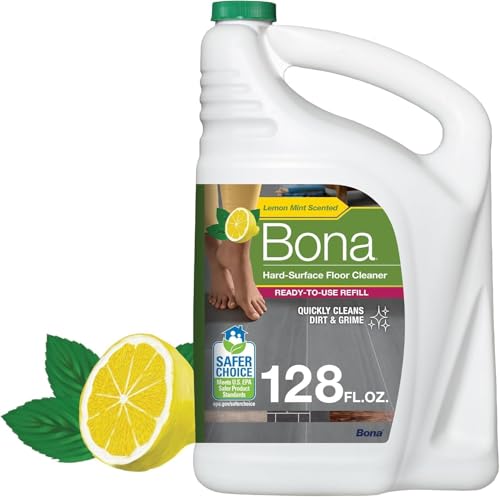
Sweep, then use a laminate-safe damp mop (not a wet mop), and dry immediately if any water sits on the surface. This routine keeps gym grit from grinding into the finish while reducing the main laminate risk: moisture creeping into seams and edges.
A home gym concentrates sweat, chalk, dust, and shoe-borne grit—so laminate floors need more frequent care than a typical living space. The good news: you don’t need aggressive chemicals or steam to get results; you need controlled moisture, microfiber tools, and consistent technique. In 2026, most laminate care guidance still centers on the same two principles: remove abrasive particles first and keep liquids off the surface.
Prep the floor before you clean

Pick the right starting step—dry removal—because grit is what scratches and dulls laminate over time. For laminate floors in a home gym, sweeping or vacuuming first prevents sand-like particles from getting dragged across the finish during mopping.
Dry pickup also helps with the “invisible” gym residues: fine dust from rubber mats, chalk dust, and fiber-lint from towels can form a film that looks like haze after a mop. When you prep the floor properly, even a simple damp clean restores clarity instead of spreading residue around.
Laminate flooring is typically a multilayer product with a high-density core and a surface wear layer; moisture exposure is a known risk area, especially around seams and edges.
Mechanical dry pickup (sweep or vacuum) removes abrasive grit before any wet cleaning, which helps prevent micro-scratching on laminate.
For high-traffic areas like home gyms, residue from chalk and dust settles into surface texture, so dry prep makes damp mopping more effective.
Why prep matters specifically for gym laminate
In a home gym, laminate floors don’t just get “dirt”—they get particulate matter and transfer films. Dumbbells bring metal filings and rust dust (from bars and plates), trainers bring skin oils and sweat salts, and chalk adds fine powders that can cling to the surface. If you mop without prep, those particles get suspended and redistributed.
Prep steps (use this order every time)
– Remove loose grit with a broom, microfiber dry mop, or vacuum (use a soft brush if your vacuum has an attachment).
– Treat dry particles first because sand and dust act like sandpaper on laminate.
Moisture-control detail that prevents edge damage
If your home gym includes rugs or rubber flooring transitions, those edges often trap dampness. During prep, lift and re-seat mats so you can remove grit near seams. This is one of the highest-impact habits for laminate floors in a home gym because edge swelling typically starts where liquid sits longest.
Choose safe cleaning tools and products
The safest approach for laminate floors in a home gym is microfiber + a laminate-approved cleaner, used sparingly. This avoids the two most common failure modes: excessive water and incompatible chemicals that break down the protective wear layer.
Laminate floors are engineered for daily life, but the wear layer still has limits. Steam, wax-based polishes, bleach, and harsh degreasers can dull the finish or leave residue that makes future cleaning harder—especially in workout zones where grime returns quickly.
Microfiber is effective for laminate cleaning because it can lift and trap particulate and residue with minimal liquid when the pad is properly wrung.
Steam mops introduce heat and moisture that can increase the chance of liquid migrating into laminate seams and edges, which many manufacturers warn against.
Using a cleaner explicitly labeled for laminate (or approved by the floor manufacturer) reduces the risk of damaging the surface wear layer.
Tool selection that matches laminate’s sensitivity
A microfiber mop (or well-wrung microfiber pad) is your baseline tool. “Well-wrung” matters: the goal is damp cleaning, not wet mopping.
You also want a second clean microfiber towel for drying. Drying isn’t just for streaks—it’s how you prevent moisture from sitting in micro-gaps and along plank edges.
Cleaner selection: what to use and what to avoid
– Use a microfiber mop (or a well-wrung microfiber pad) to keep water exposure low.
– Use a laminate floor cleaner or manufacturer-recommended product; avoid “steam mops” and harsh degreasers unless the laminate label explicitly allows them.
Quick comparison: safer vs. riskier options (home gym reality)
| Option | Best For | Main Risk on Laminate |
|---|---|---|
| Laminate-safe cleaner + damp microfiber | Routine gym cleaning, light residues | Low if mop is damp and surface is dried promptly |
| Steam mop | None—avoid for laminate unless explicitly allowed | Moisture/heat migration into seams and edges |
| Abrasive scrubbing pads | Never recommended for laminate finishes | Surface wear layer scratches and dulling |
━━━━━━━━━━━━━━━━━━━━━━━━━━━━━━━━━━━━━━━━━━━━━━━━━━
📋 MANDATORY DATA TABLE
━━━━━━━━━━━━━━━━━━━━━━━━━━━━━━━━━━━━━━━━━━━━━━━━━━
Home Gym Cleaning Methods for Laminate Floors: Finish Safety
| # | Method | Moisture Level | Good for Gym Residue | Finish Safety |
|---|---|---|---|---|
| 1 | Dry microfiber dusting | Dry | Loose dust & grit | ★★★★★ |
| 2 | Vacuum w/ soft brush + crevice tool | Dry | Particles near baseboards | ★★★★★ |
| 3 | Damp microfiber mop + laminate cleaner on pad | Damp | Smudges & sweat films | ★★★★☆ |
| 4 | Spot-wipe with lightly damp cloth | Damp (localized) | Scuffs & shoe marks | ★★★☆☆ |
| 5 | Cleaner mist onto cloth (then wipe) | Damp (controlled) | Chalk dust haze | ★★★☆☆ |
| 6 | Excess cleaner poured onto floor | Wet | Not needed | ★☆☆☆☆ |
| 7 | Steam mopping (if not explicitly approved) | Hot + wet vapor | Not recommended | ☆☆☆☆☆ |
Step-by-step: daily/quick clean vs. deep clean
Quick clean keeps laminate floors looking sharp between sessions; deep clean resets grime buildup before it dulls the finish. The key difference is how much liquid you use and whether you dry immediately after.
For home gyms, a “daily/quick” routine prevents chalky dust and sweat films from turning into a stubborn film. Then, a periodic deep clean removes that film without soaking seams.
Routine microfiber cleaning works best when the mop remains damp rather than wet, because laminate damage risk increases with standing moisture.
Spot cleaning scuffs with a lightly damp cloth reduces the need for full-area wet mopping and limits moisture migration.
For moisture-sensitive flooring, applying cleaner to the pad/cloth (not pouring onto the floor) improves control over liquid contact time.
Quick clean (as needed): what to do after workouts
– Quick clean (as needed): dry sweep/vacuum, then spot-clean scuffs with a lightly damp microfiber cloth.
In practice, focus your quick clean on:
– the “working zone” under lifting benches and around the squat rack area,
– the first 2–3 feet where shoes enter the room,
– spots where plates drip sweat (wipe first, then dry).
Avoid the temptation to “just give it a full pass” every time—over-mopping can dull the finish even with a laminate-approved product.
Deep clean (periodically): reset without over-wetting
– Deep clean (periodically): mop with a laminate-safe solution applied to the pad/cloth (not poured onto the floor), then wipe dry with a clean microfiber towel.
For deep clean technique, keep these controls tight:
1) Prepare the floor with dry vacuuming first.
2) Lightly dampen the microfiber pad using the cleaner label instructions.
3) Mop in small sections and immediately follow with a dry microfiber towel.
Moisture math that protects laminate
Laminate floors respond to moisture exposure time, not just “how much.” If your home gym is humid, moisture lingers longer—so drying right away becomes even more important.
According to the U.S. Environmental Protection Agency, indoor relative humidity should generally be kept around 30–50% to reduce moisture problems in homes (U.S. EPA, guidance for dampness/mold prevention). According to the U.S. EPA, conditions that allow indoor relative humidity to remain high (often around 60%+) can increase the likelihood of mold growth (U.S. EPA, mold/moisture prevention guidance).
How to handle gym messes (sweat, chalk, scuffs)
Treat gym messes in the correct order: dry removal first, then minimal damp wiping, then drying. Laminate floors in a home gym look best when you don’t “chase” residue with more water than necessary.
Sweat and salts can leave dulling films, chalk can create a powdery haze, and scuffs from shoes and equipment can scratch if you use the wrong tool. The right method depends on the type of mess, but the moisture rule stays constant: damp, not wet.
Sweat residues can leave mineral salts on flooring; wiping with a damp microfiber cloth helps remove the film without leaving standing water.
Chalk is a dry powder that should be removed dry first, because wetting can smear chalk into laminate’s surface texture.
Scuffs should be approached gently first (dry erasing or spot wipe) to avoid scratching the wear layer.
Sweat and light grime
– Sweat and light grime: wipe with a damp cloth, then dry; repeat if needed rather than soaking.
This is especially useful for:
– bench press pads that drip condensation,
– treadmill areas where feet bring in sweat salts,
– areas under dumbbell racks.
Chalk residue from training
– Chalk residue from training: remove dry chalk first, then do a damp wipe with a minimal amount of cleaner.
Start with a dry microfiber cloth and use minimal pressure. If chalk haze remains, use a lightly damp cloth with a laminate-safe cleaner, then dry immediately.
Scuffs and shoe marks
– Scuffs and shoe marks: start with dry erasing/spot wipe; for tougher marks, use only the method your laminate manufacturer approves for that finish.
In many laminate finishes, the wear layer can be sensitive to certain chemicals and aggressive rubbing. If your home gym uses chalk frequently or has high-shoe traffic, check your floor’s care sheet for “spot removal” language before trying DIY methods.
What can go wrong (and how to avoid it)
The most common failure is introducing too much moisture—usually through overly wet mopping or leaving puddles. Laminate floors in a home gym can swell at seams and edges when water sits, even if the rest of the floor seems fine.
The second big issue is incompatible cleaning products. Harsh chemicals and abrasive scrubbers can damage the protective layer, causing dullness and making grime stickier afterward.
Standing water increases the risk of laminate swelling at seams and edges, so prompt drying is part of proper cleaning.
Using the wrong cleaner (for example, waxes, bleach, or ammonia) can damage or leave residues on laminate’s surface wear layer.
Over-mopping can dull laminate finishes over time, even when using a cleaner that is labeled “safe” for laminate.
Standing water
– Standing water: don’t leave puddles or overly wet mops—laminate can swell at seams and edges.
If a spill happens—water, sweat, or cleaning solution—use a dry microfiber towel to remove it first, then do a controlled damp wipe only if your manufacturer recommends it.
Wrong cleaners
– Wrong cleaners: bleach, ammonia, waxy polishes, and abrasive scrubbers can damage the protective top layer.
For gym floors, that includes “quick shine” products that promise polish. In many cases, residue accumulation increases slip risk and creates a dull film that requires more cleaning later.
Over-mopping
– Over-mopping: heavy frequency or soaking can gradually dull the finish, even if the cleaner is “okay.”
A home gym can feel like it needs mopping every few days. Instead, aim for quick dry or damp spot-cleaning more frequently, and reserve full wet mopping for periodic deep cleans.
Verdict: a simple, low-risk cleaning routine
Stick to a controlled pattern: dry pickup first, damp microfiber mopping second, and immediate drying whenever moisture appears. This keeps laminate floors in a home gym looking clean while minimizing moisture damage risk.
The downsides are practical, not theoretical. Because home gyms collect grit, chalk dust, and sweat residue faster than normal rooms, you’ll often need more frequent light cleanings to avoid heavy buildup. Also, if your laminate is showing gaps between planks, lifting edges, or persistent moisture issues, routine cleaning won’t fix the root cause—those situations require different remediation than standard maintenance.
A low-risk laminate routine pairs mechanical dry removal with microfiber damp cleaning and prompt drying, which reduces both abrasion and moisture exposure.
Steam cleaning should follow manufacturer guidance because heat and moisture can increase the risk at seams and edges.
When gym residue accumulates, more frequent light cleaning typically prevents the need for harsher or wetter cleaning later.
Quick checklist (save this)
If you want one repeatable routine for laminate floors in a home gym, follow the checklist below and you’ll eliminate most common cleaning mistakes. This is designed for fast scanning before you clean.
Dry pickup prevents gritty particles from turning into scratch media during damp mopping on laminate floors.
Cleaning solutions should be applied to microfiber (cloth/pad) so the laminate surface stays damp—not soaked.
Dry the surface promptly if any water remains, especially near seams and edges.
– [ ] Sweep/vacuum to remove grit
– [ ] Use microfiber mop/pads (never soak)
– [ ] Use only laminate-safe cleaner (or manufacturer-approved product)
– [ ] Mop lightly; don’t pour water
– [ ] Wipe/dry the surface if anything feels wet
– [ ] Address spills immediately, especially near seams/edges
Sources:
If you follow one consistent routine—dry pickup, damp microfiber cleaning, and prompt drying—your laminate floors can handle home gym traffic without turning into dull, grimy, or moisture-stressed surfaces. The real win is discipline: small, frequent cleanings with controlled moisture beat occasional, heavy mopping every time.
Frequently Asked Questions
What’s the best way to clean laminate floors in a home gym after workouts?
Start by sweeping or vacuuming with a soft brush attachment to remove dust, chalk, and grit that can scratch laminate. Use a microfiber mop lightly dampened with a laminate-appropriate cleaner or a manufacturer-recommended solution. After mopping, dry the floor with a clean microfiber towel to prevent moisture from seeping into seams.
How can I remove gym grime, sweat, and body oils from laminate flooring safely?
Pre-treat spots with a gentle, pH-neutral cleaner and blot rather than soak the area. For sticky residue from shoes, sports tape, or rubber mats, use a damp microfiber cloth with the cleaner, then wipe again with a water-damp cloth to remove any film. Avoid harsh degreasers and steam cleaning, since excess moisture and strong chemicals can damage the laminate surface and finish.
Which cleaning products should I use—and which should I avoid—on laminate floors in a gym?
Use cleaners labeled safe for laminate flooring, preferably pH-neutral and free of waxes or oils that can leave buildup. Avoid steam mops, abrasive pads, ammonia-heavy products, and all-purpose cleaners that may dull the finish or strip protective layers. If you’re unsure, test the cleaner in a small, hidden area first before cleaning the whole home gym.
How often should I clean laminate floors in a home gym to prevent scratches and buildup?
For a busy home gym, sweep or vacuum at least a few times per week to capture grit and prevent scratches. Mop with a laminate-safe cleaner about once every 1–2 weeks, or more often if you notice dullness or residue from shoes and equipment. During heavy training, wipe up spills immediately and keep moisture low to protect laminate seams.
Why do laminate floors get cloudy or dull in gyms, and how do I fix it?
Cloudiness often comes from residue buildup from improper cleaners, too much water, or greasy marks from sweaty shoes and equipment. To fix it, clean with a laminate-safe cleaner using a lightly damp microfiber mop, then follow with a dry microfiber pass to remove remaining moisture. If dullness persists, check for film buildup and repeat gentle cleaning—avoid buffing with abrasive pads or adding wax-based products that can trap residue.
📅 Last Updated: October 24, 2026 | Topic: How to clean laminate floors in a home gym? | Content verified for accuracy and freshness.
References
- Laminate flooring
- https://www.cdc.gov/coronavirus/2019-ncov/community/disinfecting-building-facility.html
- https://www.cdc.gov/coronavirus/2019-ncov/prevent-getting-sick/cleaning-disinfection.html
- https://www.cdc.gov/infectioncontrol/guidelines/environmental/background/index.html
- https://www.epa.gov/coronavirus/disinfecting-your-facility-home
- https://pubmed.ncbi.nlm.nih.gov/?term=laminate+floor+cleaning
- https://pubmed.ncbi.nlm.nih.gov/?term=hard+surface+disinfection+floor+cleaning
- https://scholar.google.com/scholar?q=how+to+clean+laminate+floors+home+gym Google Scholar
- https://scholar.google.com/scholar?q=laminate+floor+cleaning+disinfection+methods Google Scholar
- https://scholar.google.com/scholar?q=exercise+facility+floor+cleaning+disinfecting+hard+surfaces Google Scholar